Language Settings
Select Website Language
newshunt
newshunt

Filters

Channels
Topics
Other Filters

At 45, She Earned An IIT Degree With Her 21-Year-Old Son: Jigisha Tailor's Inspiring Success Story

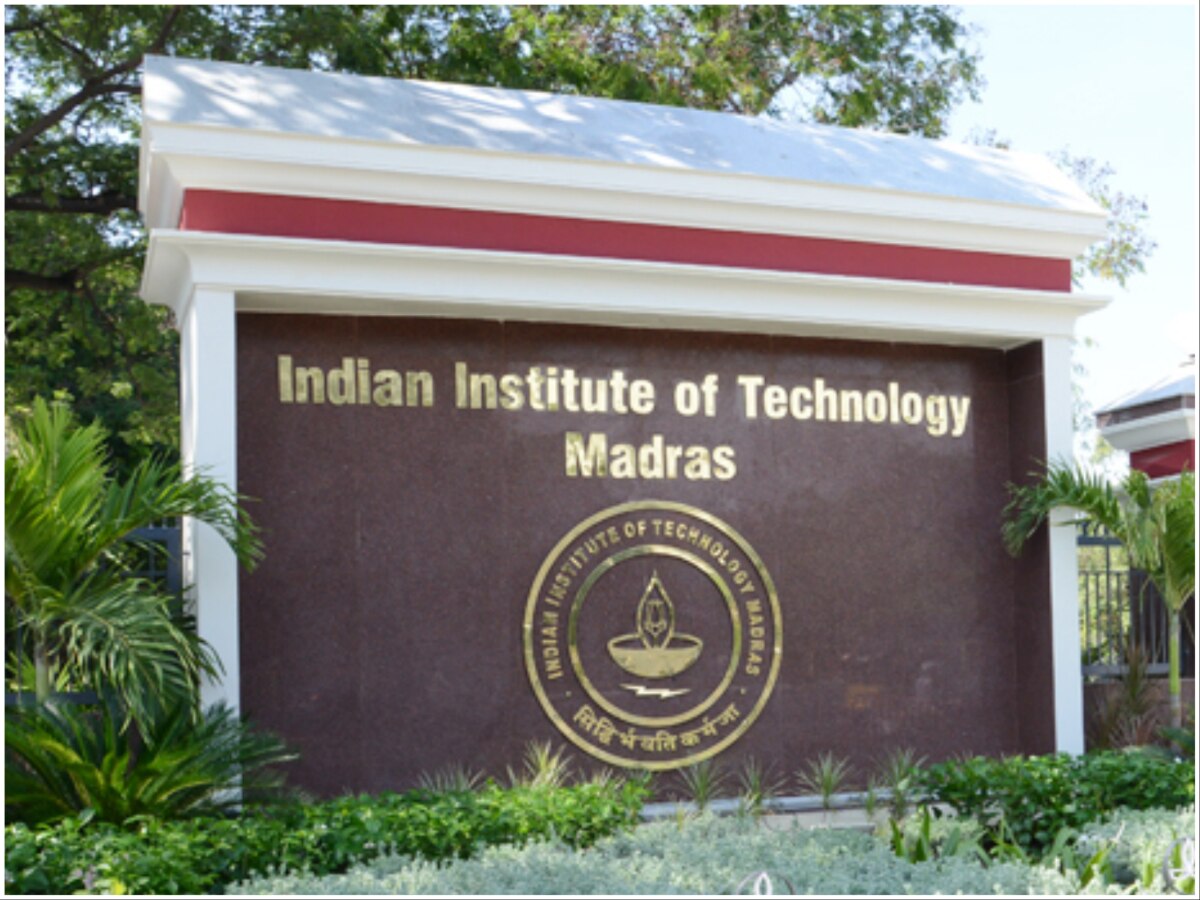
Age is often seen as a barrier to pursuing education, but Jigisha Tailor has shown that determination matters far more than the number of years behind you. At the age of 45, she returned to academics after a long break and graduated from the Indian Institute of Technology (IIT) Madras alongside her 21-year-old son.  Her inspiring journey has become a powerful reminder that learning has no age limit. By balancing family responsibilities with academics, she demonstrated that it is possible to start afresh and achieve long-held dreams with perseverance and dedication.  ALSO READ: Kylian Mbappe Educational Qualification: Which School Did The Football Star Attend? From Engineering Faculty to IIT Student  Jigisha Tailor, who hails from Bharuch in Gujarat, spent nearly 16 years teaching electronics at an engineering college. However, family commitments eventually led her to step away from her teaching career.  After several years away from academics, she decided to resume her education in 2019. Instead of returning to the classroom as a teacher, she embraced the role of a student once again. Her decision marked the beginning of an inspiring new chapter in her life.  Mother and Son Graduated Together from IIT Madras  Jigisha and her 21-year-old son enrolled in the BS in Data Science and Applications programme offered by IIT Madras. Her son joined the online programme in 2021 during the COVID-19 pandemic, and inspired by his experience, Jigisha enrolled in the same course in 2022.  Their shared academic journey culminated in a memorable moment at the IIT Madras convocation, where the mother and son walked onto the stage together to receive their degrees. Their achievement captured widespread attention and inspired countless students, parents, and lifelong learners across the country.  Their story is a testament to the idea that education is not confined to a particular age and that pursuing knowledge can strengthen family bonds while opening new opportunities.  A Journey of Determination and Mutual Support  Returning to studies after a long academic gap was not without challenges. Jigisha initially found subjects such as mathematics and statistics difficult after being away from formal education for years.  Despite these hurdles, she remained committed to her goal. She attended late-night doubt-clearing sessions while balancing household responsibilities and coursework. Throughout the programme, mother and son became each other's study partners, encouraging one another to stay focused and motivated.  Their teamwork and determination ultimately helped both of them successfully complete the programme. Jigisha's achievement is an inspiring example for anyone who believes it may be too late to return to education or pursue a new career path.  Her story highlights that with dedication, family support and a willingness to learn, age need not stand in the way of academic success. Whether someone is a student beginning their educational journey or an adult considering a return to studies, Jigisha Taylor's experience serves as a reminder that dreams can be realised at any stage of life. 

Want Better Career Growth? Avoid Keeping These 5 Things On Your Desk

Vastu Shastra considers the energy of not only the home but also the workplace and office to be important. It is believed that the environment of a place where a person spends many hours working every day can affect their morale, concentration, and efficiency. For this reason, many people adhere to certain Vastu rules to keep their office tables organized. If your office table is always messy or has some things on it which are not considered auspicious in Vaastu, then according to traditional beliefs, it can affect the progress of your career and business. Broken Or Defective Electronic Items According to Vastu Shastra, a broken watch, a broken pen, a broken mobile charger, a faulty keyboard, or other useless electronic items should not be placed on the office table. These are considered symbols of negative energy and obstacles to work. Pile Of Unnecessary Papers Keeping old bills, useless files, and scattered papers on the table creates clutter. According to Vastu, a clean and organized table transmits positive energy and helps maintain concentration at work. ALSO READ | Cosmic Alignment On Earth: How Dharampuri Maharaj’s Upside-Down Parikrama Defies Physical Law Through Spiritual Will Dry Or Wilted Plants If you have a plant on your office desk, it's important to keep it green and healthy. In Vastu, dried or wilted plants are considered a symbol of negativity. It's best to remove such plants immediately. Broken Glass Or Cup It's advisable to avoid keeping broken mugs, glass showpieces, or any other cracked objects on your office table. According to Vastu beliefs, such items can affect positive energy. Garbage Or Waste Material Don't let chocolate wrappers, empty bottles, old visiting cards, discarded stationery, or other unused items pile up on tables. This can make the workspace look cluttered and impact efficiency. How To Keep The Office Table? Always keep the table clean and tidy. It is considered auspicious to sit facing north or east. A small green plant (like bamboo or money plant) can be kept on the desk, if it is taken care of regularly. Keep important documents organized in a file. Clean the table regularly. ALSO READ | Astro Analysis | Planning A Wedding? July 12 Is Your Last Chance Before Chaturmas Begins What Does Vastu Shastra Say? According to Vastu Shastra, cleanliness, balance, and an organized workplace environment are considered to promote positive energy. However, scientific evidence for these beliefs is limited. Modern workplace studies also suggest that cleanliness, organized desks, and less clutter can increase productivity. Disclaimer: The content of this article is based solely on beliefs, and should be taken as general guidance. Individual experiences may vary. ABPLive.com does not assert the accuracy or validity of any claims or information presented. It is strongly recommended to consult a qualified expert before considering or implementing any information or belief discussed herein

Chaturmas 2026 Begins On July 25, Know The Rules Rituals And What Is Prohibited During The Sacred Period

Devshayani Ekadashi holds special religious significance in Hinduism. On the Ekadashi of the bright fortnight of Ashadha month, Lord Vishnu enters the ocean of milk into yogic sleep. This marks the beginning of Chaturmas, and all auspicious ceremonies such as marriages, housewarming ceremonies, sacred thread ceremonies, and tonsure ceremonies are halted for the next four months.  According to religious beliefs, Lord Shiva takes over the responsibility of managing the universe during Lord Vishnu's resting period. This is why worshipping Lord Vishnu as well as Shiva is considered to be of special importance during this period. According to astrologer and tarot card reader Nitika Sharma, Director of Shri Laxminarayan Astro Solution, Ajmer, Devshayani Ekadashi will be celebrated on Saturday, July 25th, in 2026. This day will mark the beginning of Chaturmas, which will end with Devuthani (Devprabodhini) Ekadashi on November 21st, 2026. During these 120 days, religious rituals, chanting, penance, storytelling, and devotional activities take on increased importance, while auspicious events are avoided. When Is Devshayani Ekadashi 2026? According to the calendar, the Ekadashi date of the Shukla Paksha (waxing moon phase) of Ashadha month will begin at 9:12 am on July 24, 2026, and end at 11:34 am on July 25, 2026. Based on the Udaya date, the fast and worship of Devshayani Ekadashi will be performed on July 25, 2026. Ekadashi date:Tithi starts: July 24, 2026, Friday, 9:12 amTithi ends: July 25, 2026, Saturday, 11:34 amDevshayani Ekadashi: July 25, 2026 Why Do Marriages And Other Auspicious Functions Get Stopped? Astrologer Nitika Sharma explains that on Devshayani Ekadashi, Lord Vishnu enters a state of yogic sleep. Since Lord Vishnu is considered the protector, marriages, housewarming ceremonies, sacred thread ceremonies, initiations, starting new businesses, and other auspicious ceremonies are not performed during his resting period. But this doesn't mean that religious activities cease. On the contrary, Chaturmas is considered the best time for spiritual practice, restraint, and devotion. During this period, recitations of the Bhagavad Gita, spiritual discourses, hymns and kirtans, chanting, austerities, and charitable donations are of particular importance in temples. ALSO READ | Astro Analysis | Why Death In Kashi Is Believed To Grant Moksha In Hinduism What Is Chaturmas And Its Religious Significance: The period from Devshayani Ekadashi to Devuthani Ekadashi is called Chaturmas. This period lasts approximately four months, or 120 days. Religious texts describe it as a time for introspection, penance, and spiritual progress. Lord Vishnu remains in Yognidra during this period, while Lord Shiva governs the universe. Therefore, worshipping both Shiva and Vishnu holds special significance during this period. Sages and saints also stay in one place during Chaturmas, engaging in penance, self-study, and preaching. Chaturmas Is Also Special From A Scientific Point Of View: In addition to religious beliefs, Chaturmas is also considered to have scientific significance. During the rainy season, humidity in the atmosphere increases, increasing the risk of the spread of various microbes and diseases. In ancient times, long journeys were difficult, so sages and saints would stay in one place and practice meditation. This tradition later took the form of Chaturmas. Many Big Festivals Will Be Celebrated In Chaturmas: The four months beginning with Devshayani Ekadashi are marked by several major religious festivals. First comes the month of Sawan, considered the most sacred for the worship of Lord Shiva. This is followed by Nag Panchami, Raksha Bandhan, Shri Krishna Janmashtami, Ganesh Chaturthi, Anant Chaturdashi, Pitru Paksha, Sharadiya Navratri, Vijayadashami, Karva Chauth, Diwali, and finally, Devuthani Ekadashi. That is, even though Chaturmas is a time of break for auspicious works, it is considered the most important period for religious festivals and spiritual practice. Lord Shiva Will Govern The Universe For 120 days: According to mythological beliefs, when Lord Vishnu is in Yognidra, Lord Shiva assumes the responsibility of navigating the universe. Therefore, worshipping Lord Shiva during Chaturmas is considered especially important. Especially during the month of sawan, offering water to the Shivalinga, Rudrabhishek, offering Bilva leaves, and chanting the mantra "Om Namah Shivaya" are considered extremely auspicious. There is also a belief that offering Tulsi leaves to Lord Vishnu and chanting the mantra "Om Vishnuve Namah" also brings auspicious results. ALSO READ | Cosmic Alignment On Earth: How Dharampuri Maharaj’s Upside-Down Parikrama Defies Physical Law Through Spiritual Will What Should Be Done During Chaturmas? According to astrologer and tarot card reader Nitika Sharma, regular worship of both Lord Vishnu and Lord Shiva should be performed during Chaturmas. Listening to the Bhagavad Gita, singing hymns, chanting mantras, fasting, performing charity, and donating food and clothing to the needy are considered highly auspicious during this period. Eating a sattvic diet and leading a disciplined lifestyle leads to mental peace and spiritual progress. When Will Marriages Start Again? Chaturmas will conclude on Devuthani (Devprabodhini) Ekadashi on November 21, 2026. Religious belief holds that Lord Vishnu awakens from Yognidra on this day. Following this, auspicious times for marriages, housewarming ceremonies, sacred thread ceremonies, tonsure ceremonies, and all other auspicious ceremonies resume. Disclaimer: The content of this article is based solely on beliefs, and should be taken as general guidance. Individual experiences may vary. ABPLive.com does not assert the accuracy or validity of any claims or information presented. It is strongly recommended to consult a qualified expert before considering or implementing any information or belief discussed herein

Google Pixel 11 Prices Leak Early And India Might Need To Brace For Another Premium Pixel Jump

Google Pixel 11 Price Leak: Google may have accidentally shown its hand weeks before launch. A fresh set of Amazon listings, briefly spotted on the company's official storefront before being pulled, appears to have revealed pricing, storage options and key specifications for the entire Pixel 11 family. And if the leaked prices are accurate, Indian buyers should prepare for some seriously premium price tags. The listings, first spotted by Android Authority reader Ali Choudary, surfaced on Amazon before mysteriously disappearing. But not before screenshots captured what could be Google's biggest Pixel shake-up in years. Amazon Listing Goes Live, Then Vanishes Leaks usually come from tipsters and supply chains. This time, the source appears to have been Google's own Amazon storefront. According to Android Authority, reader Ali Choudary discovered the pages by searching Google's internal model numbers before the listings were removed. The pages reportedly covered the Pixel 11, Pixel 11 Pro, Pixel 11 Pro XL and Pixel 11 Pro Fold, offering an unusually detailed look at the upcoming lineup ahead of Google's expected August 12 launch event. The biggest surprise? Not the colours, not the cameras, but the pricing and storage strategy. Goodbye 128GB? Pixel 11 Starts At 256GB The leaked listings suggest Google is finally ditching the 128GB base variant. The standard Pixel 11 was reportedly listed with 256GB storage and 12GB RAM for $899, which translates to roughly Rs 77,000 before taxes and duties. A 512GB version was also spotted at $1,019, or around Rs 87,000. Of course, Pixel phones have historically launched in India at significantly higher prices than direct currency conversions suggest. If Google follows previous trends, the Pixel 11 could easily land in the Rs 85,000-Rs 95,000 range. The phone was listed in Frost, Pistachio, Hibiscus and Obsidian colour options. ALSO READ: Google Drops Disco Ball Icons For Pixel Phones: Here's What It Looks Like Pixel 11 Pro Pricing Crosses Rs 1 Lakh Mark The leaked Pixel 11 Pro pricing paints an even more premium picture. 256GB: $1,099 (around Rs 94,000) 512GB: $1,219 (around Rs 1.04 lakh) 1TB: $1,449 (around Rs 1.24 lakh) Those numbers are direct conversions and actual India pricing could be considerably higher. For Indian consumers already complaining about flagship smartphone prices crossing the Rs 1 lakh barrier, the Pixel 11 Pro may do little to reverse that trend. A Curious RAM Twist For The Pro Model Perhaps the most interesting detail from the leak is Google's apparent RAM strategy. According to details spotted by Droid Life, the 256GB Pixel 11 Pro could ship with 12GB RAM, while the 512GB and 1TB variants retain 16GB RAM. That would be a notable departure from the Pixel 10 Pro lineup, where all storage variants reportedly offered 16GB RAM. If true, buyers may have to spend significantly more to unlock the highest memory configuration. ALSO READ: Google’s Pixel Theme Manager Lets You Switch Wallpapers, Colours, & Fonts Instantly What The Listings Reveal About Specs The deleted pages also shed light on some core hardware specifications. For the Pixel 11, the listings reportedly mention: 6.3-inch OLED display 2,856 x 1,280 resolution 120Hz refresh rate 4,985mAh battery 13MP selfie camera Bluetooth 6 Wi-Fi 6E 204g weight A Pixel 11 Pro listing also pointed to a 6.3-inch display, 4,850mAh battery, 13MP front camera and up to 120x digital zoom. With Google yet to officially unveil the devices, the now-deleted Amazon pages may have given us the clearest preview yet of what is coming. More importantly for Indian buyers, they hint that Pixel's march towards ultra-premium pricing is far from over.

Cabala or FIFA rules? Why Messi's Argentina will wear 'Lucky' navy blue jersey for semis vs England

Argentina will wear their dark blue away kit for the World Cup semifinal match against England. This choice is influenced by historical victories and fan superstition regarding the jersey. FIFA regulations regarding kit contrast and viewer visibility also play a significant role. The team hopes this iconic blue strip will bring them fortune in the crucial game. This decision has generated considerable discussion among football supporters worldwide.

Forget Siri AI, iOS 27 Finally Fixes One Of The Most Annoying Things About Owning An iPhone

iOS 27 Public Beta: For years, iPhone users have lived through the same oddly specific frustration. You walk out of your house, open Maps to check traffic, and your phone stubbornly clings to a dying Wi-Fi connection instead of switching to mobile data. The result is a spinning loading icon and a few seconds of unnecessary irritation. It sounds trivial until you realise how often it happens. With the iOS 27 public beta, Apple has finally fixed it. The update is being marketed around Siri AI, Apple's biggest artificial intelligence push yet, but some of the most meaningful changes are hiding in plain sight. And nowhere is that more obvious than the way the iPhone now handles connectivity. ALSO READ: MacOS 27 Is Here And These 3 Features Will Change How You Use Your Mac Your iPhone Finally Knows When You've Left The Building Previous versions of iOS often held onto a weak Wi-Fi signal long after users had stepped outside. The phone would continue trying to use the fading connection before eventually switching to cellular data. iOS 27 takes a far more aggressive approach. The moment users leave the range of a reliable Wi-Fi network, the iPhone transitions to cellular almost instantly. It is the sort of improvement that will never appear in a keynote presentation but immediately makes everyday use feel smoother. It is also a reminder that the best software features are not always the flashiest ones. Siri AI Is Apple's Big Bet Of course, Apple wants people talking about Siri AI. The new assistant arrives with a complete visual overhaul. Activating Siri now creates a crystal-like orb that expands from the Dynamic Island and reacts during conversations. Responses can remain in a compact overlay, expand into a chat window or open in a standalone Siri app that keeps a history of interactions. More importantly, Siri AI can understand personal context, remember previous questions and respond more naturally during longer conversations. The assistant can also analyse content currently displayed on the screen and answer questions about it, making interactions feel less robotic than before. Siri Can Dig Through Your Digital Life The real power of Siri AI comes from what happens behind the scenes. After installation, the assistant spends time indexing information stored across Apple's ecosystem, including Messages, Photos, Mail and Calendar. Once that process is complete, Siri can surface information from past conversations, appointments and images when answering queries. Apple's approach differs from rivals by processing and indexing data locally on the device rather than relying heavily on cloud-based systems. There is even a new Camera mode that allows users to snap a photo and ask Siri questions about what they are seeing. The catch is that Siri remains heavily tied to Apple's own ecosystem. Information stored inside third-party apps such as WhatsApp, Telegram or Gmail is largely beyond its reach for now. ALSO READ: iOS 27 Won't Let Kids Browse The Internet Without Your Permission The Rest Of iOS 27 Is About Refinement Away from AI, Apple has focused on polishing the experience. Users can now adjust the intensity of the Liquid Glass design effect, choosing between a more opaque appearance or a highly transparent look. Icons have been refined for readability, and search on the home screen has been merged more closely with Siri. AirPods users get a custom three-band equaliser, although it is limited to models powered by Apple's H2 chip or newer. The Passwords app can automatically identify and repair weak credentials, while the Photos app introduces a "Look Up Nutrition" feature that can evaluate food photos and provide a general health rating. Performance has also received attention. App launches feel snappier, AirDrop transfers are faster and Apple says its new CPU scheduling improvements help older devices run more efficiently. Impressively, support stretches all the way back to the iPhone 11. That means iOS 27's headline feature may be Siri AI. But after spending time with the public beta, the update feels more like a collection of dozens of tiny frustrations finally being solved. And sometimes, an iPhone that simply knows you've left the house is a bigger upgrade than another AI chatbot.

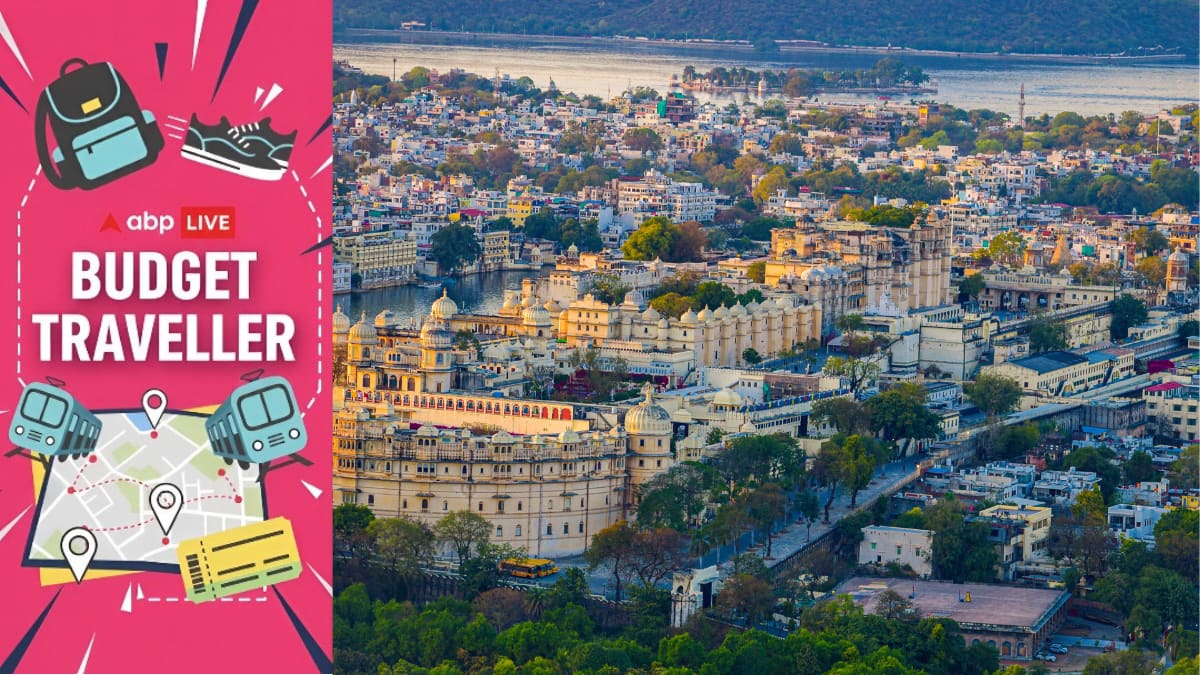
Budget Traveller | Udaipur Turns Into A Monsoon Paradise: Check Out A 7-Day Tour Plan And Budget

As the monsoon arrives, Udaipur transforms into one of India's most picturesque destinations. The City of Lakes becomes even more enchanting with rain-filled lakes, mist-covered Aravalli hills, lush greenery, and cool weather. From royal palaces and heritage sites to scenic boat rides and wildlife escapes, Udaipur offers the perfect blend of history and nature during the rainy season. Adding to its appeal, Condé Nast Traveller has featured Udaipur and Sonkhaliya among the 16 best monsoon destinations in India, praising the city's scenic lake views, royal heritage, and breathtaking landscapes. The iconic Sajjangarh Monsoon Palace is especially known for offering panoramic views of the city during the rains. Here's how you can spend an unforgettable week in Udaipur. Day 1: Discover Udaipur's Royal Heritage Begin your trip with a visit to the magnificent City Palace, one of Rajasthan's most iconic landmarks. Explore its grand courtyards, royal galleries, museums, and intricate architecture while enjoying spectacular views of Lake Pichola. In the afternoon, take a relaxing boat ride on Lake Pichola, passing attractions like Jag Mandir and the Lake Palace. Spend your evening at Bagore Ki Haveli, where you can admire its historic architecture and watch traditional Rajasthani folk dance performances. End the day by seeking blessings at the famous Jagdish Temple, dedicated to Lord Vishnu. Estimated Budget: Rs2,000-Rs3,000 (entry tickets, boating, local transport and meals). ALSO READ | Budget Traveller | How To Plan A Cheap Goa Trip In Summer 2026 Day 2: Experience Udaipur's Scenic Beauty Start your morning at Sajjangarh Monsoon Palace, perched atop the Aravalli Hills. During the monsoon, the palace offers breathtaking views of rain-soaked hills, Lake Pichola, and Fateh Sagar Lake. Next, head to Shilpgram, a vibrant rural arts and crafts complex showcasing Rajasthan's folk traditions, handicrafts, and tribal culture. Later, enjoy a boat ride on Fateh Sagar Lake, followed by a peaceful stroll through Saheliyon Ki Bari, known for its marble pavilions, lotus pools, and beautiful fountains. Estimated Budget: Rs2,000-Rs2,500 per person. Days 3 To 7: Explore Udaipur's Monsoon Eco Tours To make the most of the rainy season, the Rajasthan Forest Department is launching special Eco-Destination Tours from July 18. These guided tours allow travellers to explore waterfalls, forests, wildlife sanctuaries, and hidden natural attractions across the Mewar and Marwar regions. Available packages include: Gormghat – Rs2,250 Bhilberi Waterfall – Rs2,000 Phulwari Ki Naal – Rs2,000 Jaisamand Wildlife Sanctuary – Rs1,750 Sitamata Sanctuary & Jakham Dam – Rs2,250 Bassi Sanctuary & Menal Waterfall – Rs2,250 Ranakpur–Kumbhalgarh Sanctuary – Rs2,750 Each package includes travel by AC bus, a guide, forest entry fees, breakfast, lunch, dinner, and, on selected routes, an open jeep safari. These tours offer a completely different side of Rajasthan, combining waterfalls, forests, wildlife, and scenic mountain landscapes. ALSO READ | Budget Traveller | Explore Wayanad In Three Days Under Rs 20,000 Estimated Budget For A Week-Long Udaipur Trip A seven-day monsoon holiday in Udaipur can be planned comfortably depending on your travel style. Approximate expenses: Hotel stay: Rs8,000-Rs15,000 Food: Rs3,000-Rs5,000 Local sightseeing & boating: Rs3,000-Rs5,000 Eco-tour packages: Rs1,750-Rs2,750 per tour Local transport: Rs2,000-Rs3,000 Estimated Total Budget: Rs20,000-Rs35,000 per person (excluding travel to Udaipur). Whether you're drawn to royal palaces, peaceful lakes, breathtaking viewpoints, or nature-filled adventures, Udaipur offers an unforgettable monsoon experience. With thoughtful planning, you can enjoy the city's rich heritage, scenic beauty, and exciting eco-tourism activities all in a single week.

Fresh Covid-19 Cases Reported In UP, Maharashtra And Andhra Pradesh; Will The Pandemic Return In 2026?

Fresh COVID-19 cases reported from Uttar Pradesh, Maharashtra and Andhra Pradesh have sparked renewed discussions on social media, with many questioning whether India could witness another large-scale outbreak or even a lockdown. Viral posts have fuelled anxiety, but health experts and government officials say there is no reason to panic. According to doctors, COVID-19 has not disappeared completely. Like several other respiratory viruses, it continues to circulate at low levels and isolated cases are expected from time to time. Authorities are closely monitoring the situation, and there is currently no indication of a nationwide health emergency. Fresh Covid-19 Cases Reported In Multiple States Health departments have stepped up surveillance after new infections were detected in different parts of the country. Uttar Pradesh (Varanasi): A 27-year-old man from Ashapuri in Varanasi tested positive for COVID-19 after seeking treatment for breathing difficulties at the Chest and TB Department of Sir Sunderlal Hospital, Banaras Hindu University (BHU). He is currently undergoing treatment, and doctors say the case is a reminder that the virus is still present, although its spread is much lower than during previous waves. Andhra Pradesh: The state has reported eight active COVID-19 cases. According to reports, two COVID-related deaths have been recorded in recent weeks, including a 46-year-old man from Kadapa. Health authorities have sent patient samples for genome sequencing to identify the circulating variant and monitor any changes in the virus. Maharashtra (Mumbai): A fresh COVID-19 case has also been reported in Mumbai. Singer Kumar Sanu's son, Jaan Kumar Sanu, recently confirmed that he had tested positive and is recovering under medical supervision. ALSO READ | What Happens If You Spend 10 Minutes In The Morning Sun Every Day? What Experts Say And How Authorities Are Prepared Medical experts say COVID-19 has now entered the endemic phase, meaning the virus continues to exist in the community but is generally managed through routine healthcare rather than emergency measures. Vaccination and previous infections have helped build immunity in the population, significantly reducing the risk of severe illness for most people. As a precaution, state governments and health departments have activated surveillance systems, formed rapid response teams and asked hospitals to remain prepared. Government and major private hospitals have been instructed to keep isolation beds, testing kits, PPE kits, N95 masks and essential medicines readily available in case the number of infections rises. ALSO READ | Can You Lose Up To 20kg In Three Months? Nutritionist Ishaan Sachdeva Shares His 7-Step Weight-Loss Plan Is There Any Risk Of Another Lockdown? Health officials have clarified that rumours about a nationwide lockdown in 2026 are baseless. At present, there are no restrictions on travel, schools, colleges or workplaces, and mask-wearing has not been made mandatory. However, doctors advise people with weakened immunity, senior citizens and those with chronic illnesses such as diabetes, heart disease or hypertension to remain cautious. Anyone experiencing persistent fever, cough, sore throat or difficulty breathing should consult a doctor and get tested if advised. Experts also recommend maintaining good hand hygiene, covering coughs and sneezes, and wearing a mask in crowded places or hospitals if you are unwell or at higher risk. Staying informed through official health advisories rather than social media rumours remains the best way to avoid unnecessary panic.

Nothing Phone 4b Vs Nothing Phone 4a: Bigger Battery or Better Cameras, Which One You Should Buy

Nothing Phone 4b Vs Nothing Phone 4a: Nothing has added two new devices to its portfolio with the launch of the Nothing Phone 4b and Nothing Phone 4a. While the two smartphones share several similarities, including Android 16, Nothing OS 4.1, and a commitment to three years of OS updates and six years of security patches, there are notable differences in performance, display, cameras, and battery life. Here's a detailed comparison to help buyers decide which model suits their needs better. Nothing Phone 4b vs Nothing Phone 4a: Price The Nothing Phone 4b is the more affordable of the two, retailing at Rs 34,999 for the base 8GB + 128GB model. The Nothing Phone 4a carries a marginal premium with a price tag of Rs 39,999 for the same memory variant. The difference between the two is just Rs 400, making specifications and features more important than price when choosing between them. ALSO READ: Nothing Just Cancelled CMF Phone 3 Pro After Memory Prices Spiral Out Of Control Nothing Phone 4b vs Nothing Phone 4a: Display The Nothing Phone 4a offers a superior display on paper. It features a 6.78-inch AMOLED panel with a resolution of 1224 x 2720 pixels and a pixel density of around 440ppi. The screen also supports up to 4,500 nits peak brightness. In comparison, the Nothing Phone 4b comes with a 6.77-inch Super AMOLED display featuring a lower 1080 x 2344-pixel resolution and a pixel density of approximately 381ppi. Peak brightness is rated at 2,000 nits. Both devices support a 120Hz refresh rate, HDR10+, and punch-hole displays. Nothing Phone 4b vs Nothing Phone 4a: Performance Under the hood, the Nothing Phone 4a packs the Qualcomm Snapdragon 7s Gen 4 chipset paired with an octa-core processor clocked at up to 2.7GHz. The Nothing Phone 4b is powered by the Snapdragon 6 Gen 4 processor, which reaches a maximum clock speed of 2.3GHz. Storage technology is also different. The Phone 4a uses faster UFS 3.1 storage, while the Phone 4b relies on UFS 2.2 storage. Both models come with 8GB RAM and 128GB internal storage. ALSO READ: Nothing Phone 4a Review: Nothing To Complain About, Nothing To Brag About Nothing Phone 4b vs Nothing Phone 4a: Cameras Camera hardware is one of the biggest differences between the two smartphones. The Nothing Phone 4a features a triple rear camera setup consisting of a 50MP main sensor, a 50MP periscope telephoto camera with 3.5x optical zoom, and an 8MP ultra-wide lens. It also includes a 32MP front-facing camera for selfies and video calls. The Nothing Phone 4b, meanwhile, gets a dual-camera setup with a 50MP primary sensor and an 8MP ultra-wide shooter. On the front, it houses a 16MP selfie camera. For users who frequently shoot portraits, zoom shots, or selfies, the Phone 4a offers a more versatile camera package. Nothing Phone 4b vs Nothing Phone 4a: Battery The Nothing Phone 4b counters with a larger battery. It packs a 6,000mAh cell compared to the 5,400mAh battery inside the Nothing Phone 4a. However, charging speeds favour the Phone 4a. It supports 50W fast charging, while the Phone 4b supports 33W charging. Both handsets offer reverse charging functionality. Nothing Phone 4b vs Nothing Phone 4a: Which One Should You Buy? The Nothing Phone 4b's biggest advantage is its larger 6,000mAh battery and slightly lower price. However, the Nothing Phone 4a delivers a sharper display, brighter panel, faster processor, better storage technology, superior front camera, and the added benefit of a dedicated telephoto lens. Given the small price difference between the two models, the Nothing Phone 4a appears to offer the stronger overall value, while the Nothing Phone 4b is likely to appeal to buyers who prioritise battery endurance above all else.

France, England, Spain or Argentina? How a $5.3 billion betting market is calling ?

With four footballing heavyweights remaining, one of the biggest questions among fans is simple: Who is most likely to lift the trophy? Two of the largest prediction platforms, Polymarket and Kalshi, have attracted enormous interest throughout the tournament, with a combined betting volume of more than $5.3 billion across various FIFA World Cup markets. Around $4.2 billion has been wagered on Polymarket and $1.1 billion on Kalshi across predictions ranging from tournament winner and Golden Boot to Golden Ball, Best Young Player, Golden Glove and Fair Play awards.

Food Inflation Jumps To 5.32% As Tomato Prices Surge; More Pain Ahead In July?

Food prices continued to climb in June, with inflation measured by the revised consumer food price index rising to 5.32 per cent, as a sharp increase in tomato and ginger prices added pressure to household food bills. The latest data marks a further acceleration from May 2026, when food inflation stood at 4.78 per cent. On a sequential basis, the all-India Consumer Food Price Index (CFPI) increased by 1.7 per cent in June compared with the previous month, reported The Financial Express. Food Inflation Reverses From Months Of Deflation The latest increase represents a notable turnaround in India's food price trajectory. Food inflation had remained in negative territory for seven months through December 2025. In January, when the Ministry of Statistics and Programme Implementation introduced the new Consumer Price Index (CPI) series with 2024 as the base year, food inflation stood at 2.13 per cent. Using both the current CPI series and the previous series, which had 2012 as the base year, food inflation recorded in June was the steepest in 17 months. The upward trend may not ease immediately, according to economists. “Food prices will continue to increase as seen for vegetables and fruits in the market as well as pulses,” Madan Sabnavis, Chief Economist, Bank of Baroda, said. Tomatoes And Ginger Drive Price Pressure A closer look at the inflation data reveals a sharp divergence in the prices of key food items. Tomato inflation surged 31.92 per cent, while ginger prices recorded an even steeper increase of 50.41 per cent, according to the official statement issued by the statistics ministry. However, not every item in the food basket became more expensive. Potato prices declined 20.34 per cent on a year-on-year basis in June 2026, while peas became 9.67 per cent cheaper. Cumin, or jeera, also recorded a decline. Together, these three commodities have a combined weightage of 1.24 per cent in the CPI basket. Also Read : Monsoon Trouble For India's Farms? Kharif Sowing Falls 16%, Pulses Hit Hardest El Nino Emerges As Fresh Food Inflation Risk The inflation outlook is now increasingly linked to the progress of the monsoon and the possible impact of El Nino on agricultural production. “Looking ahead, food inflation remains vulnerable to weather-related risks, including the possibility of El Nino affecting agricultural output,” Sujan Hajra, chief economist, Anand Rathi Group, said. The India Meteorological Department earlier this month forecast ‘below-normal’ rainfall of less than 94 per cent of the benchmark long period average (LPA) for July, citing El Nino conditions evolving over the Pacific ocean. The weather department also said India is likely to experience ‘moderate to strong’ El Nino conditions during the southwest monsoon season from June to September. Monsoon Revival Brings Some Relief There has, however, been an improvement in rainfall conditions in July. After a substantial rainfall deficit of 40 per cent in June, the revival of the monsoon this month helped narrow the overall rainfall deficit to 19.4 per cent as of Monday. The improvement in rainfall has provided a boost to kharif crop sowing. Overall sowing of key kharif crops, including paddy, pulses, oilseeds, cotton and coarse cereals, remains delayed and continues to lag. The pattern and distribution of rainfall during the latter half of July and through August are likely to influence crop yields. Food Prices May Rise Further In July Economists are already seeing signs of further sequential pressure on food prices in the current month. “Retail food prices have continued to harden sequentially in July 2026, reflecting the typical seasonal trends.,” Aditi Nayar, chief economist, ICRA said while adding that inflation in the food and beverage segment is set to inch up further in July 2026. Nayar noted that the rainfall deficit for the southwest monsoon season had narrowed by July 12, 2026, following surplus rains during the early part of the month. According to her, the improvement bodes well for kharif crop sowing trends, which are expected to pick up during the ongoing monsoon season. Also Read : US Attacks Iran For Third Straight Night: Sensex 500 Points Down, Nifty Falls As Oil Prices Jump Weather Holds The Key To Food Price Outlook For now, the revival of the monsoon offers some comfort for the agricultural outlook. However, delayed kharif sowing and the possibility of moderate to strong El Nino conditions continue to pose risks. With food inflation already rising from 2.13 per cent in January to 5.32 per cent in June, the progress of the monsoon and its impact on crop yields will remain crucial to the food price trajectory in the coming months.

//