Language Settings
Select Website Language
newshunt
newshunt

Filters

Channels
Topics
Other Filters

“Neither deny nor confirm”: CIA issues rare response to records request on 3I/ATLAS origin

The interstellar object 3I/ATLAS reignited controversy after the CIA issued a rare Glomar response to a records request, refusing to confirm or deny holding information about it. While NASA insists the object is a harmless natural comet, the intelligence agency’s secrecy has fuelled speculation, amplified by Harvard astrophysicist Avi Loeb, that the object warranted quiet scrutiny despite official reassurances.

Retired Out One Game, Match-Winner Next: Harleen Deol's WPL Redemption

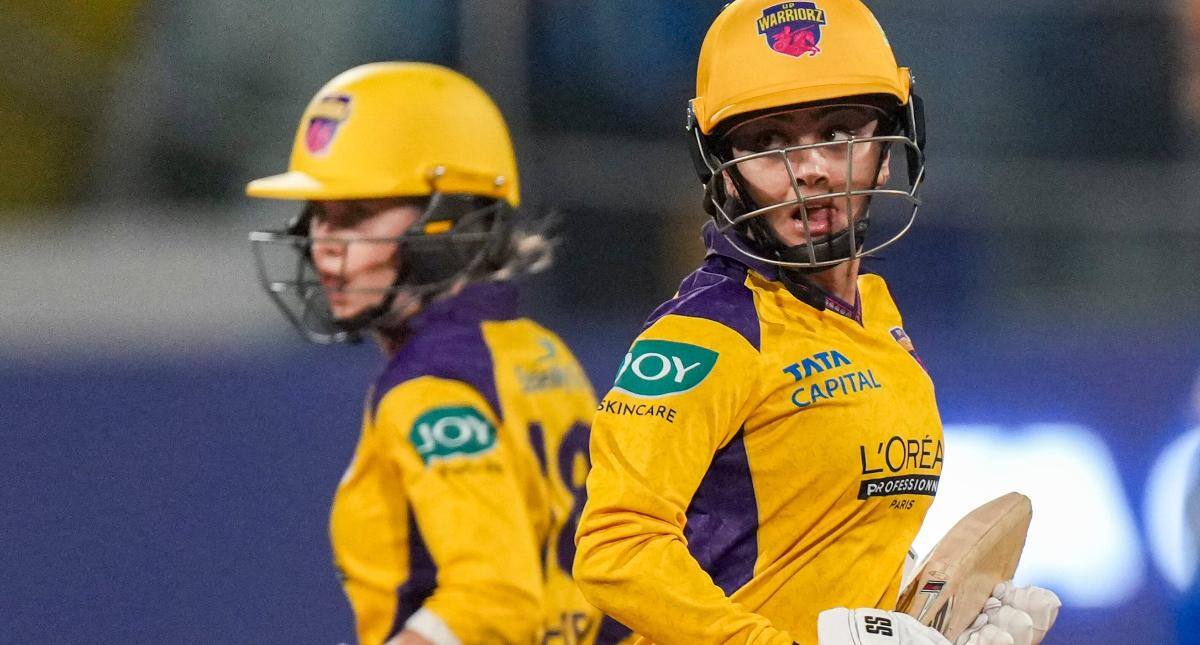
Harleen Deol's journey in the ongoing series is a reminder of how quickly fortunes can change in cricket. After being controversially retired out on 47 off 36 balls by UP Warriorz management, led by coach Abhishek Nayar, Harleen Deol responded in style. In her latest outing, she smashed an unbeaten 64 off 39 balls against Mumbai Indians in WPL 2026, earning Player of the Match and guiding Meg Lanning-led side to their first win of the season. The retirement in the last game had put Harleen under an uncomfortable spotlight. The move was made in the interest of the team and match situation, but it raised questions about her form. In her most recent match, she chose latter. Walking in with intent and clarity, Harleen looked far more assured at the crease. She built her innings patiently, rotating the strike, punishing loose deliveries when the opportunity presented itself. UP Warriorz vs Delhi Capitals on Jan 14 (Retired Out) Score: 47 runs off 36 balls (before being retired out) Strike Rate: ~130.55 when dismissed via retirement tactic rather than traditional dismissal Context: The decision to retire her out was controversial, as she was approaching a half-century and had been batting well at the time. UP Warriorz vs Mumbai Indians on Jan 15 (Retired Out)  Score: 64 not out off 39 balls Boundaries: 12 fours Strike Rate: ~164.10 (showing aggressive and effective batting) Her unbeaten knock anchored UP Warriorz’s chase and powered them to a 7-wicket win over Mumbai Indians, marking their first win of Women’s Premier League 2026. What stood out was her composure under pressure. It was a knock that blended responsibility with aggression, exactly what the team required at that moment. Beyond the runs, the innings carried symbolic value. This innings could prove crucial not just for the match but for her momentum going forward. Harleen Deol’s latest effort reaffirmed her value to the side and sent a clear message: setbacks are temporary, but class endures.

Waking Up Gasping For Air At Night? Cardiologist Explains Why It Could Be A Serious Heart Warning

{By: Dr Abhishek Singh} Night-time should be when the body rests, heals, and restores for many, but for some, sleep becomes an unexpected battleground where sudden gasping, choking, or breathlessness interrupts the night. Most of these episodes begin subtly and are often mistaken for a bad dream or stress by people. But what if these signs are the signs that your body is sending to you for help. What appears to be ‘just nothing’ can be a silent warning sign of an underlying heart problem. Not seeking timely medical care can lead to severe complications if unchecked. ALSO READ: Why Moisturising Matters Most For Sensitive And Eczema-Prone Skin: Expert Explains The Science Of Hydration & Healing What Is Night-Time Breathlessness In Heart Disease? (Image Source: ABPLIVE AI) Waking up choking, coughing, or feeling unable to breathe can occur when the airflow is blocked or when the heart and lungs are unable to maintain proper oxygen levels during sleep. This symptom is medically known as paroxysmal nocturnal dyspnea (PND). It occurs when lying flat causes fluid from the lower body to shift back into the bloodstream. In people with heart disease, the heart is unable to pump this extra fluid efficiently, leading to fluid buildup in the lungs. This sudden congestion causes a person to wake up gasping for air. What Are The common causes? This gasping can occur due to the following reasons: Obstructive Sleep Apnea (OSA): A condition where the airway repeatedly collapses during sleep. When the airway blocks and the oxygen level in the body drops, it leads the brain to jolt you awake. This sudden awakening is the body’s protective mechanism, but over time, untreated OSA can lead to hypertension, stroke, and other health concerns. Heart Failure: Heart failure is one of the most common and serious causes of waking up at night gasping for air. As the heart’s pumping ability weakens, fluid begins to accumulate in the lungs when a person lies flat, leading to sudden breathlessness usually one to two hours after falling asleep. Coronary Artery Disease: In coronary artery disease, narrowed or blocked arteries reduce blood flow to the heart muscle, reducing its ability to function efficiently. This reduced cardiac performance can manifest as night-time breathlessness, particularly in people with risk factors such as diabetes, high blood pressure, smoking, or obesity. In some cases, nocturnal breathlessness may be the only warning sign of underlying heart disease. Valvular Heart Disease: Damaged heart valves interfere with the normal flow of blood through the heart chambers. When valves fail to open or close properly, pressure builds up in the heart and lungs, leading to congestion and shortness of breath that can worsen at night. Symptoms One Should Not Ignore (Image Source: ABPLIVE AI) Symptoms such as waking up with a dry mouth or morning headaches, suddenly gasping, choking, or coughing during sleep, and experiencing chest tightness or wheezing should never be ignored. These warning signs are often accompanied by excessive daytime fatigue, poor concentration, or a feeling of being unrested despite a full night’s sleep. Sudden breathlessness after falling asleep is particularly concerning and may point to an underlying heart or respiratory condition that requires timely medical evaluation. Treatment Options Treatment depends on the underlying heart condition causing night-time breathlessness. Heart failure is managed with medications to reduce fluid overload, improve heart function, and control blood pressure, along with lifestyle changes such as a low-salt diet and weight management. If coronary artery disease is identified, procedures like angioplasty or bypass surgery may be required to restore blood flow. Valvular heart disease may need surgical repair or valve replacement. Timely diagnosis and appropriate treatment can significantly improve symptoms and prevent serious complications. Misjudging nighttime gasping for just a sleep disturbance may put your body at high risk. It’s important to understand these signs that your body is sending for seeking help. With timely medical care and adopting preventive habits, one can easily protect respiratory health. The author, Dr Abhishek Singh, is the Consultant- Cardiology, at Manipal hospital, Ghaziabad. [Disclaimer: The information provided in the article is shared by experts and is intended for general informational purposes only. It is not a substitute for professional medical advice, diagnosis, or treatment. Always seek the advice of your physician or other qualified healthcare provider with any questions you may have regarding a medical condition.]

RCB's ₹4.5 Crore AI Tech Offer To Solve Chinnaswamy Stadium Crowd Chaos

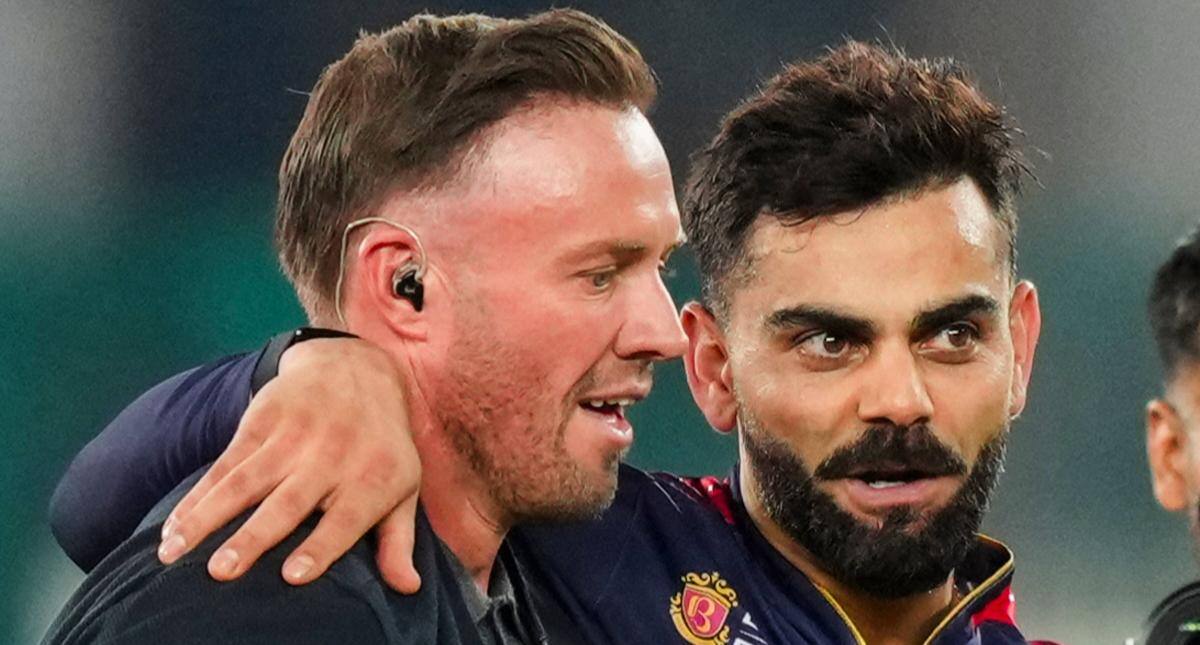
With IPL 2026 approaching, Royal Challengers Bengaluru (RCB) have taken a proactive step to address long-standing crowd management concerns at their home venue, M. Chinnaswamy Stadium. The franchise has proposed a ₹4.5 crore, AI-enabled crowd control system, aiming to ensure better safety and smoother movement of fans during matches. RCB has submitted a detailed proposal to the Karnataka State Cricket Association (KSCA), offering to fully fund the installation of advanced technology across the stadium. The plan includes deploying over 300 AI-powered cameras equipped with real-time video analytics. These cameras would monitor crowd density, identify bottlenecks, track suspicious movement and help authorities respond quickly to potential risks. 𝗥𝗖𝗕 𝗖𝗔𝗥𝗘𝗦: Advanced AI video analytics technology for 𝗰𝗿𝗼𝘄𝗱 𝗺𝗮𝗻𝗮𝗴𝗲𝗺𝗲𝗻𝘁 at the 𝘊𝘩𝘪𝘯𝘯𝘢𝘴𝘸𝘢𝘮𝘺 𝘚𝘵𝘢𝘥𝘪𝘶𝘮.In a formal communication to the KSCA, RCB has proposed the installation of 300 to 350 AI-enabled cameras at the M. Chinnaswamy Stadium.… pic.twitter.com/LuJ3v4uNwa — Royal Challengers Bengaluru (@RCBTweets) January 16, 2026 According to the proposal, the AI system would not only assist in managing entry and exit points but also help prevent overcrowding, ticketless entry and last-minute chaos - issues that have repeatedly surfaced at the Chinnaswamy during high-profile games. The technology is designed to send instant alerts to security personnel and police officials, enabling swift intervention before situations spiral out of control. Entire cost to be borne by RCB Importantly, RCB has made it clear that the entire cost will be borne by the franchise, underlining their commitment to fan safety and matchday experience. The team has partnered with Staqu, a company known for working with law enforcement agencies on AI-based surveillance and crowd management solutions. This initiative comes in the backdrop of growing concerns over crowd safety at packed sporting events, especially after past incidents that raised questions about preparedness and infrastructure at the venue. If approved, Chinnaswamy Stadium could become one of the first cricket grounds in India to use such an extensive AI-driven crowd monitoring system. The proposal is currently under review, but if implemented, it could set a new benchmark for stadium safety in Indian cricket - and play a key role in ensuring that Chinnaswamy continues to host IPL matches without safety concerns overshadowing the game.

Mahindra’s New Mid-Size SUV Could Take On Hyundai Creta: What We Know So Far

India’s mid-size SUV segment is heading for another shake-up. Long dominated by the Hyundai Creta, the space is set to become even more competitive as Mahindra gears up to introduce an all-new mid-size SUV aimed squarely at the heart of the market.  While the homegrown automaker has yet to make any official announcement, industry chatter and early concept cues suggest Mahindra is preparing a serious challenger that could raise the bar on design, technology and powertrain flexibility. The mid-size SUV category has emerged as one of the most hotly contested segments in the Indian car market. Models in this space combine road presence, practicality and features at price points that appeal to urban families and highway users alike. Hyundai’s Creta has remained the benchmark for years, thanks to its strong brand recall, wide engine options and feature-rich updates. However, competition is intensifying. Carmakers are increasingly viewing this segment as a volume and image driver, and Mahindra appears keen to capitalise on its strong SUV pedigree to carve out a larger share. Built on Mahindra’s new NU_IQ platform According to multiple industry reports, Mahindra’s upcoming mid-size SUV is likely to be underpinned by the company’s new NU_IQ modular platform. One of the platform’s biggest strengths is its ability to support multiple powertrains. This architecture is designed to accommodate petrol, diesel, hybrid and even electric setups, giving Mahindra the flexibility to introduce several variants over the life cycle of the model. This approach would allow the manufacturer to respond quickly to changing emission norms and consumer preferences, while also spreading development costs across multiple powertrain options. The SUV is expected to be positioned directly against the Hyundai Creta and could be introduced under Mahindra’s popular XUV branding. Vision S concept offers design clues Mahindra has already dropped strong hints about the SUV’s design direction through its Vision S concept, showcased earlier at the company’s Independence Day event. The concept drew attention for its bold and muscular styling, signalling a clear shift towards a more rugged and assertive design language. Up front, the Vision S featured Mahindra’s new Twin Peaks logo, flanked by sharp LED lighting elements and a wide grille. The upright stance, generous ground clearance and chunky tyres reinforced its SUV credentials. That said, industry watchers expect the production version to tone down some of the more dramatic concept elements in favour of everyday usability and regulatory compliance. Focus on a premium, tech-rich cabin If the Vision S concept is anything to go by, Mahindra’s new mid-size SUV will place a strong emphasis on interior quality and features. The concept showcased a modern cabin layout with a new multi-function steering wheel and a large touchscreen infotainment system. Wireless smartphone connectivity, a panoramic sunroof and a dual-tone interior theme point towards a more premium positioning, aimed at buyers who expect both comfort and technology. Importantly, the presence of a visible fuel cap on the concept indicates that the initial versions will be internal combustion engine models, with both petrol and diesel options likely at launch. Launch timeline and rivals Auto industry reports suggest that Mahindra’s new mid-size SUV could make its Indian debut around 2027. By then, the competition is expected to be even fiercer, with refreshed versions of existing models and new entrants entering the fray. Apart from the Hyundai Creta, the SUV is likely to face competition from models such as the upcoming Tata Sierra, adding another layer of rivalry in the segment. Mahindra’s long-standing expertise in building SUVs, combined with its evolving design language and focus on technology, could give it a strong edge. For consumers, Mahindra’s entry could be a welcome development. More competition typically translates into better features, sharper pricing and greater choice. If Mahindra manages to deliver a well-rounded package that balances rugged appeal with premium comfort, the Creta’s dominance may finally face a credible challenge.

Is Your Baby’s Massage Oil Safe For Winter? Most Parents Get This Wrong

Winter is a season of warmth, traditions, and care, especially when there's a baby at home. As temperatures drop, parents, and grandparent instinctively worry about cold, dry skin, coughs, and seasonal illnesses. In Indian households, baby massage with oil becomes a daily ritual believed to strengthen bones, improve circulation, and protect little ones from winter chill. However, what many parents don’t realise is that using the wrong massage oil or following incorrect practices in winter can do more harm than good. From choosing an unsuitable oil to applying it at the wrong temperature or time of day, small mistakes can affect a baby’s sensitive skin and overall comfort. Winter baby care requires more than tradition alone, it needs informed choices. Here’s a complete, expert-backed guide to help parents understand what really matters when massaging babies during winter months. ALSO READ: Myths vs Facts About Skipping Breakfast: Is The 'Most Important Meal Of The Day' Overrated? Why Babies Need Extra Care During Winter (Image Source: ABPLIVE AI) Babies are far more vulnerable to cold weather than adults because their bodies are still learning to regulate temperature. During winter, dry air, cold floors and reduced sunlight can quickly lead to skin dryness, irritation and lowered immunity. Newborn skin is especially delicate and loses moisture faster, making it prone to cracking and discomfort. Massage helps by improving blood circulation, supporting muscle development and keeping the skin nourished. But the benefits only work when the oil used suits the baby’s age, skin type and the season. Winter oils should provide warmth without clogging pores or causing rashes. Many parents unknowingly apply oils that are either too heavy or too cold, triggering fussiness, colds or skin Understanding seasonal needs is essential. Winter massage is not just about applying oil, it’s about creating warmth, comfort and protection in a controlled and gentle way. When done correctly, it becomes a powerful tool to support a baby’s physical and emotional wellbeing.reactions. Choosing The Right Oil Based On Your Baby's Age (Image Source: ABPLIVE AI) Not all baby skin is the same, and age plays a crucial role in deciding the safest massage oil during winter. Newborns have ultra-sensitive skin that absorbs substances faster than older babies. Heavy or strong oils can overwhelm their delicate skin barrier, leading to irritation or blocked pores. For newborns, cold-pressed coconut oil and sweet almond oil are often considered gentle and suitable for winter. These oils are lightweight, nourishing and easily absorbed, offering moisture without excessive heaviness. Coconut oil also has natural antibacterial properties, making it a popular choice in Indian households. As babies grow older, parents may consider mustard oil, traditionally believed to generate warmth. However, mustard oil should only be used for slightly older babies and must always be mildly warmed before application. Direct application of cold mustard oil can cause discomfort and increase the risk of chills. The key is moderation and observation. If redness, rashes or excessive dryness appear, discontinue use and consult a paediatrician. The right oil should leave the baby relaxed, not irritated. Why Applying Cold Oil In Winter Can Be Harmful (Image Source: ABPLIVE AI) One of the most common mistakes parents make is applying oil straight from the bottle during winter. Cold oil coming in contact with a baby’s warm skin can cause sudden temperature shock, leading to restlessness, crying or even cold symptoms. Babies are unable to communicate discomfort clearly, so such reactions are often misunderstood. Oil used for massage should always be lukewarm, never hot. Gently warming the oil ensures it spreads smoothly and provides a comforting sensation. Warm oil also improves absorption and relaxes muscles, making the massage more effective. However, overheating oil can be equally dangerous. Oil that feels hot on adult skin can burn a baby’s sensitive skin. Always test the oil on the inside of your wrist before applying it to the baby. The correct temperature should feel soothing, not intense. This simple step can significantly reduce winter-related issues and turn massage into a calming daily ritual rather than a stressful experience. Small Winter Mistakes Parents Should Avoid (Image Source: ABPLIVE AI) While massage is deeply rooted in tradition, blindly following old practices without adapting to modern understanding can cause problems. Over-massaging, using excessive pressure or applying oil too frequently can irritate the skin, especially in winter when dryness is common. Another mistake is assuming all natural oils are safe. Some essential oils or fragranced oils marketed for babies may contain ingredients unsuitable for winter use. Always read labels and avoid oils with strong fragrances or additives. Lastly, never ignore your baby’s cues. If the baby seems uncomfortable, restless or develops rashes, it’s a sign something isn’t working. Winter baby care is about gentle observation and timely adjustments. [Disclaimer: The information provided in the article is intended for general informational purposes only. It is not a substitute for professional medical advice, diagnosis, or treatment. Always seek the advice of your physician or other qualified healthcare provider with any questions you may have regarding a medical condition.]

Myths vs Facts About Skipping Breakfast: Is The 'Most Important Meal Of The Day' Overrated?

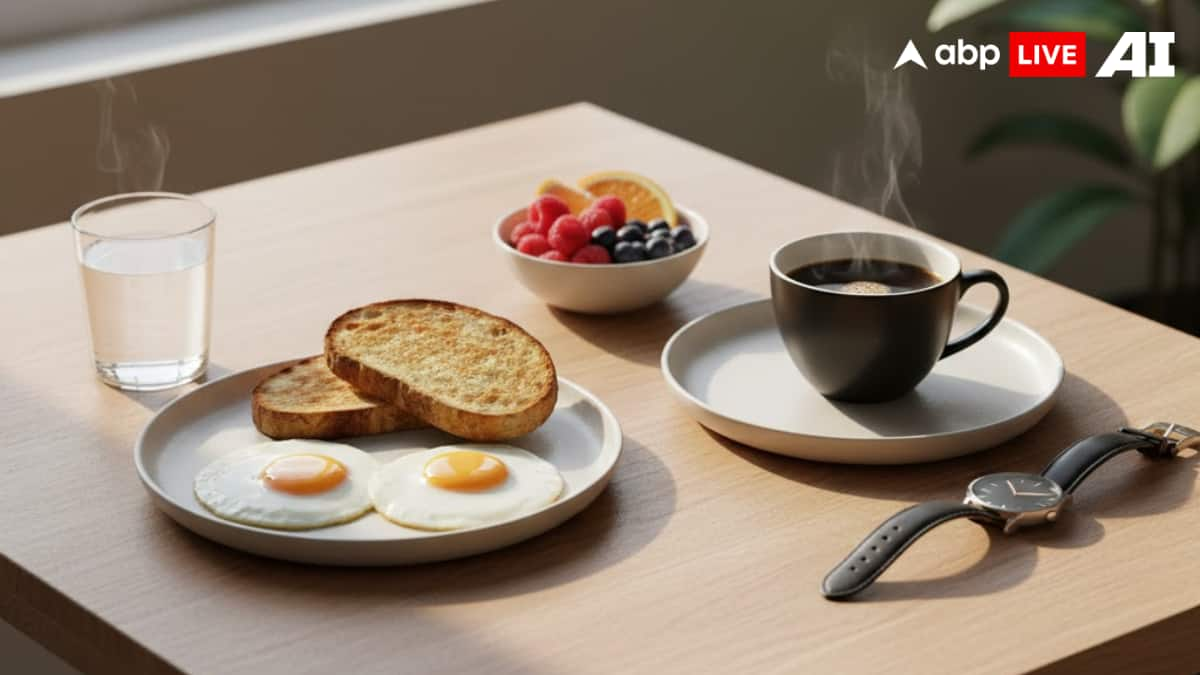
For decades, breakfast has worn the crown of being called "the most important meal of the day." From school textbooks to concerned parents, the message has been drilled into our heads, skip breakfast, and your health will suffer. But in an age of intermittent fasting, flexible work schedules, and evolving nutrition science, this long-standing belief is being questioned more than ever. Is skipping breakfast really harmful? Or is it one of those health myths that refuses to retire? Let’s break down the biggest myths vs facts about skipping breakfast, backed by modern nutrition science, real-world lifestyle patterns, and expert insights, so you can decide what actually works for your body. ALSO READ: What Happens To Your Body When You Eat Beetroot Daily Myth 1: Skipping Breakfast Slows Down Your Metabolism (Image Source: ABPLIVE AI) The Myth If you don’t eat breakfast, your metabolism “shuts down,” making it harder to burn calories throughout the day. The Fact Your metabolism doesn’t switch off just because you skip one meal. It’s primarily influenced by factors like age, muscle mass, hormones, genetics, and total daily calorie intake, not just whether you eat at 8 a.m. Several studies suggest that total calorie consumption over the day matters far more than meal timing. For some people, especially those practicing intermittent fasting, skipping breakfast may even improve metabolic flexibility. Skipping breakfast doesn’t automatically slow metabolism, overeating later in the day might. Myth 2: Skipping Breakfast Leads To Weight Gain The Myth People who skip breakfast are more likely to gain weight. The Fact Weight gain happens when calorie intake consistently exceeds calorie expenditure, not because breakfast was skipped. While some people overeat later if they skip breakfast, others naturally regulate their appetite and end up consuming fewer calories overall. In fact, many people who skip breakfast mindfully report better portion control and fewer cravings. The problem isn’t skipping breakfast, it’s skipping it and then binge-eating junk later. Skipping breakfast doesn’t cause weight gain; poor food choices do. Myth 3: Breakfast Is Essential For Brain Function (Image Source: ABPLIVE AI) The Myth Without breakfast, your brain won’t function properly, leading to poor concentration and low productivity. The Fact The brain runs on glucose, yes, but it doesn’t need constant eating. Your body maintains stable blood sugar levels using stored energy. Some people feel sharper and more focused when they delay their first meal, while others perform better after eating. There’s no one-size-fits-all rule. Cognitive performance depends on sleep quality, hydration, stress levels, and overall nutrition, not just breakfast timing. Breakfast can help some people focus, but it’s not mandatory for everyone. Myth 4: Skipping Breakfast Causes Low Energy All Day The Myth No breakfast equals fatigue, weakness, and sluggishness. The Fact Low energy often comes from poor sleep, dehydration, stress, or nutrient-poor diets, not skipping breakfast alone. In fact, heavy or sugar-loaded breakfasts can cause mid-morning crashes. People who eat balanced meals later in the day often report steady energy levels without an early meal. The quality of food matters more than the clock. Energy levels depend on lifestyle habits, not just breakfast. Myth 5: Skipping Breakfast Increases Risk of Lifestyle Diseases (Image Source: ABPLIVE AI) The Myth Skipping breakfast directly leads to diabetes, heart disease, and other lifestyle disorders. The Fact Correlation does not equal causation. Many studies link skipping breakfast with health risks, but they often overlook other factors like smoking, stress, poor sleep, inactivity, and unhealthy diets. Someone who skips breakfast but eats nutritious meals later may be healthier than someone who eats sugary cereal and processed foods every morning. Overall lifestyle matters more than breakfast timing. So, Should You Skip Breakfast Or Not? There’s no universal answer. If breakfast makes you feel energised, focused, and satisfied, enjoy it. If skipping breakfast helps you feel lighter, sharper, and more in control, that’s okay too. What truly matters is nutrient quality, meal balance, and long-term consistency, not rigid food rules passed down for generations. [Disclaimer: The information provided in the article is intended for general informational purposes only. It is not a substitute for professional medical advice, diagnosis, or treatment. Always seek the advice of your physician or other qualified healthcare provider with any questions you may have regarding a medical condition.]

‘Turbo Petrol Will Be A 10 Per Cent Play For Punch’: Tata Motors’ Vivek Srivatsa

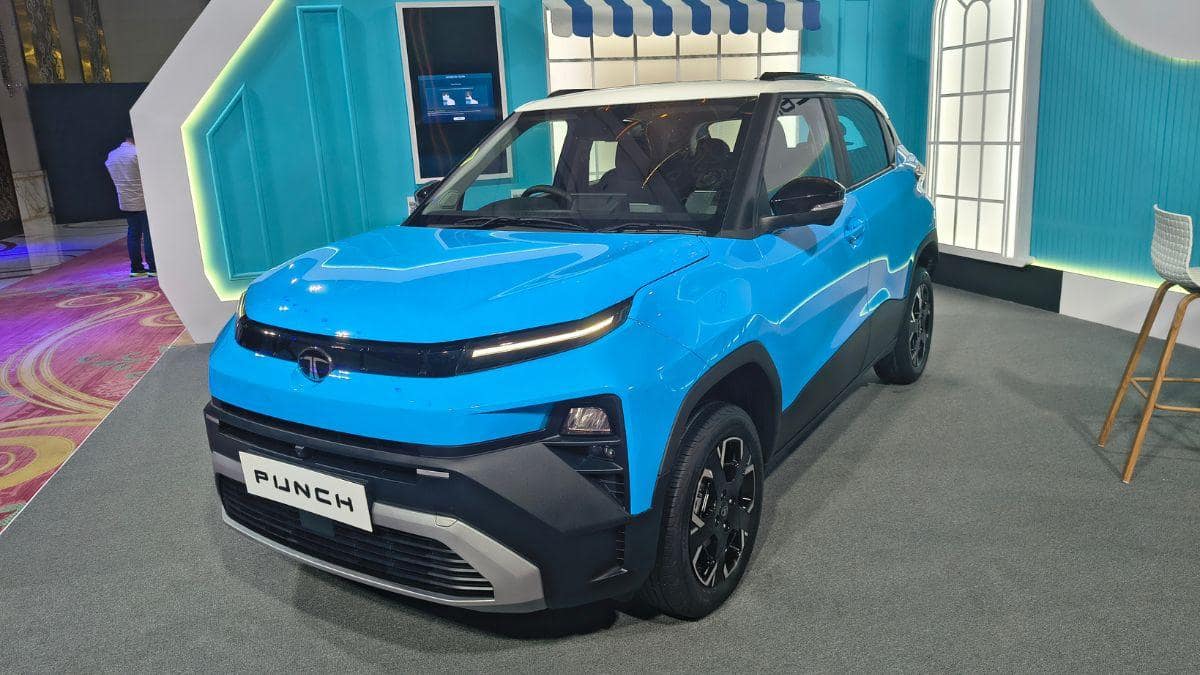
Tata Motors recently launched the new Punch and along with the new look and the interior, the carmaker has also added a new turbo petrol powertrain. The Punch iTurbo comes with a 1.2 litre turbo petrol engine which develops 120bhp and 170Nm which means it will be the quickest SUV in its class. The turbo petrol will add to the sales and Vivek Srivatsa, Chief Commercial officer at Tata Motors says that he expects the iTurbo to account for 10 percent of sales of the Punch. The Punch also has the standard naturally aspirated petrol engine which comes with an AMT also while having a CNG option too. He says that Highway driveability is essential and more people are travelling longer distances while going on highways. He said Tata Motors hopes to attract a new kind of consumer for the iTurbo Punch. Engine Strategy and Market Positioning In the smaller SUV space, the turbo petrol will remain for the enthusiast and it was important to provide the option. Further he said that the naturally aspirated petrol engine will remain also key to the small SUV portfolio due to the cost advantage. Pricing, Safety and Features The new Punch has been launched at Rs 5.59 lakh and comes with a 5 star safety rating plus more features than before like 6 airbags now plus a 360 degree camera and more. The inclusion of the turbo petrol engine though will expand the buyer base for the Punch for those looking for more performance. It is indeed currently one of the most of attainable turbo petrol equipped cars and a significant chunk of the Punch sales are to be expected with this motor.

Bargain Land Cruiser? Jetour T2 review: Great Value But Low Mileage 

You may not be familiar with Jetour, but the Chinese SUV brand, which is a part of Chery Automobile Group, has emerged as a strong performer in several global markets. After spending time behind the wheel, I found plenty to like about it. Some Like-Able Features Amongst the new crop of Chinese cars, the Jetour T2 aims to compete with the GWM Tank while it is a tough SUV that is also mixed with a crossover.  Unlike a Fortuner, the Jetour T2 isn't a proper old school SUV as it is built on a monocoque while also not having a low range gearbox.  However, it is not really meant for hardcore offroading but it's 220mm ground clearance and toughness means it's enough for most.  It looks really good and that's the battle won with proper tough lines like the Defender or the G Wagon. It isn't a copy though and it is big in terms of its size.  The interior has a giant screen and is reasonably spacious but it isn't as tough or durable while quality is just about okay. You get a lot of technology and features though.  The turbo petrol and the dual clutch automatic work well and yes it isn't very fast but it's reasonably quick while being smooth enough.  The good thing is that the ride isn't bouncy and is car like with the same being for the way it drives. It does not feel too big or too difficult to drive in the city.  That said it is very heavy and that takes a toll on the fuel efficiency, as the turbo petrol isn't great here although the hybrid cures that.  The Jetour T2 though has a lot of appeal and is a mix of rugged styling but being more of a bargain premium SUV. Amongst the Chinese SUVs, the design and the overall appeal makes this an SUV to watch out for.

‘I’m New CTO Of X’: Maharashtra Man’s Viral LinkedIn Profile Highlights Platform’s Verification Gaps

LinkedIn is a platform where people showcase their professional identities, list work experience, and build credibility. But a recent incident involving a man from Maharashtra has highlighted just how easily that credibility can be manipulated. The man falsely claimed on LinkedIn that he was the CTO of X (formerly Twitter), the social media platform owned by billionaire Elon Musk. He then shared a screenshot of his LinkedIn profile on X, and netizens are having a field day debating about how much trust users should place in LinkedIn profiles, where you can falsely claim to be associated with a company with just a few clicks. ‘I’m New CTO Of X’: Man’s Viral LinkedIn Profile  “It’s wild that LinkedIn doesn’t verify employment,” Abhinav wrote on X (formerly Twitter), before adding, “You can literally claim you worked anywhere.”  In the next line, he said, “Anyways, I’m the new CTO of X,” complete with a screenshot of his LinkedIn profile.  According to the screenshot, which has been gaining traction on social media, Kale joined Elon Musk’s X as the Chief Technology Officer (CTO) in January this year for an on-site role. It’s wild that LinkedIn doesn’t verify employmentYou can literally claim you worked anywhereAnyways, I’m the new CTO of X pic.twitter.com/SQTje9sYL1 — Abhinav (@Abhinavstwt) January 15, 2026 Kale’s LinkedIn profile says that he is a ‘superdev’ at Superteam India, a community known in the Web3/startup space. He also claims to be the ‘ambassador’ at v0 by Vercel.  How Did Social Media Users React To This Post? Reacting to his viral post, one social media user said, “Yeah, I agree. You can claim that you worked on Mars or with Google. It wouldn’t hold you back.” “And this is actually super weird. LinkedIn should solve this; people would love being able to claim and verify where they worked,” another added. A third commented, “But I’ve seen that sometimes you will have an option to get verified(that you work at that company) by adding a company email where they'd send an otp to see if you're really affiliated with the company.” “Try doing that for Deloitte. They ask for employee ID,” claimed yet another social media user.

First global repository of ice cores: How Antarctica scientists are preserving ice samples from melting glaciers; why is it important?

Scientists have opened the world's first global repository for mountain ice cores in Antarctica to preserve Earth's atmospheric history as glaciers melt. The Ice Memory Foundation's frozen sanctuary stores ice cores, acting as time capsules of past climate conditions, before these vital records are lost forever due to global warming.

Two Tiny Girls Stumble Through Patriotic Song, Salute With Innocence — WATCH Video

In a world flooded with endless social media clips, some videos stand out purely because of their innocence. A recent video featuring two tiny girls singing a patriotic song has captured the hearts of millions online. Without any stage, scripts, or fanfare, the sheer charm and sincerity of these children have turned this simple moment into a viral sensation, making viewers of all ages smile uncontrollably. ALSO READ: Foreign Tourist Catches Man Littering At Gateway Of India, Video Sparks National Outrage — WATCH VIDEO Little Girls Stumble Through Patriotic Lines Arunachal people >>>>> Kashmiribyu/dhruvnayak inTwentiesIndia The video opens simply, with two adorable young girls standing before the camera. Their innocent smiles and carefree eyes immediately catch attention. One of the girls shyly shares that their father is from India. Behind the camera, a woman asks them how an Indian child would express such pride. Without hesitation, the girls respond with a salute, their stuttered but heartfelt words instantly creating a connection with viewers. What makes this video so special is that the girls’ salutes aren’t rehearsed or staged, they radiate genuine patriotism. One girl, standing in salute, hums patriotic lines in a stuttering voice, starting with, “O Desh Mere Teri Shaan Se…” Her tone, playful mispronunciations, and sheer innocence evoke both laughter and emotion. The second girl matches the intensity, returning the salute with equal fervour, fully immersing herself in the moment. Social Media Reacts To The Heartwarming Clip Shared on the r/TwentiesIndia account, the video has amassed millions of views, with countless likes and comments. Fans are charmed by the girls’ natural performance. One user wrote, “What a performance! They sang straight from the heart.” Another joked, “If the father is from India, where is the mother from, son?” Many remarked on how the stuttered singing actually made the song sound even more beautiful, highlighting the power of sincerity over perfection.

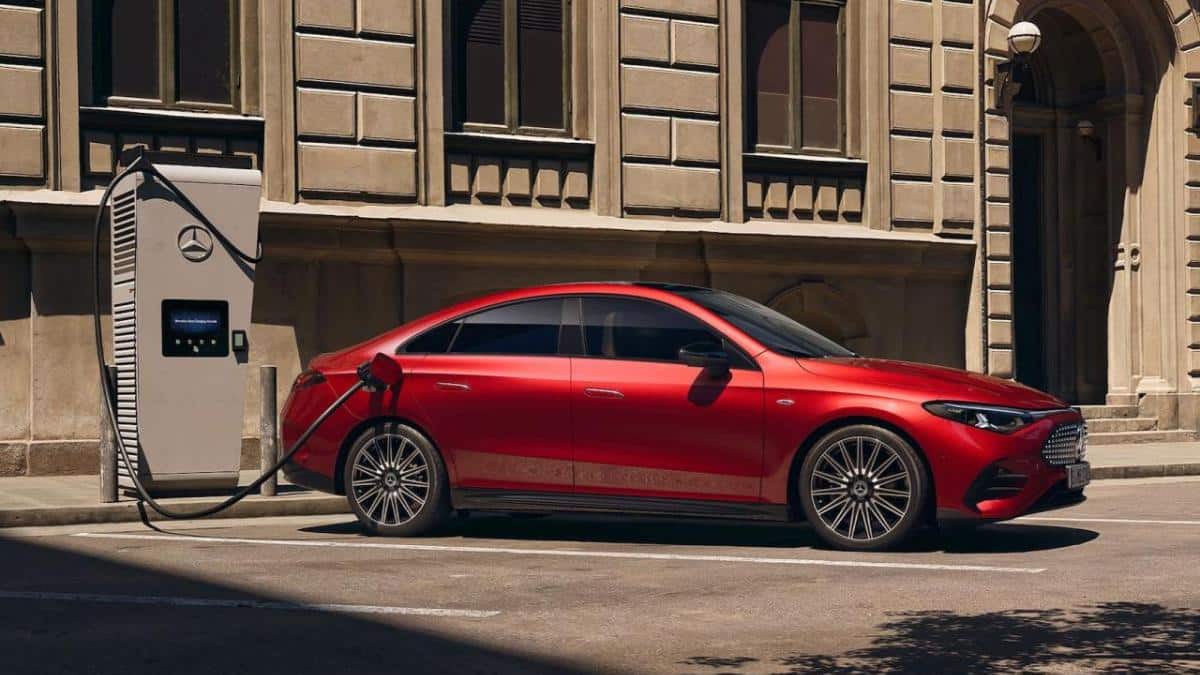
Mercedes-Benz Lines Up 12 New India Launches, All-New CLA EV With 792 Km Range To Lead 2026 Push

Mercedes-Benz has announced an aggressive product offensive for the Indian market in 2026, with plans to introduce as many as 12 new models over the course of the year. The launch calendar will kick off with updated editions of the EQS and the GLS Maybach, while the spotlight will firmly be on the all-new CLA, which will serve as the brand’s headline launch for India. The new CLA will also be followed by several other key models as Mercedes-Benz looks to refresh and expand its portfolio across segments. New CLA To Lead The Electric Push The all-new CLA is set to become Mercedes-Benz’s most strategically important launch for India, particularly in the luxury electric vehicle space. The model will arrive first as an electric sedan, and its biggest talking point will be its claimed driving range. The new-generation CLA is expected to deliver a range of over 700 km and close to 800 km on a single charge, a figure that is virtually unheard of in this segment. This impressive range will be made possible by Mercedes-Benz’s new flexible platform and next-generation technology focused heavily on efficiency. The CLA will use an 85 kWh NMC battery pack, which is claimed to offer a range of up to 792 km. The sedan will also feature a more aerodynamic design, further enhancing energy efficiency. India-spec versions will receive certain changes, including revisions to ground clearance, to better suit local road conditions. More Luxury, More Performance On The Way Beyond the CLA, Mercedes-Benz is also preparing to introduce the G-Class Cabriolet to the Indian market. The company is expected to bring in additional top-end luxury models as well, including a fresh set of AMG performance offerings. The German luxury carmaker is now increasingly focusing on the high-end segment, as demand for its premium and ultra-luxury vehicles continues to show steady growth in India. Sales Snapshot And Market Position Mercedes-Benz sold 19,007 units in 2025, compared to 19,565 units in 2024, reflecting a marginal year-on-year decline. Rival BMW is steadily narrowing the gap in overall sales, intensifying competition in the luxury car segment. Despite this, Mercedes-Benz continues to hold its position as India’s largest luxury carmaker in terms of both dealership network and overall sales volume. The brand’s E-Class remains the best-selling luxury car in the country, underlining Mercedes-Benz’s stronghold in the executive sedan segment. Looking ahead, the company’s upcoming product wave, led by the all-new CLA, will play a crucial role in boosting its electric vehicle footprint and strengthening its leadership in the luxury EV market in India.