Language Settings
Select Website Language
newshunt
newshunt

Filters

Channels
Topics
Other Filters

AIIMS Leads India’s First National Summit To Fast-Track Cervical Cancer Elimination

In a landmark step toward tackling one of the country’s most preventable yet deadly cancers, the All India Institute of Medical Sciences (AIIMS), New Delhi has convened India’s first National Summit on the Elimination of Cervical Cancer. The three-day gathering, held in January 2026, marked a decisive shift from policy intent to coordinated action, firmly placing cervical cancer elimination at the center of India’s public health priorities. The summit brought together a powerful coalition, officials from the Ministry of Health and Family Welfare, National Health Mission (NHM), NITI Aayog, state health departments, leading cancer institutions, global agencies, clinicians, researchers, patient advocates, technology partners, and the media, underscoring a shared resolve to accelerate progress nationwide. From Vision To Implementation: The Three Pillars Of Elimination Organised by AIIMS’ Departments of Radiation Oncology, Surgical Oncology, and Onco-Anaesthesia & Palliative Medicine at DRBRAIRCH, the summit focused squarely on three interconnected pillars critical to elimination: Prevention Through HPV vaccination Early detection via high-performance HPV DNA–based screening, including self-sampling Timely and equitable treatment, supported by streamlined national care pathways Discussions centred on moving beyond fragmented efforts toward a unified, end-to-end approach that ensures women are not lost between screening, diagnosis, and treatment. Government Reaffirms Commitment To A Preventable Goal Opening the summit, Ms. Aradhana Patnaik, Additional Secretary and Managing Director, NHM, Ministry of Health & Family Welfare, reiterated the Government of India’s firm commitment to eliminating cervical cancer as a public health problem. She emphasised the urgency of expanding HPV vaccination and strengthening screening at every level of the health system, particularly through HPV DNA testing. With clearer operational protocols, stronger systems, and sustained partnerships across states, she noted, India can protect millions of women from a disease that is both preventable and treatable. Evidence, Scale, And Speed: The Road Ahead Highlighting the need for implementation models grounded in evidence, Prof. (Dr.) V.K. Paul, Member (Health), NITI Aayog, called for rapid pilot projects to demonstrate how HPV DNA screening and self-sampling can work at scale, especially within primary healthcare settings. Such pilots, he stressed, will be crucial in shaping a national framework that delivers accurate diagnostics, timely follow-up, and seamless care to women across geographies. Adding to the policy perspective, Shri Vijay Nehra, Joint Secretary, Ministry of Health and Family Welfare, outlined the government’s broader roadmap to strengthen cancer care delivery and reduce regional disparities in access to treatment. Breaking Silos In Cancer Care For clinicians on the frontlines, the message was clear: cervical cancer cannot be addressed in isolation. Dr. Abhishek Shankar, Assistant Professor, Department of Radiation Oncology, AIIMS, highlighted the importance of bringing government, healthcare providers, innovators, and patient advocates to the same table. The summit, he noted, is designed to translate dialogue into actionable recommendations that can guide India’s national roadmap toward elimination. Why The Urgency Matters Cervical cancer continues to claim hundreds of thousands of lives globally each year, despite being one of the most preventable forms of cancer. In India, screening coverage remains far below global benchmarks, leaving millions of women vulnerable to late diagnosis and avoidable deaths. The summit aligned India’s strategy with the World Health Organization’s 90-70-90 targets, calling for high vaccination coverage, widespread screening among women in midlife, and comprehensive treatment for those diagnosed. Achieving these benchmarks, experts agreed, is not just a health imperative but a moral one. Technology, Trust, And Access Representing the diagnostics sector, Mr. Vaibhav Kohli, Head – Marketing, Access & Commercial Excellence, Roche Diagnostics India and Neighbouring Markets, underscored the role of accurate, accessible screening tools in closing detection gaps, particularly for women in remote and underserved areas. The summit also spotlighted the need for national standard operating procedures, hub-and-spoke care models, and stronger referral systems to ensure quality and continuity of care from the first test to treatment completion. A Collective Call To Action With participation from more than 500 stakeholders, including representatives from AIIMS campuses nationwide, WHO, UNICEF, ICMR, civil society organisations, and industry partners, the summit concluded with a National Call to Action. The roadmap prioritises pilot projects for HPV DNA screening and self-sampling, expanded vaccination coverage, and integrated care pathways that leave no woman behind.

‘Resign Or Be Terminated’: Noida Startup Fires Employee For Refusing To Work On Weekend

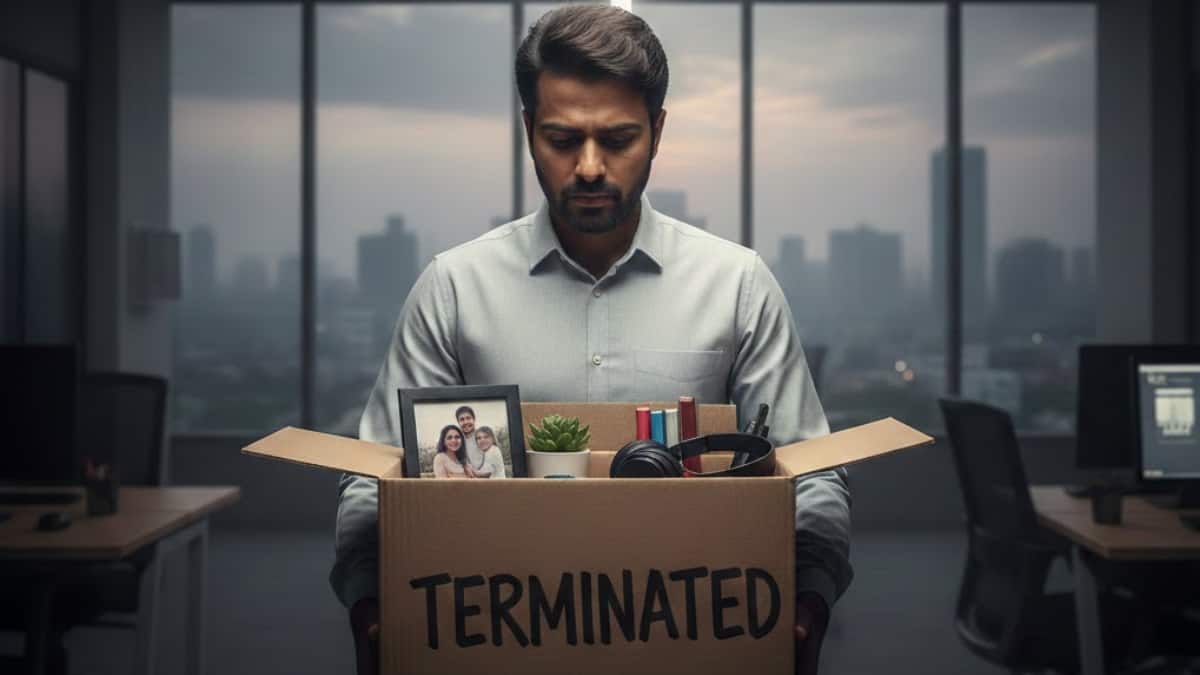
An employee with 12 years of experience claims they were fired by a Noida-based startup after refusing to work on a weekend. The employee, in a post on Reddit, highlighted what they described as workplace toxicity, adding that they were given an option to either resign or be terminated since they were still on probation. The employee had joined the company just two months ago to handle US e-commerce operations. ‘Resign Or Be Terminated’: Noida Company Tells Employee “Got fired for not working on the weekend,” read the title of the Reddit post shared by the user “One-Development3675”.  In the Reddit post, the employee explained that within a month of joining the four-year-old startup, the company hired another employee at a similar senior level for a different marketplace. Management later informed them that the new hire would lead both teams. “He restructured the sales plan and increased targets despite the current business constraints,” the employee claimed, adding that they raised concerns with the senior management, but to no avail.  They added, “I raised concerns directly with the founders, explaining that these targets were unrealistic, but they declined and stated they trusted his judgment.” The employee further alleged that the new hire began micromanaging their work and frequently required them to work beyond regular hours and on weekends. When they informed their boss one weekend that they were unwell and would not be working, it reportedly resulted in their termination. “Last Saturday, I informed him that I was unwell and would not be working. When I reported to the office on Monday, I was asked to leave for poor performance. They asked me to resign, or they would terminate me as I was on probation,” the employee claimed.  “One-Development3675” said that they live in a rented accommodation and have a family dependent on them.  ‘Victim Of Office Politics,’ Say Social Media Users The post, as expected, resonated with a lot of working professionals who upvoted it. Many even shared comments on the post.  “You should not work for a startup if you have dependents. It's too risky. If your expenses are low enough that you can afford 3-4x your notice period worth of liquid money, then only it makes sense,” suggested a Reddit user.  Another said, “Does this probation thing apply to folks even after 10+ years of experience. I thought it was a thing for freshers and new hires. What does it mean? You can be let go anytime?” “You were a victim of office politics,” commented a third.  A fourth wrote, “Don't join a startup unless you have known contacts in the startup. They don't operate by any rule book.”  

Reheated Rice And Food Poisoning: What You Need To Know

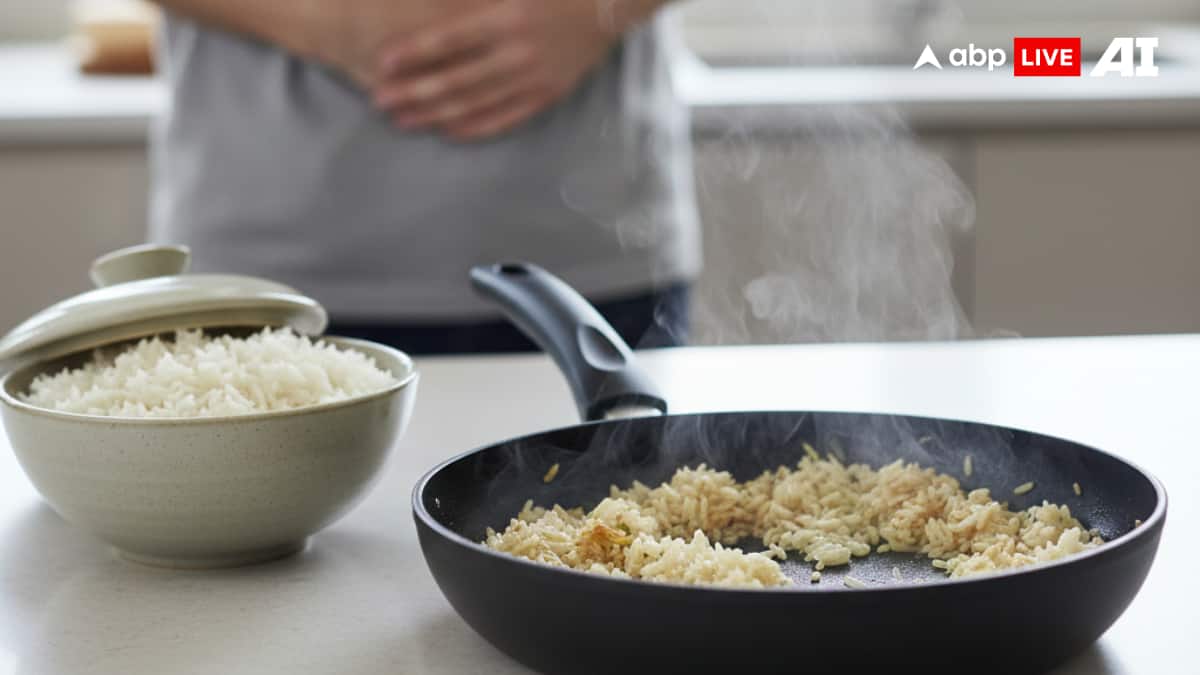
(By Simrat Kathuria) Now, rice is among those items that are reheated frequently, besides being one of the most-cooked items in Indian kitchens. Reheating the leftovers of food items is a very usual practice, but a small secret related to food safety is that, in the case of rice, not everyone is aware of. Depending on the storage and reheating conditions, the rice may spoil and cause food poisoning; one of the bacteria responsible for this food poisoning is known as Bacillus cereus. ALSO READ: Skipping Meals, Ordering In: Know How Irregular Eating Habits Damage Gut Health How Rice Can Be Unsafe?  Unprepared rice has Bacillus cereus spores, one of the bacteria that make this heat-resistant bacterium naturally found on Earth. People usually think that all bacteria are killed by cooking, but the spores can survive the high temperature.  However, if rice stays at a high temperature for too long without cooling, then all the spores may turn into bacteria and multiply rapidly. Along with multiplying, they will also produce toxins. Symptoms Of Rice-Related Food Poisoning Symptoms of rice-related food poisoning usually occur within 1 to 6 hours of ingesting the contaminated rice.  Nausea and vomiting Diarrhoea Abdominal cramps Mild fever or weakness Most of the time, the cases are mild, lasting less than 24 hours, but children, pregnant women, elderly people, and those with poor immunity are at greater risk. When Reheated Rice Is Safe The issue is not with reheated rice but with its poor storage. Rice can be reheated safely if: Cooling after cooking was performed quickly (under 1-2 hours), Refrigerator storage was below 5 °C, The rice was kept for no longer than 24 hours, Reheating was done only once, and the rice was eaten immediately. Tips For Safe Storage And Reheating To reduce risk: Refrigerate cooked rice within an hour, especially in summer. Use a sealed container to keep rice in the refrigerator. Do not reheat rice more than once. In itself, reheated rice is not dangerous; only the wrong handling makes it so. The perfect combination of heat-resistant bacterial spores, warm storage conditions, and delayed refrigeration triggers the production of toxins. Food safety is not about fear; it is about awareness. Proper storage, along with proper cooking techniques and one’s knowledge about this wonderful staple, can help one enjoy it without fear. Simrat Kathuria is Celebrity Dietician & Wellness Coach [Disclaimer: The information provided in the article is shared by experts and is intended for general informational purposes only. It is not a substitute for professional medical advice, diagnosis, or treatment. Always seek the advice of your physician or other qualified healthcare provider with any questions you may have regarding a medical condition.]

Matchmaker Roasts Bengaluru Woman’s ‘No Bengalis, Biharis’ Checklist For Groom; Gets Reality Check

A matchmaker’s post about a Bengaluru woman earning over ₹60 lakh per annum has gone viral on social media, and for all the wrong reasons. The 32-year-old woman, according to the matchmaker, treated him like a “real estate agent” who should find her a “Vastu-compliant property deal”. Ayushmaan Kapoor, founder of The Date Crew, said the woman wanted to see the “best options first” and would “cancel” a match if a profile failed to tick even one box. He added that she appeared to be looking for someone she could “parade at Diwali parties”. However, the Internet was quick to defend the woman. Many users questioned the criticism, asking, “But wasn’t this how matchmaking has always functioned?” ‘This Isn’t MagicBricks’: Delhi Matchmaker “Some people think matchmakers are like real estate brokers. A woman who is 32, makes 60+ LPA, from Bangalore came to us,” said Kapoor in a long LinkedIn post. He added that when his team showed her potential matches, she presented a strict checklist, saying, “No Bengalis, Haryanavi, Bihari or UP - please. Only from Bangalore - try for the HSR area, we can look at Mumbai/Delhi profiles later. Let’s keep the compromise ones for later.” Kapoor said that going through her checklist felt like browsing flats on MagicBricks. “Someone who fits her budget, location, cultural Vastu, and mental floor plan. Looks good on paper, makes her friends jealous, and doesn’t talk too much.” He added that she was rejecting matches left and right, even over minor inconveniences.  Furious at this, Kapoor said that the matchmakers are not “local property dealers” and that “people are not listing”. “And no, there’s no secret drawer where we’re hiding the ‘perfect’ options.” “So if you’re still approaching this like a negotiation, maybe you’re not looking for a partner. Maybe you’re just looking for a profile to parade at Diwali parties,” he went on to say, before stressing, “This isn’t MagicBricks. It’s real life. Start treating it like that.” ‘Wasn’t This How Matchmaking Has Always Functioned?’ Asks Internet The post, however, did not sit well with many internet users, who gave Kapoor a reality check, pointing out that arranged marriages have worked this way for generations and that matchmakers have traditionally operated by checking and matching the preferences of both parties. “‘People are not listings’. But, that's what marriage websites do. List people - age, salary, hobbies, or whatever. What's wrong if a woman is clear in her mind about the life partner she wants? A website's job is to fill customer requirements - if it doesn't, then the customer finds another that does. At the end of the day it's a business trying to make money, not a best friend trying to find her friend a soulmate!” said a LinkedIn user in a woman’s defence. Another added, “But wasn’t this how matchmaking has always functioned? First, the girl is selected based on wealth (of the girl's father), skin tone, caste, etc. Only when these boxes are checked do the real discussions happen.” “I don’t endorse this, but marriage has always been looked at as a trade. A barter of sorts, which pleases both parties. So in that pov, this woman doesn't seem to be doing anything different,” said a third.  A fourth posted, “People have checklists even to fall in love and form a relationship. If you look deeply into it, nothing really ever worked without a checklist. How objective they are could be a different debate, but checklists always do exist. And we are hardly trained to fall for the character and integrity of a person. For us, it is always the exterior. We are not a community in general where people have a good degree of self-awareness.” “Isn’t that what AM has been for generations? A transaction and choosing the best option? Both men and women do it, I am surprised that you are surprised that a woman did it,” a fifth said. 

‘Rs 1.2 Lakh, 3 Years Experience’: Home Ministry’s Hiring Post Goes Viral

A hiring post linked to the Ministry of Home Affairs (MHA) has gone viral on LinkedIn, attracting widespread attention for its high salary and role requirements. The post advertises a Social Media Manager position at the Indian Cyber Crime Coordination Centre (I4C) in Delhi, offering a salary of Rs 1.2 lakh per month for candidates with just three years of experience. While the position appears highly attractive on paper, several LinkedIn users have raised questions about the unusually high compensation for the experience level and the use of a Google Form for applications. ‘Rs 1.2 Lakh, 3 Years Experience’ “Location: Delhi, Role: Full-time on-site, Experience: 3 years, Salary: Rs.1,20,000 per month. We are hiring a Social Media Manager to join our team on a contract basis for Indian Cyber Crime Coordination Centre I4c,” read the job posting shared by Purkhaa Tak, Head of social media at I4C.  In the next few lines, she outlined the basic details of the role and described the skills and qualifications expected from applicants.“The person should have hands-on experience with platform management across Instagram, X, LinkedIn, YouTube and emerging platforms, basic design and writing skills, an understanding of ads, SEO fundamentals, and the ability to handle crises calmly and intelligently,” it added According to the listing, candidates are required to apply through a Google Form, which will be used to shortlist applicants.  The Google Form ask the applicants to provide basic personal details such as full name and email address, along with a 15-word pitch explaining why they are suitable for the role. It also includes several questions designed to assess a candidate’s skills and provides an option to upload a CV. Here’s How LinkedIn Users Reacted To This Post: The post has taken off on LinkedIn, mainly because of the high salary attached to a role requiring just three years of experience. While many reacted to it, some even reposted it for better reach. A few even flocked to the comments section of the post to share their thoughts.  “I’m sorry to say you are head of social media and your own likes are very low. You have more than 1 lac followers,” read one comment. 

Why Glaucoma Often Goes Unnoticed Until Vision Is Lost? Know The Reason Here

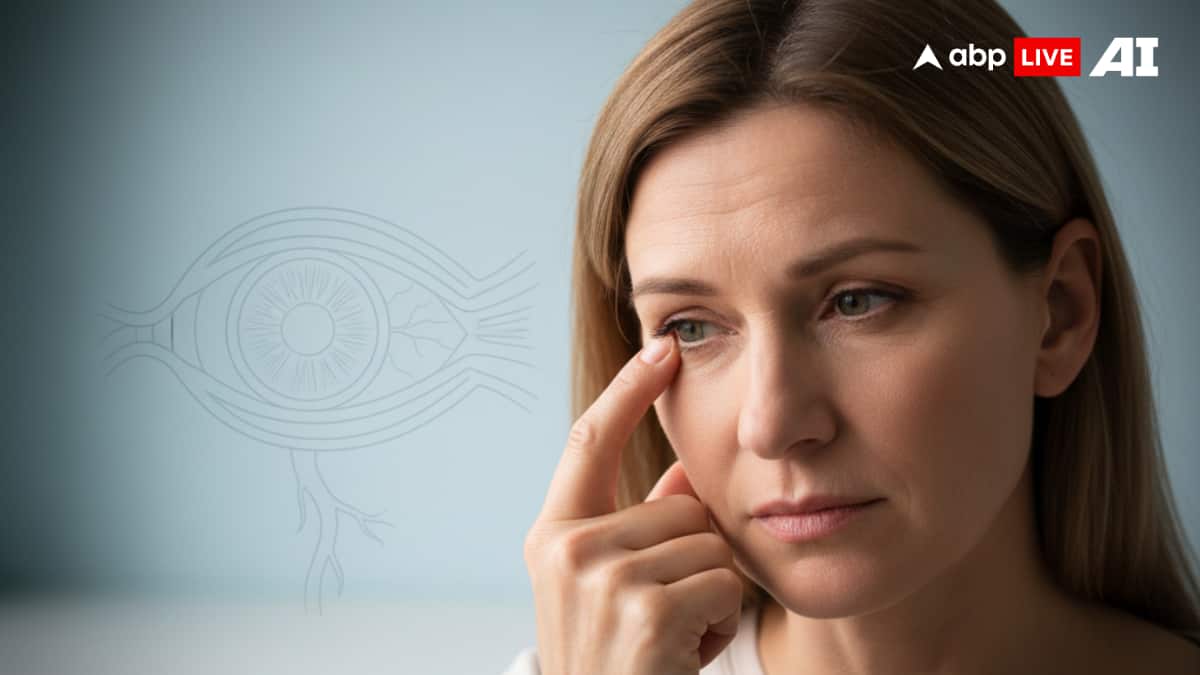
(Dr. Rita Dash) Glaucoma has a reputation as the "silent thief of sight," and for good reason. It is one of the leading causes of irreversible blindness worldwide, yet a large proportion of patients remain unaware of the disease until there is already significant and permanent vision loss. Understanding why glaucoma escapes early detection is critical for improving public awareness and preventing avoidable blindness. ALSO READ: Hate The Taste, Love The Benefits: Know Why Bitter Gourd Deserves A Regular Place In Your Diet The Quiet Progression Of Open-Angle Glaucoma The most common form, primary open-angle glaucoma, progresses insidiously. In its early and even moderate stages, glaucoma typically causes no pain, no redness, and no obvious visual symptoms. Central vision, which people rely on for reading, recognizing faces, and daily tasks, is preserved until late in the disease. Instead, glaucoma initially damages peripheral (side) vision, which the brain compensates for remarkably well. As a result, patients continue to function normally and do not perceive any deficit until the visual field loss becomes advanced. Slow Damage, Strong Adaptation Another important reason why glaucoma is not easily noticed is the slow pace of the disease. The loss of the retinal ganglion cells and the damage to the optic nerve occur over many years. The slowness of this tempo enables the patient to adapt subconsciously, which they would not do in the case of sudden loss of vision that would raise concerns for immediate medical help. In fact, by the time patients notice that they are having a problem navigating or bumping into objects while walking or their vision has dimmed in poor light, significant optic nerve damage has already taken place. The Myth Of 'High Eye Pressure' IOP, the most important modifiable risk factor for glaucoma, is a contributor to diagnostic confusion. Many patients feel that glaucoma occurs only with "high eye pressure," and yet up to 30–40% of patients, especially in Asian and Indian populations, have normal-tension glaucoma. The latter may be falsely reassured during opportunistic eye checks, if IOP alone is measured without optic disc and visual field assessment. Why Routine Screening Is Often Missed Lack of routine screening has further contributed to delayed diagnosis. Unlike cataract, which presents early with blurring of vision, the diagnosis of glaucoma requires proactive detection by comprehensive eye examination including optic nerve assessment, visual field, and OCT. Unfortunately, glaucoma screening is not widely practiced, and awareness is poor, particularly in developing countries. Who Is At Higher Risk? Certain high-risk groups include people over 40 years, people with diabetes, hypertension, high myopia, steroid use, and a family history of glaucoma. These are particularly vulnerable. Yet many people remain unscreened due to the absence of symptoms and misconceptions about eye health. Early Detection Can Save Vision The tragedy of glaucoma is that vision loss is irreversible, but its progression can be markedly slowed if it is detected early. If diagnosed early and treated promptly with medications, laser, or surgery, functional vision can be preserved for a lifetime. It is a painless, slowly progressive process that spares central vision until late and requires targeted screening for detection. Public education, routine eye examinations after the age of 40 years, and focused screening of high-risk individuals are also essential in the fight against this silent cause of blindness. Dr. Rita Dash is the Senior Consultant - Ophthalmology at Manipal Hospital, Bhubaneshwar [Disclaimer: The information provided in the article is shared by experts and is intended for general informational purposes only. It is not a substitute for professional medical advice, diagnosis, or treatment. Always seek the advice of your physician or other qualified healthcare provider with any questions you may have regarding a medical condition.]

Hate The Taste, Love The Benefits: Know Why Bitter Gourd Deserves A Regular Place In Your Diet

Often avoided because of its sharp, bitter flavour, bitter gourd, popularly known as karela, is one of the most powerful vegetables you can include in a healthy diet. Despite its taste, bitter gourd is packed with medicinal properties and has been valued for centuries in traditional healing systems. Whether consumed as food, juice, or even applied externally, bitter gourd offers a wide range of health and skin benefits that make it truly worth adding to your daily routine. ALSO READ: Morning Vs Evening Exercise: Choosing The Right Time To Work Out For Better Health Supports Gut Health And Detoxification A healthy digestive system begins with clean intestines. When waste is not properly eliminated over time, harmful bacteria and intestinal worms can develop, leading to poor appetite, frequent bowel movements, and reduced nutrient absorption. Bitter gourd helps detoxify the intestines and supports better digestion. It can be consumed in the form of juice or salad for gut cleansing. To reduce its bitterness, you can sprinkle salt over sliced karela and leave it for a few hours. This allows it to release excess water and significantly reduces the bitter taste, making it easier to consume. Excellent For Skin Health Frequent acne, pimples, and skin irritation often indicate impurities in the blood. Regular consumption of bitter gourd juice helps cleanse the blood, which in turn improves skin clarity and brings a natural glow to the face. It also provides relief from itching and dryness. Bitter gourd addresses the root causes of many skin problems rather than just the symptoms. By restoring the body’s natural healing ability, it helps maintain healthier, clearer skin over time. Beneficial For Breastfeeding Mothers Bitter gourd is also considered beneficial for breastfeeding women, as it is believed to stimulate the production of milk-forming hormones in the body. However, it is important that lactating mothers consume karela only after consulting a doctor or healthcare expert. When applied externally as a paste, bitter gourd works like a natural medicine for wounds. It helps speed up healing, reduces inflammation, and prevents infections, making it effective for minor cuts and skin injuries. [Disclaimer: The information provided in the article is intended for general informational purposes only. It is not a substitute for professional medical advice, diagnosis, or treatment. Always seek the advice of your physician or other qualified healthcare provider with any questions you may have regarding a medical condition.]

Discount On Tesla Model Y In India As Sales Skid

The Tesla entry to India went off to a sluggish start, and now there are discounts being offered on select unsold inventory of 2025 cars. This discount is for the Standard Range variant, which is priced under Rs 60 lakh. Tesla in December sold only 68 units, which is below BYD and BMW in India. While Tesla secured a number of bookings, some buyers backed out, leading to discounts on some unsold cars. Tesla in India has had a slow start with a single imported Model Y, which has attracted a high level of duties, creating a price gap between it and rivals like BYD and BMW. The number of Tesla showrooms is also limited, although it is steadily increasing, which will in turn boost sales. Challenges And Market Performance Tesla’s India entry was plagued by numerous delays, and the carmaker finally started its operations in India with experience centres in a few cities. These discounts, however, are limited to a certain number of unsold inventory. Overall, the Tesla Model Y competes with the likes of the BMW iX1 LWB and the BYD Sealion 7. Having driven the Tesla Model Y, we were impressed with the car but felt it was too expensive given that its rivals are priced lower. In CY 2025, over 200 cars have been sold by Tesla in India, which is well below sales expectations. Globally too, Tesla sales have been under pressure, notably from BYD. With ex-Lamborghini India CEO Sharad Agarwal now steering operations in India, a turnaround is expected, although Tesla will need to bring newer products and find a way to lower prices compared to rivals.

What is ocean’s ‘lake of death’? What happens when marine life enters one of deadliest underwater spots

Brine pools, extremely salty, oxygen-free underwater lakes, are lethal to most marine life but teem with resilient microbes. Found mainly in the Red Sea, Mediterranean, and Gulf of Mexico, they create sharp boundaries, trap prey, and preserve sediments like natural time capsules. Studying them offers insights into early Earth conditions, extreme ecosystems, and potential medical applications from unique microbial life.