These terms and conditions apply to the News Hunt app (hereby referred to as "Application") for mobile devices that was created by (hereby referred to as "Service Provider") as an Ad Supported service.
Upon downloading or utilizing the Application, you are automatically agreeing to the following terms. It is strongly advised that you thoroughly read and understand these terms prior to using the Application. Unauthorized copying or modification of the Application, any part of the Application, or our trademarks is strictly prohibited. Any attempts to extract the source code, translate the Application into other languages, or create derivative versions are not permitted. All intellectual property rights remain the property of the Service Provider.
The Service Provider is dedicated to ensuring the Application is as beneficial and efficient as possible. They reserve the right to modify the Application or charge for services at any time and for any reason. Any such charges will be clearly communicated.
The Application stores and processes personal data provided by you. You are responsible for maintaining the security of your device and access to the Application. Jailbreaking or rooting your device is strongly discouraged as it may compromise security and application performance.
Third-Party Services
The Application uses third-party services that have their own Terms and Conditions. Refer to the following links:
Google Play Services
AdMob
Google Analytics for Firebase
Firebase Crashlytics
Limitations and Responsibilities
Some Application functions require an internet connection (Wi-Fi or mobile data). The Service Provider is not responsible if the Application does not function fully due to lack of access or depleted data. If using the Application outside a Wi-Fi area, you accept responsibility for any charges incurred, including roaming fees. If you are not the bill payer, it is assumed you have obtained permission.
It is your responsibility to keep your device charged. The Service Provider is not responsible if the device is unavailable due to a drained battery.
While the Service Provider strives to keep the Application updated and accurate, they rely on third-party data and do not accept liability for losses caused by reliance on Application functionality.
Updates and Termination
The Application may be updated to remain compatible with the operating system. You agree to install updates as offered. The Service Provider may discontinue the Application at any time without notice. Upon termination:
Rights and licenses granted to you will end.
You must stop using the Application and delete it from your device.
Changes to These Terms and Conditions
The Service Provider may update these Terms and Conditions periodically. Please review this page regularly. Changes will be posted on this page.
Effective Date: 2025-05-19
Contact Us
If you have questions or suggestions about the Terms and Conditions, contact the Service Provider at: 📧 info@infinitietech.com
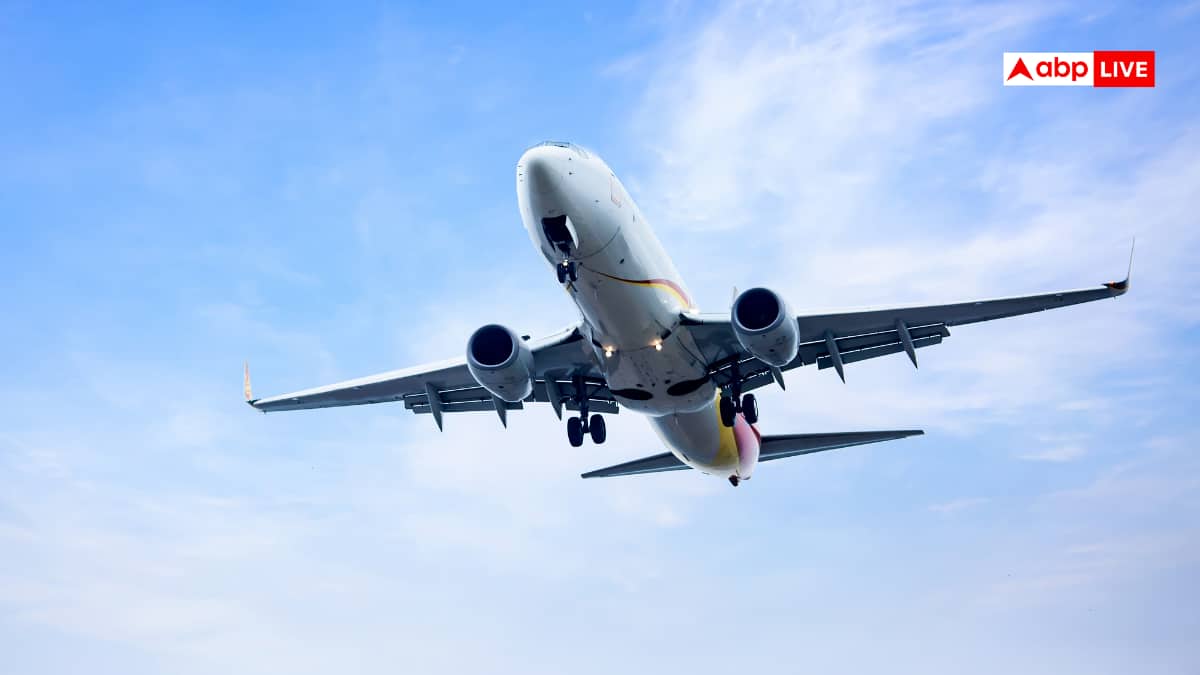
A flight ticket that appears to cost Rs 4,999 during an online search can often end up costing Rs 8,000-Rs 9,000 by the time payment is completed.
Additional charges for seat selection, baggage, meals and convenience fees are among the factors that increase the final fare. The issue has now reached the Supreme Court, which has directed the Centre to submit the proposed aviation rules within two weeks, irrespective of whether they have been tabled in Parliament.
Why Cheap Airfares Often Don't Stay Cheap
Airlines no longer rely solely on ticket sales for revenue.
Many carriers sell a limited number of seats below their average cost to attract price-sensitive customers. These low fares are prominently displayed in advertisements and search results.
A significant share of airline earnings now comes from ancillary revenue, charges for services such as baggage, seat selection, meals and priority boarding. Globally, these additional services account for around 14 to 16 per cent of airlines' total revenue.
How The Final Fare Increases
Search And Booking: Passengers are initially shown the base fare. As they proceed to the payment page, taxes, fuel charges and airport fees are added.
Travel booking platforms also levy convenience fees, typically ranging from Rs 149 to Rs 499 per passenger on major portals. This amount is retained by the booking platform and does not go to the airline.
Seat Selection: Passengers who choose window seats or preferred seats generally pay between Rs 300 and Rs 800 per flight. Seats with extra legroom are priced even higher.
Families wishing to sit together often have to pay separately for each member.
Baggage Charges: Baggage policies have become one of the biggest points of contention.
According to the petition before the Supreme Court, private airlines have reduced the free checked baggage allowance for economy-class passengers from 25 kg to 15 kg without any substantial justification.
Passengers exceeding the permitted baggage limit on domestic flights are typically charged between Rs 400 and Rs 750 per kilogram.
Cancellation And Changes: Flight cancellations generally attract charges ranging from Rs 2,500 to Rs 3,500, which in many cases are equivalent to the price of a discounted ticket.
Understanding 'Dark Patterns'
The government has acknowledged that booking platforms use techniques that can mislead consumers.
In November 2023, the Central Consumer Protection Authority (CCPA) prohibited 13 categories of "dark patterns", including false urgency, basket sneaking, confirm shaming and drip pricing.
False urgency involves displaying messages such as "Only two seats left" to pressure customers into making immediate bookings.
Basket sneaking refers to adding services such as insurance or meals to a customer's cart without explicit consent.
Drip pricing involves revealing the full cost only at the final stage of payment.
Surveys Highlight Consumer Concerns
A survey by LocalCircles found that 62 per cent of consumers had repeatedly encountered hidden charges while booking flights that were not disclosed upfront.
Another 40 per cent said services had been added to their carts without their consent.
Complaints also increased during IndiGo's operational disruption in December 2025, when more than 5,000 flights were cancelled over a week.
Although the airline announced free cancellations and full refunds, several passengers said the cancellation option on the app was unavailable and only the option to change travel dates was displayed.
Why Airfares Keep Changing
Airfares in India have been market-driven since the repeal of the Air Corporations Act in 1994.
The government neither fixes nor regulates ticket prices.
Airlines sell tickets across multiple fare buckets, known as Reservation Booking Designators (RBDs). The cheapest fare bucket is sold first, and prices increase as seats are booked and the inventory shifts to higher-priced buckets.
This is why fares often rise sharply during festivals and long weekends.
The Supreme Court also cited an example where one airline charged Rs 8,000 for an economy seat on a particular route while another charged Rs 18,000 for the same route on the same day.
What Has Happened In The Supreme Court?
The matter stems from a public interest litigation filed by social activist S. Lakshminarayanan.
In November, the Supreme Court sought responses from the Centre and other stakeholders.
The petition seeks the creation of an independent regulator to ensure fare transparency and safeguard passenger interests.
The court has previously described steep airfare increases as "exploitation".
The petition argues that no authority currently has the power to review or cap airfares or additional charges, allowing airlines to impose hidden fees and adopt unpredictable pricing practices.
A Bench of Justice Vikram Nath and Justice Sandeep Mehta recently asked the Centre why there had been a delay in notifying the new aviation rules.
The Centre informed the court that the draft rules under the Bharatiya Vayuyan Adhiniyam, 2024, had been finalised and were being translated before being placed before both Houses of Parliament for 30 days.
According to the government, the rules will be tabled during the Monsoon Session of Parliament, scheduled from July 20 to August 13.
The court, however, directed the Centre to submit a sealed copy of the proposed rules within two weeks, regardless of whether they had been placed before Parliament.
The next hearing has been scheduled for August 3.
During the hearing, the petitioner's counsel argued that airlines are too powerful and that an independent regulator, rather than only a bureaucratic framework, is required.
What Could Change?
Attention is now focused on the rules under the Bharatiya Vayuyan Adhiniyam, 2024.
If they establish a robust mechanism to monitor airfare and additional charges, they could mark the most significant regulatory change in India's aviation sector since 1994.
Until then, passengers are advised to carefully review every charge before completing a booking, remove any services automatically added to the cart, and remember that the lowest fare displayed at the beginning of the booking process is often not the final amount payable.