Language Settings
Select Website Language
newshunt
newshunt

Filters

Channels
Topics
Other Filters

Sam Neill's Death Brings Rare Blood Cancer Into Focus; What Is AITL And It’s Symptoms

The public's interest in angioimmunoblastic T-cell lymphoma (AITL), a rare and dangerous form of blood cancer that New Zealand actor Sam Neill, best known for his appearances in Jurassic Park and The Piano, publicly announced in 2023, has increased after his passing. Although no official cause of death has been disclosed, Neill's family acknowledged that he passed away unexpectedly at the age of 78 and that he did not have cancer prior to his passing. His death has once again brought attention to a condition that, despite its seriousness, many people are still unaware of. ALSO READ |What Happens If You Spend 10 Minutes In The Morning Sun Every Day? Understanding This Rare Form Of Lymphoma The American Cancer Society states that angioimmunoblastic T-cell lymphoma (AITL) is an uncommon and aggressive subtype of peripheral T-cell lymphoma, a type of non-Hodgkin lymphoma that arises in T lymphocytes, which are white blood cells that aid in the fight against infections. Patients are frequently more susceptible to infections and other problems since the illness affects the immune system itself. According to the Leukaemia Foundation, AITL is most frequently identified in older persons and is frequently found at an advanced stage because its symptoms can match those of common viral illnesses or inflammatory diseases. Recognising The Warning Signs The fact that AITL's early symptoms are frequently ambiguous and readily missed is one of its biggest problems. The Leukemia & Lymphoma Society states that individuals may have skin rashes, persistent exhaustion, unexplained fever, drenching night sweats and swollen lymph nodes. As their immune systems deteriorate, some people may also acquire an enlarged liver or spleen or have infections frequently. Doctors advise obtaining medical attention if these symptoms persist or worsen because they are similar to many other disorders. How Doctors Confirm The Diagnosis Regular blood tests are not enough to diagnose AITL. Before doing a lymph node biopsy, which is still the most reliable way to diagnose the illness, doctors typically start with a physical examination and imaging studies. PET-CT scans, bone marrow analysis, and specialised laboratory testing are examples of further investigations that aid in identifying the precise lymphoma subtype and directing treatment choices. Neill disclosed that he was given an AITL diagnosis in 2022 after observing enlarged glands while on a promotional trip. He received CAR-T cell therapy, a cutting-edge type of immunotherapy that ultimately put his cancer into remission, after chemotherapy was unable to control the illness.  How CAR-T Cell Therapy Works A sophisticated type of immunotherapy called CAR-T (Chimeric Antigen Receptor T-cell) therapy employs the patient's own immune cells to combat cancer. Molecular Medicine Reports state that medical professionals gather T cells, genetically alter them to identify cancer cells, and then reintroduce them into the bloodstream so they can more successfully target and eliminate cancer. The treatment, which was first created for certain blood cancers, is currently being investigated for autoimmune disorders and other cancers. ALSO READ |Rajesh Sharma Hospitalised After Alleged Insect Bite: Here's When An Infection Becomes Serious Current Treatment Options And Outlook There is no known way to prevent AITL but early diagnosis can improve treatment outcomes. Experts advise seeking medical attention for persistent symptoms and advancements like CAR-T therapy continue to offer new hope for patients with this rare blood cancer. Treatment for AITL depends on the patient's age, general health and stage of the disease. For patients whose cancer has returned or does not respond to standard treatment, doctors may recommend chemotherapy, immunotherapy, targeted therapy, stem cell transplantation or CAR-T cell therapy. [Disclaimer: The information provided in the article is intended for general informational purposes only. It is not a substitute for professional medical advice, diagnosis, or treatment. Always seek the advice of your physician or other qualified healthcare provider with any questions you may have regarding a medical condition.]

This supersonic jet needed a radiation meter because it flew twice as high as commercial aircraft

The Concorde jet soared near the edge of space, requiring careful monitoring of radiation levels to ensure passenger safety. In the face of hazardous cosmic storms, pilots were mandated to descend to safer altitudes. While this supersonic aircraft typically flew above the majority of Earth's atmospheric shield, fluctuations in radiation exposure depended on several factors including altitude, geography, and solar activity. During such storms, safety took precedence over speed.

Scientists say crushing deep-ocean pressure squeezes hidden nutrients out of sinking marine snow, feeding microbes and changing what we know about Earth’s carbon cycle

Scientists have discovered that the immense pressure in the deep ocean squeezes nutrients out of sinking marine snow—tiny particles of dead algae and organic matter—providing an unexpected food source for deep-sea microbes. The findings suggest more carbon escapes into deep ocean water than previously believed, which could reshape scientists' understanding of Earth's carbon cycle and improve future climate models.

Britain bought 1,525 acres nearly lifeless farmland, now beavers are helping it make money

A farm in Lincolnshire is evolving into a lucrative wildland endeavor, with beavers playing a pivotal role in this ecological project. The initiative focuses on demonstrating that restoring nature can lead to substantial private income. Current revenue streams are generated through carbon removal and biodiversity credits, with aspirations to draw significant investments for sustainable environmental solutions.

A supernova lit up Earth’s sky in 1054 and was visible in daylight. Hubble now shows its glowing remains are still expanding nearly 1,000 years later

Astronomers used the Hubble Space Telescope to measure the expanding Crab Nebula. New images compared with older ones show gas filaments moving outwards. This ancient stellar explosion's remnant is still actively changing today. The Crab Pulsar at the center continues to power the nebula's glow. Scientists also identified previously unrecognised filament structures within the nebula.

Ahead of England ODIs, captain Gill reveals 2027 WC plans for Kohli, Rohit

India captain Shubman Gill reaffirmed that Virat Kohli and Rohit Sharma remain central to the ODI team's 2027 World Cup plans, calling them the “backbone” of India’s batting. Emphasising their experience in pressure situations, Gill said India’s settled core will stay intact while younger players are gradually integrated through opportunities in upcoming ODI series.

Chandipura Virus: Symptoms, Causes and Why Gujarat’s Latest Cases Are Raising Concern

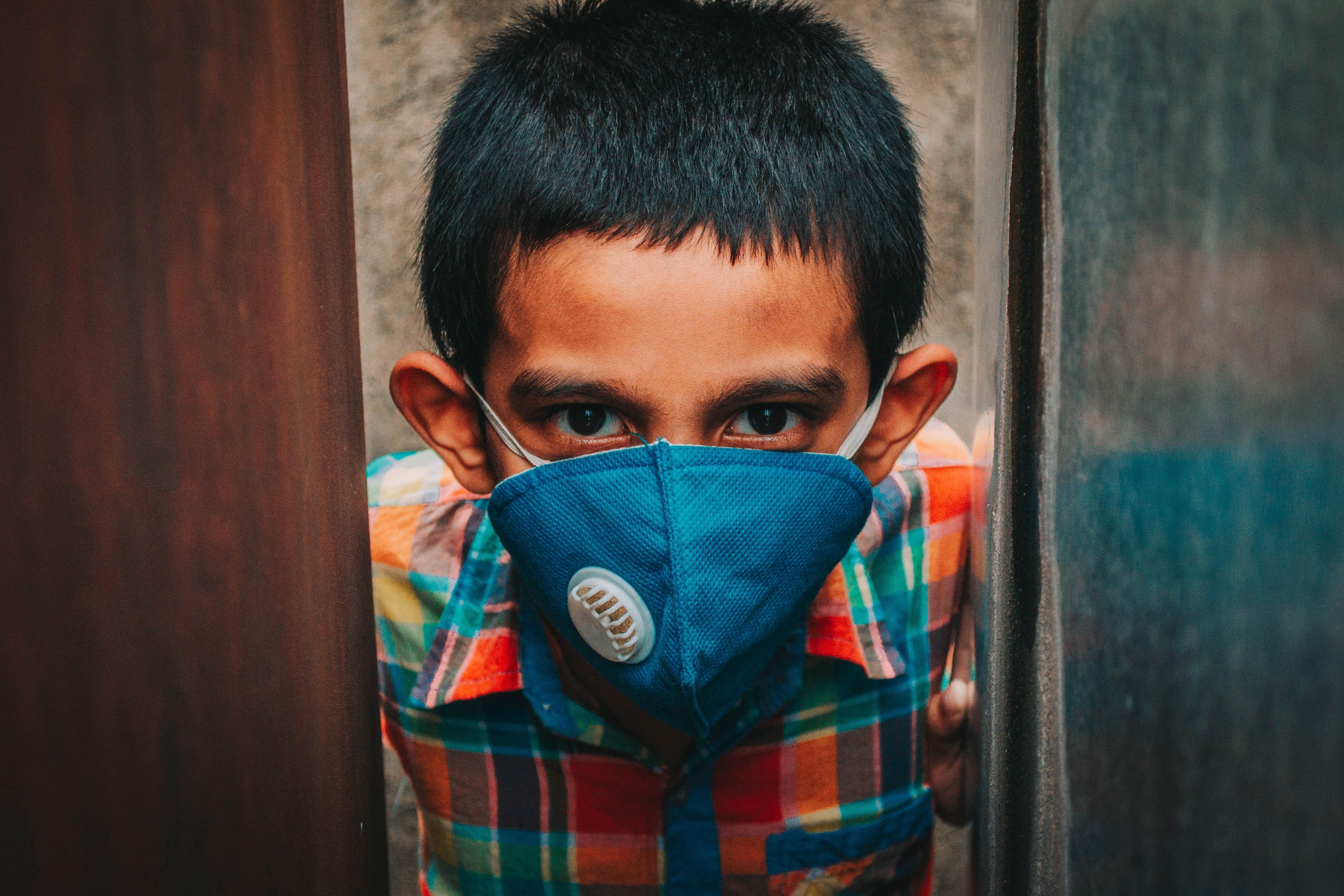
Fresh cases of the Chandipura virus in Gujarat have once again put health authorities on alert. According to reports, three children have died, prompting doctors to urge parents to stay vigilant, especially during the monsoon season. Although the virus is considered rare, it can progress rapidly in children and may affect the brain within a short span of time, making early diagnosis and treatment critical. Health experts say the infection may initially appear like a common viral fever, but in severe cases, it can quickly develop into acute encephalitis (brain inflammation), leading to life-threatening complications. Why The Virus Is More Dangerous During Monsoon The Chandipura virus is primarily transmitted through the bite of infected sandflies. According to the National Centre for Disease Control (NCDC), outbreaks have been reported in different parts of India over the years, with most cases occurring during the monsoon when sandfly activity increases. Doctors say the illness usually begins with high fever, headache, nausea, vomiting and extreme weakness. However, the condition can deteriorate rapidly as the virus attacks the brain. Children may develop persistent vomiting, seizures, confusion, unusual drowsiness, restlessness or even lose consciousness. In severe cases, patients can slip into a coma within 48 to 72 hours if they do not receive timely medical care. Because of its rapid progression, experts advise parents not to ignore high fever or sudden neurological symptoms in children. ALSO READ | Rajesh Sharma Hospitalised After Alleged Insect Bite: Here's When An Infection Becomes Serious Children Are At The Highest Risk Doctors say children below the age of 15 are the most vulnerable because their immune and nervous systems are still developing. Parents should seek immediate medical attention if a child has a fever above 101°F (38.3°C), repeated vomiting, seizures, unusual behaviour, extreme sleepiness or becomes difficult to wake. Currently, there is no specific antiviral medicine or vaccine available for Chandipura virus. Treatment mainly focuses on supportive care, such as managing fever, seizures, dehydration and other complications. Early hospitalisation significantly improves the chances of better outcomes. ALSO READ | What Happens If You Spend 10 Minutes In The Morning Sun Every Day? How To Protect Children From Chandipura Virus As there is no targeted treatment, prevention remains the best defence. Since the virus spreads through infected sandflies, reducing exposure to insect bites is essential. Parents should ensure children wear full-sleeved clothing, especially during the evening, use age-appropriate insect repellents and sleep under insecticide-treated bed nets where necessary. Keeping homes and surroundings clean, disposing of garbage properly and preventing stagnant waste or damp breeding areas can also help reduce the sandfly population. Health experts advise parents to remain alert during the rainy season and seek medical care immediately if a child develops high fever along with neurological symptoms. Early diagnosis and prompt treatment can be lifesaving. [Disclaimer: The information provided in the article is shared by experts and is intended for general informational purposes only. It is not a substitute for professional medical advice, diagnosis, or treatment. Always seek the advice of your physician or other qualified healthcare provider with any questions you may have regarding a medical condition.]

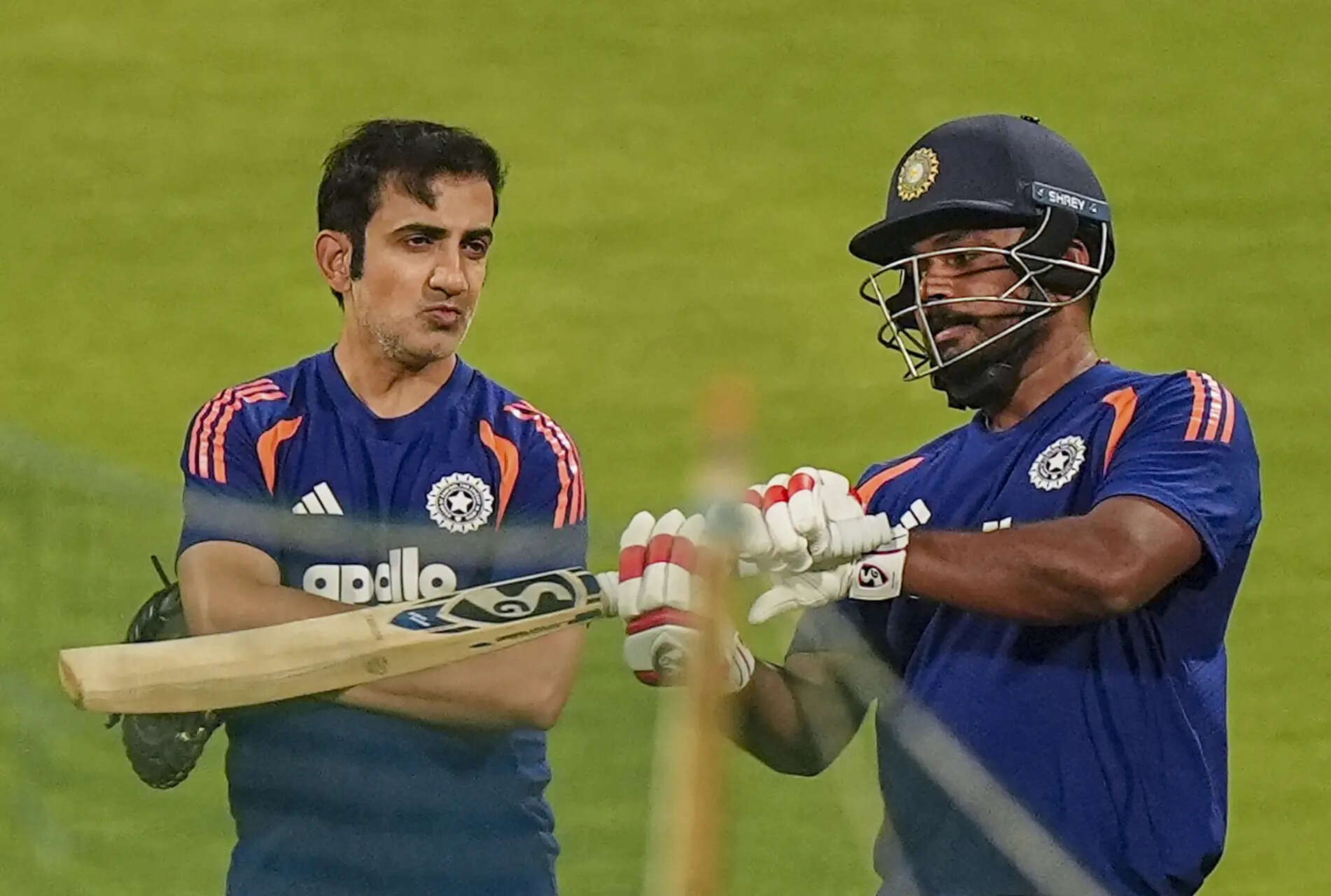
'Why the axe is always on Sanju?': Ex-chief selector blasts Gambhir-led management

MSK Prasad advised patience regarding coach Gautam Gambhir's early tenure. He noted key players Hardik Pandya and Jasprit Bumrah were absent during recent losses. Prasad stated assessing Gambhir requires a full-strength team for future matches. He also criticized the decision to drop Sanju Samson after a few low scores. The former selector also expressed concern over Vaibhav Sooryavanshi's gradual introduction.

India excavated a 28 km artificial lake in the Thar Desert to line it with a plastic sheet: Aims to supply water to 5 million people in Jaisalmer and Barmer

In a groundbreaking initiative, Rajasthan has constructed an expansive artificial lake designed to augment water supply, benefitting around five million residents in Jaisalmer and Barmer. Lined with plastic to mitigate evaporation, this reservoir aims to maintain water supply during canal repairs. The grand opening of this essential water project is anticipated for July 2026.

Quote of the day by popular psychiatrist Thomas Szasz: "If you have strongly held opinions, you are opinionated; if you don't, you lack…" - a witty observation that exposes the impossible standards society often places on independent thinkers

Thomas Szasz noted people face criticism whether they express strong opinions or remain silent. He observed that holding firm views leads to labels of being opinionated. Conversely, avoiding firm positions results in accusations of lacking conviction. This paradox highlights the impossibility of avoiding judgment from others. Ultimately, the focus should be on well-considered views, not on evading all objections.

Archaeologists uncover 3,000-year-old tomb near Egypt's Luxor; inscriptions suggest it belonged to a man named Paser from the Ramesside period

A 3,000-year-old tomb near Luxor has been discovered by archaeologists. This tomb is believed to belong to a senior official named Paser. Inscriptions within the tomb reveal his prestigious titles and administrative roles. The structure offers insights into ancient burial customs and beliefs about the afterlife. Further exploration promises more details about Paser and ancient Thebes.

ABP LIVE Doc Talk | Can Damp Shoes Cause Fungal Infections? How To Prevent Athlete’s Foot And Nail Fungus During Monsoon

The monsoon season brings welcome relief from the heat, but it also creates the perfect environment for fungal and bacterial infections. One of the most common yet overlooked health risks during the rainy season is wearing wet shoes and damp socks for prolonged periods. While wet footwear does not directly cause illnesses like the common cold, it can significantly increase the risk of foot infections, especially athlete's foot, nail fungus, and serious diabetic foot infections. Health experts say that prolonged exposure to moisture weakens the skin's natural protective barrier, allowing fungi and bacteria to thrive. This makes proper foot hygiene and appropriate footwear essential during the monsoon. Why Wet Shoes Are A Problem Feet trapped inside wet shoes remain warm and moist for hours, creating ideal conditions for fungal growth. If shoes are not dried properly before being worn again, microorganisms continue to multiply, increasing the chances of infection. Small cuts, blisters, or cracked skin can further allow bacteria to enter, leading to more serious complications. ALSO READ | ABP LIVE Doc Talk | Can Continuous Rain Affect Your Mood, Sleep And Productivity? Psychiatrist Explains Athlete's Foot: The Most Common Monsoon Infection Athlete's foot is one of the most common fungal infections seen during the rainy season. It usually begins between the toes and may cause itching, burning, redness, peeling skin, and an unpleasant odor. If left untreated, the infection can spread to other parts of the foot and even to the nails. The condition is highly contagious and can spread through contaminated floors in gyms, swimming pools, and public changing rooms. ALSO READ | ABP LIVE Doc Talk Can Monsoon Trigger Brain Infections? Neurologists Explain Rare But Dangerous Risks  Nail Fungus Can Be Difficult To Treat  Constant exposure to damp footwear also increases the risk of fungal nail infections. Infected nails may become thick, brittle, yellow, or brown and may gradually separate from the nail bed. Nail fungus often requires prolonged treatment, making early diagnosis and intervention important.  People With Diabetes Face Greater Risks Individuals living with diabetes need to be particularly cautious during the monsoon. Diabetes can reduce blood circulation and nerve sensation in the feet, making it difficult to notice minor injuries or infections. Even a small fungal infection or blister can develop into a serious foot ulcer if not treated promptly. Doctors advise diabetic patients to inspect their feet daily and seek medical attention immediately if they notice redness, swelling, wounds, or signs of infection. Dr Niraj says, "Wet shoes and damp socks create an ideal environment for fungal infections during the monsoon. Persistent itching, peeling skin, redness, or changes in the nails should never be ignored. Early diagnosis and treatment can prevent complications. People with diabetes should be extra careful, as even minor foot infections can become serious if left untreated."  Tips To Protect Your Feet During the Monsoon  Dry your feet thoroughly after getting caught in the rain. Change wet socks immediately and wear clean, dry socks every day. Allow shoes to dry completely before wearing them again. Choose breathable, well-fitting footwear whenever possible. Wear slippers or waterproof sandals in public showers, gyms, and swimming pool areas.  Keep toenails clean and trimmed.  Avoid sharing shoes, socks, or towels.  People with diabetes should examine their feet daily and consult a doctor promptly if they notice any cuts, blisters, or infections.  When Should You See A Doctor? Seek medical advice if you experience persistent itching, burning, redness, swelling, pain, foul-smelling discharge, cracked skin, thickened or discolored nails, or wounds that do not heal. Individuals with diabetes should not delay treatment, as early intervention can help prevent serious complications. Wet shoes alone do not make you "sick" in the traditional sense, but they can create the perfect conditions for fungal and bacterial foot infections. With proper foot hygiene, dry footwear, and timely medical attention, most monsoon-related foot problems can be prevented, allowing you to enjoy the rainy season safely.Disclaimer: The information provided in the article is shared by experts and is intended for general informational purposes only. It is not a substitute for professional medical advice, diagnosis, or treatment. Always seek the advice of your physician or other qualified healthcare provider with any questions you may have regarding a medical condition.

Bhatia, Gaud inspire India's historic Lord's Test win over England

India registered a historic 270-run victory over England in the first-ever women’s Test at Lord’s. Yastika Bhatia’s landmark 113, Richa Ghosh’s unbeaten fifty and Smriti Mandhana’s 70 helped set a daunting 457-run target. Kranti Gaud’s seven-wicket match haul and disciplined bowling from Sneh Rana and Sayali Satghare ensured India sealed a commanding, all-round triumph.

//