Language Settings
Select Website Language
newshunt
newshunt

Filters

Channels
Topics
Other Filters

Younger Today, Healthier Tomorrow: What Every Young Adult With Diabetes Needs To Know

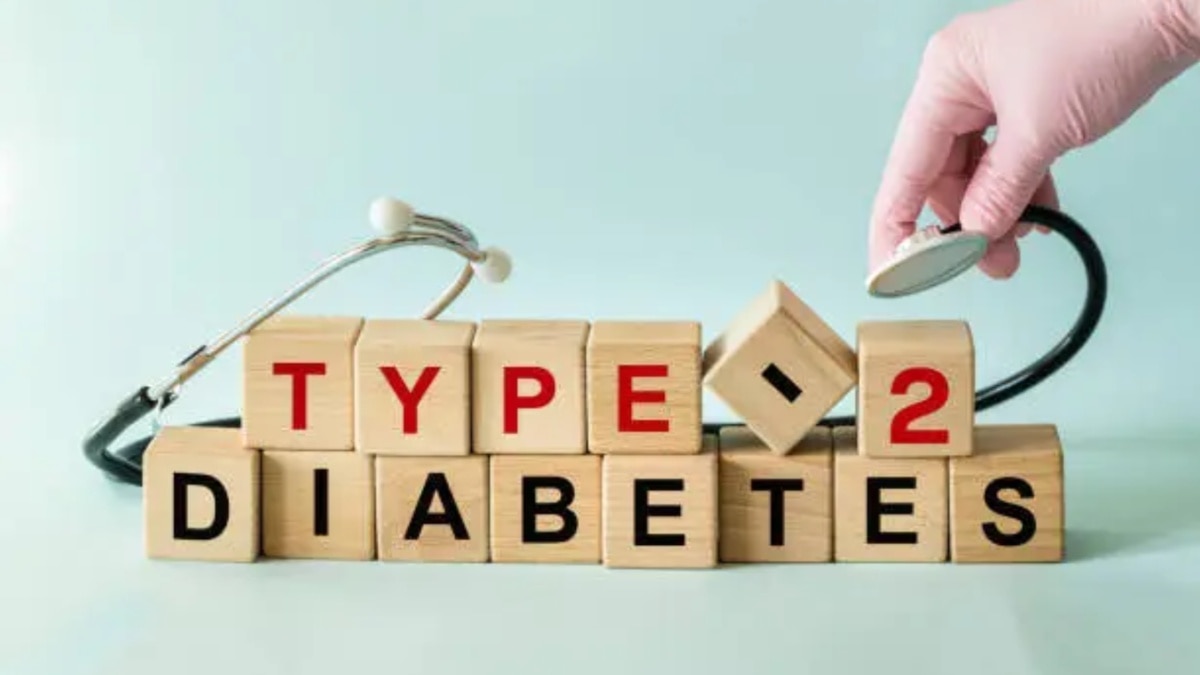
Diabetes is no longer a disease of middle age. Across the world, clinicians are observing rising incidence of type 2 diabetes even in young adults. Studies say that in the US, nearly 1 in 4 young adults aged 19–34 live with prediabetes, a signal that interventions must begin early. Meanwhile, long-term studies tracking blood sugar trajectories from age 18 over 30 years show that patterns of impaired glucose are already unfolding decades before a formal diagnosis. Against this backdrop, Dr V Mohan, Chairman of Dr Mohan’s Diabetes Specialities Centre, offers three key pieces of advice for young adults managing diabetes. Below, we explore each one, supported by research evidence, and explain how they translate into practical action. Practice healthy habits early in your life “Practice healthy habits early in your life: The food you eat, physical activity you do and the way with which you manage stress in your 20’s can have an impact on your life in a long run to prevent diabetes and complications.” This isn’t just common sense, it is backed by evidence. In the landmark Diabetes Prevention Program, an intensive lifestyle intervention (diet + exercise) reduced the incidence of type 2 diabetes by 58% over ~3 years, outperforming metformin by a wide margin. While that trial focused on older adults at risk, its core lessons hold for younger ages: small changes early can yield lifelong benefit. A recent Korean study of adults aged 20–39 found that physical inactivity, elevated fasting glucose, and higher HbA1c values were among the strongest predictors of progressing to prediabetes. In other words, habits in your 20s matter, says Nature magazine. Moreover, adolescence may represent a vulnerable window: Yale researchers  have dissected mechanisms of insulin resistance in youth indicating that early metabolic changes can set the stage for long-term dysfunction.  Practically, this means: prioritize whole grains, fibre, lean proteins, minimize processed sugars, and build consistent moderate-to-vigorous activity (e.g., 150 minutes/week). Also include stress-management, mindfulness, proper sleep, and emotional coping, as high cortisol and poor sleep worsen insulin resistance. Periodic check-ups are important “Periodic check-ups are important: Doing an annual health check-up including your eyes, heart, kidneys, feet and diabetes are essential right from the young stage of life. We can detect and prevent diabetes occurrence and complications much early.” Too often, young adults believe they can “get away” without screening. But diabetes-related damage, to retina, kidneys, nerves, blood vessels, begins quietly. Early detection is vital. Longitudinal cohorts show that many young adults follow trajectories from normoglycaemia TO impaired fasting glucose TO overt diabetes over decades, and the timing of interventions matters. Also, as per a study by the UCSF, the University of California, San Francisco, a public research university in San Francisco, California, dedicated to the health and life sciences, the “emerging adulthood” age group (roughly 18–25), research on prevention is notably scarce and that makes proactive screening all the more important.Check-ups should include HbA1c and fasting/glucose tests, lipid profile, kidney function (creatinine, microalbuminuria), retinal screening, foot exam (sensation, pulses), and cardiovascular risk assessment (blood pressure, ECG as needed). Annual or biennial frequency is standard, but if you have risk factors or abnormalities, your physician may recommend more frequent follow-up. Early detection allows timely lifestyle or pharmacologic measures to reverse or slow progression, and prevents complications before irreversible damage occurs. Techs can be your friend “Techs can be your friend: Health apps, mobile apps, fitness trackers, glucose monitoring devices, heartbeat trackers are helpful in detecting, monitoring and preventing blood sugars, blood pressure and heart rate in real time. Bloom of AI is a boon in this area.” This is not just hype: technology is reshaping diabetes care. Continuous glucose monitoring (CGM) and flash glucose monitoring have increasingly become safe and effective substitutes (or complements) to traditional finger-prick tests, often reducing HbA1c and time in hypo/hyperglycaemia. As per a study by the University Hospitals, Cleveland (USA) published in the Journal of Clinical Endocrinology and Metabolism, over the last decade, diabetes management tools such as continuous glucose monitors, automated insulin delivery systems, and connected insulin pens have experienced exponential growth. These technologies are more readily being adopted to manage diabetes due to increased availability. A meta-analysis of trials has found that CGM-based feedback modestly reduces HbA1c and increases time-in-range.  Patients report that wearables and connected health devices boost their ability to act on real-time data, adjust behaviours, and feel more in control. A study by Qassim University, Buraydah, Saudi Arabia shows that telehealth platforms enable remote adjustment of therapy as they facilitate the sharing of a patient’s glucose, activity, and blood pressure data with providers.  However, caveats must be heeded: device cost and usability can be barriers, and privacy and data security are real concerns. Also, not all “smart” devices claiming non-invasive glucose monitoring (e.g. smartwatches or rings) are accurate, and regulatory agencies have warned against unapproved devices. Smartwatches and rings that claim to measure blood sugar levels for medical purposes without piercing the skin could be dangerous and should be avoided, the US Food and Drug Administration issued a warning in February 2024. Use only validated, certified devices and integrate them with guidance from your diabetes care team. With AI advancing, adaptive algorithms (e.g. reinforcement learning based insulin suggestions) are being studied as decision support tools, claims a study by the Cornell University. In the future, AI-enhanced systems may offer real-time personalized alerts, predictive insights, and smarter coaching, turning monitoring into meaningful action Conclusion For a young adult with diabetes or at risk, the challenge is to think in decades, not days. Dr. V. Mohan’s three pillars, “Practice healthy habits early in your life”, “Periodic check-ups are important”, and “Techs can be your friend”, offer a succinct yet powerful framework. Start today. Build habits with resolve. Over time, these layers of defence help you stay ahead of complications, preserve quality of life, and live longer, healthier decades, not just survive, but thrive.  

WATCH: Kate Middleton Stuns Fans Walking Backwards In Heels At RAF Coningsby

Kate Middleton once again left royal fans mesmerised during her visit to RAF Coningsby, performing a feat that seemed almost impossible: walking backwards in heels down a steep staircase. The 43-year-old Princess of Wales, who holds the honorary title of Royal Honorary Air Commodore, effortlessly descended the aircraft stairs without a single misstep, drawing praise from social media users around the world. The moment quickly went viral as fans shared clips, highlighting her poise, grace, and composure in a setting that demands both care and confidence. ALSO READ: Court Orders Doctors To Write Better: 'Write Clearly Or Go Digital' Social Media Reacts To Kate’s Viral Stair Descent Literally in awe of this video of the Princess of Wales today walking down those stairs in heels 🤯👑 pic.twitter.com/1ZTXY2nqvw — Anna (@tokkianami) October 2, 2025 The princess’s backward stair walk sent fans into a frenzy. One user shared on X, “Literally in awe of this video of the Princess of Wales today walking down those stairs in heels,” while hundreds of others echoed the sentiment, marveling at the ease and elegance of her steps. Some social media users noted the challenge of the stunt, with one pointing out, “That is a ships ladder, far steeper & with narrow treads, designed for work boots.” Others were more humorous: “I wear high heels all the time and no I wouldn’t have done that so seamlessly and graciously.” Admirers praised her as a perfect blend of elegance and athleticism: “She owned those stairs like a runway. Pure elegance with power in every step.” While most celebrated her poise, a few were skeptical of the hype, joking, “She has such great achievements! She can tie her hair in a bun with no pins, and walk down stairs!” Kate’s RAF Visit And Prince Louis Insight           View this post on Instagram                       A post shared by The Prince and Princess of Wales (@princeandprincessofwales) During her RAF visit, Kate was shown around the base and the Typhoon aircraft, demonstrating her continued involvement in her honorary role. She also shared a charming update about her son, Prince Louis: “I’m going to tell them it takes eight years and a lot of hard work,” referring to his dream of becoming a fighter pilot. Fans have often been captivated by Kate’s understated yet impactful moments, from tying her hair in a low bun at a weaving mill to graceful public appearances. These small gestures, when shared on social media, consistently generate viral attention, showing how relatability and elegance intersect in her public persona.

Reversing Heart Disease: How Lifestyle Changes Can Transform Cardiac Health

Heart disease has long been considered a chronic condition requiring lifelong medication and interventions. Yet a growing body of evidence suggests that a proactive, lifestyle-led approach can halt, and in some cases revers the progression of coronary artery disease. Experts agree that diet, exercise, stress management, and sleep play critical roles in this transformation. As Dr. Haresh Mehta, Consultant, Cardiology at P.D. Hinduja Hospital & MRC, Khar, points out, "While medicine and surgical interventions are crucial, a growing body of evidence and the consensus among experts, points to a powerful, often overlooked, tool: lifestyle-led recovery." ALSO READ: Beyond Cholesterol: Hidden Factors That Are Silently Harming Your Heart The Dean Ornish Approach: Four Pillars For A Healthy Heart The landmark Dean Ornish Program provides a scientifically validated framework for heart disease reversal. Dr. Prashant Pawar, Consultant Interventional Cardiology, Fortis Hiranandani Hospital, Vashi, explains, "The progression of coronary atherosclerosis could be stopped or reversed by making comprehensive lifestyle changes. Dean Ornish program is landmark program which has shown scientifically benefits of lifestyle changes." The program focuses on four essential pillars: Whole Foods, Plant-Based Diet – Naturally low in fat and refined carbohydrates. Moderate Aerobic Exercise – Encouraging heart-healthy movement daily. Stress Management Techniques – Reducing cortisol levels and vascular inflammation. Psychosocial Support – Creating an environment that sustains lifestyle changes. The benefits are wide-ranging, from regression of coronary artery stenosis and reduction of angina episodes to improvements in blood pressure, cholesterol, weight, and overall quality of life. Evidence From The Lifestyle Heart Trial Clinical research supports these interventions. The Lifestyle Heart Trial was the first randomised trial to show that intensive lifestyle modifications could reverse coronary artery disease without lipid-lowering drugs. After just one year, participants achieved a 37.2% reduction in LDL cholesterol and a 91% reduction in angina frequency. Dr. Pawar adds, "Comprehensive lifestyle changes may be able to bring about regression of even severe coronary atherosclerosis after only 1 year, without use of lipid-lowering drugs." Over five years, the trial revealed 2.5 times fewer cardiac events in the lifestyle group compared to controls. This underscores that consistent diet, exercise, and stress management can have profound long-term benefits. Practical Lifestyle Tips From Experts Dr. Mehta emphasises that reversing heart disease is not a radical dream but a realistic goal, "Reversing heart disease, once considered a radical notion, is now a scientifically supported reality. The key lies in a multi-faceted approach." Key practical steps include: Plant-Based Diet: Rich in fruits, vegetables, whole grains, and legumes to lower cholesterol and improve arterial function. Moderate Exercise: 30-45 minutes of brisk walking or aerobic activity most days strengthens the heart and enhances circulation. Stress Management: Meditation, yoga, and deep-breathing exercises help reduce chronic stress damage. Adequate Sleep: Prioritising 7-8 hours nightly for heart repair and recovery. Dr. Pawar highlights the reversal diet, designed for those with documented heart disease, "It is a vegetarian diet with less than 10% of energy from fat. It contains no animal products except non-fat dairy products and egg whites… supplying essential fatty acids without excess fat, providing optimal opportunity for regression of coronary atherosclerosis." While medications and surgical interventions remain important, experts agree that the most potent prescription for heart health lies in adopting a lifestyle-led approach. A plant-based diet, regular exercise, stress management, and proper sleep are not just wellness trends, they are clinically validated pathways to reversing heart disease and improving longevity. With commitment and consistency, reversing heart disease is not just possible, it’s achievable. [Disclaimer: The information provided in the article, including treatment suggestions shared by doctors, is intended for general informational purposes only. It is not a substitute for professional medical advice, diagnosis, or treatment. Always seek the advice of your physician or other qualified healthcare provider with any questions you may have regarding a medical condition.]

Salt, Sugar, Or Sitting: What Really Puts The Heart At Risk?

(Dr. Keshava R) When it comes to heart health, three silent culprits often go unnoticed salt, sugar, and sitting. Each plays a different role, but all can quietly raise the risk of heart disease if not kept in check. Let’s break it down.  ALSO READ: Food As Medicine: The Role Of Anti-Inflammatory Diets In Breast Cancer Recovery The Salt Story The maximum daily amount of salt is estimated to be 5g. Anything below 3 grams is generally classified as low salt, and people who adhered to this standard were less likely to develop hypertension. Reducing salt does not have to become flavorless. Keep the salt you add while you cook, but skip any extra at the table. Low sodium salt substitutes and natural spices can come in handy for flavor enhancement. Key ingredient is reading the labels. A lot of processed foods, everything from chips to bread to baked goods tend to be chock full of hidden sodium. Monitoring the sodium helps you to be conscious of how much is actually going into your mouth. The Sitting Trap Extended sitting is also a risk factor in its own right for heart disease. Sitting more than 8 hours a day hampers your energy metabolism, and if you continue to do this from time to time, the pounds could add up and contribute to obesity which is known as an additional factor to complicate with heart health. It also wears out joints, bones and muscles. The remedy is quite straightforward: Break the cycle of sitting. Stand up, stretch, walk around or have a coffee every two hours. Quick breaks help to break up long periods of sitting and keep the body in motion. Opting for active movement over long hours of sitting is key to your heart’s lifelong health. The Sugar Factor Diabetes itself even prediabetes both dramatically elevates one’s risk of heart disease. Elevated blood sugar levels damage tiny blood vessels, causing both microvascular problems (kidney disease and retinopathy) and macrovascular complications (heart attack, stroke or gangrene). Unrestrained sugar also leads to irregular heartbeats, cardiac muscle weakness and can speed artery blockages. Keeping sugar in check, whether through diet, tablets, insulin or newer drugs is imperative. Home glucose monitoring and continuous glucose monitoring have become more widely available and enable people to be aware of their blood sugar patterns in real time. Regular monitoring and consultations with a physician, diabetologist or endocrinologist are key to keep the sugar contained within safe levels. In daily life, salt, sugar and sitting may seem relatively harmless, but in combination they set the stage for heart disease. To help protect the heart, take these easy but effective measures: Trim excess sodium Reduce prolonged sitting Control blood sugar levels. Awareness, regular check-ins and modest lifestyle changes can all help. Dr. Keshava R is HOD & Consultant Cardiology at Manipal Hospital, Old Airport Road, Bangalore [Disclaimer: The information provided in the article, including treatment suggestions shared by doctors, is intended for general informational purposes only. It is not a substitute for professional medical advice, diagnosis, or treatment. Always seek the advice of your physician or other qualified healthcare provider with any questions you may have regarding a medical condition.]

Hidden Eye Dangers You’re Ignoring – Expert Reveals How To Protect Your Vision

Maintaining healthy eyes goes beyond just having good eyesight. Hidden risks, from prolonged screen exposure to lifestyle habits, can silently damage your vision over time. Dr. Saumya Sharma, Senior Consultant at Sharp Sight Eye Hospitals, explains how ignoring early signs like dryness, itching, or blurred vision can escalate into serious, often irreversible eye conditions. In this feature, we explore these hidden threats and practical steps patients can take to safeguard their eyes for life. ALSO READ: Beyond Cholesterol: Hidden Factors That Are Silently Harming Your Heart Early Symptoms Should Never Be Ignored Many people dismiss mild eye discomfort as trivial, but early warning signs often indicate bigger problems. "I have many patients who experience symptoms like dryness, itchiness, or blurred vision, and decide to ignore the mild symptoms, only to bring with them more serious issues with their eyes," says Dr. Sharma. Conditions such as dry eye disease, uncorrected refractive errors, or early signs of glaucoma or diabetic retinopathy may first present as subtle discomfort. "Just eye strain" may be an early signal that professional attention is required. Early treatment both alleviates complications and helps maintain lifelong clear vision. Routine eye checks are essential since eyes rarely ache even when there is a problem. Screen Time And Hidden Eye Problems  Excessive screen exposure is increasingly affecting young people, leading to issues that often go undetected until they become chronic. "Digital devices impact the eyes with blue light and lead to a problem called Computer Vision Syndrome. Symptoms can range from eye strain, dry eyes, headache, to even difficulty focusing," explains Dr. Sharma. In teens, prolonged screen use can contribute to myopia and affect normal vision development. She recommends the 20-20-20 rule: every 20 minutes, look at something 20 feet away for 20 seconds. Regular eye exams help detect problems early, ensuring long-term healthy eyesight. Adjusting screen brightness, taking breaks, and using anti-glare glasses also significantly reduce strain. Lifestyle Choices That Affect Eye Health Hidden lifestyle habits can quietly damage your eyes over time. Smoking, poor diet, inadequate sleep, unprotected sun exposure, and even repeated eye rubbing all contribute to deteriorating vision. "We often talk to patients about how various usual harmless habits can actually deteriorate their vision. Prevention will always be the first step to conserving your vision," says Dr. Sharma. Nutrient-rich foods, sunglasses with UV protection, quitting smoking, and regular eye exams are simple steps that protect your eyes. For those heavily reliant on digital devices, Dr. Sharma advises: "Take a 20-second break every 20 minutes, look at something 20 feet away, keep screens at arm’s length, stay hydrated, and blink regularly. Prevention is the best protection for long-term eye health." [Disclaimer: The information provided in the article, including treatment suggestions shared by doctors, is intended for general informational purposes only. It is not a substitute for professional medical advice, diagnosis, or treatment. Always seek the advice of your physician or other qualified healthcare provider with any questions you may have regarding a medical condition.]

Digital Health Bridges: Breaking Barriers Of Distance And Inequality In Care

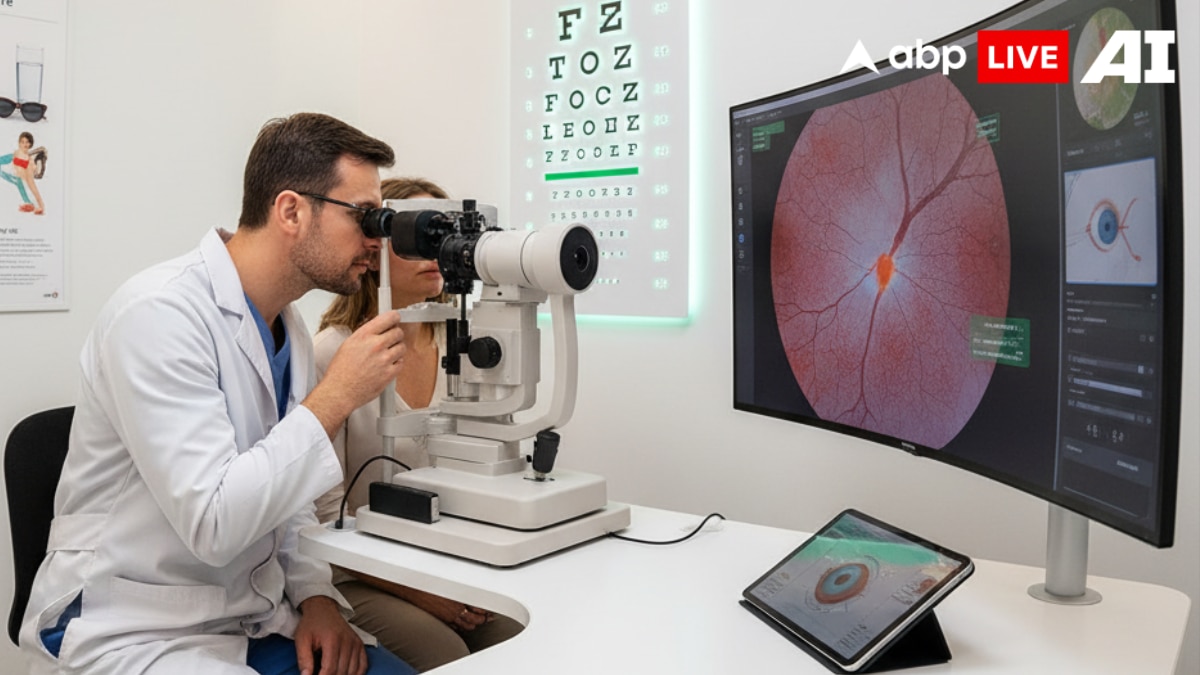
In many parts of the world (especially in the remote regions, impoverished communities, and underserved rural areas), access to healthcare remains a persistent challenge. Barriers such as distance, cost, and absence of specialist doctors, weak infrastructure, and sometimes lack of trust keep families from receiving timely medical care.  But now, technology is increasingly acting as a bridge, bringing doctors, diagnostics, and care much closer to those who were earlier cut off. As Bipasa Giri, a Health Educator with Lotus Petal Foundation (a charitable organisation that runs programs in Education, Nutrition and Livelihood for underprivileged children), puts it, “Technology is now a vital bridge between doctors and underserved families. It is changing healthcare access in powerful ways. Tools like telemedicine, AI-based diagnostics, and mobile health apps bring medical advice and treatment to families in remote areas.” In Rajasthan, India, a qualitative study of providers and patients in remote parts (Balotra district) found that telemedicine was being increasingly accepted. This study by the National Institute for Implementation Research on Non-Communicable Diseases, Jodhpur (Rajasthan), found that patients appreciated not having to travel long distances; providers noted enhanced efficiency. But problems included poor connectivity, low digital literacy, and a need for training.  “Digital tools make healthcare easier to use. More importantly, they create fairness and human connection for families once cut off from essential services. With telemedicine, people in isolated places can consult specialists. Mobile apps let individuals track their health and ask for advice any time,” says Bipasa Giri. Telemedicine & Remote Consultations A systematic review, Telemedicine for Patient Management in Remote Areas and Underserved Populations, summarised 20 studies (until May 2021 – collated by the University of Tehran) that focused on telemedicine in geographically remote settings (mountainous, forested). Benefits included reduced travel time and cost, increased patient satisfaction, earlier access to care, and better disease management. Challenges were things like unreliable internet, weather, and difficult logistics. Another example is how the Indian national portal e-Sanjeevani, used during and after the COVID-19 pandemic, has helped make teleconsultations more available, as highlighted by a report by the Department of Community and Family Medicine, All India Institute of Medical Sciences, Rajkot, Gujarat.  Studies show good satisfaction among users, especially when the infrastructure (internet, devices) is adequate. “For many children and their parents I work with at Lotus Petal Foundation, this feels like having a doctor finally within reach. Technology breaks barriers of distance, cost, and weak infrastructure. In skilled hands, it brings wider and timely patient care to people everywhere,” adds Bipasa Giri AI-Driven Diagnostics & Decision Support A recent study titled “Artificial Intelligence in Rural Healthcare Delivery: Bridging Gaps and Enhancing Equity through Innovation” published in August 2025, reviewed 109 studies from 2019-2024, finding strong promise in AI for tasks like predictive analytics, diagnostic imaging, and telemedicine platforms etc. These tools improve access, speed, and quality, but also raise problems of data quality, regulation, infrastructure, and ethics. A study carried out by Cornell University and published in September 2025 showcases how, in India, AI screening tools for diseases such as diabetic retinopathy are under development in tele-ophthalmology applications. This study presents PerceptronCARE, a teleophthalmology application based on deep learning (designed for automated diabetic retinopathy detection using retinal images) is helping tackle and treat diabetic retinopathy - a leading cause of vision loss among adults and a major global health challenge, particularly in underserved regions. It claims that the app-based programme is able to classify the severity of diabetic retinopathy with ~85.4% accuracy, enabling earlier detection even in remote settings.  Early warning tools and diagnostic aids are also making headway. In many places, public health systems are piloting AI-cancer screening, AI-based stethoscopes, and diagnostic tools that require less specialist input but can alert or refer when needed. A Times of India report states that to strengthen preventive healthcare, Punjab government has launched a first-of-its-kind artificial intelligence (AI)-enabled screening devices for early detection of breast cancer, cervical cancer, and refractive errors.  Mobile Health Apps & Monitoring Mobile apps and remote monitoring are playing a bigger role: tracking chronic conditions, mental health, post-operative care, and more. For example, “Mobile App-Based Remote Patient Monitoring in Acute Medical Conditions”, a collaborative study by two health research organisations from the United Kingdom, showed the feasibility of apps for monitoring discharged COVID-19 patients, helping reduce clinician burden while keeping patients under watch. Also, there is the heart-warming and encouraging study by the George Institute of Global Health (UK, & Australia) of how the SMART Mental Health project in rural India used mobile/tele-technology to deliver mental health services in remote communities, helping reduce barriers such as stigma, travel, lack of specialists, and increasing use of services. Conclusion Technology is steadily bridging gaps in healthcare, especially for underserved communities. At Lotus Petal Foundation, Bipasa Giri notes that tools like telemedicine, AI diagnostics, and mobile apps “make healthcare easier, fairer, and finally within reach.” Evidence supports her vision: teleconsultations cut costs and travel, AI enables earlier disease detection, and mobile health tools create continuous connections with doctors. For many families, this shift feels like having a doctor nearby for the first time. Yet barriers and challenges remain. Unstable internet, limited digital literacy, and the need for sustainable models still challenge widespread adoption. Regulatory oversight and hybrid approaches blending digital with in-person care are essential. Indian case studies, from tele-ophthalmology in Tamil Nadu to AI screening pilots in Punjab, show how solutions can scale. Ultimately, technology is not just transforming medical delivery; it is enabling human progress, making healthcare more equitable and accessible for families once left behind. (Kirti Pandey is a senior independent journalist)

Battle For The Second Spot After Maruti Intensifies Between Tata, Mahindra And Hyundai

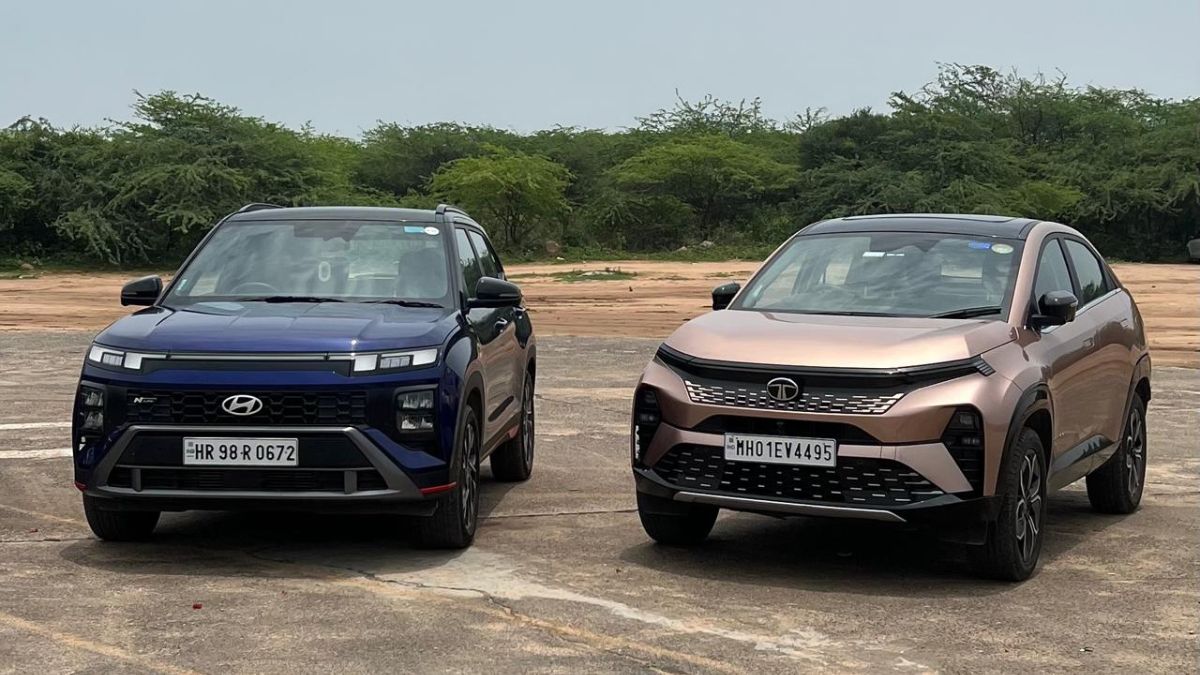
Maruti Suzuki for a longtime has been a custodian of the largest carmaker name and that continues with its stronghold on the Indian market but the battle for the second position has long been fought between homegrown brands like Tata and Mahindra plus Hyundai. Hyundai till 2024 had been staying firmly at the second spot until 2024. Since then there has been intense competition where Tata edged ahead or Mahindra or Hyundai kept its crown.   Now, as per latest Vahan registration data, Tata has taken the second spot at 40,594 units registered against 37,015 units for Mahindra and 35,443 units for Hyundai. The GST cuts have brought in record sales for all while the second position continues to see a change where the appetite has been drawn to SUVs.   If looking at retail sales, Tata achieved its highest-ever monthly retail sales of 59,667 units while Mahindra also had its highest ever sales at 56,233 units plus Hyundai is at 51,547 units. EV sales surged 96 percent year-on-year to 9,191 units while CNG sales recorded over 17,800 units. The Nexon in particular recorded over 22,500 units sold in a single month.   For Hyundai, the Creta SUV saw its highest monthly sales of 18,861 units while the soon to be replaced Venue compact SUV recorded 11,484 units. The coming months will see further action with new models from Hyundai and Tata plus Mahindra while the focus would be on SUVs.   Tata will launch the new Sierra and the Punch while Hyundai will bring the Venue in a new avatar plus Mahindra will bring in facelift versions of its XUV700, Thar and more.         

Watch: IAF Chief Amar Preet Singh Goes Viral Dancing To 'Hawan Karenge' Track

Air Chief Marshal Amar Preet Singh, head of the Indian Air Force, recently became the centre of attention on social media after a video of him dancing to the popular track "Hawan Karenge" went viral. The video, apparently from a party, shows him enjoying the music with energetic moves, impressing viewers across platforms. Fans and netizens called it "refreshing" and "iconic," praising the IAF chief for showing a lighter, more human side while celebrating a significant achievement in his career. Viral Video & Social Media Reaction The video was shared on X (formerly Twitter) by user @sumitjh66117264, who humorously captioned it, “IAF Chief Amar Preet Singh after destroying 11 Air bases and multiple fighter jets of Pakistan.”  IAF Chief Amar Preet Singh after destroying 11 Air bases and multiple fighter jets of Pakistan pic.twitter.com/jNLGQbQDfV — sumit jha जय यादव जय माधव! जय वाल्मिकी- जय निषादरा (@sumitjh66117264) September 28, 2025 Viewers quickly reacted with admiration and support, leaving comments like, “Hats off… your exuberance is well deserved,” and “The more I see, the more I fall in love with Indian Defence Services.”  Some noted that the celebration came after MIG-21 jets were recently phased out from the IAF, though the exact date of the video is not verified. Operation Sindoor & Balakot Reference Apart from the viral dance, Singh has also been in the spotlight for his statements about IAF operations. In his 16th Air Chief Marshal L M Katre Memorial Lecture, he discussed Operation Sindoor, where the IAF reportedly shot down five Pakistani fighter jets and one large aircraft in what was called the largest surface-to-air kill by India.  He compared this to the earlier Balakot strike, saying the IAF could not share full details then. “When we did Balakot, we couldn’t tell our people what we achieved,” he said. “This time, we were lucky to release videos openly. I am happy we could take care of that ghost of Balakot.” Fans loved seeing Singh celebrate and express joy, showing that even military leaders have moments of fun and pride after major achievements.  The video continues to circulate widely, bringing smiles to many who admire the Indian Air Force.

RBI December Policy Watch: ICICI Bank Flags 25 bps Rate Cut Possibility On Growth Concerns

If external headwinds persist and domestic growth begins to decelerate, the Monetary Policy Committee (MPC) is likely to consider cutting policy rates in its December meeting, according to a report by ICICI Bank. The report highlighted that the odds of further monetary easing have increased following a noticeable shift in the MPC's policy language. In the August policy, the committee had noted that "monetary policy has used policy space created by benign inflation outlook." However, in the October review, this language shifted to "sobering of inflation has given greater leeway for monetary policy to support growth," which, according to ICICI Bank, marks a dovish tilt. It stated "The most important determinant factor deciding the trajectory of rate cuts is growth when inflation is benign. If external headwinds remain and growth starts to decelerate, MPC is likely to go ahead and cut rates". Comments made in the post-policy press conference further supported the possibility of a rate cut. The Governor emphasized that "some room has opened for easing and depending on a number of factors, next action will be decided in December." The report also highlighted that two external members of the MPC voted in favour of changing the stance to "accommodative," signalling a dovish bias in the policy outlook. This, ICICI Bank observed, is another key indicator of possible easing in the upcoming December policy. On the quantum of rate reductions or the likely terminal rate, the report assessed that the current space looks to be for a 25 basis points cut. A further 25 basis points reduction may be possible if growth slows more sharply from its present trajectory. The evolution of this outlook, however, will depend on upcoming GDP prints, high-frequency indicators and developments in the external trade environment. Meanwhile, the Governor also shared that while the recent GST rate cuts would provide support to consumption, they would only partially offset the negative impact of US tariffs on the Indian economy. The report concluded that while inflation remains under control, growth dynamics and external challenges will determine the extent of easing that the RBI can deliver in the coming months.  (This report has been published as part of the auto-generated syndicate wire feed. Apart from the headline, no editing has been done in the copy by ABP Live.)

UP Gets Highest Share As Centre Distributes Rs 1.01 Lakh Crore Extra Funds To States

Amid the ongoing festive season, the Union government has released an additional tax devolution of Rs 1,01,603 crore to state governments, the Finance Ministry said on Wednesday. This is an additional amount to the normal monthly devolution, which is scheduled to be released on October 10. According to the ministry, the decision was taken in view festive season to enable states to accelerate capital spending and finance their development and welfare-related expenditure. Uttar Pradesh, the nation's most populous state, got the highest--Rs 18,227 crore, followed by Bihar (Rs 10,219 crore), Madhya Pradesh (Rs 7,976 crore), West Bengal (Rs 7,644 crore), Maharashtra (Rs 6,418 crore), and Rajasthan (Rs 6,123 crore). Andhra Pradesh (Rs 4,112 crore), Odisha (Rs 4,601 crore), Tamil Nadu (Rs 4,144 crore), Karnataka (Rs 3,705 crore), and Jharkhand (Rs 3,360 crore) also received significant additional tax devolution. Earlier, the Finance Ministry said that the Centre had transferred Rs 4,28,544 crore to state governments as devolution of share of taxes during April-July, which is Rs 61,914 crore higher than the previous year. Meanwhile, the Central government had received Rs 10,95,209 crore during the period, which comprises 31.3 per cent of the corresponding budget estimates (BE) for 2025-26. Of this, a sum of Rs 6,61,812 crore constitutes net tax revenue to the Centre, Rs 4,03,608 crore was non-tax revenue, and Rs 29,789 crore was part of non-debt capital receipts. Total Expenditure incurred by the union government during the time frame was Rs 15,63,625 crore, which constitutes 30.9 per cent of the corresponding BE 2025-26. Out of this total amount, Rs 12,16,699 crore was on the revenue account and Rs 3,46,926 crore is on the capital account, which is spent on large infrastructure projects. Interest payments made up Rs 4,46,690 crore of the total revenue expenditure, while major subsidies account for Rs 1,13,592 crore. (This report has been published as part of the auto-generated syndicate wire feed. Apart from the headline, no editing has been done in the copy by ABP Live.)

GST Cuts, Good Monsoon Could Keep India’s Inflation Below RBI Estimates, SBI Finds

Inflation in the current financial year and the next financial year (FY27) is likely to be much lower than the Reserve Bank of India's (RBI) projections, according to a report released by the State Bank of India (SBI). The report highlighted that several domestic factors are working in favour of easing price pressures. These include healthy progress of the monsoon, higher kharif sowing, adequate reservoir levels, comfortable buffer stock of foodgrains, and the most significant factor, GST rate rationalization. Taking these into account, the RBI recently revised downwards its FY26 CPI inflation projection by 50 basis points to 2.6 per cent, which marks a steep 160 basis point cut from the levels projected in April. However, the report that actual inflation in both FY26 and FY27 could be much lower than the RBI's revised estimates, supported by the positive domestic environment. It stated, "RBI has revised downwards its FY26 CPI inflation projection by 50 bps to 2.6 per cent (a 160 basis point downward revision from April levels). We believe both FY26 and FY27 inflation numbers are likely to be much lower." Alongside inflation, the regulator has also revised upwards its estimate for real GDP growth for FY26 to 6.8 per cent. For FY27, inflation numbers have been projected at 4.5 per cent. The report further observed that in the face of global economic uncertainty and volatility in financial markets, the Monetary Policy Committee's (MPC) unanimous decision to hold the policy rate unchanged seems logical from a regulatory perspective. It added that monetary policy communication is crucial in guiding expectations, shaping perceptions of the reaction function, and maintaining clarity in forward guidance. In this context, the report mentioned that RBI appears to have left the door open for future rate cuts, given the low inflation forecasts and the recent downward adjustments in growth estimates. However, the exact timing of such a move remains uncertain. The report also noted that the MPC's status quo decision reflects a rare form of dynamism that extends beyond monetary policy. This approach, the report said, is facilitated by comfortable liquidity conditions and a benign external sector despite ongoing trade-led uncertainties. The domestic financial system, it added, stands to benefit the most through a series of forward-looking reforms aimed at strengthening India's global positioning and reinforcing its already resilient economic ecosystem. (This report has been published as part of the auto-generated syndicate wire feed. Apart from the headline, no editing has been done in the copy by ABP Live.)

India-EU Free Trade Deal Soon? Piyush Goyal Hints At Landmark Agreement By Year-End

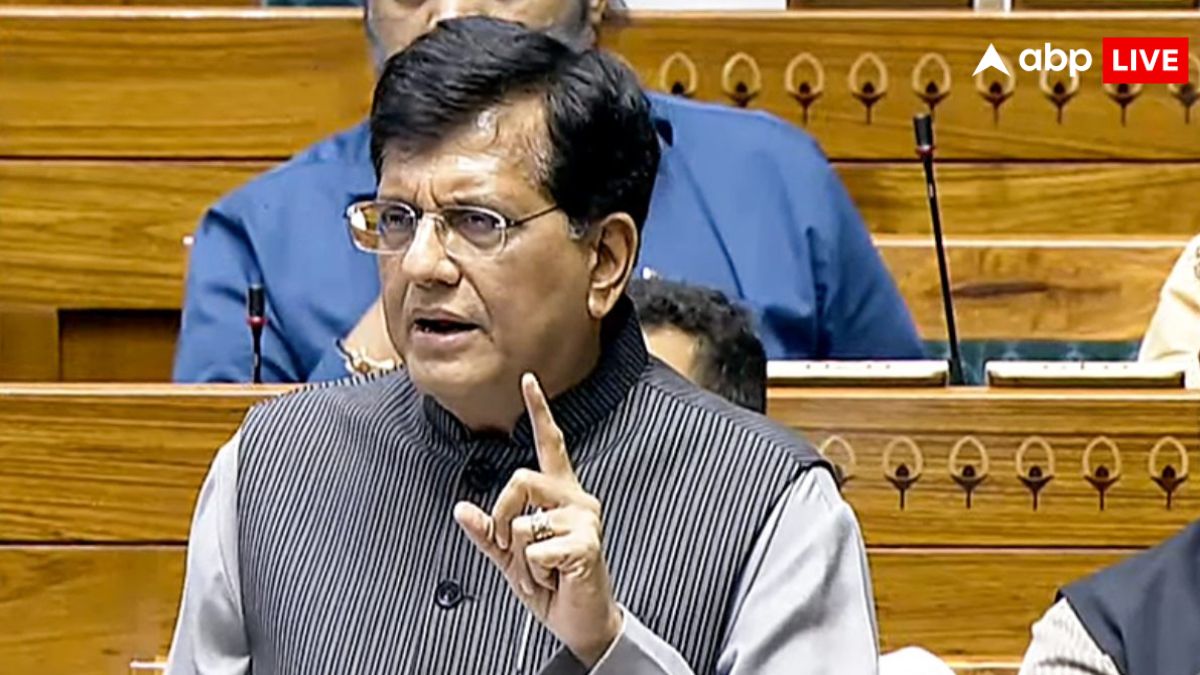
Commerce and Industry Minister Piyush Goyal on Wednesday expressed hope that India and 27-nation bloc European Union (EU) will sign a free trade agreement soon. The pact is aimed at boosting two-way commerce and investments. "We will soon, hopefully sign (free trade agreement) with the EU," he said here at the India-EFTA Business Summit. India and four nation EFTA have announced implementation of a trade pact from October 1. An Indian official team is visiting Brussels for the trade talks this month. Goyal is also expected to meet EU Trade Commissioner Maros Sefcovic in South Africa. Sefcovic and the European Commission's Agriculture Commissioner Christophe Hansen were here last month to review the progress of talks with Goyal. Both sides have targeted to conclude negotiations by December. In June 2022, India and the 27-nation EU bloc resumed negotiations for a comprehensive FTA, an investment protection agreement and a pact on geographical indications after a gap of over eight years. It stalled in 2013 due to differences on the level of opening up of the markets. On February 28, Modi and the European Commission president agreed to seal a much-awaited free trade deal by the end of this year. Besides demanding significant duty cuts in automobiles and medical devices, the EU wants tax reduction in products like wine, spirits, meat, poultry, and a strong intellectual property regime. Indian goods' exports to the EU, such as ready-made garments, pharmaceuticals, steel, petroleum products, and electrical machinery, can become more competitive if the pact is concluded successfully. The India-EU trade pact negotiations cover 23 policy areas or chapters, including trade in goods, trade in services, investment, sanitary and phytosanitary measures, technical barriers to trade, trade remedies, rules of origin, customs and trade facilitation, competition, trade defence, government procurement, dispute settlement, intellectual property rights, geographical indications, and sustainable development. India's bilateral trade in goods with the EU was USD 136.53 billion in 2024-25 (exports worth USD 75.85 billion and imports worth USD 60.68 billion), making it the largest trading partner for goods. The EU market accounts for about 17 per cent of India's total exports, while the EU's exports to India make up 9 per cent of its total overseas shipments. In addition, the bilateral trade in services, in 2023, between India and the EU was estimated at USD 51.45 billion.  (This report has been published as part of the auto-generated syndicate wire feed. Apart from the headline, no editing has been done in the copy by ABP Live.)

Ishaan was literally being on cloud 9

Ishaan Khatter was "on cloud nine" upon learning his film Homebound was India's official Oscar entry. He received the surprising news on a flight from New York, with his phone "blowing up" and director Neeraj Ghaywan excitedly informing him. Khatter hadn't anticipated the announcement, as his focus was on the film's theatrical release.

How Technology Is Bringing Doctors Closer To India’s Underserved Families

In many parts of the world (especially in the remote regions, impoverished communities, and underserved rural areas), access to healthcare remains a persistent challenge. Barriers such as distance, cost, and absence of specialist doctors, weak infrastructure, and sometimes lack of trust keep families from receiving timely medical care.  But now, technology is increasingly acting as a bridge, bringing doctors, diagnostics, and care much closer to those who were earlier cut off. As Bipasa Giri, a Health Educator with Lotus Petal Foundation (a charitable organisation that runs programs in Education, Nutrition and Livelihood for underprivileged children), puts it, “Technology is now a vital bridge between doctors and underserved families. It is changing healthcare access in powerful ways. Tools like telemedicine, AI-based diagnostics, and mobile health apps bring medical advice and treatment to families in remote areas.” In Rajasthan, India, a qualitative study of providers and patients in remote parts (Balotra district) found that telemedicine was being increasingly accepted. This study by the National Institute for Implementation Research on Non-Communicable Diseases, Jodhpur (Rajasthan) found that patients appreciated not having to travel long distances; providers noted enhanced efficiency. But problems included poor connectivity, low digital literacy, and need for training.  “Digital tools make healthcare easier to use. More importantly, they create fairness and human connection for families once cut off from essential services. With telemedicine, people in isolated places can consult specialists. Mobile apps let individuals track their health and ask for advice any time,” says Bipasa Giri. Telemedicine & Remote Consultations A systematic review Telemedicine for Patient Management in Remote Areas and Underserved Populations summarized 20 studies (until May 2021 – collated by the University of Tehran) that focused on telemedicine in geographically remote settings (mountainous, forested). Benefits included reduced travel time and cost, increased patient satisfaction, earlier access to care, and better disease management. Challenges were things like unreliable internet, weather, and difficult logistics. Another example is how the Indian national portal e-Sanjeevani, used during and after the COVID-19 pandemic, has helped make teleconsultations more available, as highlighted by a report by the Department of Community and Family Medicine, All India Institute of Medical Sciences, Rajkot, Gujarat.  Studies good satisfaction among users, especially when infrastructure (internet, devices) is adequate. “For many children and their parents I work with at Lotus Petal Foundation, this feels like having a doctor finally within reach. Technology breaks barriers of distance, cost, and weak infrastructure. In skilled hands, it brings wider and timely patient care to people everywhere,” adds Bipasa Giri. AI-Driven Diagnostics & Decision Support A recent study titled “Artificial Intelligence in Rural Healthcare Delivery: Bridging Gaps and Enhancing Equity through Innovation” published in August 2025 reviewed 109 studies from 2019-2024, finding strong promise in AI for tasks like predictive analytics, diagnostic imaging, and telemedicine platforms, etc. These tools improve access, speed, and quality, but also raise problems of data quality, regulation, infrastructure, and ethics. A study carried out by Cornell University and published in September 2025 showcases how, in India, AI screening tools for diseases such as diabetic retinopathy are under development in tele-ophthalmology applications. This study presents PerceptronCARE, a teleophthalmology application based on deep learning (designed for automated diabetic retinopathy detection using retinal images) is helping tackle and treat diabetic retinopathy - a leading cause of vision loss among adults and a major global health challenge, particularly in underserved regions. It claims that the app-based programme is able to classify severity of diabetic retinopathy with ~85.4% accuracy, enabling earlier detection even in remote settings.  Early warning tools and diagnostic aids are also making headway. In many places, public health systems are piloting AI-cancer screening, AI-based stethoscopes, and diagnostic tools that require less specialist input but can alert or refer when needed. A Times of India report states that to strengthen preventive healthcare, Punjab government has launched a first-of-its-kind artificial intelligence (AI)-enabled screening devices for early detection of breast cancer, cervical cancer, and refractive errors.  Mobile Health Apps & Monitoring Mobile apps and remote monitoring are playing a bigger role: tracking chronic conditions, mental health, post-operative care, and more. For example, “Mobile App-Based Remote Patient Monitoring in Acute Medical Conditions” a collaborative study by two health research organisations from the United Kingdom showed feasibility of apps for monitoring discharged COVID-19 patients, helping reduce clinician burden while keeping patients under watch. Also, there is the heart-warming and encouraging study by the George Institute of Global Health (UK, & Australia) of how the SMART Mental Health project in rural India used mobile/tele-technology to deliver mental health services in remote communities, helping reduce barriers such as stigma, travel, lack of specialists, and increasing use of services. Conclusion Technology is steadily bridging gaps in healthcare, especially for underserved communities. At Lotus Petal Foundation, Bipasa Giri notes that tools like telemedicine, AI diagnostics, and mobile apps “make healthcare easier, fairer, and finally within reach.” Evidence supports her vision: teleconsultations cut costs and travel, AI enables earlier disease detection, and mobile health tools create continuous connections with doctors. For many families, this shift feels like having a doctor nearby for the first time. Yet barriers and challenges remain. Unstable internet, limited digital literacy, and the need for sustainable models still challenge widespread adoption. Regulatory oversight and hybrid approaches blending digital with in-person care are essential. Indian case studies, from tele-ophthalmology in Tamil Nadu to AI screening pilots in Punjab, show how solutions can scale. Ultimately, technology is not just transforming medical delivery, it is enabling human progress, making healthcare more equitable and accessible for families once left behind.