Language Settings
Select Website Language
newshunt
newshunt

Filters

Channels
Topics
Other Filters

Mbappé Rumoured Romance Spotlight: Ester Expósito

French football captain Kylian Mbappé faces scrutiny after his team's World Cup elimination. Speculation about his relationship with Spanish actress Ester Expósito is currently trending online. Expósito was previously seen at several Real Madrid games and a restaurant outing. The actress stated she cannot choose between supporting France or Spain. She previously dismissed rumors of dating Mbappé's teammate Vinicius Junior.

Quote of the day by Stoic philosopher Epictetus: "Any person capable of angering you becomes your master; he can anger you only when…" - why losing control of your emotions can hand power to someone else

Stoic philosopher Epictetus taught that anger is a choice, not an automatic reaction. He believed individuals control their responses to external provocations. This ancient wisdom remains relevant in today's digital age. Modern life offers many opportunities for emotional entanglement with others. Recognizing this power dynamic helps maintain personal control over one's day.

Breaking News: Iran Reportedly Targets US Bases Across Gulf Region Amid Rising Conflict

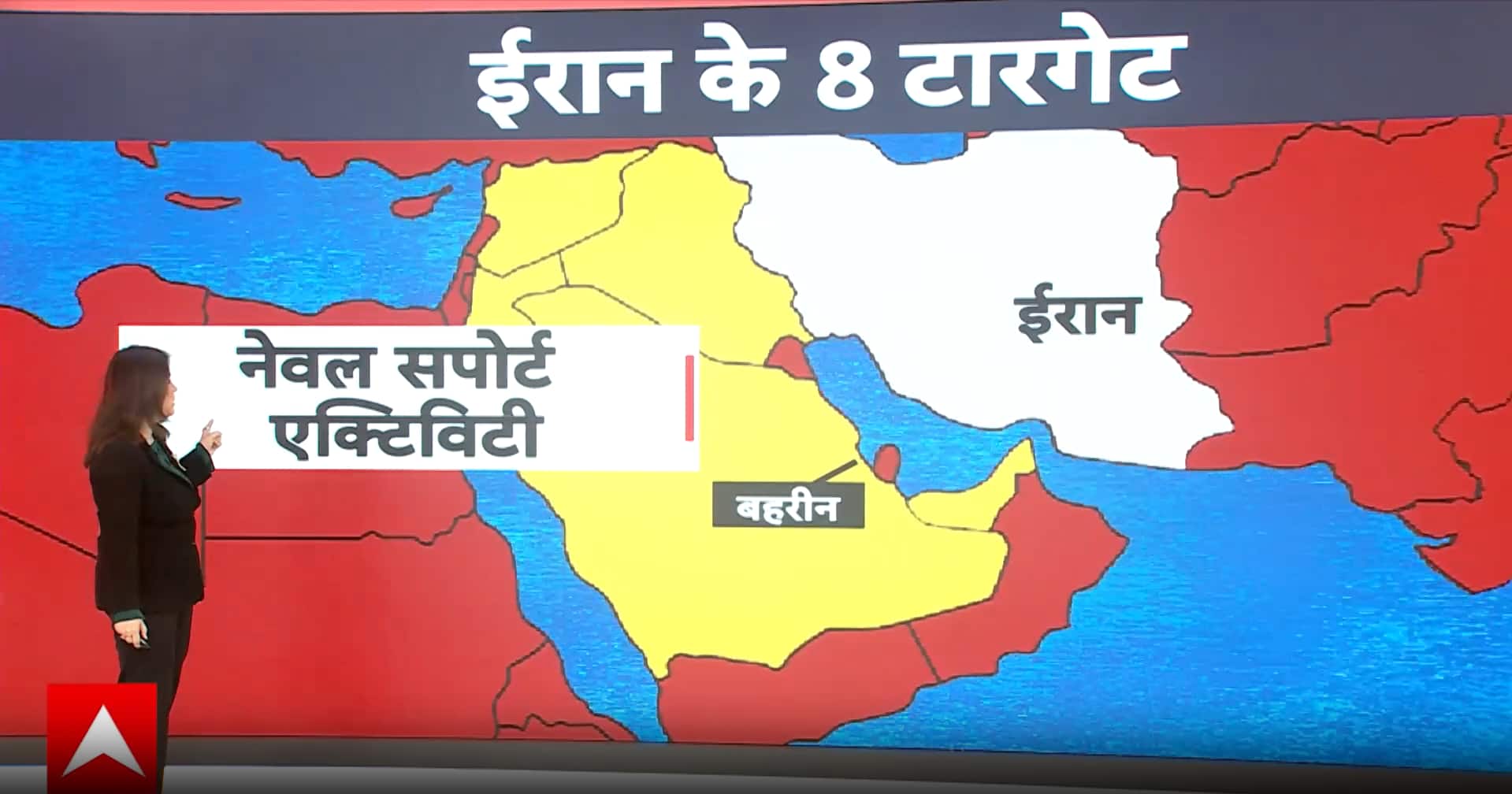
The U.S.-Iran conflict has reportedly expanded across the Gulf region, with Iranian strikes allegedly targeting American military bases in several allied countries. The report claims that Iran has attacked multiple U.S. installations, including Al Udeid Air Base in Qatar, naval facilities in Bahrain, Camp Arifjan and Ali Al Salem Base in Kuwait, Prince Sultan Air Base in Saudi Arabia, Al Dhafra Air Base in the UAE, and bases in Iraq and Jordan. It states that these locations host thousands of U.S. troops and serve as key platforms for American military operations. The report also claims that Iran responded with missiles and drones, including systems such as Kheybar Shekan missiles and Shahed drones. Meanwhile, it says the United States imposed a naval blockade around Iranian ports and restricted Iranian cargo movement through the Strait of Hormuz. The report describes the blockade as an attempt to pressure Iran economically by targeting oil exports. If confirmed, these developments would represent a major escalation with potential consequences for regional security, global energy markets, and international shipping.

US-India Tariff Tussle Heats Up: 100% Duty Threat, Forced Labour Rules Open New Front

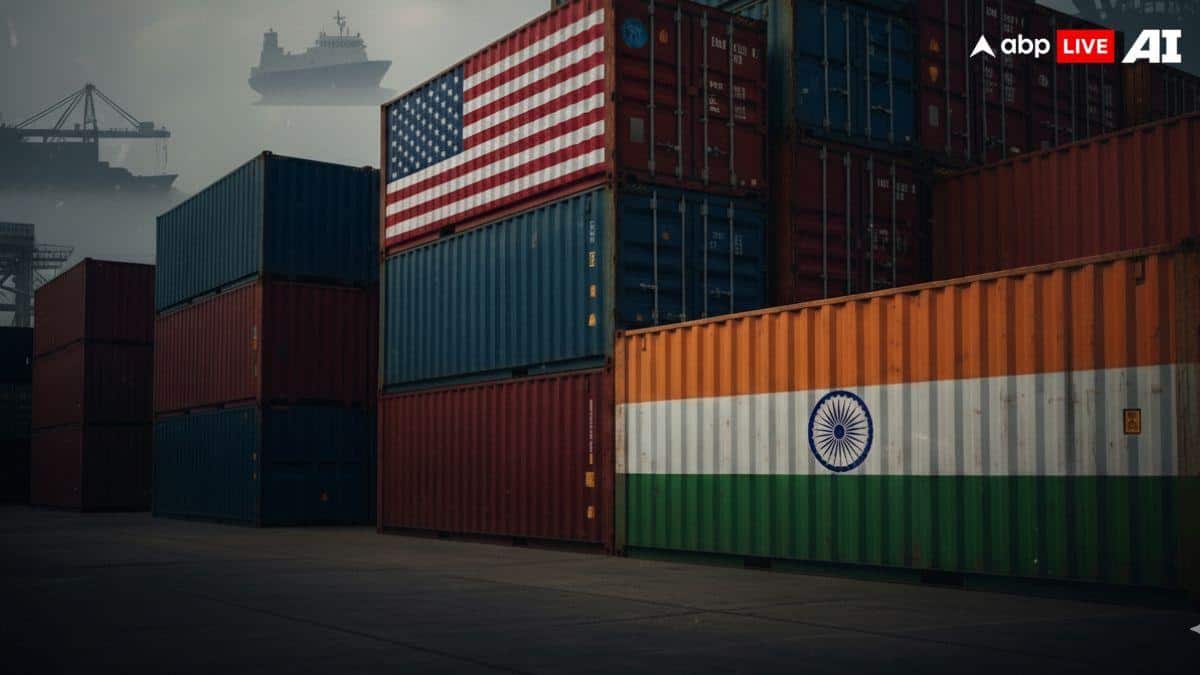
India may have secured relief from some of Washington's earlier tariff measures, but the threat of fresh US trade action is far from over. A revised Russia sanctions bill in the United States has lowered a proposed tariff on countries buying Russian energy from as much as 500 per cent to a maximum of 100 per cent. However, India remains firmly in focus as one of the world's biggest buyers of Russian crude oil. Russian Oil Buyers Face Up To 100% Tariff Under Revised Bill A bipartisan group of Republican and Democratic senators in the US has introduced a revised Russia sanctions bill aimed at increasing economic pressure on Moscow, reported The Financial Express. One of the biggest changes in the latest proposal is the reduction of the maximum tariff targeting buyers of Russian energy. The earlier version proposed tariffs of up to 500 per cent on third-party countries knowingly purchasing Russian oil, natural gas, uranium or other petroleum products. The revised legislation limits the maximum tariff to 100 per cent and narrows its application to the five biggest buyers of Russian oil and natural gas. According to Senate aides, the five largest buyers of Russian crude oil are China, India, Slovakia, Hungary and Azerbaijan. China, France, Japan, Hungary and Belgium are among the largest importers of Russian natural gas. The revised bill also provides an exemption for countries importing less than 15 per cent of Russia's natural gas exports and making serious efforts to reduce those purchases. The exception could apply to Japan, France, Hungary and Belgium. India Remains In Focus Over Russian Crude Purchases The proposed sanctions come as India continues to rely heavily on Russian crude. According to energy tracking company Kpler, India imported a record 4.93 million barrels of crude oil per day in June despite heightened geopolitical tensions in West Asia. Russian oil imports climbed to around 2.6 million barrels per day after declining in May, once again making Moscow India's largest crude supplier. Kpler data showed that Russian crude accounted for more than half of India's total oil imports during June. Indian refiners had increased purchases of discounted Russian crude after European demand weakened following the Ukraine war. Kpler analyst Sumit Ritolia told PTI that Indian refiners have already secured most of their crude supplies through the first half of August, as oil cargoes are generally booked one or two months in advance. This means refiners are unlikely to immediately make significant additional purchases even if geopolitical tensions persist. Also Read : US Cuts Hormuz Fee, Dalal Street Feels The Relief: Sensex Over 100 Points Up, Nifty Tests 24,100 From 500% To 100%: Why The US Bill Was Softened The original sanctions proposal was introduced in April 2025 by Republican Senator Lindsey Graham and Democratic Senator Richard Blumenthal of Connecticut. The earlier draft proposed some of the toughest secondary sanctions considered by Washington, allowing tariffs of up to 500 per cent on goods and services from countries knowingly purchasing Russian energy products. The revised legislation is different. According to Senate aides cited by Reuters, the changes followed months of discussions with the White House aimed at securing US President Donald Trump's support for the legislation. “This is the only product that currently has buy-in from everybody and is likely the only product that is going to move forward and put pressure on Russia the way we would all like to get,” an aide said, according to Reuters. The legislation has 26 co-sponsors, with Senate aides expecting more lawmakers to support the proposal. Trump Gets Power To Temporarily Waive Sanctions The proposed legislation goes beyond tariffs on buyers of Russian energy. It seeks sanctions against Russia's shadow fleet of oil tankers, which operates without relying on Western shipping services. Russian financial institutions, including the Central Bank of the Russian Federation, are also targeted. The bill further proposes action against major Russian state-owned energy projects, including Yamal LNG and Arctic LNG 1, 2 and 3. Another significant provision allows Trump to temporarily waive sanctions if he believes such a move is in the national interest of the United States. Trump has also suggested adding sanctions linked to Iran and Hezbollah to the legislation. However, Blumenthal urged lawmakers against expanding the bill to additional targets. “With all due respect to the president, he has approved this bill, and we should move forward with this bill rather than opening it, in my view, to other potential targets,” Blumenthal told reporters. Trump, meanwhile, said he believed the legislation had a strong chance of clearing Congress. “This is in honour of Lindsey. This was his thing. He wanted this more than anything. You know how he felt, and there’s a good chance that it gets done,” Trump said. Forced Labour Probe Opens Another Tariff Front For India Russian oil is not the only source of tariff pressure for India. Washington has already proposed additional duties of up to 12.5 per cent on Indian goods over concerns regarding the enforcement of restrictions on imports of products made with forced labour. The Office of the US Trade Representative (USTR), in a report released in early June, examined the enforcement of forced-labour import prohibitions across 60 countries, including members of the European Union. The USTR said India's failure to impose and effectively enforce a forced-labour import prohibition was unreasonable and burdened or restricted US commerce. While the US trade authority found enforcement shortcomings across all countries examined, economies with existing laws or rules were treated differently from those without a legal mechanism. The USTR proposed additional duties of 10 per cent on Canada, Ecuador, the European Union, Indonesia, Mexico and Pakistan, which had laws but were found to lack effective enforcement. For the remaining 54 countries, including India, which the USTR said lacked a legal mechanism on forced-labour imports, duties of 12.5 per cent were proposed. India Moves To Strengthen Forced Labour Import Rules India has since issued detailed guidelines aimed at identifying goods produced using forced labour. Through a Trade Notice, the Directorate General of Foreign Trade (DGFT) inserted a paragraph in the Handbook of Procedures of the Foreign Trade Policy, empowering the authority to initiate an investigation either on its own or after receiving a complaint. The investigation can examine whether goods imported into India have been produced fully or partially using forced labour. “India’s notification signals that it is strengthening its domestic legal framework in line with international standards, a step that could strengthen its position in future trade negotiations and market-access discussions,” Global Trade Research Initiative (GTRI) founder Ajay Srivastava said. For an inquiry, the DGFT has been empowered to seek information, documents or clarifications from importers, exporters, manufacturers, expert bodies and international organisations. Based on its investigation, the DGFT can recommend prohibiting such imports. Also Read : ‘Don’t Want E20? Pay More For Pure Petrol’: Gadkari Defends Ethanol-Blending Programme Cotton, Solar Panels And Electronics Among Products Under Focus According to Srivastava, US authorities consider several products vulnerable to forced-labour risks. These include cotton, textiles, solar-panel polysilicon, seafood, metals, batteries and electronics, particularly when supply chains are linked to China's Xinjiang region. The USTR is currently holding consultations with stakeholders before deciding the final level of duties to be imposed on the 60 countries examined. The forced-labour investigation was conducted under Section 301 of the US Trade Act. “The priority should be to build credible traceability and due-diligence systems that protect legitimate trade while ensuring that forced-labour rules do not become arbitrary non-tariff barriers,” Srivastava said. US Is Building A Fresh Tariff Architecture A separate Section 301 investigation into policies supporting excess manufacturing capacity in key trading economies is also underway. These investigations form part of the US government's effort to create a fresh tariff framework after the US Supreme Court struck down Trump's broad reciprocal tariffs. The new additional tariffs could eventually form the basis of future trade negotiations conducted by Washington. The revised Russia sanctions bill will now move through the US Congress for debate and voting. India has not yet issued a detailed response to the latest proposal. New Delhi has previously defended its Russian oil purchases on the grounds of national interest and energy security.

Why FBI labelled Argentina vs England semi-final the 'highest-risk' match

England and Argentina's World Cup semifinal is the tournament's highest-risk match. Extraordinary security measures are in place for this intense football rivalry. Decades of political tensions and historic flashpoints fuel concerns about fan behaviour. Officials are implementing separate entry gates to minimise potential confrontations. Authorities are ensuring this sensitive fixture remains confined to the pitch.

Maritime Update: Strait of Hormuz Tensions Increase Over Alleged Blockade Measures

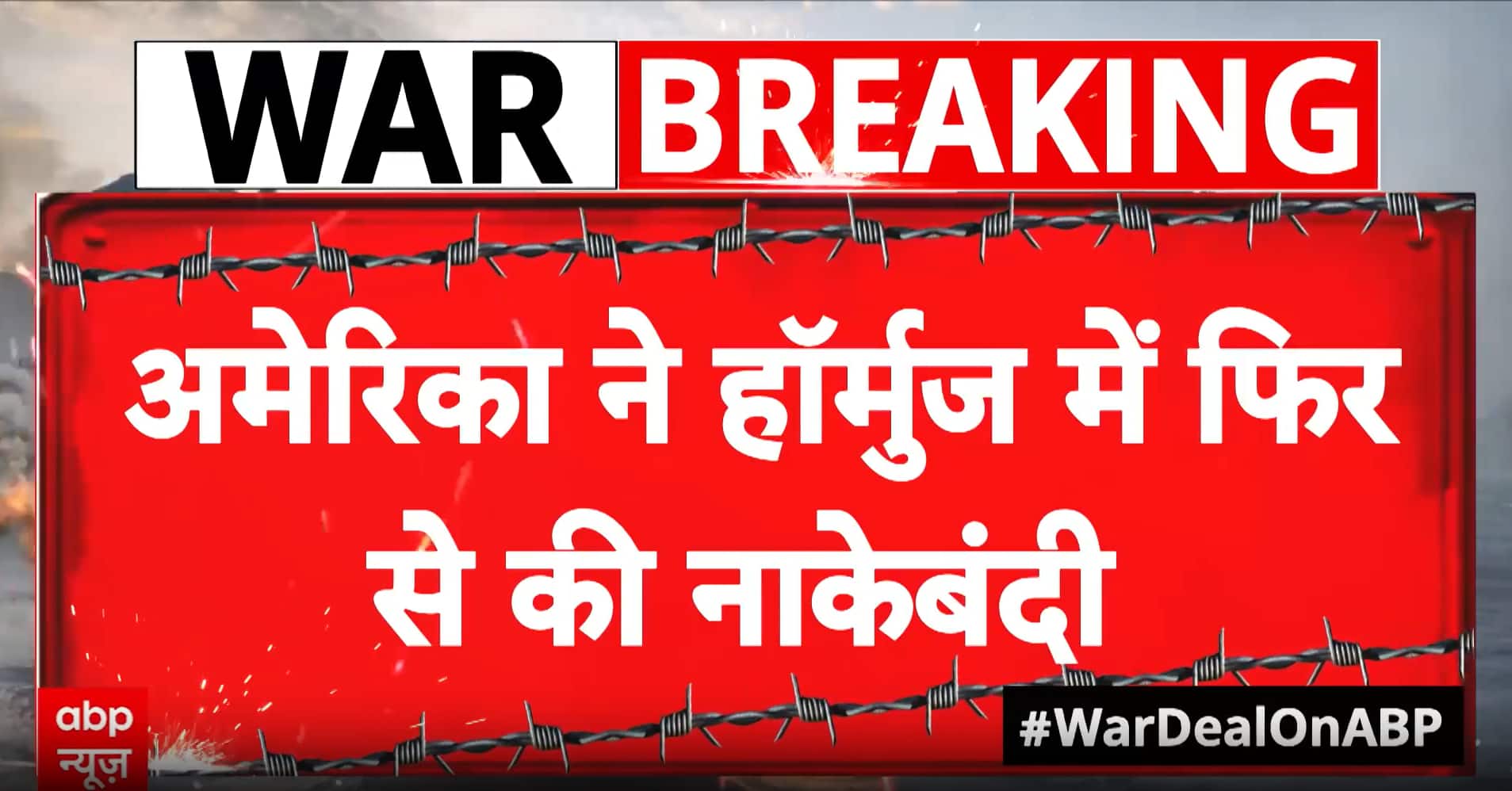
Tensions between the United States and Iran have intensified again around the Strait of Hormuz. The report claims that the U.S. military has officially restarted a naval blockade targeting Iranian ports and maritime activity. It states that the action began at 1:30 a.m. IST, following earlier warnings from Washington, with Iranian maritime access reportedly being restricted. The report further claims that U.S. President Donald Trump said the Strait of Hormuz remains open for global shipping but that Iranian cargo vessels would face a complete blockade. It also states that American warships have been deployed near the Strait of Hormuz and the Gulf of Oman as part of the operation. The development has raised fears of further escalation, as Iran is expected to respond strongly rather than accept restrictions on its maritime activities. The report portrays the situation as a direct confrontation between U.S. pressure tactics and Iranian retaliation, with the strategic waterway becoming a major flashpoint in the ongoing dispute.

Breaking News: Iran Claims Major Attack on US Base in Jordan Amid Rising Tensions

Tensions between the United States and Iran are escalating, raising concerns about the possibility of a wider international conflict. The report claims that Iran’s Islamic Revolutionary Guard Corps (IRGC) has launched a major attack on a U.S. military base in Jordan as part of what it calls “Operation Nasr Part Two.” Iranian sources reportedly claim that the attack targeted American military assets, including F-15, F-16, and F-35 fighter aircraft, as well as MQ-9 drones stationed at the base. The report presents the operation as the sixth phase of Iran’s retaliatory campaign against U.S. forces. It further states that neither Washington nor Tehran appears willing to back down, increasing fears of further escalation. However, the reported details of the attack, including damage to aircraft and military equipment, have not been independently verified. If confirmed, such an incident would represent a significant expansion of the conflict and could increase the risk of broader military involvement by regional and global powers.

Nepal court jails ex-deputy PM, home minister in fake refugee scam; 14 others convicted

Two former Nepal ministers received prison sentences for their involvement in a fake refugee document scam. Top Bahadur Rayamajhi was sentenced to four years, and Bal Krishna Khand received two years. Fourteen others were also convicted and sentenced for their roles in the alleged fraud. The investigation began in 2023 after authorities uncovered claims of Nepali citizens posing as refugees.

US Politics: Trump Faces Criticism Over Iran Deal as Questions Rise at Home

Criticism is growing in the United States over President Donald Trump’s handling of the Iran conflict and a reported deal with Tehran. The report claims that Trump expected the agreement to help end the war, reduce oil prices, strengthen his image as a peace broker, and present a diplomatic victory for the U.S. However, critics and some experts reportedly described the deal as weak and questioned whether Iran made meaningful concessions. The report states that Trump faced criticism from political opponents and some supporters, who argued that Iran gained advantages from the agreement, particularly regarding influence over the Strait of Hormuz and nuclear negotiations. It also highlights the reported costs of the earlier conflict, including military casualties, equipment losses, financial expenses, and economic pressure from rising energy prices. The report further claims that global confidence in Trump has declined, citing a Pew Research survey in which only a minority of respondents across several countries expressed trust in him. These claims reflect political criticism and should be independently verified.

Six times, same result! Yamal continues to be Mbappe's knockout nemesis

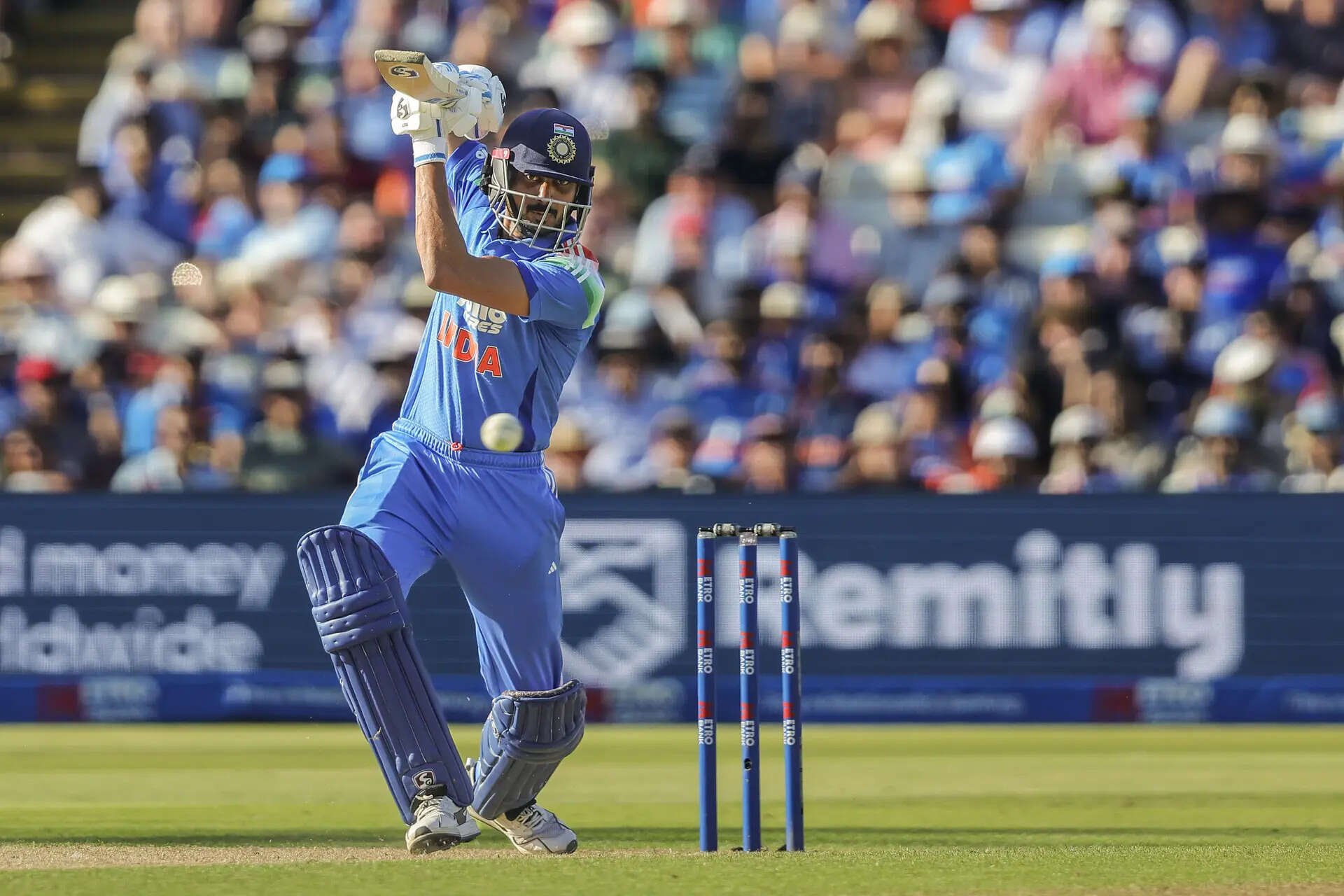
Lamine Yamal continued his flawless knockout streak, overcoming Kylian Mbappé as Spain triumphed over France 2-0 in the FIFA World Cup 2026 semifinal. This impressive win guarantees Spain a spot in the finals. Remarkably, Yamal has now achieved six consecutive victories against Mbappé in knockout rounds, showcasing the young talent's resilience in high-stakes matches.

Middle East Update: US-Iran Rivalry Intensifies Over Control of Strategic Waterway

The Strait of Hormuz has once again become the center of escalating tensions between the United States and Iran. The report claims that U.S. President Donald Trump reversed his earlier decision to impose a 20% transit fee on ships passing through the strategic waterway. Trump reportedly said that no country should be allowed to charge fees for international straits, while suggesting that Gulf nations could instead increase investments in the United States. The report highlights several previous statements attributed to Trump regarding Hormuz tolls, describing multiple policy shifts over recent months. Meanwhile, the U.S. has reportedly continued military pressure around Hormuz, while Iran has maintained that it will protect its interests and prevent threats to its national security. The report also claims that shipping activity through the Strait has declined significantly amid renewed tensions, with fewer vessels passing through the route. The disruption has raised concerns over global energy supplies, with fears of higher crude oil prices and broader economic consequences due to instability in one of the world’s most important oil transit routes.

//