Language Settings
Select Website Language
newshunt
newshunt

Filters

Channels
Topics
Other Filters

'Hindus and Sikhs of Punjab are watching the movie together,' Satluj director slams propaganda claims

Director Honey Trehan denies his film 'Satluj' is propaganda and claims it fosters unity. He states Hindus and Sikhs watched the movie together peacefully in Punjab. Trehan argues the government's intervention led to the film's removal from the platform. The film was released without completing the mandatory certification process, according to officials. 'Satluj' is inspired by human rights activist Jaswant Singh Khalra's work.

Quote of the day by Mariah Carey

Mariah Carey, the Songbird Supreme, has influenced music for decades with her vocal range. Her journey highlights persistence and believing in oneself to achieve dreams. Carey's early career saw significant success and Grammy awards for her debut. She later faced personal challenges and was diagnosed with bipolar disorder. Despite a tumultuous career, her music continues to top charts and inspire listeners.

'The Odyssey': Anne Hathaway on how her marriage inspired her role

In her preparation for the character Penelope, Anne Hathaway draws heavily from her almost fourteen years of marriage to Adam Shulman, revealing how their relationship shapes her acting. At the film premiere, she also touched upon her pregnancy with their third child. Hathaway and Shulman met in 2008, and she quickly recognized him as her soulmate, a sentiment echoed by her co-star Matt Damon regarding marital inspiration.

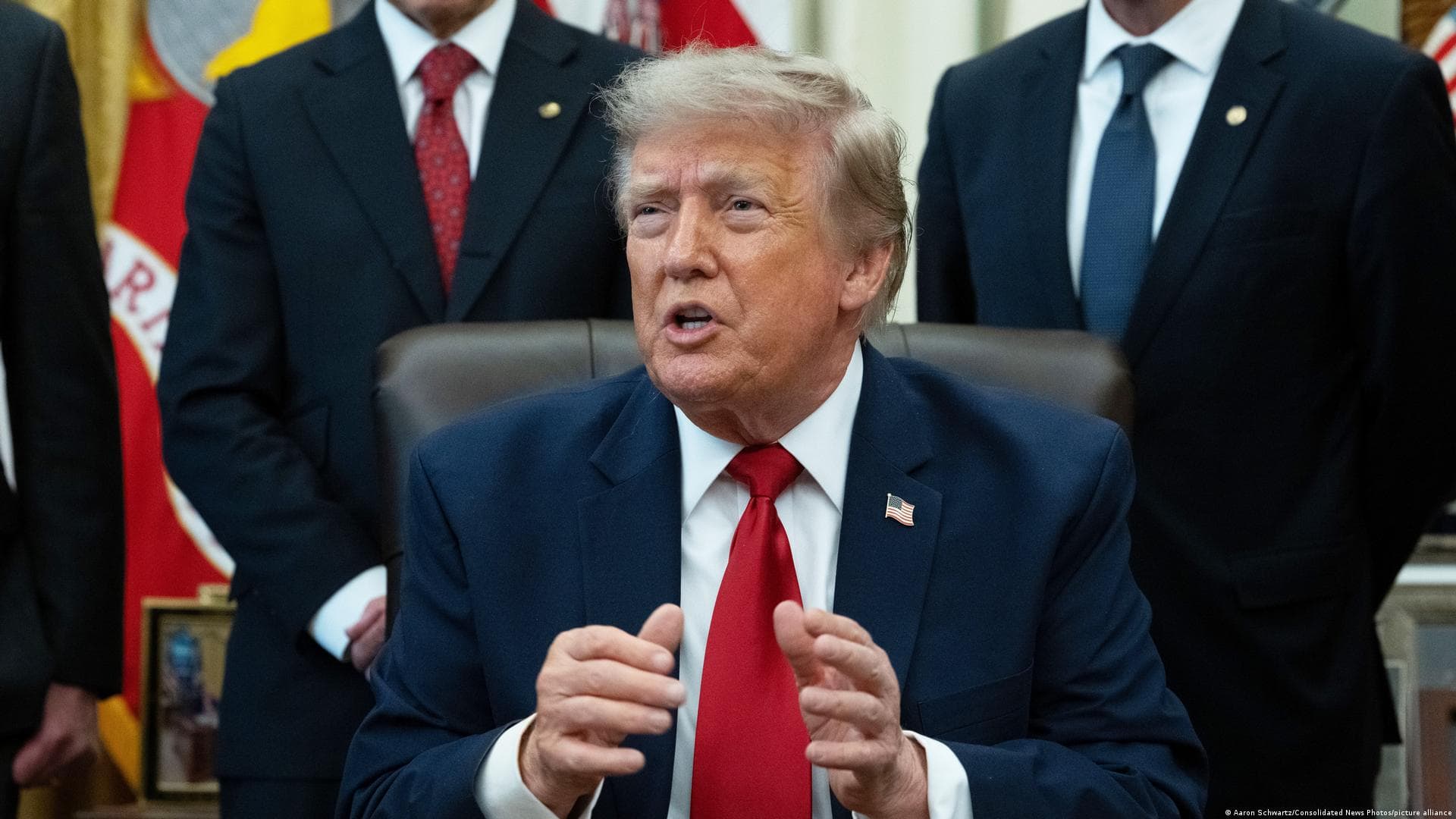
Trump's Big Warning To Iran: Strikes Will Continue Until 'I Say It's Enough'

Trump threatens strikes on Iranian infrastructure US reimposes its naval blockade on Iranian ports amid continuing strikes on shipping Iran's Revolutionary Guards say the Strait of Hormuz will remain closed Jordan Says It Intercepted Iranian Missiles Jordan's military said it shot down three missiles launched by Iran that were heading toward the kingdom. The announcement came after Tehran claimed responsibility for the attack amid escalating tensions in the region. According to Jordan's state-run Petra news agency, the missiles were intercepted without causing damage. Petra also quoted a military source as saying the armed forces would respond to "any breach or threat to Jordanian airspace in accordance with the approved rules of engagement" and would take all necessary measures to protect the kingdom's sovereignty and security. ALSO READ | Breaking News: Iran Reportedly Targets US Bases Across Gulf Region Amid Rising Conflict Iran claims Strike On US Fifth Fleet Facilities In Bahrain Iran's Islamic Revolutionary Guard Corps said it targeted facilities linked to the US Navy's Fifth Fleet in Bahrain. In a statement, the Guards said the attack was aimed at command-and-control centers, logistics facilities, fuel depots and military equipment sites. Tehran described the move as a response to recent US military actions in the region and efforts to control the Strait of Hormuz. The Revolutionary Guards also warned that if Washington attempts to restrict oil and gas exports by controlling regional shipping routes, other export routes serving US and allied interests could be shut down as well. The statement said energy exports in the region would be "for everyone or for no one." Earlier on Wednesday, Bahrain'sInterior Ministry said air raid sirens had sounded and urged residents to remain calm and seek shelter. ALSO READ | Trump Drops 20% Hormuz Cargo Fee Threat As US Tightens Blockade On Iran Ports Iran Says Strait Of Hormuz To Remain Closed Iran's Revolutionary Guards (IRGC) said early Wednesday that shipping through the Strait of Hormuz would remain closed until the US ends "acts of aggression." The announcement came after President Donald Trump said the US would reimpose a blockade on Iranian-aligned shipping through the strait. "Oil and gas exports from the region will either be available for everyone or for no one," the IRGC said in a statement. Iran's newly established "Persian Gulf Strait Authority" said it would issue "permits" for passage once "stability and calm are restored." The US maintains that international shipping routes through the strait remain open, although traffic has dropped significantly in recent days from the wartime high seen in June. US Central Command (CENTCOM) says it has hit dozens of Iranian military targets near the strait and elsewhere along the Iranian coastline to "degrade Iran's ability to threaten commercial shipping and civilian crews." US Completes New Wave Of Strikes On Iran The US military said it completed another round of strikes against Iran, targeting dozens of military sites near the Strait of Hormuz and along Iran's southern coast. US Central Command, or CENTCOM, said fighter jets, drones and naval vessels took part in the seven-hour operation, hitting missile and drone sites, naval assets and coastal defense systems. According to CENTCOM, the strikes were intended to further reduce Iran's ability to threaten commercial shipping and civilian crews in the region. The attacks took place on the same day that the United States reinstated its naval blockade on vessels travelling to and from Iranian ports. US Central Command added that American forces remain ready to carry out further operations if ordered. Kuwait Intercepts Iranian Drones Kuwait's military said it was intercepting what it described as hostile Iranian drones, as regional tensions continue to escalate. In a statement, the Kuwaiti armed forces said air defenses were responding to "hostile drone attacks following the nefarious Iranian aggression." Meanwhile, neighboring Bahrain activated air raid sirens and urged residents to seek shelter. ALSO READ | FBI Adds Gangster Nitish Kaushal To Its Most Wanted List Bahrain Issues Air Raid Alert Authorities in Bahrain sounded an air raid siren on Wednesday and urged people to seek shelter, as Iranian media reported Revolutionary Guards carried out separate attacks on US targets in the region. In a post on X, Bahrain's Interior Ministry said: "The siren has been sounded. Citizens and residents are urged to remain calm and head to the nearest safe place." The warning came after the United States carried out another round of strikes against Iran and reimposed its naval blockade on Iranian ports. US Military Accuses Iran Of Attacking Commercial Ships The head of US Central Command said Iran has deliberately targeted commercial shipping in the Gulf over the past week. In a statement, Admiral Brad Cooper said Iranian forces attacked seven commercial vessels during that period, leaving "nearly a dozen" civilian crew members dead, injured or missing. Cooper also accused Iran of launching dozens of missiles and drones toward neighboring Gulf countries. ALSO READ | Trump Reimposes Naval Blockade On Iranian Ports, Threatens Strikes On Power Plants Trump Warns Iran To Make A 'Deal' Or Face More Srikes US President Donald Trump said Washington held talks with Tehran on Tuesday and urged Iran to negotiate an end to the conflict. In an interview with Fox News, Trump warned that US military action would intensify if no agreement is reached. He said Iran could face attacks on key infrastructure, including power plants and bridges. "Next week it gets really bad for them because next week comes the power plants. Next week comes the bridges," Trump said. "We're going to knock out all their power plants. We're going to knock out all their bridges unless they get to the table and negotiate," he added, repeating similar escalatory threats made earlier in the conflict. When asked how long the US strikes would carry on, Trump said "they'll continue until I say it's enough." The remarks come as US forces continue military operations against Iran and Washington enforces a renewed naval blockade on Iranian ports. US Strikes Iran As Conflict Spreads Across Region The United States has launched a fourth consecutive day of strikes against Iran, with the US military saying the latest attacks are aimed at reducing Tehran'sability to target commercial shipping in the Strait of Hormuz. The latest operation comes as a renewed US naval blockade of Iranian ports has officially taken effect. The US Central Command (CENTCO) says vessels are now barred from travelling to and from Iranian ports and coastal areas. CENTCOM added that more than 20 US Navy warships and hundreds of military aircraft are currently operating across the Middle East. Meanwhile, the conflict appears to be spreading beyond Iran. Iranian forces launched a drone attack on a military base in Jordan that hosts US aircraft, according to reports. Jordan's military said it had already intercepted four Iranian missiles on Tuesday. In Kuwait, explosions were heard in the capital overnight, while the country's armed forces said they were intercepting what they described as hostile projectiles. Iran Says US Blockade Has Voided Truce Deal Iranian Deputy Foreign Minister Kazem Gharibabadi said on Tuesday that the US naval blockade has effectively ended the Pakistan-brokered MoU signed by the US and Iran last month. Speaking to state television, Gharibabadi said the move by US President Donald Trump had, in his words, "dismantled the Islamabad memorandum." He added that Iran no longer considers itself bound by commitments under the agreement. The deputy foreign minister also described the Strait of Hormuz as a matter of national security and said Tehran would defend its "sovereignty" over the strategic waterway. The US rejects any assertion that Tehran can control shipping through international waters in the strait. US Reimposes Naval Blockade On Iran The US military early Wednesday said it had begun reenforcing a naval blockade on Iranian ports The US blockade was introduced in April in a tit-for-tat move after Iran began striking ships in the strait in response to attacks launched by the US and Israel. It was paused in June, a day after the two countries signed a memorandum of understanding aimed at ending the conflict. Before reinstating the blockade, President Donald Trump had proposed charging ships a 20% fee for passing through the Strait of Hormuz under US military protection. He later dropped the idea following requests from Gulf allies.  ALSO READ | Brussels Tower Fire Kills 2; Several Workers Feared Trapped In Elevator Welcome To Our Coverage The United States has reimposed its naval blockade on Iran as tensions between the two countries continue to rise. US President Donald Trump warned that US strikes will intensify next week if negotiations fail to produce results. The latest developments come as concerns grow that the collapse of a temporary ceasefire arrangement could lead to a wider conflict in the region. Stay with us for the latest updates and analysis. (Disclaimer: This report first appeared on Deutsche Welle, and has been republished on ABP Live as part of a special arrangement. Apart from the headline, no changes have been made in the report by ABP Live.)  

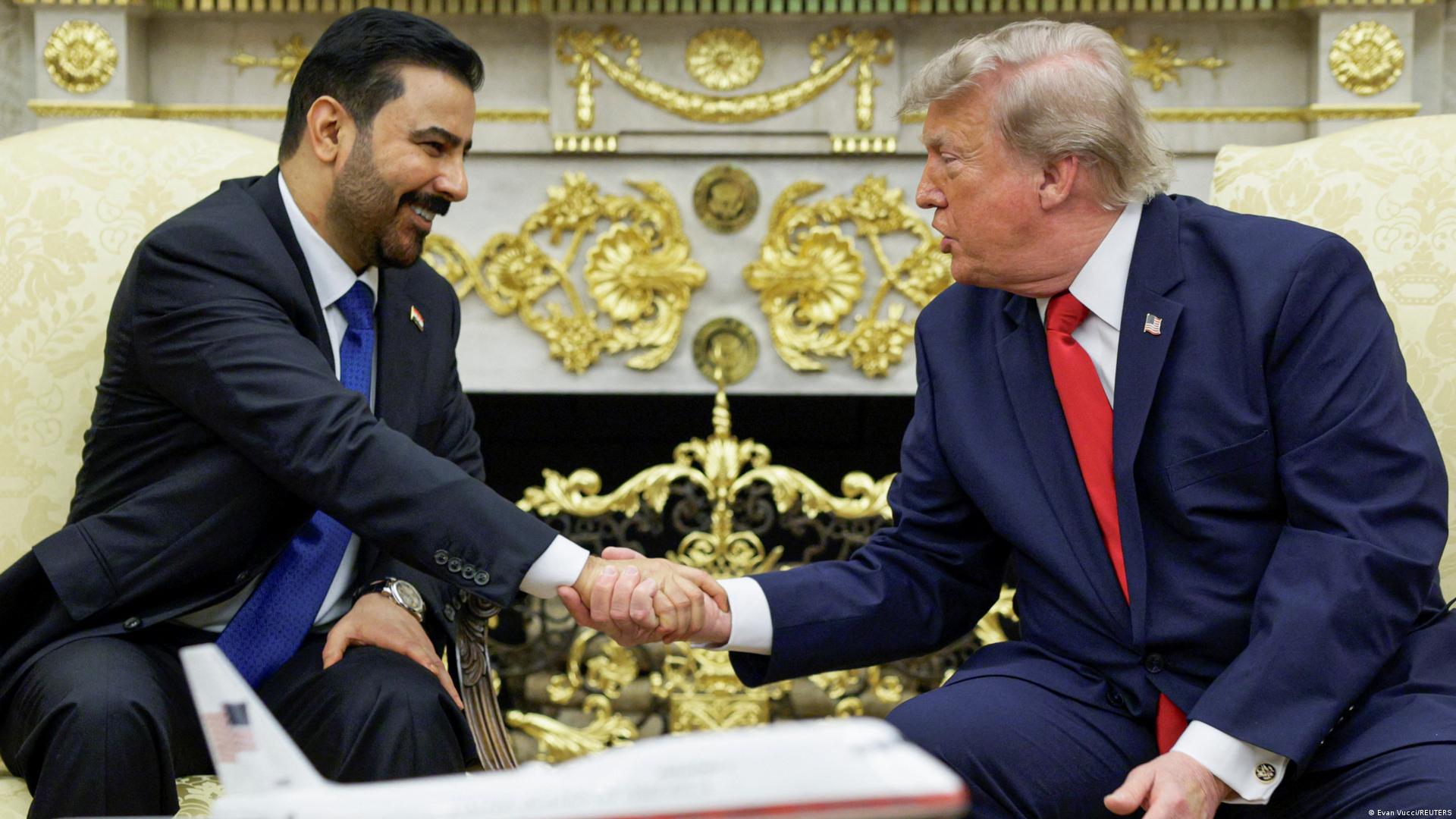
Trump Confirms US Troop Exit From Iraq, Says 'We'll Do A Lot Of Deals'

Edited by: Rana Taha US troops are set to fully withdraw from Iraq by September 30, the country's prime minister, Ali al-Zaidi, said at a meeting with President Donald Trump in Washington. "Well, we don't think we need the military there anymore," Trump said at the White House. Previously, about 2,500 US troops were deployed in Iraq, carrying out counter-Islamic State operations, but that number has declined in recent months. Al-Zaidi's government has tied the planned US withdrawal to the disarming of powerful Iran-backed militias. "On September 30th, American forces will leave, and American companies will enter," Zaidi said. "After 30 September, we will not allow any entity to bear arms outside the state." ALSO READ | Trump Drops 20% Hormuz Cargo Fee Threat As US Tightens Blockade On Iran Ports Trump Says US Will Do 'Lots Of Deals' With Iraq The main focus of al-Zaidi's trip to Washington is securing major US investment in his country's oil, gas, and power sectors. During the Oval Office meeting, al-Zaidi previewed an announcement of an "economic partnership" between the two countries. Trump said Iraq has tremendous potential because of their oil. "We're going to be doing a lot of deals," Trump said. "We're going to create a lot of jobs for both countries, and we're going to be taking out a lot of oil," Trump said, without giving details. ALSO READ | Iran Withdraws From US Truce Agreement, Blames Washington For 'Repeated Violations' Two Iraqi officials said Iraq, Chevron, TI Capital, and Qatar's UCC are set to sign a deal Friday to build a 2 million-barrel-per-day oil pipeline linking Basra to Haditha and extending to ports in Turkey and Syria. Disclaimer: This report first appeared on Deutsche Welle, and has been republished on ABP Live as part of a special arrangement. Apart from the headline, no changes have been made in the report by ABP Live. for DW

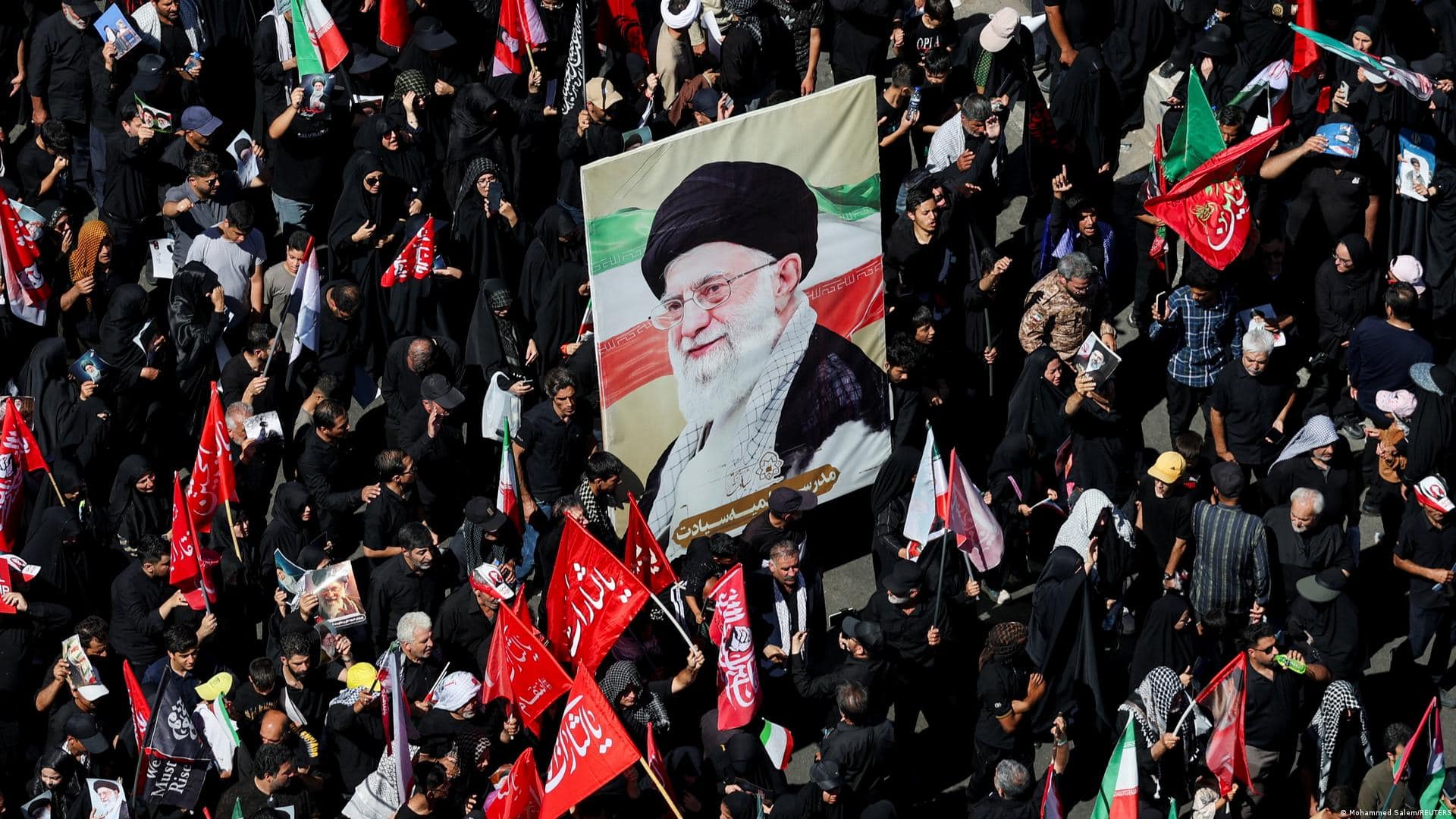
Iranian Newspaper Releases List Of 13 World Leaders 'Wanted' For Khamenei's Assassination

Tehran's ultraconservative Hamshahri newspaper published images of 13 international politicians "wanted" for the death of former Supreme Leader Ali Khamenei, along with a statement claiming that the politicians would pay the ultimate price. Among the politicians was German Chancellor Friedrich Merz, of the Christian Democrats (CDU). In addition to Merz, it also featured US President Donald Trump, Israeli Prime Minister Benjamin Netanyahu, French President Emmanuel Macron and Italian Prime Minister Giorgia Meloni, among other politicians. In the images, all of them are wearing orange prison uniforms, as are common in the United States. Many European countries have supported the US and Israeli attacks on Iran since February, including by giving them permission to fly through their airspace. Merz in early March: 'The mullah regime is coming to an end' After US and Israeli attacks on Iran began in early March, Merz said that the German government shared the relief felt by many Iranians that this regime was now coming to an end. He went on to say: "We share the interest of the United States and Israel in seeing an end to this regime's terror and its dangerous nuclear and ballistic armament." Thus far, however, the regime remains in power. Ayatollah Ali Khamenei was killed at the very start of the campaign against Iran. His son, Mojtaba Khamenei, is now his successor. In a written statement, Mojtaba Khamenei announced "retaliation" for his father's death. Last week's online article in the widely read Iranian newspaper stated: "Retaliation is inevitable. The criminals will take their wish for a peaceful death to the grave." It was not included in the Sunday print edition of Hamshahri, and it was deleted from the website by the beginning of this week. ALSO READ: Trump Reimposes Naval Blockade On Iranian Ports, Threatens Strikes On Power Plants Government Officials say attacks by Iran should be expected Even so, German government officials as well as the opposition environmentalist Green Party, expressed concern. Marc Henrichmann, the chairman of the Bundestag oversight committee responsible for monitoring Germany's intelligence agencies, said: "We have to assume that Iran's intelligence services are planning attacks in Europe as well." German security agencies are particularly concerned about what are known as "disposable agents," or individuals who are only recruited to carry out a single attack. Sebastian Fiedler, spokesperson for domestic policy for the parliamentary group of the center-left Social Democratic Party (SPD), expressed similar concerns. He told the newspaper Die Welt that he saw a high threat level, and that current events reinforced this assessment. He explained that the current situation is likely to "stir up extremist groups and mobilize lone actors." However, many politicians also added that the chancellor is already under extremely tight security and that increased security measures for Friedrich Merz are not necessary at this time. The vice president of the Bundestag, Green Party politician Omid Nouripour, was born in Iran. Nouripour told DW: "In Germany, we have had many past experiences with state-sponsored terrorism exported by Iran. The newspaper would not have been able to get the death threat past the censors if the regime hadn't wanted it. So we have to take this seriously. When a regime targets our head of government, that is hostile behavior and should be treated as such." As for the German government, its response has been very reserved. At Monday's routine press conference, deputy spokesperson Steffen Meyer said only that they had taken note of the death threat and declined to comment further. ALSO READ: Trump Drops 20% Hormuz Cargo Fee Threat As US Tightens Blockade On Iran Ports Authorities estimate some 180 potentially dangerous individuals in Germany One thing is clear, however: Security experts are not prepared to rule out the possibility of Iranian terrorist activities in Germany. Authorities estimate that there are around 180 individuals in Germany who are active either on behalf of the powerful Iranian Revolutionary Guards or for the Iranian intelligence service. In response to an inquiry from the online portal Euractiv, the Federal Office for the Protection of the Constitution, Germany's domestic intelligence agency, stated as early as May that the Iranian intelligence service has long been prepared to resort to actions tantamount to state terrorism. According to the agency, "these include everything from threats against specific individuals to intelligence gathering aimed at planning potential attacks." The Office for the Protection of the Constitution further stated that the Iranian security apparatus has been significantly weakened by the ongoing attacks in Iran. However, there are fears that Tehran could redirect its activities abroad once pressure on the regime eases — for example, after an official end to the war. Disclaimer: This report first appeared on Deutsche Welle, and has been republished on ABP Live as part of a special arrangement. Apart from the headline, no changes have been made in the report by ABP Live.

Soni Razdan, Shabana Azmi, Swara Bhasker rally behind Sonam Wangchuk

Film personalities are urging activist Sonam Wangchuk to end his hunger strike. Concerns are growing over his deteriorating health after weeks of fasting. Shabana Azmi and Soni Razdan have appealed for his well-being and continued leadership. Other celebrities and writers also joined calls for him to end the fast. Wangchuk is protesting alleged NEET examination irregularities and demanding minister's resignation.

Samsung Galaxy Unpacked Lineup Leaks In Full Glory: Galaxy Z Fold 8 Ultra, Galaxy Z Flip 8, Galaxy Watch Ultra 2 Revealed

Samsung Galaxy Unpacked: Samsung's next major product showcase is almost here, and a fresh leak has seemingly revealed the company's entire Galaxy Unpacked lineup ahead of the official announcement. As reported by Android Headlines, a new set of official-looking renders offers a detailed look at Samsung's upcoming foldable smartphones and smartwatches that are expected to debut on July 22. The leaked images provide one of the clearest previews yet of the devices Samsung could unveil during its Galaxy Unpacked event in London. ALSO READ: As Galaxy Unpacked Nears, Samsung CEO TM Roh Pitches Thinner Foldables & More Personal AI Galaxy Z Fold 8 Series And Galaxy Z Flip 8 Appear In New Leak Among the leaked promotional images are renders featuring the Galaxy Z Fold 8, Galaxy Z Fold 8 Ultra, and Galaxy Z Flip 8. One image reportedly showcases all three foldable smartphones together, giving a closer look at Samsung's next-generation foldable portfolio. The renders suggest Samsung is preparing a broader foldable lineup this year, with the Galaxy Z Fold 8 Ultra expected to sit above the standard Galaxy Z Fold 8 as a more premium offering. The Galaxy Z Flip 8 is also seen alongside the book-style foldables, highlighting the company's continued focus on both foldable form factors. Exclusive Colour Options Surface Ahead Of Launch The latest leak also sheds light on new colour variants that may be available through Samsung's online store. According to the report, the Galaxy Z Fold 8 could be offered in an online-exclusive Pistachio finish, while the Galaxy Z Flip 8 may arrive in a Mint colour option. These shades appear in the leaked promotional renders and could join the standard colour lineup expected at launch. The exclusive finishes are likely aimed at giving buyers additional customisation options beyond the colours available through retail channels. ALSO READ: You Can Get The Samsung Galaxy A27 5G For Less Than Rs 29,000 Galaxy Watch9 And Watch Ultra 2 Also Expected Samsung's smartwatch lineup also appears to have been revealed ahead of schedule. The leaked renders include the Galaxy Watch9 and the Galaxy Watch Ultra 2, both of which are expected to make their debut at the upcoming event. One promotional image reportedly pairs the Galaxy Z Fold 8 and Galaxy Z Fold 8 Ultra with the Galaxy Watch 9 and Galaxy Watch Ultra 2, while another focuses exclusively on the two smartwatch models. The images offer an early glimpse at Samsung's wearable strategy for 2026 and suggest the company is preparing updates across both its mainstream and premium smartwatch ranges. What To Expect On July 22 If the leak proves accurate, Samsung's July 22 Galaxy Unpacked event could see the launch of the Galaxy Z Fold 8, Galaxy Z Fold 8 Ultra, Galaxy Z Flip 8, Galaxy Watch 9, and Galaxy Watch Ultra 2. The event is scheduled to take place in London and is expected to be one of Samsung's biggest product launches of the year. The leaked renders were first reported by Android Headlines, offering what appears to be a near-complete look at Samsung's upcoming hardware lineup just days before the official unveiling.

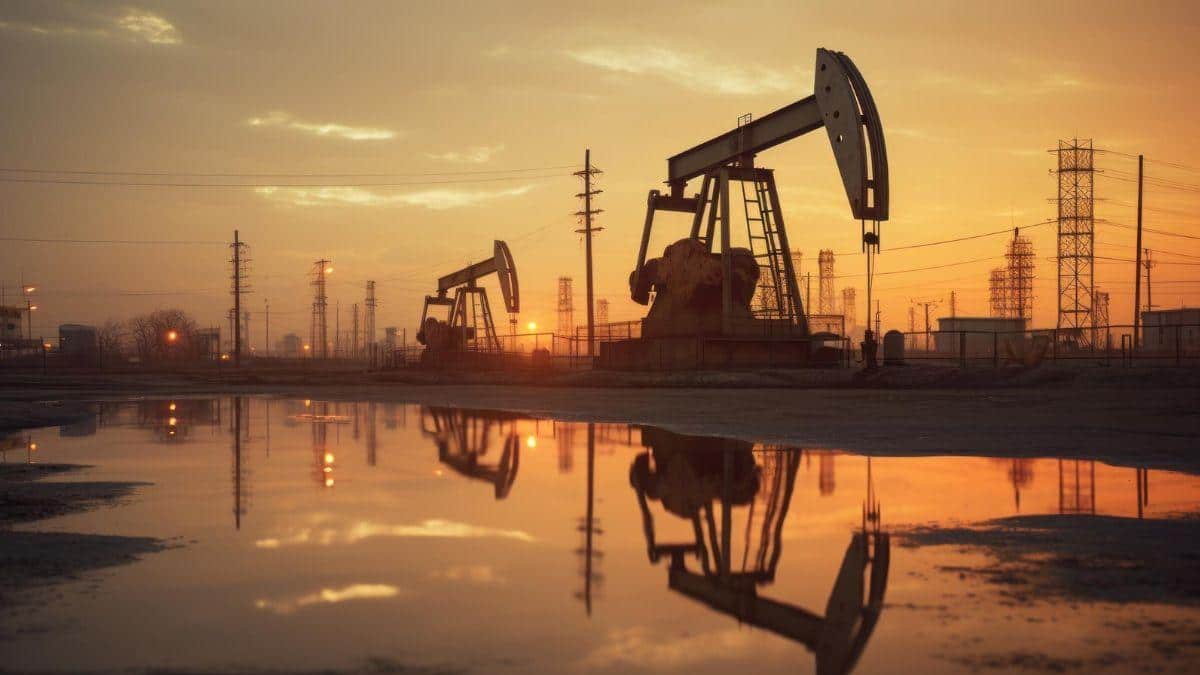
Crude Oil Prices Rise For Third Day As US Strikes On Iran Fuel Supply Fears

Crude oil futures continued their upward run for a third consecutive session on Wednesday, with domestic prices gaining more than 1 per cent as escalating military exchanges between the US and Iran renewed concerns over oil supplies from the Persian Gulf. Crude oil futures for July delivery climbed Rs 105, or 1.38 per cent, to Rs 7,689 per barrel on the Multi Commodity Exchange (MCX), according to a PTI report. The contract recorded a business turnover of 10,458 lots. The August contract also moved higher, gaining Rs 91, or 1.2 per cent, to Rs 7,665 per barrel in 8,798 lots. Fresh US Strikes Put Strait Of Hormuz Back In Focus Traders attributed the latest increase in crude oil prices to mounting geopolitical tensions in West Asia after the US intensified military operations against Iran. The escalation has once again raised concerns about crude shipments through the Strait of Hormuz, a critical route for global oil trade. Analysts said international crude prices strengthened after the US military carried out a fourth straight day of strikes targeting Tehran's military infrastructure. Washington also reimposed a naval blockade on vessels travelling to and from Iranian ports. The developments have brought oil supply risks back into focus after a fragile ceasefire collapsed and military exchanges resumed. CENTCOM Details Seven-Hour Military Operation In a statement, the US Central Command (CENTCOM) said fighter aircraft, drones and naval vessels were deployed in a seven-hour operation against Iranian military infrastructure. According to CENTCOM, Iranian missile and drone sites, naval capabilities and coastal defence systems were targeted during the operation. The US military said the strikes were aimed at weakening Tehran's ability to threaten commercial shipping through the Strait of Hormuz. The operation took place on the same day that US forces resumed a naval blockade against vessels transiting to or from Iranian ports and coastal areas, CENTCOM said. Also Read : US Cuts Hormuz Fee, Dalal Street Feels The Relief: Sensex Over 100 Points Up, Nifty Tests 24,100 Iran Retaliates With Strikes On US-Linked Installations Iran subsequently retaliated by launching strikes on US-linked military installations in Jordan and Bahrain. The exchange has raised concerns over the possibility of the conflict expanding further across the region. Analysts said the collapse of the fragile ceasefire and the continued military action between the two sides have intensified worries about crude supplies from the Persian Gulf. These concerns have kept risk premiums elevated in international oil markets. Brent Crude Climbs Above $85 Per Barrel The impact of the latest geopolitical developments was also visible in global energy markets. Brent crude futures for the September contract rose $1.05, or 1.24 per cent, to $85.78 per barrel on the ICE. Meanwhile, West Texas Intermediate (WTI) crude for August delivery gained nearly 1 per cent to trade at $80.03 per barrel on the NYMEX. Trump Withdraws Proposed Shipping Fee Amid the latest developments, US President Donald Trump withdrew his earlier proposal to impose a fee on ships passing through the strategic shipping route. Trump said the decision followed what he described as highly productive conversations with West Asian leaders. However, the US President also warned that Washington could expand its military strikes to Iran's power plants and bridges next week unless Tehran returned to the negotiating table. Crude Supply Concerns Keep Oil Prices Elevated Analysts said persistent military exchanges and uncertainty surrounding the Strait of Hormuz continue to influence crude oil prices. With the Persian Gulf remaining a key source of global crude supplies, developments affecting shipping routes in the region are being closely monitored by energy markets. Also Read : US-India Tariff Tussle Heats Up: 100% Duty Threat, Forced Labour Rules Open New Front

'We're coming for you': Lamine Yamal sends Spain World Cup final warning

Spain's teenage sensation Lamine Yamal expressed confidence after reaching the FIFA World Cup 2026 final. He posted a message indicating their intention to win the championship. Spain secured their place by defeating France 2-0 in the semifinal match. The team celebrated their victory while shifting focus to the upcoming championship game. They now await their opponent in the final match to be held in New York.

Indian Crude Basket Surges $8 In 10 Days: What It Means For Petrol, Diesel Prices

The brief relief from softer oil prices may be fading for India. The country's crude oil import benchmark has jumped by more than $8 a barrel in just 10 days, bringing fresh pressure on the energy import bill and putting expectations of petrol and diesel price cuts on hold. The Indian crude basket climbed from $68.21 per barrel on July 3 to $76.28 per barrel on July 13, an increase of $8.07 in 10 days. The renewed surge comes amid fresh escalation in the US-Iran conflict and concerns over the Strait of Hormuz, reviving pricing risks for oil marketing companies (OMCs), airlines and fertiliser producers. An $8 Jump In 10 Days Changes The Fuel Price Equation The pace of the increase is significant for India, which faces higher import costs as crude oil becomes more expensive. Pankaj Srivastava of Rystad Energy said every $10-per-barrel increase in crude translates into roughly $42 million a day in additional crude import costs for India, reported The Financial Express. The immediate pressure on OMC marketing recoveries, however, may emerge gradually because much of their near-term crude procurement has already been secured, Srivastava said. Even so, the sharp rise in the Indian basket has complicated expectations of lower retail fuel prices after crude prices eased following the earlier de-escalation in West Asia. Petrol, Diesel Price Cuts Now 'Off The Table' Manas Majumdar, Leader, Oil & Gas, Fuels & Resources at PwC India, said the renewed conflict had effectively ended near-term expectations of retail fuel price cuts. “The retail fuel price cuts we were expecting post-ceasefire are now off the table,” Majumdar said. According to him, lowering retail prices at this stage would risk pushing OMCs back into daily losses as their crude procurement costs rise. The immediate pressure could instead become visible in aviation turbine fuel (ATF) and fertiliser costs, he added. Also Read : US Cuts Hormuz Fee, Dalal Street Feels The Relief: Sensex Over 100 Points Up, Nifty Tests 24,100 Strait Of Hormuz Back In Focus After US-Iran Escalation Fresh tensions between the US and Iran have once again brought the Strait of Hormuz into focus. The strategically important corridor is critical for India's crude oil, liquefied petroleum gas (LPG) and liquefied natural gas (LNG) imports. An analyst described the recent move in oil towards $86 per barrel as “primarily a geopolitical risk repricing rather than a reflection of stronger underlying demand fundamentals”. According to the analyst, uncertainty around the Strait of Hormuz and the possibility of tighter sanctions on Russian oil have increased supply risks. If crude remains above $85 per barrel for an extended period, India's energy import costs, currency pressures and freight and insurance expenses could rise. Such a scenario would also reduce the ability of OMCs to continue absorbing higher costs. Brent Crude Hits Four-Week High Global crude prices climbed to four-week highs on Tuesday after the US reimposed a naval blockade of Iran and renewed attacks raised fresh concerns over energy flows through the Strait of Hormuz. Brent crude gained $2.89, or 3.47 per cent, to $86.19 per barrel, its highest level since June 12. West Texas Intermediate (WTI) crude rose $1.53, or 1.96 per cent, to $79.67 per barrel, marking its highest level since June 16. “With the US-Iran conflict reigniting and the Strait of Hormuz facing closure again, Brent has already risen and could surge toward $100/bbl within days if the situation continues,” Majumdar said. Gas prices are also likely to move in tandem with crude, he added. Higher Oil Could Add Billions To India's Subsidy Burden The consequences of a sustained oil price increase could extend beyond petrol pumps. “For every $10/bbl rise in crude, India’s subsidy bill grows by roughly $13-15 billion, widening the current account deficit,” Majumdar said. He expects ATF and fertiliser costs to be among the first to feel the impact of the renewed energy price surge. India, however, is better positioned in terms of securing physical supplies after diversifying its crude sourcing to more than 40 countries, Majumdar said. “The real pain will be on pricing, not volume. Expect a 20-30% jump and a fresh scramble for non-Gulf cargoes as buyers try to hedge against Gulf supply risk.” Crude Had Fallen Sharply After June Ceasefire The latest price surge follows a significant correction in oil prices after the US-Iran memorandum of understanding was signed on June 17. The Indian crude basket had fallen to $68.86 per barrel on June 27. This was more than 56 per cent below its conflict-driven peak of $157.04 per barrel recorded on March 23, after hostilities erupted on February 28. However, the fresh escalation has once again reversed the direction of crude prices. The Indian crude basket for July is weighted 79.40 per cent towards sweet crude linked to dated Brent and 20.60 per cent towards sour Oman-Dubai grades. Freight And Insurance Costs Could Add To Import Pressure The price of crude itself is only one part of India's energy import costs. “Higher geopolitical risk translates directly into higher tanker freight rates and marine insurance premiums, increasing the delivered cost of crude oil, LPG/LNG and fertilizers,” Srivastava said. These additional expenses could push India's import costs higher even if global crude benchmarks eventually stabilise. For an economy dependent on imported energy, higher freight and insurance costs can add another layer of pressure to the overall cost of securing supplies. Will Petrol And Diesel Prices Rise Again? Despite the sharp increase in crude prices, Srivastava expects the near-term impact on retail pump prices to remain limited unless flows through the Strait of Hormuz decline to almost zero. Earlier fuel price increases have provided some buffer, while OMCs may initially absorb a part of the higher procurement and logistics costs. “Historically, retail fuel price revisions have occurred when the Indian crude basket averaged around $106/bbl. Therefore, unless crude prices sustain levels well above $110/bbl, a further increase in retail fuel prices appears unlikely,” Srivastava said. This means another petrol or diesel price hike may not be immediate. However, the prospect of a price cut has become considerably weaker following the latest crude surge. Also Read : US-India Tariff Tussle Heats Up: 100% Duty Threat, Forced Labour Rules Open New Front Crude Above $85 Could Test OMCs' Ability To Absorb Costs The duration of elevated oil prices will now be crucial. “While oil marketing companies may absorb part of the near-term impact, a prolonged price environment above US$85/bbl would progressively constrain that flexibility and increase pressure across the petroleum fuels value chain,” said Praveen Rai, Director, Grant Thornton Bharat. For now, India's diversified crude sourcing may help protect the country against a major supply shortage. But as the Indian crude basket moves higher and geopolitical risks return to the energy market, the more immediate challenge is increasingly about how much the country will have to pay for its oil.

Could Humans Soon Regrow Their Own Teeth? Tooth Regeneration Research Offers Hope

For decades, losing a permanent tooth has been considered irreversible. Once a tooth was gone, the only solutions were fillings, bridges, implants, or dentures. While these treatments restore function and appearance, they cannot fully replace a natural tooth. Now, scientists are exploring a different possibility, helping the human body regenerate its own teeth and the bone that supports them. Although this breakthrough is still far from everyday dental practice, recent research has uncovered important clues about how teeth develop, raising hopes for future regenerative treatments. Stem Cells Could Hold The Key According to research published in the National Library of Medicine, scientists are studying a tissue found at the tip of a developing tooth root called the apical papilla. This tissue contains special stem cells, including CXCL12-positive cells, which can transform into different types of cells when they receive the right biological signals. During tooth root development, oxygen levels naturally decrease around the growing tooth. This low-oxygen environment activates these stem cells, prompting them to form odontoblasts, which create dentin, the hard layer beneath tooth enamel and cementoblasts, which anchor the tooth securely to the jawbone. Researchers have also found that under certain conditions, these same stem cells can become bone-forming cells, opening new possibilities for repairing damaged teeth and supporting bone. ALSO READ | Man Shares 5 Everyday Habits That Helped Him Lose Over 60 Kg Without Crash Diets Or Intense Workout The Signals That Guide Tooth Growth Stem cells alone cannot regenerate teeth. They also need precise biological signals that tell them when and how to develop. One of the most important is the Wnt signalling pathway, which helps direct stem cells to form healthy tooth roots. If this signalling is disrupted, cells move in the wrong direction, affecting normal tooth development. Another pathway, known as TGF-beta signalling, works alongside Wnt to maintain the right balance during the growth process. Scientists are also paying close attention to the dental follicle, the tissue surrounding a developing tooth. Here, the Hedgehog signalling pathway regulates bone formation. If this signal remains active for too long, healthy bone development is affected. When properly controlled, it helps produce osteoblasts, the cells responsible for building new bone that supports the teeth. ALSO READ | Can Your Cholesterol Ratio Predict Heart Disease? Here's How To Calculate It Can Humans Regrow Teeth Yet? The short answer is not yet. While these discoveries are promising, the research is still in its early stages. Most findings have come from laboratory studies and animal experiments. Human clinical trials are still needed to determine whether these techniques are safe, effective, and practical for dental treatment. Even so, experts believe regenerative dentistry could transform oral healthcare in the future. Instead of relying solely on implants or dentures, future treatments may encourage the body to repair damaged teeth and regenerate natural dental tissues. For now, dentists continue to recommend protecting natural teeth through good oral hygiene, regular check-ups, and timely treatment. But if ongoing research succeeds, future generations may one day have the ability to regrow lost teeth naturally rather than replace them. [Disclaimer: The information provided in the article is intended for general informational purposes only. It is not a substitute for professional medical advice, diagnosis, or treatment. Always seek the advice of your physician or other qualified healthcare provider with any questions you may have regarding a medical condition.]

Swiss cows wear giant bells for a simple reason rooted in mountain life

In the picturesque Alps, cowbells play a crucial role for farmers overseeing their herds. These melodic bells make it easier to track cattle across expansive mountain landscapes, especially amid fluctuating weather conditions. Local traditions like Alpabzug honor this custom, showcasing beautifully adorned bells as part of cattle returning home. Interestingly, studies suggest cows become accustomed to these sounds, influencing their behavior.

'Maharaja Hostel' trailer promises a spooky campus ride packed with laughs and mystery

The Maharaja Hostel trailer offers a glimpse into a Malayalam horror comedy film. Students arrive at their engineering college hostel, anticipating fun campus life. Strange supernatural incidents begin to unfold within the hostel premises, causing fear. The film combines supernatural thrills with hilarious situations and an eccentric warden. Maharaja Hostel is scheduled to release in theaters on July 24.

//