Language Settings
Select Website Language
newshunt
newshunt

Filters

Channels
Topics
Other Filters

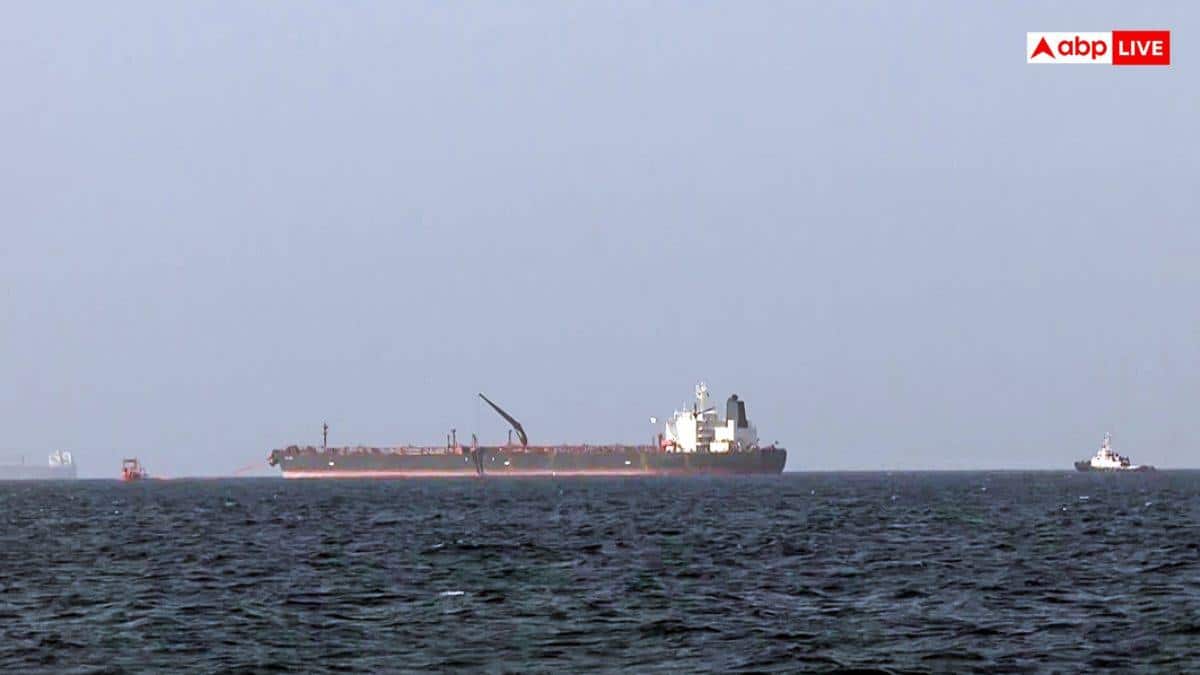
Saudi Oil Tanker Hit By Houthi Missile As US Pounds Iran For 12th Straight Night

A Saudi oil tanker was reportedly struck by a Houthi missile near Yemen on Wednesday, triggering a fire aboard the vessel in the Red Sea. The Iran-backed Yemeni group is reported to have carried out the attack as tensions across the region continued to escalate. The incident came as the United States launched its 12th consecutive night of strikes on Iranian targets, with President Donald Trump issuing another warning to Tehran over attacks on commercial shipping. The conflict has also continued to roil global energy markets, with Brent crude rising above $93 a barrel and briefly crossing the $95 mark in after-hours trading. US Continues Military Campaign Against Iran The US Central Command (CENTCOM) said American forces targeted a range of Iranian military assets during the latest operation. According to CENTCOM, the strikes hit maritime capabilities, missile and drone storage facilities, coastal surveillance sites and air defence systems. "The mission will continue to further degrade Iran's ability to threaten civilian mariners and commercial vessels transiting regional waters," CENTCOM said. The US military said the operation lasted around five hours and added that American forces have struck dozens of Iranian military sites throughout July while maintaining a naval blockade against Iran. ALSO READ | 'Attack Ships In Hormuz And We'll Blow Up Bridges, Power Plants': Trump's Open Threat To Iran Trump Issues Fresh Warning to Tehran As military operations continued, President Donald Trump warned Iran that attacks on shipping in the Strait of Hormuz would invite direct retaliation against the country's infrastructure. "From this point forward, any time the Islamic Republic of Iran shoots at a ship in the Strait of Hormuz, whether it be by Missile, Rocket, Drone, or any other device or weapon, the United States will bomb and destroy ONE BRIDGE OR POWER PLANT," Trump wrote on social media. The latest warning comes amid continuing tensions over the Strait of Hormuz, one of the world's most strategically important maritime trade routes. ALSO READ | Iran Draws Red Line On Oil Exports, Warns US Of Regional Fallout: 'If We Don't Sell Oil, No One Will' 'They'll Be Ready Very Soon': Trump Speaking later at a rally in Georgia, Trump said Iran was continuing to resist a deal despite facing sustained military pressure. "They're not ready to make a deal because every time they make a deal, they want to change it and everything. They're not ready. They'll be ready very soon," Trump said, according to the Associated Press. He also expressed confidence that oil prices would eventually decline despite the recent surge linked to the escalating conflict in the region.

Forget Lucknow And Patna, Explore India's Famous 'Mango City' This Summer

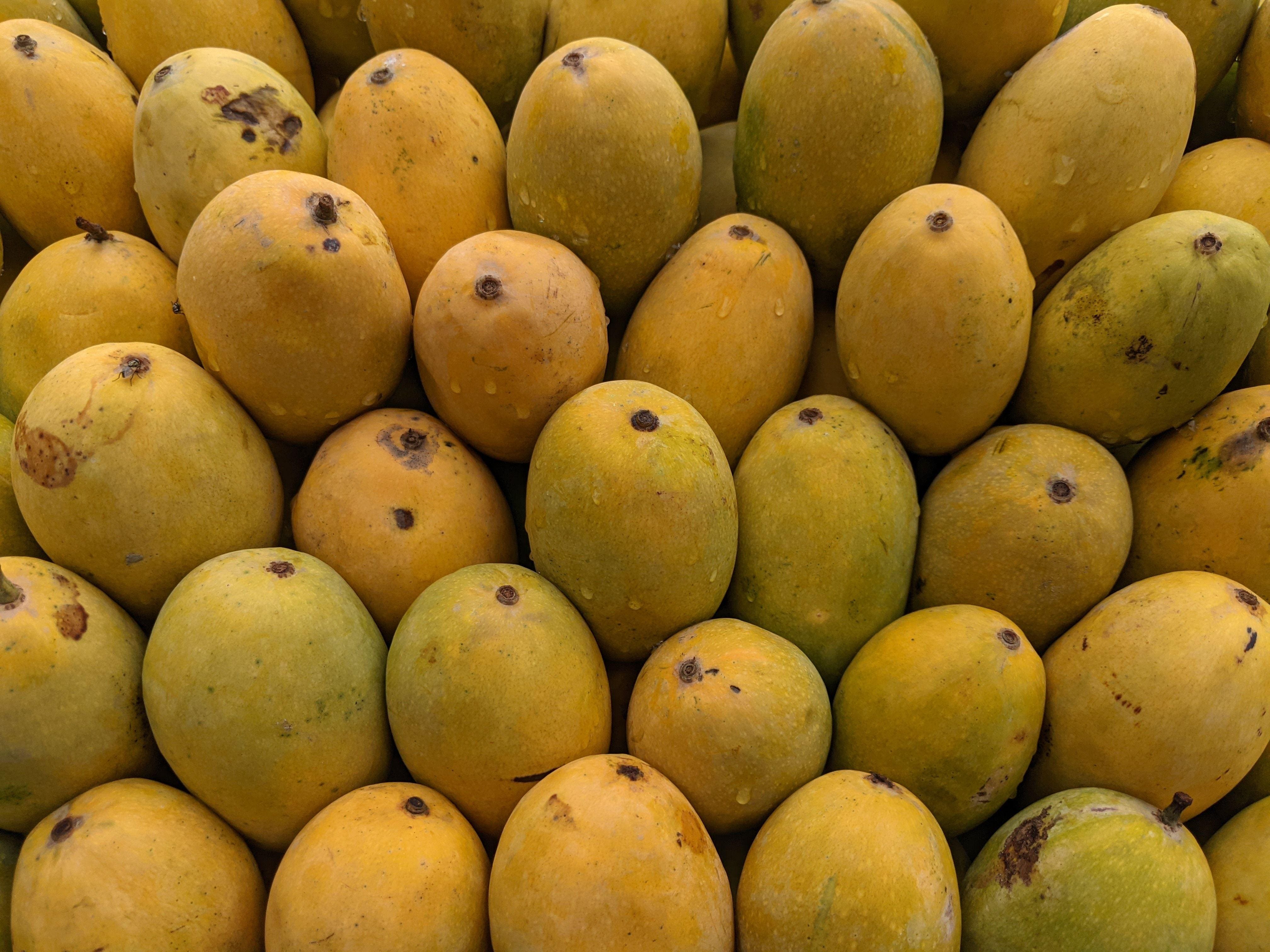
Many people assume that cities like Lucknow or Patna are India's "City of Mangoes," but that distinction is actually associated with Malda in West Bengal. As summer sets in, especially during May, this district transforms into a paradise for mango lovers. The fragrance of ripening mangoes fills the air, sprawling orchards come alive with activity, and the region offers visitors a unique glimpse into one of India's richest mango-growing traditions. The Legacy Behind Malda's Famous Mangoes Malda has earned its reputation not just because of the sheer number of mangoes it produces, but also for the exceptional quality of its fruit. The district is home to celebrated varieties such as Fazli, Himsagar, and Lakshmanbhog, each known for its distinct taste, texture, and aroma. Among them, the giant-sized Fazli mango is particularly popular for its juicy pulp and rich flavour, making it a favourite in both domestic and international markets. The secret behind Malda's world-famous mangoes lies in its fertile alluvial soil, favourable humid climate, and the generations of farming families who have preserved traditional cultivation methods. For the people of Malda, mangoes are much more than a seasonal fruit they are deeply woven into the district's economy, culture, and identity. ALSO READ | International Chess Day 2026: Can Chess Really Boost Children's Brain Power? Doctors Reveal Truth Why May Is The Best Time To Visit If you're planning a summer getaway with a difference, May is considered the ideal month to visit Malda. This is when the mango harvesting season is at its peak, and the entire district buzzes with activity. Visitors can watch farmers harvesting ripe mangoes, workers sorting and packing the fruit, and local markets overflowing with freshly picked produce. The sweet aroma of mangoes fills the streets, creating an experience that's difficult to find elsewhere. Several orchards also welcome tourists, offering the chance to walk through lush plantations, pluck mangoes directly from the trees, and taste them fresh from the source. Unlike conventional tourist destinations, Malda offers an authentic rural experience where agriculture, tradition, and local life come together. ALSO READ | How Long Can You Use Cooking Oil? Know How To Store It Right How To Reach Malda Travelling to Malda is convenient from most parts of eastern India. The district is well connected by rail, with regular trains from Kolkata and other major cities. The journey from Kolkata generally takes around six to seven hours by train. For air travellers, Netaji Subhas Chandra Bose International Airport in Kolkata is the nearest major airport. From there, visitors can continue their journey by train or road. Malda is also connected through a good network of highways, making it easily accessible by private vehicle or bus. If you're looking for a destination that combines nature, local culture, and unforgettable flavours, Malda deserves a place on your summer travel list. Beyond its famous mangoes, the district offers an opportunity to experience India's agricultural heritage up close, making it a rewarding trip for food lovers and travellers alike.

ABP Live Doc Talk | Blocked Arteries? Here's When You Need A Stent And When You Need Bypass Surgery

Coronary Artery Disease (CAD) is no longer something that happens to the elderly. Across India, there is a growing and concerning pattern of patients in their 30s and 40s walking in with significantly blocked arteries. Lifestyle-related conditions, obesity, chronic stress, and sedentary habits are largely to blame, collectively accelerating arterial damage by nearly a decade compared to what was seen in previous generations. CAD has become a disease that younger Indians simply cannot afford to overlook. Recognising CAD Symptoms And Risk Factors The symptoms of CAD are not always obvious. Chest tightness or pressure during physical activity, unexplained breathlessness, persistent fatigue, or discomfort that travels to the arm or jaw are signs that need prompt attention. That said, many patients feel nothing at all until a cardiac event occurs. For anyone with multiple risk factors, preventive cardiac screening is the smarter path rather than waiting for symptoms to appear. Lifestyle changes are equally important alongside preventive medical management. Consistent physical activity, a balanced diet, quitting smoking, and keeping stress in check are not supplementary advice; they are core to managing CAD at every stage. ALSO READ | ABP LIVE Doc Talk | Why Chest Pain Isn't Always A Heart Attack: Understanding Aortic Dissection When Stents Are Not Enough There is a widely held belief that a blocked artery automatically means a stent. This is not the case. Treatment depends on how many vessels are affected, where the blockages are, how complex they are, and the patient's broader clinical picture. Stenting, or percutaneous coronary intervention (PCI), is a well-suited treatment for single-vessel disease and acute situations. For multivessel disease, however, the evidence points clearly towards surgery for better outcomes over time and a lower likelihood of needing repeat procedures. Coronary Artery Bypass Grafting (CABG) is the gold standard when CAD becomes complex. Left main artery disease, triple-vessel disease, heavily calcified or diffuse blockages, and cases where heart function has already taken a hit are all situations where bypass surgery is the preferred route. CABG achieves complete revascularisation, meaning blood flow is restored to all affected vessels, with a level of durability that stenting cannot offer in these cases. It is not a fallback option. For the right patient, it is the best option, supported by decades of clinical evidence, with arterial grafting to the LAD restoring life expectancy towards normal. ALSO READ | ABP LIVE Doc Talk | Is Your Weight Causing Your Back Pain? Here's What Experts Say How Robotic Heart Surgery Is Changing Treatment Cardiac surgery today looks very different from what it did even a decade ago. Robotic-assisted surgery has been one of the biggest shifts in how bypass procedures are performed and experienced. The da Vinci Surgical System, for instance, allows surgeons to perform coronary bypass through small keyhole incisions rather than opening the chest entirely. The operating view is three-dimensional and high-definition, and the system translates the surgeon's hand movements into controlled, tremor-free instrument motion. In a space as confined as the chest cavity, that level of precision makes a genuine difference. The difference for patients is considerable. Smaller incisions, less pain after surgery, shorter hospital stays, a lower chance of wound complications, and getting back to daily life in weeks rather than months are all part of the picture. Usually, the procedure can be performed on a beating heart, doing away with the need for cardiopulmonary bypass and reducing the overall stress on the body. Robotic-assisted surgery has ensured that patients who need bypass surgery can approach it with far greater confidence, knowing that the same proven, gold-standard treatment now comes with significantly less disruption to their body and their life. With CAD increasingly affecting younger Indians, early screening and access to the right treatment at the right time have never mattered more.

When Is Onam In 2026? Discover The 10-Day Celebration, Rituals, And Cultural Significance

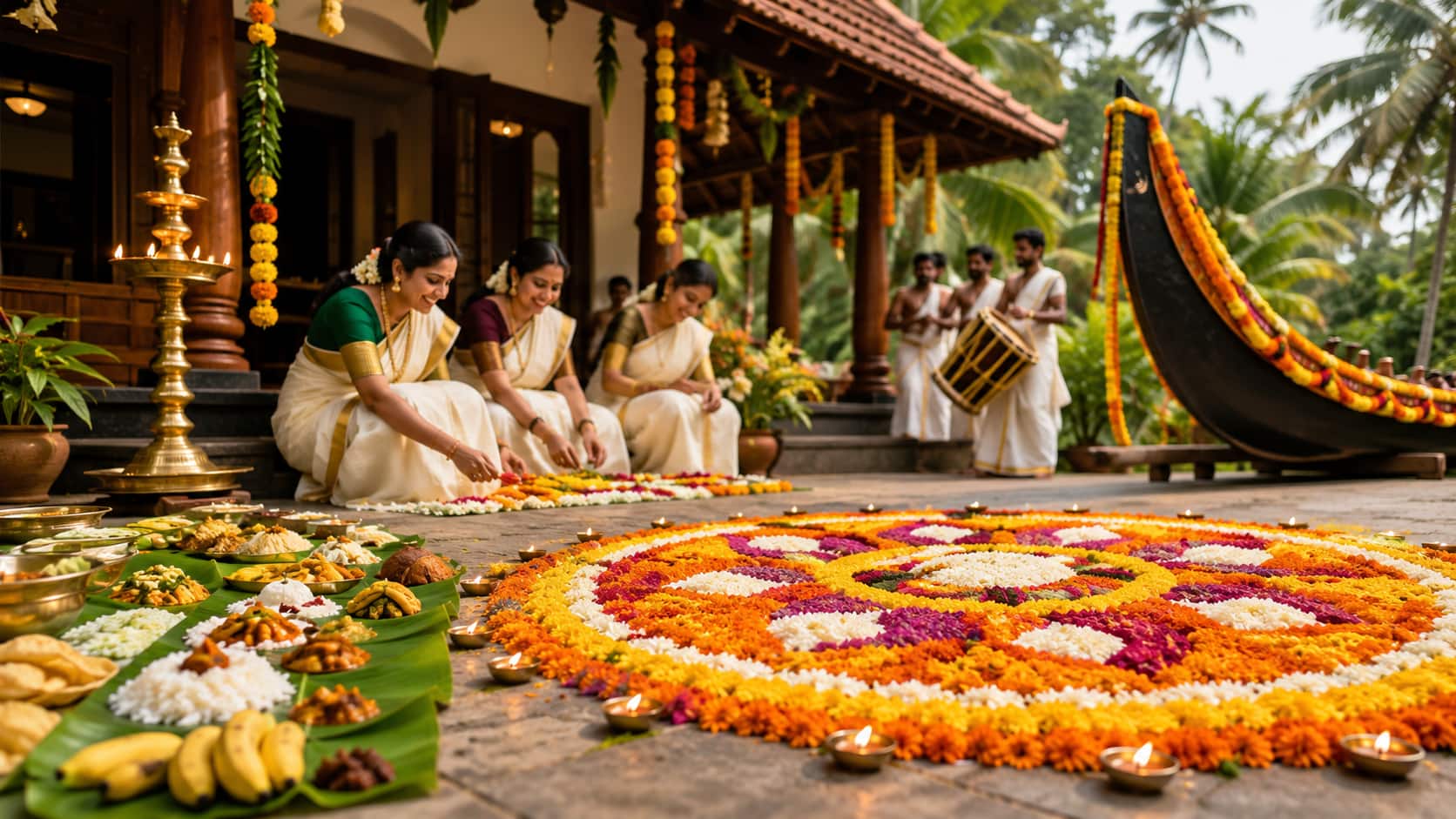
Kerala's most famous festival, Onam, will be celebrated this year on August 26, 2026. The Malayali community, in particular, celebrates it with great fanfare during the month of Chingam in the Malay calendar. Religious belief holds that Onam is a festival to welcome King Mahabali. According to the Bhagavata Purana and Vamana Purana, Lord Vishnu, in the form of Vamana, appointed King Mahabali as the ruler of the underworld. Mahabali requested the boon of meeting his subjects once a year. It is believed that Onam is celebrated in his memory on that occasion. See more information about Onam here. Onam Is A 10-Day Festival Onam begins with the Atham nakshatra and concludes on the Thiruvonam nakshatra. According to Malayali folk tradition, Onam is not just a religious festival, but a celebration of prosperity, equality, happiness, and harvest. ALSO READ | Why Is Lord Shiva Offered Water? The Story of Samudra Manthan, Halahal Poison And Neelkanth Atham: Onam begins, Pookkalam (flower rangoli) is made in homes. Chithira: Cleaning of the house and extension of Pookkalam. Chodi: Tradition of buying new clothes and gifts. Visakam: Preparations for Onasadya (special feast) begin. Anizham: Organises the famous boat race (Vallamkali). Thriketa: Gathering of family and relatives. Moolam: Special pujas and cultural programmes in temples. Poordam: Installation of the idols of King Mahabali and Lord Vamana. Uthradam: Also known as the "First Onam," it is believed that King Mahabali arrived in Kerala on this day. Thiruvonam: The main and most important day of Onam. Special pujas, Onasadya, Pookkalam, traditional dances and cultural programs are held on this day. ALSO READ | Kusha Grahani Amavasya 2026: Why Is Sacred Kusha Plucked Only Once A Year? Know Its Significance What Is The Significance Of Onasadya? Onasadhya is considered the most important attraction of Onam. It is a traditional vegetarian meal served on a banana leaf, consisting of 20 to 30 or more dishes such as rice, sambar, avial, olan, thoran, kootu curry, rasam, pachadi, inji puli, pickles, papad, banana chips, and finally payasam, or kheer. According to Malayali tradition, Onasadhya is not just a meal, but a symbol of equality, hospitality, and togetherness. On this day, family members and guests share a meal together, conveying a message of mutual love and unity. [Disclaimer: The content of this article is based solely on beliefs, and should be taken as general guidance. Individual experiences may vary. ABPLive.com does not assert the accuracy or validity of any claims or information presented. It is strongly recommended to consult a qualified expert before considering or implementing any information or belief discussed herein.]

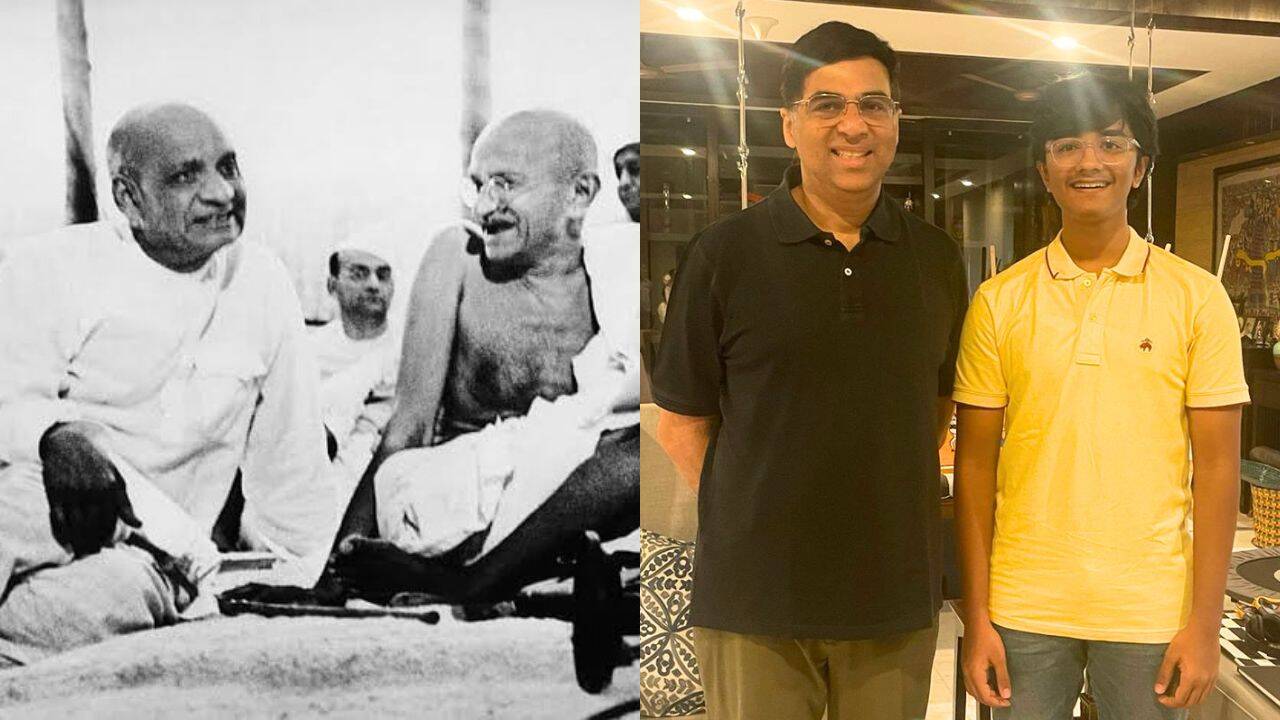
Once played by Vallabhbhai Patel, bridge seeks India's 'chess' moment: 17-yo Anshul leads its revival

Once enjoyed by Sardar Vallabhbhai Patel, bridge has faded from India's sporting landscape. Seventeen-year-old prodigy Anshul Bhatt hopes to change that. Inspired by Viswanathan Anand's belief that bridge is where chess was two decades ago, Anshul is winning world titles, mentoring young players, conducting research, and building a movement to give the mind sport its long-awaited breakthrough in India.

Scientists claim Moon is drifting away from Earth at 3.8 centimetres a year. What will happen to the planet as it goes further?

The Moon is gradually distancing itself from Earth, which has significant implications for our planet. Over millions of years, this migration will result in extended daylight hours and the end of total solar eclipses. Furthermore, the weakened tides will disrupt coastal ecosystems and marine life. As the Moon ascends to a higher orbit, Earth's rotation continues to decelerate, marking a slow but profound transformation in our natural environment.

IPL investment later, The Hundred continues to be a family affair

The Hundred, the unique tournament featuring 100-ball innings, is back with its sixth edition. Much has changed, and yet not a lot has changed. It still has eight teams, still features 100-ball innings where bowlers can bowl spells of five or 10 consecutive balls, and is still objectively meant to quicken the game and feature double headers - men and women - on the same day.

Iran Draws Red Line On Oil Exports, Warns US Of Regional Fallout: 'If We Don't Sell Oil, No One Will'

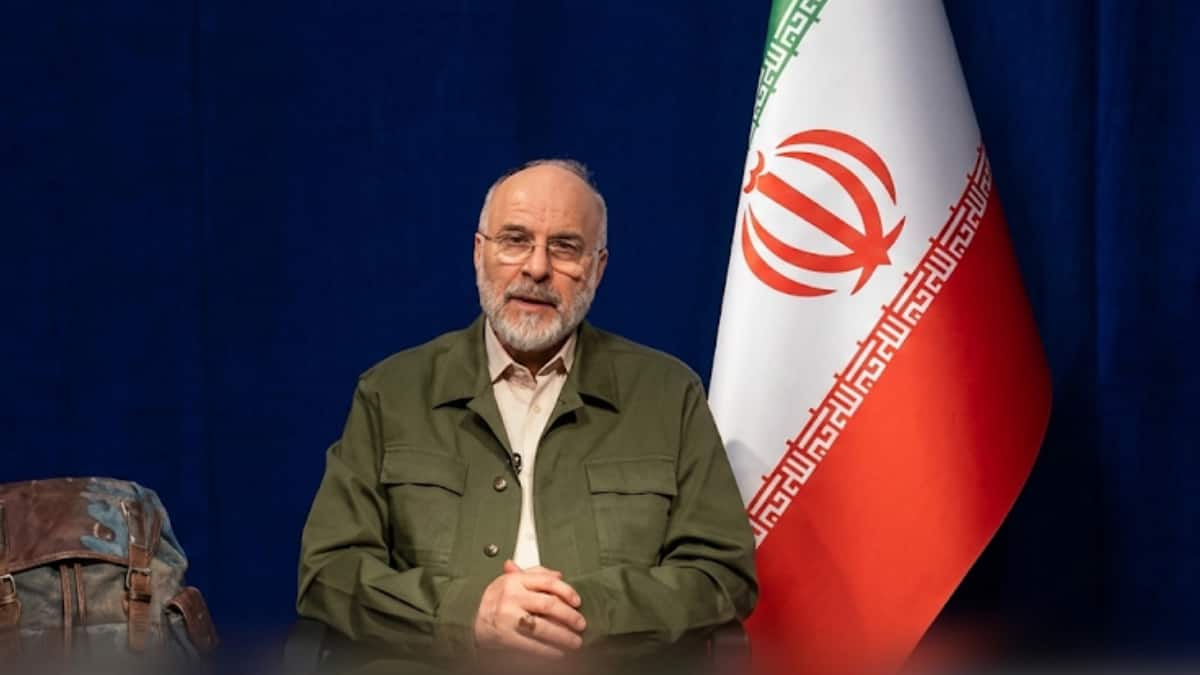
Iran's Parliament Speaker and chief negotiator, Mohammad Bagher Ghalibaf, has declared that Tehran will not allow the Strait of Hormuz to return to its pre-war status, signalling that the strategically vital waterway will remain a key point of contention with the United States. His remarks came as tensions between Washington and Tehran escalated further, with US President Donald Trump warning of military retaliation against Iranian infrastructure if ships transiting the strait come under attack. Ghalibaf Says Strait's Security Hinges On US Withdrawal In a post on X, Ghalibaf said the regional confrontation had reached what he described as an "all or none equation," arguing that the future security of the Strait of Hormuz depends on the departure of American forces from the region. "In a region where we do not sell oil, no one will sell oil. If our security is not ensured, no infrastructure will be safe, and the security of the strait is in the absence of American forces. We have repeatedly said that the situation of the strait will not return to pre-war conditions," he wrote. معادلهٔ این جنگ مشخص است: یا همه یا هیچکس!در منطقه‌ای که ما نفت نفروشیم، کسی نفت نخواهد فروخت. اگر امنیت ما تأمین نشود، هیچ زیرساختی ایمن نخواهد بود و امنیت تنگه در نبود نیروهای آمریکایی است. بارها گفته‌ایم که وضعیت تنگه به قبل از جنگ باز نمی‌گردد. — محمدباقر قالیباف | MB Ghalibaf (@mb_ghalibaf) July 22, 2026   ALSO READ: Kerala Sailor's Family Awaits Information On Return Of His Mortal Remains From Ukraine The statement also underscored Iran's position that if its crude oil exports are prevented, it would not permit other Gulf nations to continue exporting oil through the strategic waterway. Trump Threatens Strikes On Iranian Infrastructure Ghalibaf's comments followed a fresh warning from Trump, who said the United States would target Iranian infrastructure if Tehran attacked commercial shipping in the Strait of Hormuz. "From this point forward, any time the Islamic Republic of Iran shoots at a ship in the Strait of Hormuz, whether it be by Missile, Rocket, Drone, or any other device or weapon, the United States will bomb and destroy ONE BRIDGE OR POWER PLANT, including those located next to, or in, the Capital City of Tehran," Trump wrote in a post on his Truth Social platform. Trump repeated the warning on Wednesday, saying that any Iranian attack on vessels using missiles, rockets, drones or other weapons would prompt US strikes on bridges, power plants and other infrastructure. He added that potential targets could include facilities "next to, or in, the capital city of Tehran." Strait oOf Hormuz Remains Centre Of Escalating Conflict The latest exchange comes after nearly two weeks of escalating military action between the United States and Iran following the collapse of a temporary ceasefire linked to disagreements over the Strait of Hormuz. Since then, US forces have carried out multiple strikes inside Iranian territory, while Iran has responded by targeting American military installations across the Gulf. The Strait of Hormuz, through which a significant share of the world's oil supply passes, remains at the heart of the dispute. Iran maintains that recent understandings give it a greater role in determining how the waterway is managed. Meanwhile, Iranian state television reported that American missile strikes hit locations near the western cities of Ahvaz, Ramshir and Andimeshk. State media also said two people were killed in a US missile strike on the border town of Shalamcheh early on Thursday.

'P*** Espanya': Spain's Ferran Torres WC mural vandalised in Barcelona

A mural honouring Spain's World Cup hero Ferran Torres was vandalised within 24 hours of being unveiled in Barcelona. Created by street artist TVBoy, it was repeatedly defaced with political graffiti, including "volem seleccions catalanes" ("we want Catalan national teams"), before being removed by city authorities. Despite its brief existence, the artwork highlighted the intersection of football, art and Catalan politics.

More pulp, less tax: Govt panel hits the sweet spot with 'aam' proposal to help Totapuri farmers

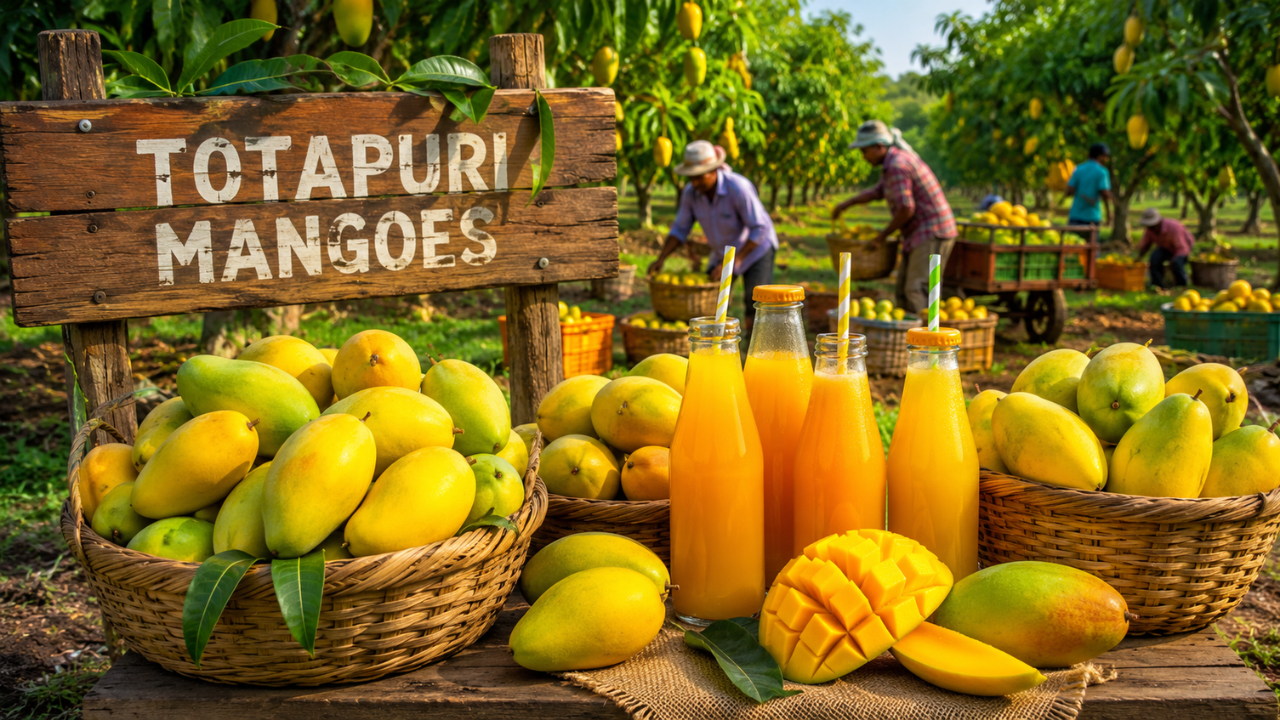
The government proposes a 5% GST rate for mango drinks with 22-25% real pulp. This move aims to revive Totapuri mango pulp demand and improve beverage quality. An expert committee studied Totapuri price declines and suggested solutions for farmers. Recommendations include price stabilization committees and orchard rejuvenation techniques. The government will consult ministries to finalize standards and the tax structure.

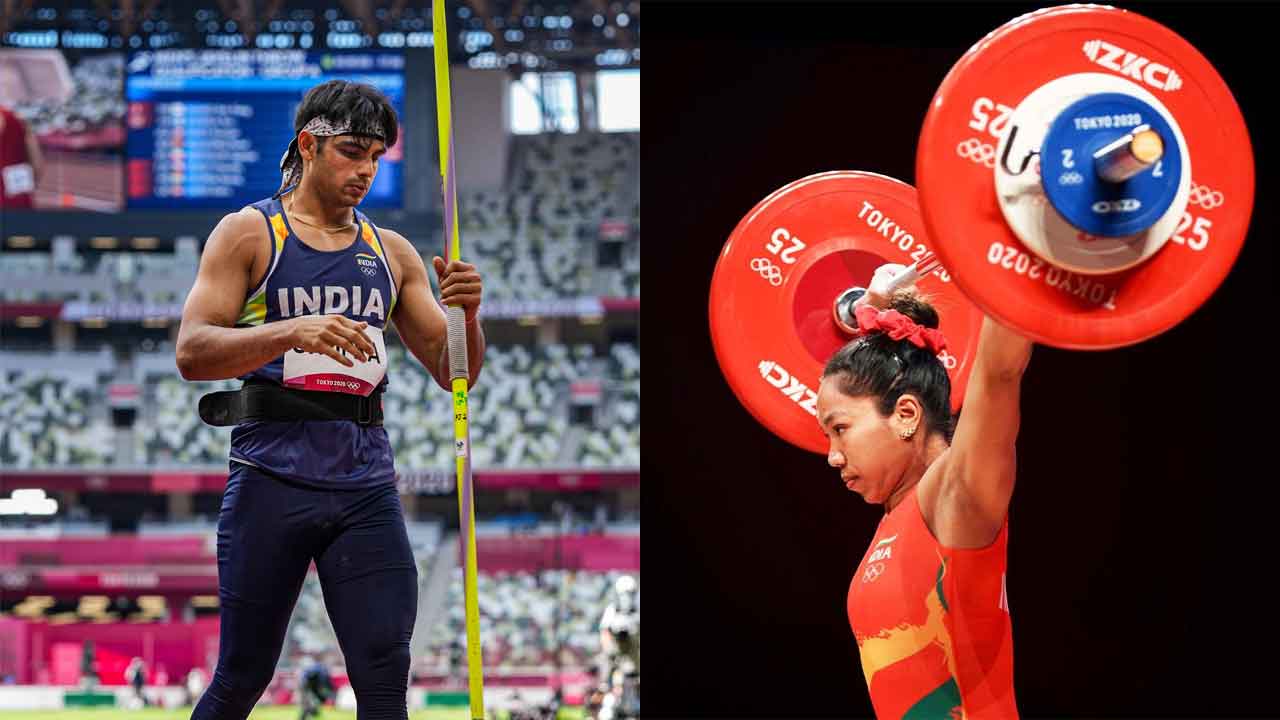
Neeraj Chopra, Mirabai Chanu lead India's medal hopes at CWG 2026

India begins its Commonwealth Games campaign in Glasgow with a compact contingent. The program features ten sports, a significant reduction from previous games. Athletics forms the backbone of the campaign with many competitors. Mirabai Chanu and Lovlina Borgohain are key figures for India. Glasgow offers a learning opportunity before India hosts the games in 2030.

//