Language Settings
Select Website Language
newshunt
newshunt

Filters

Channels
Topics
Other Filters

US Attacks Iran For 12th Night, Tehran Claims Kuwait Strikes As Red Sea Tensions Rise

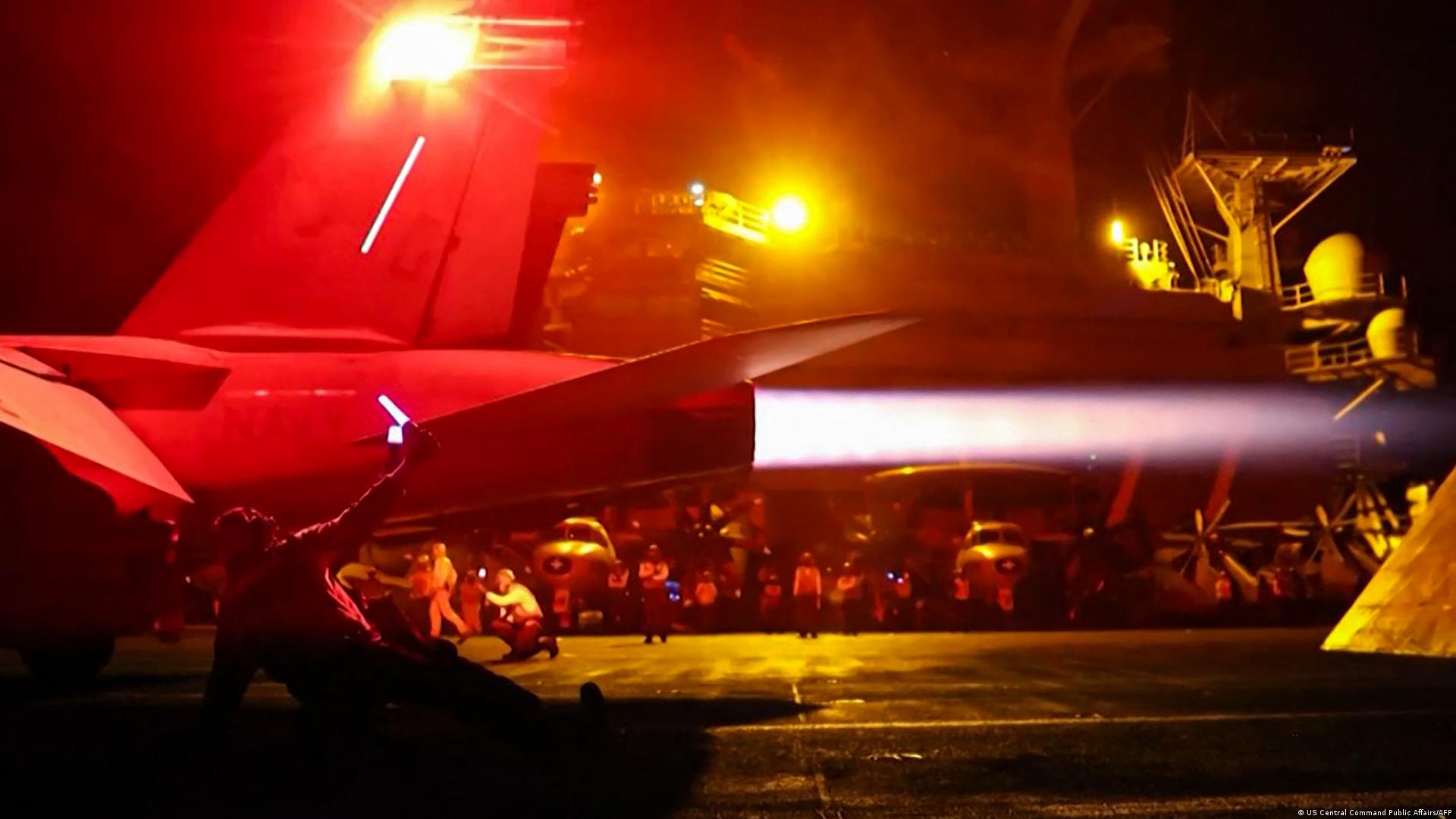
US launches 12th consecutive night of strikes on Iran A US-Iran ceasefire deal fell apart on July 8 Yemen's Houthis attack Saudi oil tankers in Red Sea, say the tankers violated a naval blockade Trump admin announces historic US-Saudi Arabic nuclear energy deal Iran says it hit US baes in Kuwait Iran has carried out strikes on US targets in Kuwait, Iran's semi-official Fars news agency reported on Thursday. Fars cited Iran's Revolutionary Guards (IRGC) as saying that they had attacked Udairi landing zone in northwestern Kuwait, as well as the Ali Al Salem air base that lies nearly 60 kilometers (37.3 miles) west of Kuwait City. Meanwhile, the Iranian army said that it had attacked the Arifjan base in the south and also the Doha base near the Kuwaiti capital. US forces complete 12th consecutive night of strikes on Iran US Central Command, or CENTCOM, says American forces have completed another round of strikes against Iran. According to CENTCOM, the operation targeted Iranian maritime capabilities, missile and drone storage facilities, coastal surveillance sites and air defense assets. The US military said the strikes were aimed at further reducing Iran's ability to attack commercial shipping and civilian mariners. The latest operation comes as Washington continues both its air campaign and naval blockade against Iran. CENTCOM said US forces have redirected nine commercial vessels and disabled one ship in recent weeks to prevent traffic to and from Iranian ports. The US military also said that more than 50,000 American service members are currently deployed across the Middle East and remain on high alert as tensions with Tehran continue. READ: US and Saudi Arabia reach historic nuclear energy deal The United States said on Wednesday it had signed a civilian nuclear cooperation agreement with Saudi Arabia, alongside a separate bilateral safeguards pact. US Energy Secretary Chris Wright signed the agreements with Saudi Energy Minister Prince Abdulaziz bin Salman. Yemen's Houthis says they targeted Saudi oil tankers in Red Sea Yemen's Iran-aligned Houthi movement says it has targeted two Saudi oil tankers in the Red Sea, escalating tensions around one of the world's key energy shipping routes. The group identified the vessels as the Encelia and Layla, saying they were attacked with ballistic and cruise missiles for allegedly violating a Houthi naval blockade on Saudi Arabia, announced earlier this week. A maritime security source told Reuters, the Saudi-flagged tanker Encelia sent a distress call after reporting it had been hit by a missile and caught fire near the Saudi port of Jizan. Maritime security firm Vanguard and the UK Maritime Trade Operations agency (UKMTO) also reported a tanker being struck by an unidentified projectile in the same area, causing a fire onboard. No casualties have been reported. According to UKMTO, the ship’s master reported the incident approximately 70 nautical miles (130 kilometers) south-west of Al-Shuqaiq, Saudi Arabia. The Houthis also claimed to have targeted a second vessel, Layla, though that report has not been independently confirmed. The attack comes days after the Houthis announced a blockade of Saudi ports in the Red Sea, raising concerns about disruptions to global energy supplies. Ship-tracking data showed several tankers changing course on Wednesday following Houthi warnings to avoid Saudi ports. US launches 12th consecutive night of strikes on Iran The US military says it has begun a 12th consecutive night of strikes against Iran, as the conflict shows no sign of easing. US Central Command (CENTCOM), said the strikes aimed to reduce further Iran’s ability to threaten ships in regional waters amid tensions in the Strait of Hormuz. The announcement came as US President Donald Trump escalated his rhetoric toward Tehran, warning that the United States would respond directly to any new attacks on vessels in the strategic waterway. Trump said the US would destroy one bridge or power plant for every Iranian attack on a ship in the Strait of Hormuz. The latest developments underline a growing focus on civilian and economic infrastructure as both sides continue to expand their military campaign around one of the world's most important energy and shipping routes. The US military has launched a 12th straight night of strikes on Iran as tensions continue to escalate. Meanwhile, the US and Saudi Arabia have signed a civilian nuclear cooperation pact, accompanied by a separate bilateral safeguards agreement, US officials said. Disclaimer: This report first appeared on Deutsche Welle, and has been republished on ABP Live as part of a special arrangement. Apart from the headline, no changes have been made in the report by ABP Live.

New Maruti Suzuki Brezza Bags 5-Star BNCAP Safety Rating Ahead Of Launch

Maruti Suzuki's updated Brezza has secured a five-star safety rating in the Bharat New Car Assessment Programme (BNCAP) crash tests ahead of its official launch on Friday. The compact SUV scored 30.41 out of 32 in Adult Occupant Protection and 43 out of 49 in Child Occupant Protection, earning the highest overall safety rating under the Indian crash-test programme. The strong performance comes ahead of the model's market debut, where the Brezza is expected to receive new engine options, feature upgrades and minor styling revisions. Top Scores in Adult and Child Occupant Protection The new Brezza achieved 30.41/32 in Adult Occupant Protection and 43/49 in Child Occupant Protection during BNCAP testing. The five-star rating adds to Maruti Suzuki's push towards improving vehicle safety, with the updated SUV expected to offer six airbags as standard, along with additional safety features. The latest rating also places the Brezza among the growing list of five-star-rated sub-four-metre SUVs available in the Indian market. ALSO READ | Hyundai Hints At Biggest India Product Push Yet; Bayon SUV, New Creta And EVs Teased Turbo Petrol Engine Expected The updated Brezza is expected to be launched with a new turbo-petrol engine while continuing with the existing 1.5-litre naturally aspirated petrol engine. Maruti Suzuki is also likely to introduce a CNG variant featuring an underbody-mounted cylinder layout, a configuration designed to maximise usable boot space. For the first time, the turbo-petrol version is expected to be paired with a six-speed manual gearbox, offering buyers an additional transmission option. Design and Feature Updates While the overall design is expected to remain familiar, the updated Brezza will receive subtle cosmetic changes, including a revised front fascia and a redesigned grille. Inside the cabin, the SUV is expected to feature an updated infotainment system along with additional convenience and technology features. The refreshed Brezza will continue to compete in the highly competitive sub-four-metre SUV segment, where safety, technology and performance have become key differentiators. ALSO READ | Is CNG The New Diesel? Maruti Suzuki Explores More Demand Amongst Rising Fuel Prices Important Model for Maruti Suzuki The Brezza remains one of Maruti Suzuki's most important models in India and plays a key role in the company's SUV portfolio. The addition of a turbo-petrol engine is expected to broaden the SUV's appeal, particularly among buyers looking for stronger performance without moving to a larger vehicle. Combined with its newly earned five-star BNCAP safety rating and feature enhancements, the updated Brezza is set to strengthen its position in one of India's most competitive passenger vehicle segments.

Sonu refuses to answer question on protests over NEET paper leak, netizens defend him

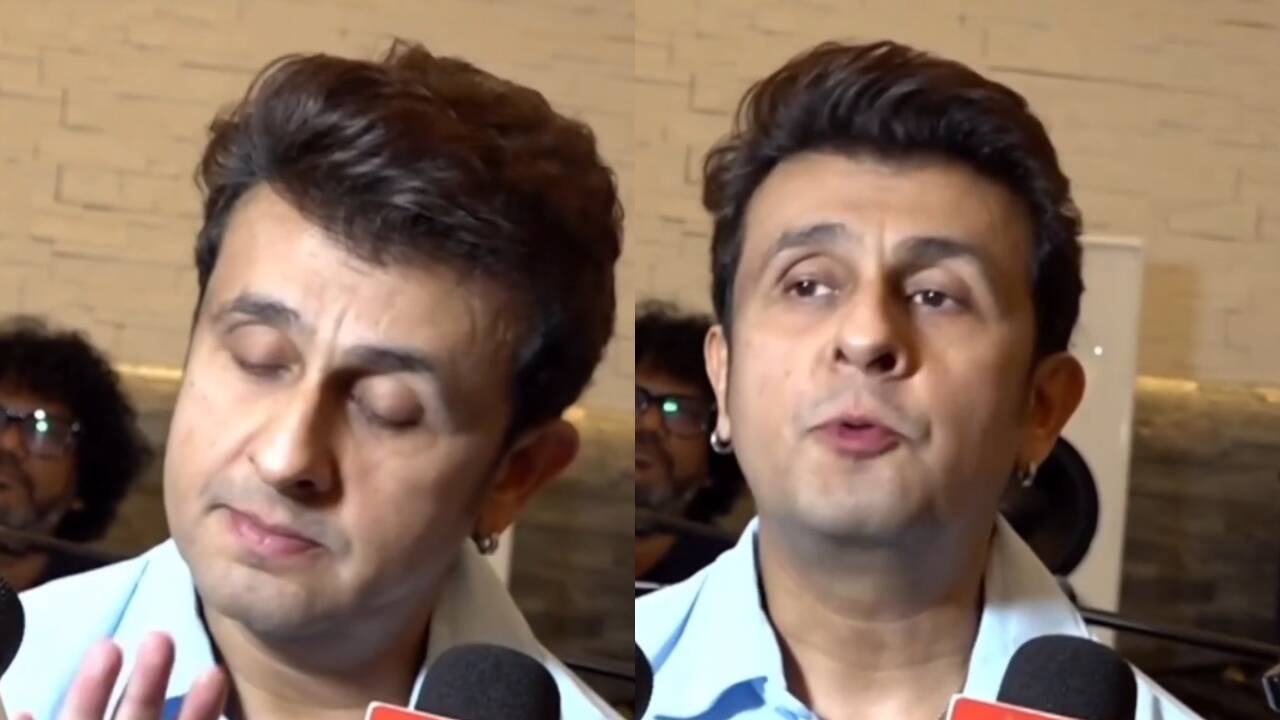
Singer Sonu Nigam faced social media criticism for his silence on NEET exam protests. He declined to comment when questioned by journalists during a media interaction. Many users expressed disappointment with his refusal to address the student-led demonstrations. However, some defended Nigam, citing past career impacts from his public statements. Several other film and music personalities have openly supported the protesting students.

EXCLUSIVE | '1% TDS Is Hurting Liquidity': WazirX Co-Founder Nischal Shetty Calls For Crypto Tax Reset

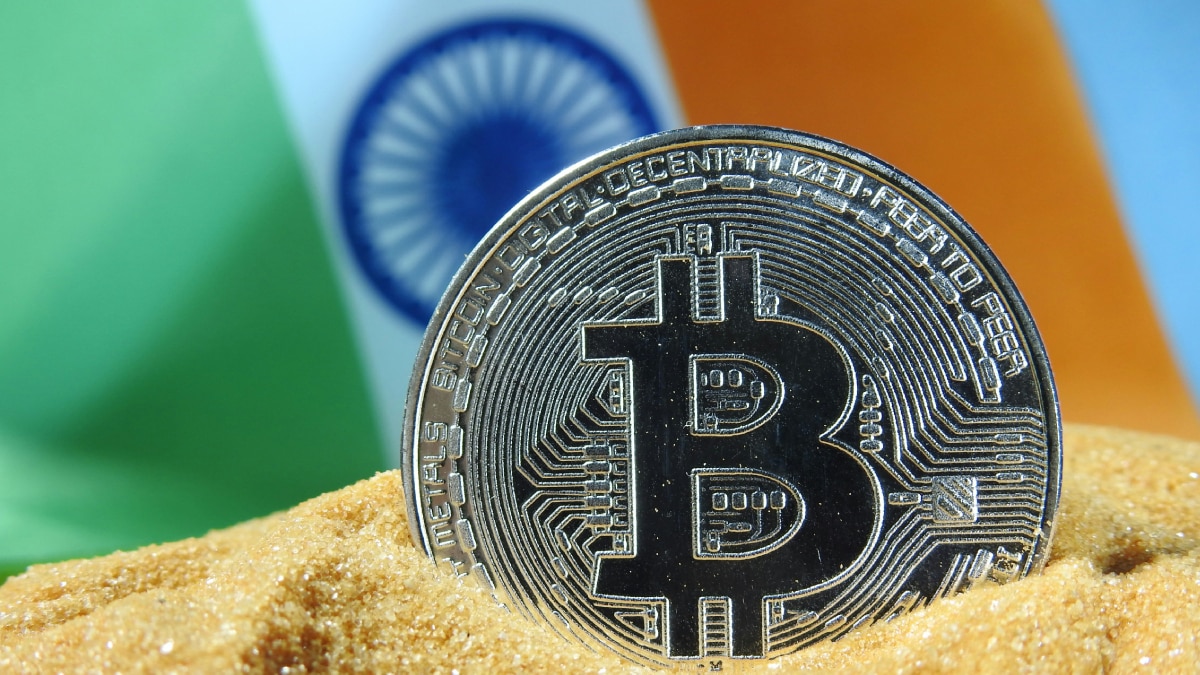
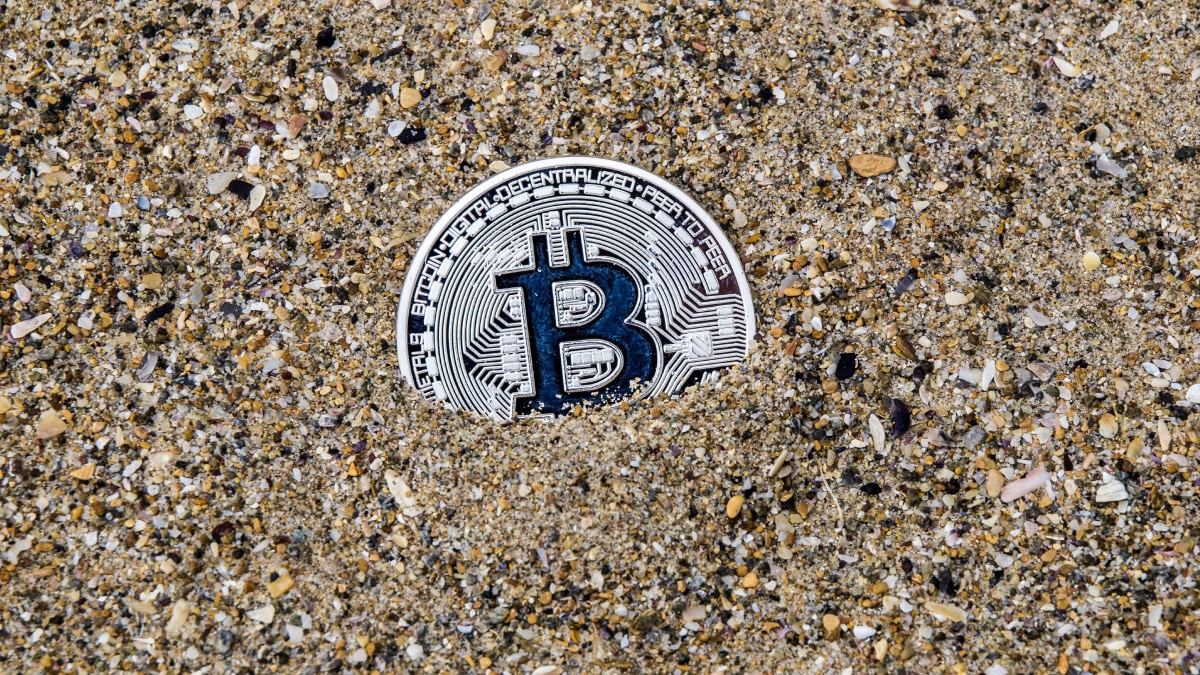
India's crypto ecosystem continues to attract millions of users despite one of the world's toughest tax regimes for Virtual Digital Assets (VDAs). However, the country's current policy framework may be changing where Indians trade rather than reducing their interest in cryptocurrencies, according to Nischal Shetty, Co-founder of Shardeum and WazirX. In an exclusive interaction with ABP Live ahead of the Income Tax Return (ITR) filing deadline on July 31, Shetty (pictured above) spoke about the biggest tax mistakes crypto investors make, why the 30% tax and 1% TDS continue to weigh on the industry, and the single policy change he believes could unlock India's next wave of blockchain innovation. 'Every Taxable Crypto Transaction Matters' With thousands of investors preparing to file their ITRs, Shetty warned that many still misunderstand how India's VDA taxation works. "The biggest mistake is assuming that crypto transactions don't need to be reported unless you've converted them back to INR." He stressed that crypto-to-crypto trades are also taxable events under India's tax framework. "Every taxable VDA transaction matters, including crypto-to-crypto trades." According to Shetty, another major issue is poor record-keeping. "Many investors trade across multiple platforms and wallets but fail to consolidate their transaction history before filing." He added that investors often overlook TDS deductions, fail to reconcile exchange statements or attempt to offset crypto losses against other income, something that is not permitted under the current rules. "The best approach is to maintain accurate records throughout the year instead of trying to reconstruct them at the last minute." ALSO READ: India's Next Crypto Policy: What A Balanced Regulatory Framework Should Look Like 30% Tax, 1% TDS: 'Interest Didn't Reduce, Trading Shifted' India's crypto tax framework introduced a flat 30% tax on gains from VDAs alongside a 1% Tax Deducted at Source (TDS) on qualifying transactions. While the measures were aimed at improving tax compliance, Shetty believes they have had unintended consequences. "The taxes didn't reduce interest in crypto; they changed where people trade." According to him, India continues to have one of the largest crypto communities globally, but a significant share of trading activity has moved to overseas exchanges. "The 1% TDS, in particular, affected liquidity because it locks up capital on every trade, making high-frequency or active trading inefficient." Shetty noted that although trading volumes on domestic platforms have been impacted, long-term investors continue participating in the market. "The good news is that developer activity, startup innovation, and user curiosity around blockchain remain incredibly strong despite these challenges." Compliance Shouldn't Come At The Cost Of Innovation Asked whether India's current crypto tax regime promotes compliance, Shetty argued that every tax policy should balance revenue generation with ease of participation. "Every tax policy should strike a balance between revenue collection and encouraging compliance." He believes higher compliance costs naturally encourage users to explore alternatives. "When compliance becomes significantly more expensive than participation, users naturally look for alternatives." According to Shetty, the migration of trading activity to offshore platforms weakens India's regulated crypto ecosystem. "That doesn't necessarily reduce crypto adoption, it simply moves it outside India's regulated ecosystem." He added that if the government's objective is stronger investor protection and better tax compliance, policies should encourage users to remain on regulated Indian platforms rather than unintentionally pushing them overseas. India Has The Talent, But Needs Regulatory Clarity Despite policy uncertainty, Shetty remains optimistic about India's long-term crypto prospects. "India has one of the strongest foundations for digital asset adoption anywhere in the world." He attributed this to the country's young population, technology-first mindset, world-class developer ecosystem and rapid adoption of digital financial services. "We have a young, technology-first population, world-class developers, rapid digital payment adoption, and increasing familiarity with digital financial products." According to Shetty, the opportunity extends well beyond cryptocurrency trading. "Beyond trading, there is growing interest in tokenization, decentralized finance, gaming, creator economies, and blockchain infrastructure." He also called for a comprehensive regulatory framework covering licensing, consumer protection, custody standards and compliance norms to help the industry mature. "Entrepreneurs and investors are willing to comply when the rules are clear." 'Reduce 1% TDS': Shetty's Biggest Recommendation To Government If he could recommend just one immediate policy change, Shetty said he would lower the 1% TDS. "The single most impactful change would be reducing the 1% TDS to a much lower rate that enables efficient market participation while preserving transaction visibility for regulators." According to him, a lower TDS would encourage more trading activity to remain within India's regulated exchanges while improving transparency and supporting long-term tax collections. "A calibrated approach would encourage more trading activity to remain on compliant Indian platforms, improve transparency, strengthen tax collections over time, and create a healthier ecosystem for innovation." Shetty believes India already possesses the talent, developer ecosystem and user base required to become a global blockchain leader. What the industry now needs, he said, is policy certainty. "Good regulation should protect users while also enabling India to remain globally competitive in one of the fastest-growing technology sectors."

Watch: Bihar Protesters Dance Under Police Water Cannon, Video Goes Viral

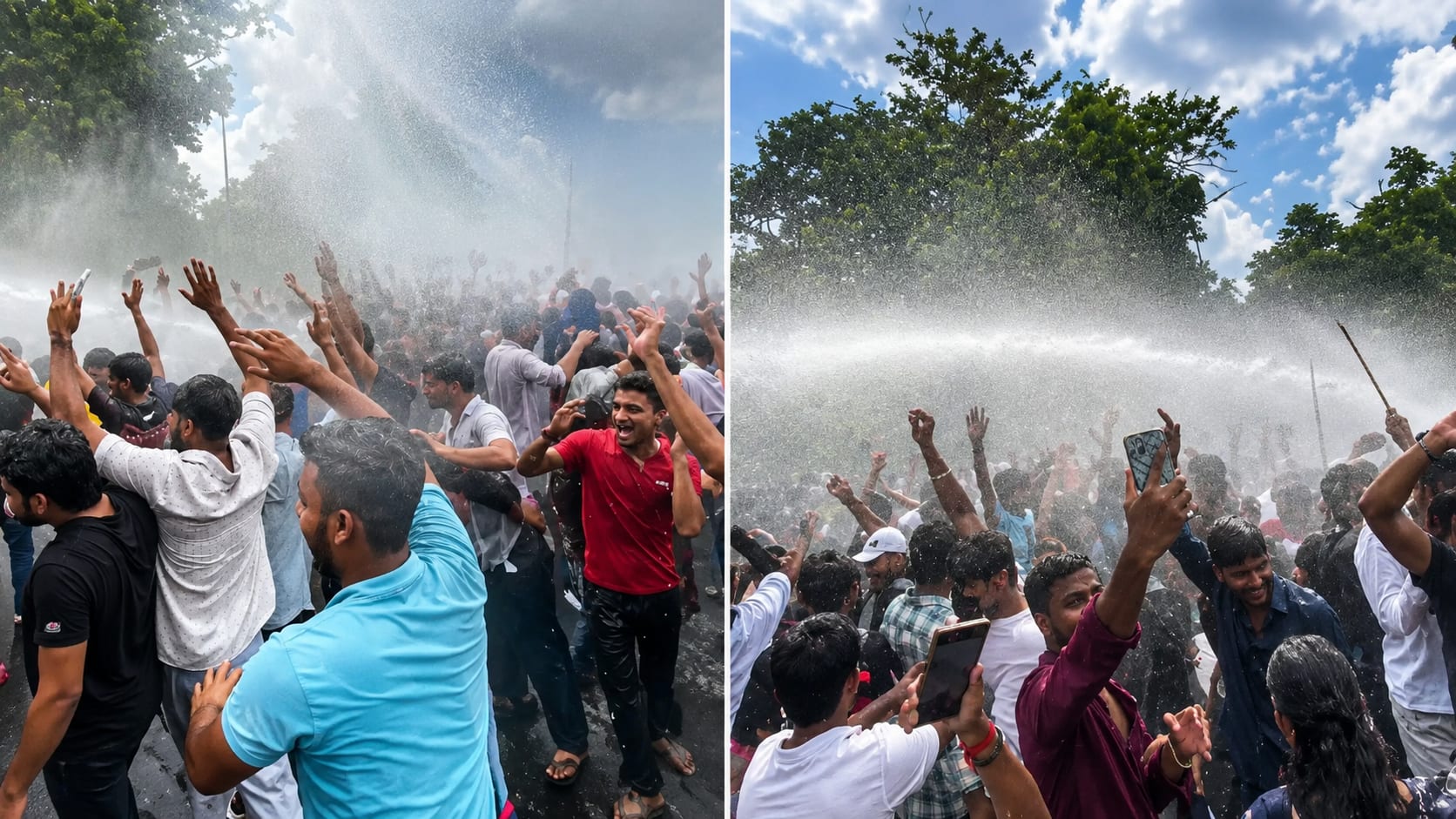
A student protest in Patna, Bihar, over the alleged NEET 2026 paper leak took an unexpected and light-hearted turn on Wednesday when one of the protesters reportedly asked the police to use a water cannon, saying the crowd was struggling in the heat.  The unusual moment quickly went viral after a video shared on X showed protesters responding to the water cannon in an unexpected way. Instead of moving away, many were seen dancing, singing and enjoying the water, turning the tense situation into one that amused viewers across social media.  ALSO READ: NEET 2026 Paper Leak Case: CBI To Soon File Chargesheet Against 13 Accused; Major Update For Aspirants The clip has since attracted widespread attention online, with users sharing memes, jokes and humorous reactions. Many also noticed that several protesters were filming videos and creating reels while standing under the water spray, adding to the video's viral appeal.  Viral Video Shows Protesters Dancing Under Water Cannons  According to the viral post shared on X, police deployed water cannons during a protest in Patna, Bihar. However, instead of dispersing immediately, many protesters were seen enjoying the moment, dancing together and smiling as water continued to pour over them.  In Patna, Bihar, the police used water cannons on the protesters... and the protesters started dancing, singing, and enjoying a shower. 🫶😂😂 pic.twitter.com/sVNZ8pYBmy — زماں (@Delhiite_) July 22, 2026 The viral post reads, "In Patna, Bihar, the police used water cannons on the protesters... and the protesters started dancing, singing, and enjoying a shower."  The unusual response transformed what is generally considered a crowd-control measure into a moment that has captured the attention of millions of social media users.  Social Media Reacts With Memes and Reels  The video has generated widespread engagement across social media, with many users describing the incident as uniquely "Bihari" in spirit. The phrase "bihar wale to chha gye" has also been widely shared alongside the clip as people reacted to the protesters' cheerful response.  ALSO READ: CBSE Class 12 Supplementary Practical Exam Dates 2026 Out; Check Complete Schedule Several viewers noted that instead of appearing intimidated, people in the crowd seemed to embrace the situation. Some were seen dancing, while others reportedly recorded reels and videos, further adding to the viral nature of the incident.  The unexpected visuals have prompted thousands of comments, with users sharing laughing emojis, memes and humorous captions inspired by the scene. 

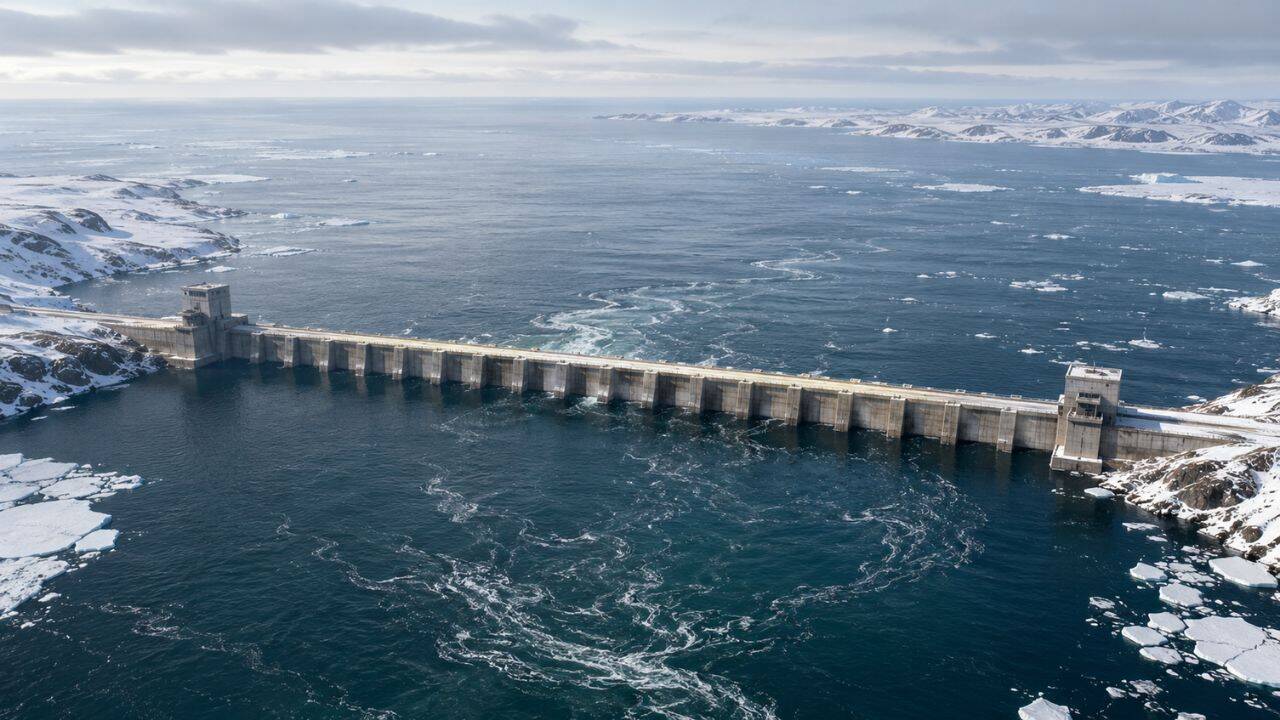
Scientists revisit a forgotten Soviet plan to dam the Bering Strait and see if it could help protect Earth's climate

Soviet engineer Petr Borisov proposed damming the Bering Strait to warm Siberia. This bold plan aimed to transform frozen lands into productive agricultural areas. Modern researchers now study closing the strait to stabilize ocean circulation. Their simulations explore impacts on the Atlantic Meridional Overturning Circulation system. Scientists remain cautious about such large-scale environmental interventions.

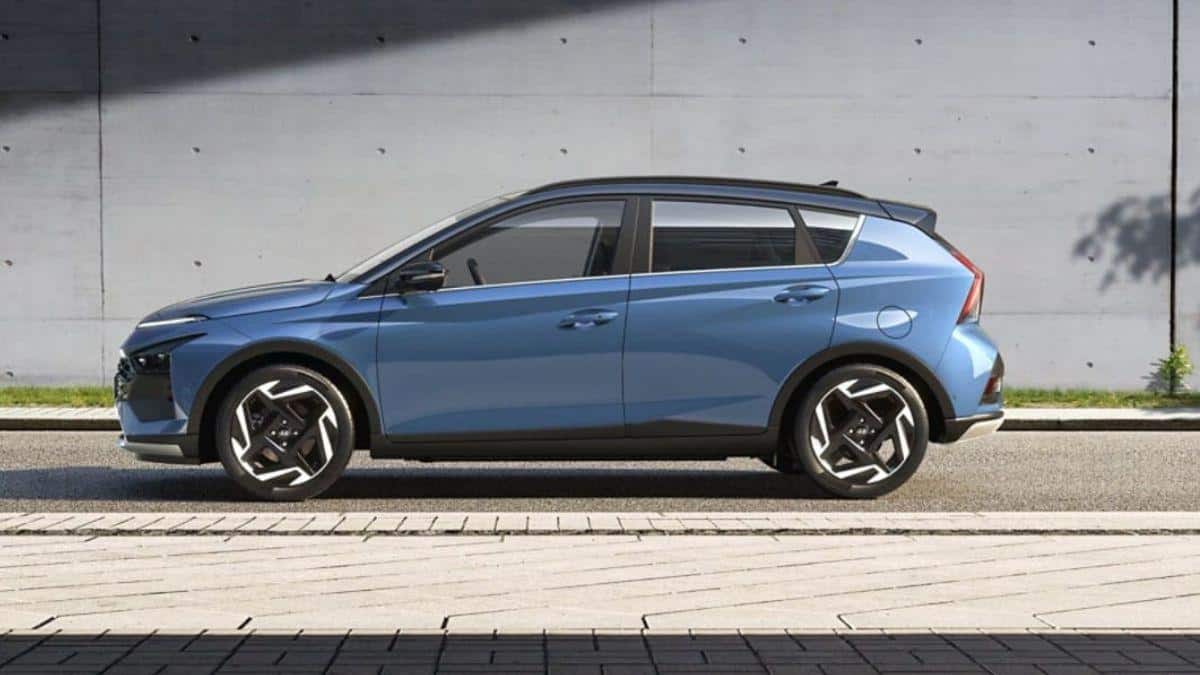
Hyundai Hints At Biggest India Product Push Yet; Bayon SUV, New Creta And EVs Teased

Hyundai Motor India has offered a sneak peek at its upcoming range of vehicles through a new promotional video celebrating Bollywood actor Shah Rukh Khan's 30-year association with the brand. The video, featuring Shah Rukh Khan alongside Hyundai Motor India Managing Director and CEO Tarun Garg, briefly showcases a line-up of covered vehicles, hinting at the company's aggressive product strategy for the Indian market. The teaser comes as Hyundai prepares one of its biggest product offensives in the country, with nearly 30 launches planned by 2030 across internal combustion engine (ICE), hybrid and electric vehicle (EV) segments. ALSO READ | Honda ZR-V Expected Price In India, Specifications, Features And Engine Details Bayon SUV, Next-Generation Creta Among Key Launches As part of its upcoming portfolio, Hyundai is expected to introduce around seven to eight new models in the near term. Among the most anticipated launches is the Hyundai Bayon, an SUV expected to be positioned between the Venue and the Creta, giving the company a stronger presence in the highly competitive compact SUV segment. The line-up is also expected to include the next-generation Hyundai Creta, which remains the brand's best-selling model in India and is likely to receive significant technology upgrades. More EVs and Hybrid Models Planned Hyundai is also expected to expand its electric vehicle portfolio with several new models developed specifically for the Indian market. The company's future range is expected to include a mix of EVs, hybrids and conventional ICE vehicles as it broadens its offerings across multiple price segments. The next-generation Creta is also expected to receive a hybrid powertrain, further strengthening Hyundai's electrification strategy. ALSO READ | Is CNG The New Diesel? Maruti Suzuki Explores More Demand Amongst Rising Fuel Prices Hyundai Prepares for Intensifying Competition The expanded product pipeline comes as competition in the Indian passenger vehicle market continues to intensify, particularly from rivals such as Tata Motors and Mahindra. By introducing new SUVs, electric vehicles and hybrid models, Hyundai aims to reinforce its position in one of the world's fastest-growing automotive markets. With nearly 30 product launches planned by the end of the decade, the company is gearing up for what is expected to be its most extensive product rollout in India to date.

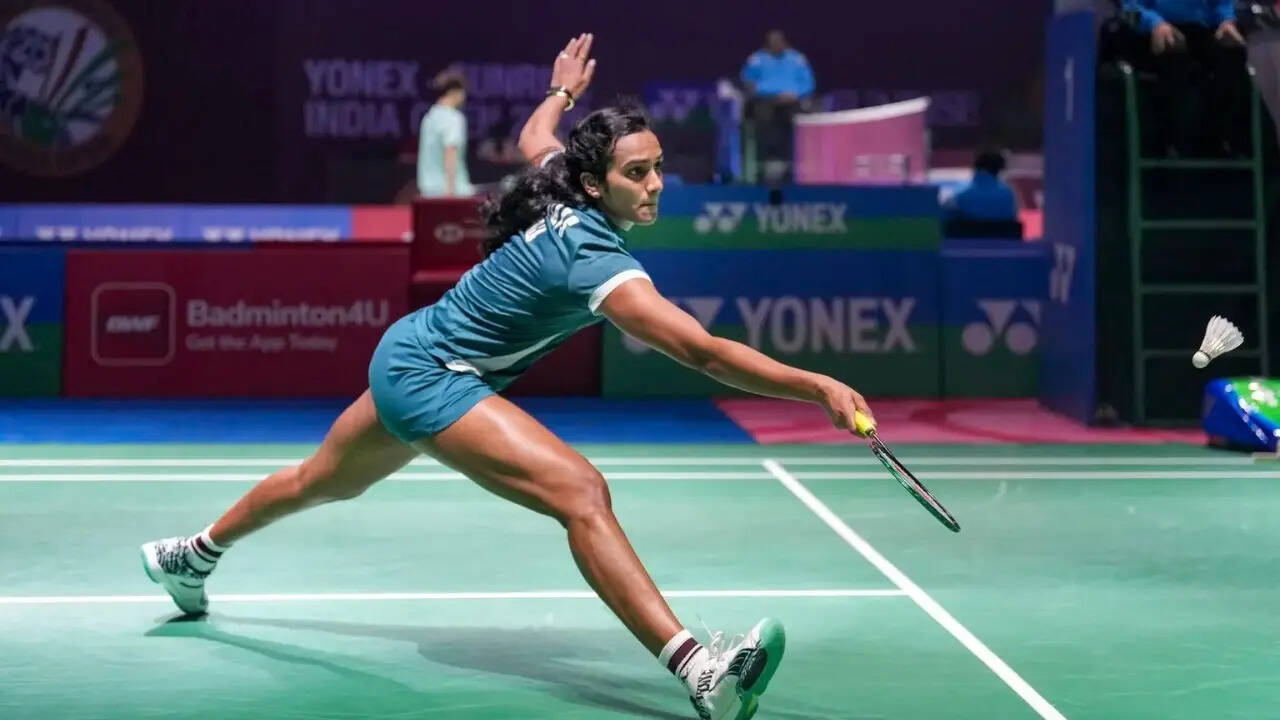
PV Sindhu's China Open campaign ends in heartbreak

PV Sindhu's China Open campaign ended in the second round after a spirited 21-16, 20-22, 18-21 defeat to world No. 4 Chen Yufei. Fresh from her Japan Open title, Sindhu squandered four match points in the second game before the Tokyo Olympic champion staged a comeback to win a gripping 90-minute contest and reach the quarterfinals.

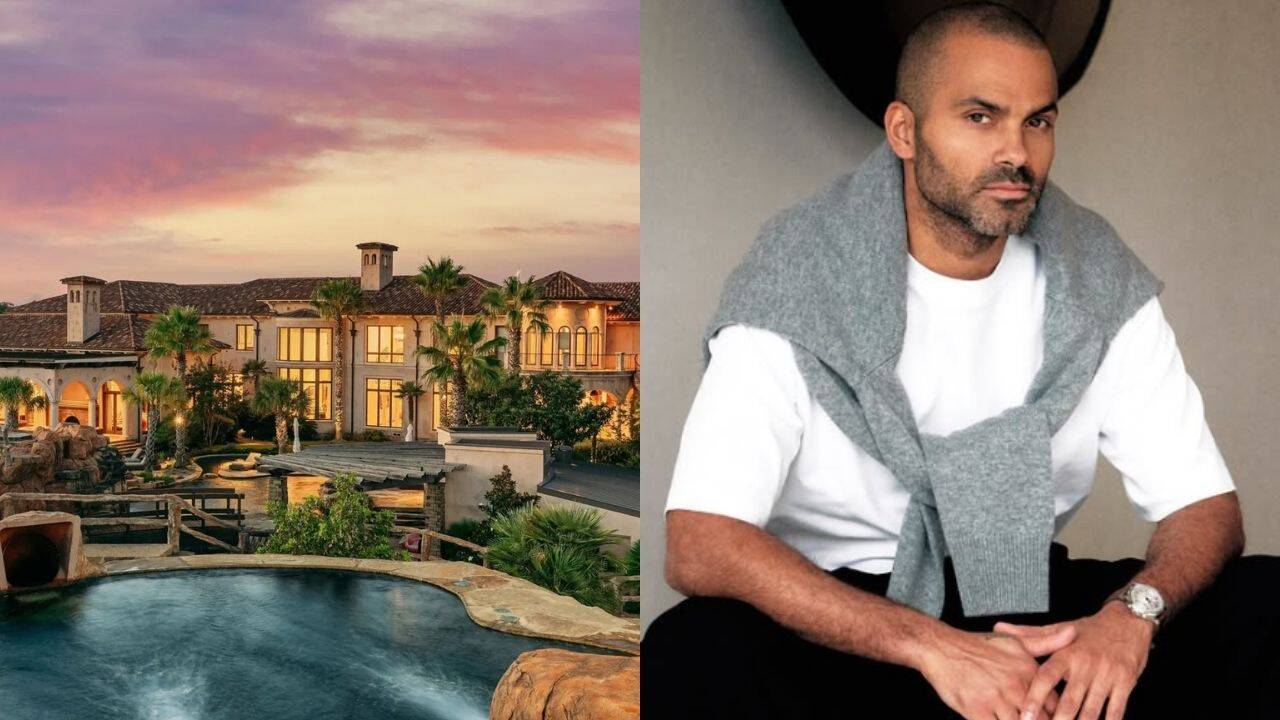
Tony Parker's mansion slashes price: Texas estate drops to $11 million; despite luxury features, still seeking buyer

Tony Parker's Texas mansion has seen another significant price reduction. The sprawling estate is now listed for eleven million dollars after several adjustments. This luxurious property features an enormous private water park and extensive sports facilities. Despite extensive publicity and a past peak price of twenty million dollars, it remains unsold. The highly customized luxury estate continues its search for a new owner.

Margot Robbie secretly splashes $28m on a Queensland ranch estate

Margot Robbie has made headlines with her recent acquisition of a lavish estate in Queensland, costing $28 million. Nestled in the scenic Currumbin Valley, this property holds significant nostalgia for the actress, as it's near where she grew up. After leaving the Gold Coast in her youth to chase her acting ambitions, this return represents a heartfelt reconnection with her origins during her flourishing career.

Nawaz Sharif Says He Wants To Become PoK's Premier Amid Unrest Ahead Of Elections

Former Pakistan Prime Minister Nawaz Sharif has said he wants to become the Prime Minister of Pakistan-occupied Kashmir (PoK), expressing a desire to personally oversee the region's development as it remains gripped by widespread anti-government protests. Sharif, the elder brother of Pakistan Prime Minister Shehbaz Sharif, made the remarks during an election rally in Muzaffarabad, the capital of Pakistan-occupied Kashmir, earlier this week. Calling PoK his "second home", the Pakistan Muslim League-Nawaz (PML-N) supremo said his ancestral roots trace back to Kashmir and that he would seek the region's top political post if his party emerged victorious in the upcoming elections. 'PoK Is My Second Home': Nawaz Sharif Addressing supporters at the rally, Sharif said he wanted to play a direct role in the development of Pakistan-occupied Kashmir. "It is my second home. My ancestors migrated from Kashmir," he said. Sharif added that if the PML-N won the elections, he would request his brother, Prime Minister Shehbaz Sharif, to appoint him as the Prime Minister of Pakistan-occupied Kashmir. "If my party wins, I will ask PM Shehbaz Sharif to make me the prime minister of Kashmir (PoK) so that I can personally oversee the region's development," he said. ALSO READ | Saudi Oil Tanker Hit By Houthi Missile As US Pounds Iran For 12th Straight Night PoK Continues to Witness Widespread Unrest Sharif's remarks come at a time when Pakistan-occupied Kashmir is witnessing sustained anti-government protests, violent clashes and an intensified security crackdown across several districts. Major demonstrations have been reported in Muzaffarabad, Rawalakot, Mirpur and Sudhnoti, with protesters accusing the authorities of failing to address longstanding economic grievances. The movement is being led by the Jammu Kashmir Joint Awami Action Committee (JKJAAC), which has been demanding subsidised wheat, lower electricity tariffs, royalty from regional hydroelectric projects and an end to what it describes as excessive privileges enjoyed by government officials and the political elite. ALSO READ | Iran Draws Red Line On Oil Exports, Warns US Of Regional Fallout: 'If We Don't Sell Oil, No One Will' Protests Continue Ahead of Polls The developments come ahead of elections in Pakistan-occupied Kashmir, scheduled to be held between July 27 and August 10, where the PML-N is contesting against the Pakistan Peoples Party (PPP), its ally in Pakistan's federal government. The unrest has claimed 30 lives so far, adding to tensions in the region. Last week, the JKJAAC temporarily suspended its planned march until July 21, saying it was giving the Pakistani government a final opportunity to address its demands. However, the group has since announced that its planned long march towards Muzaffarabad will resume this week while sit-in protests across Pakistan-occupied Kashmir continue.

India's Next Crypto Policy: What A Balanced Regulatory Framework Should Look Like

India’s virtual digital asset (VDA) sector finds itself in a regulatory bind. While VDAs are recognised under tax law, subject to anti-money laundering obligations, and monitored by the Financial Intelligence Unit (FIU-IND), the country still lacks a comprehensive law governing the sector. As a result, businesses, consumers, and regulators have long operated without clarity on the legal status and future of the Indian VDA sector. While India’s cautious approach has been shaped by legitimate concerns around financial stability, consumer protection, and illicit finance, global conversations on VDA regulation have evolved rapidly. The European Union has operationalised the Markets in Crypto-Assets (MiCA) Regulation, the United States has advanced legislation such as the GENIUS Act and CLARITY Act, while jurisdictions across Asia have introduced licensing and consumer protection frameworks. International bodies such as the Financial Action Task Force (FATF), Financial Stability Board (FSB), and OECD have also developed common regulatory principles. The question before India is therefore no longer whether to regulate digital assets, but how. ALSO READ: No Aadhaar Verification, No Online Vehicle Transfer? New Parivahan Rule Explained Legislation Focus India can learn from the foundational elements introduced by various jurisdictions in their regulatory approaches.  First and foremost, nearly all legislation ensures legal certainty. For instance, jurisdictions such as the European Union and Australia have enacted comprehensive legislation defining the rights, responsibilities, and regulatory obligations of service providers, issuers, and custodians. Principle Of Proportionality Second, many incorporate the principle of proportionality i.e., “same activity, same risk, same regulation”. MiCA, for instance, establishes distinct requirements for crypto-asset service providers and stablecoin issuers, while Hong Kong maintains separate licensing regimes for trading platforms and stablecoin issuers. Rather than treating all digital asset activities alike, these frameworks calibrate obligations to the functions performed and the risks involved. Customer Protection The third is consumer protection. The United Kingdom’s evolving regulatory framework illustrates how governance, disclosure, and operational guardrails can protect users while allowing responsible firms to innovate within clearly defined boundaries. The pattern across these jurisdictions is consistent: each has recognised the risks associated with crypto-assets and responded with legal provisions to mitigate them, without foreclosing innovation. While Indian policymakers continue to deliberate on the appropriate regulatory approach, interim measures merit serious consideration. A formally recognised VDA self-regulatory organisation (SRO), operating under the supervision of the Government of India, could establish baseline standards on custody, cybersecurity, listing and delisting protocols, consumer protection, grievance redressal, and law enforcement cooperation. Japan, Canada, and South Korea have each adopted SRO models to complement statutory oversight, developing operational standards, strengthening market conduct, and responding to technological change more nimbly than legislation alone can. As Parliament and financial regulators work towards a comprehensive legal framework, a recognised SRO can bridge the gap: translating broad supervisory objectives into enforceable industry standards while the legislative process runs its course. India's next step on digital asset policy should be measured not by how restrictive it is, but by whether it creates a predictable, accountable, and innovation-friendly regulatory environment. A principles-based framework, underpinned by an effective SRO, offers the most practical path forward. (The author is the Co-founder of CoinDCX) Disclaimer: The opinions, beliefs, and views expressed by the various authors and forum participants on this website are personal and do not reflect the opinions, beliefs, and views of ABP Network Pvt. Ltd. Crypto products and NFTs are unregulated and can be highly risky. There may be no regulatory recourse for any loss from such transactions. Cryptocurrency is not a legal tender and is subject to market risks. Readers are advised to seek expert advice and read offer document(s) along with related important literature on the subject carefully before making any kind of investment whatsoever. Cryptocurrency market predictions are speculative and any investment made shall be at the sole cost and risk of the readers.

Want Faster Hair Growth? Learn How To Make Pumpkin Seed Oil At Home

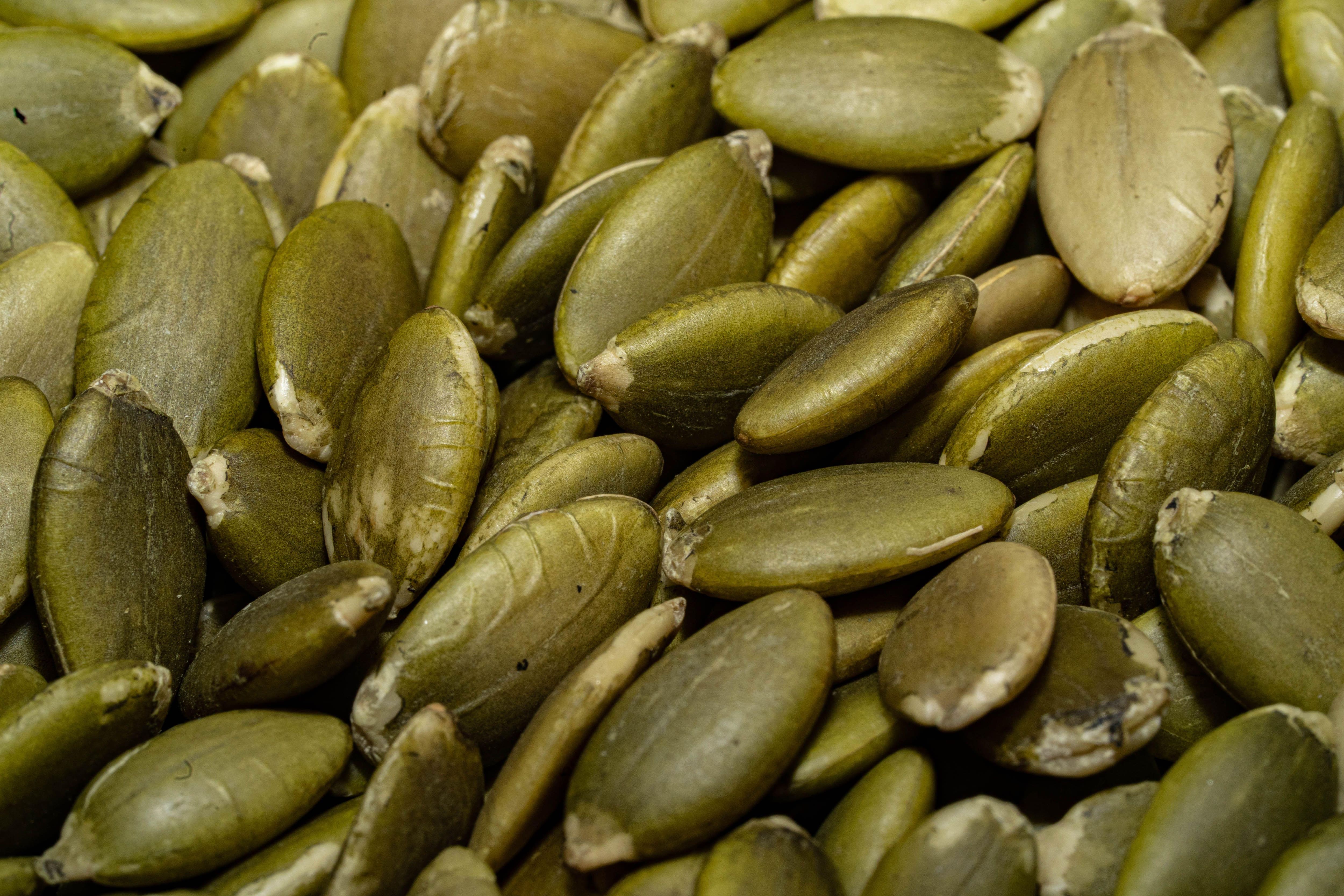
Hair care has become a priority for many young men and women, with countless products promising thicker, healthier hair. While expensive oils often dominate the market, one effective ingredient may already be sitting in your kitchen pumpkin seeds. Their oil is packed with nutrients that help nourish the scalp, strengthen hair roots, and support overall hair health. Pumpkin seed oil contains antioxidants, essential fatty acids, vitamin E, zinc, magnesium, and plant sterols, all of which contribute to maintaining a healthy scalp. Some studies also suggest that pumpkin seed oil may help reduce hair thinning and hair fall in certain people. However, it is not considered a cure for baldness, and results can vary from person to person. Why Pumpkin Seed Oil Is Good For Hair Pumpkin seed oil is valued for its rich nutritional profile, which helps protect the scalp from oxidative stress caused by pollution, UV exposure, and everyday environmental damage. Its antioxidant and anti-inflammatory properties may also help soothe an itchy scalp, reduce flaking, and ease mild redness. The essential fatty acids and vitamin E present in the oil help nourish the scalp and support stronger-looking hair. Zinc and magnesium further contribute to maintaining healthy hair roots, making pumpkin seed oil a popular natural choice for overall hair care. ALSO READ | How Long Can You Use Cooking Oil? Know How To Store It Right How To Make Pumpkin Seed Oil At Home Preparing pumpkin seed oil at home is simple and requires only a few ingredients. You'll need: ½ cup raw pumpkin seeds 1 cup coconut oil or sweet almond oil 1 tablespoon castor oil (optional) Lightly roast the pumpkin seeds over low heat for two to three minutes and coarsely grind them. Heat the carrier oil using a double-boiler method, then add the crushed pumpkin seeds. Allow the mixture to cook on low heat for about 30–40 minutes. Once cooled, strain the oil through a muslin cloth and transfer it to a dark glass bottle. Store it in a cool, dry place, where it can generally last for around two to three months. ALSO READ | Is Your LED Bulb Looking Dim? Try This Easy Fix First The Right Way To Use It For best results, massage the oil gently into your scalp once a week for five to ten minutes. This helps improve blood circulation while allowing the oil to nourish the scalp. You can also apply the oil as an overnight hair treatment and wash it off the next morning with lukewarm water. If desired, add 2–3 drops of rosemary essential oil, which is often used in hair care routines because of its potential to support healthier-looking hair. However, patch-test essential oils before use and discontinue if irritation occurs. While pumpkin seed oil can be a useful addition to a hair care routine, persistent or severe hair loss should be evaluated by a dermatologist to identify the underlying cause and receive appropriate treatment.

//