Language Settings
Select Website Language
newshunt
newshunt

Filters

Channels
Topics
Other Filters

‘He admitted he’s racist’: Piers Morgan fires back after Nick Fuentes explodes over family racism question

Far-right streamer Nick Fuentes and Piers Morgan engaged in a heated debate on "Piers Morgan Uncensored" over Fuentes' father's alleged racist views. Morgan questioned Fuentes about a story he shared on his podcast, leading to an angry exchange about race and family. Morgan later defended his questioning on social media, calling Fuentes a proud racist.

Mars’ largest river systems revealed: Insights into ancient water, sediment deposits, and potential habitability for past life

Ancient Mars once teemed with flowing rivers, forming vast drainage systems. A new study has mapped these large basins, revealing they concentrated nutrients and sediments, making them prime locations for potential past life. These findings are crucial for guiding future missions in the search for evidence of ancient Martian habitability.

New Research Claims: Giloy Becomes ‘Amrit’ During Rainy Season, Offers Double Benefits

Benefits of Giloy: A recent scientific study has confirmed that the best time to harvest Giloy (Tinospora cordifolia) is during the monsoon season. According to this research published in BMC Plant Biology, the medicinal compounds in Giloy stems reach their peak during the rainy days. The study was conducted by Acharya Balkrishna and his team at the Patanjali Research Foundation, giving scientific validation to centuries-old Ayurvedic knowledge. What Does the Research Say? Scientists at the Patanjali Research Foundation in Haridwar studied Giloy plants continuously for 24 months, from 2022 to 2024. They collected stem samples every alternate month and analyzed them using modern techniques like UHPLC-PDA and HPTLC. The analysis revealed that three key bioactive compounds in Giloy — Cordifolioside A, Magnoflorine, and Beta-Ecdysone (β-ecdysone) — were found in the highest concentrations in the month of August. Uses of Giloy Decline in Active Compounds During Winter:The study also found that during winter, especially between December and February, the concentration of beneficial compounds in Giloy drops to its lowest. In contrast, during spring and summer, the levels remain moderate. This finding is important because Giloy is widely used for fever, boosting immunity, and reducing inflammation. Harvesting it in the right season ensures that medicines made from it are more effective. Integration of Ayurveda and Science Ayurveda has always emphasized the importance of harvesting herbs at the correct time. Ancient texts advise collecting medicinal stems during the rainy season or spring. This new scientific research validates traditional Indian knowledge. Scientists explain that during the monsoon, rainfall and temperature activate the plant’s defense mechanisms, increasing the production of medicinal compounds. This research is beneficial not only for pharmaceutical companies but also for individuals who use Giloy in home remedies.

19-Minute Viral Video: How Dustu Sonali Became The Focus of A Social Media Frenzy

Bengali influencers Sofik SK and his alleged girlfriend Dustu Sonali have been thrust into the spotlight after a private 19-minute video, allegedly featuring the couple, went viral across social media. The leak has triggered intense online curiosity about the two small-town content creators, who already enjoyed a significant following in West Bengal and Assam. As the video spread, both influencers issued public apologies and claimed the footage was leaked by someone they once trusted, prompting wider conversations about privacy breaches and digital exploitation. Who Is Dustu Sonali? Dustu Sonali, a native of Kolkata, is a well-known social media personality with around 3,80,000 followers on Instagram. Listing herself as an “artist”, she frequently appears in videos with her boyfriend, Sofik SK. The pair are regular faces on Sofik’s YouTube channel and his Instagram page. Sofik SK himself runs Palli Gram TV, a popular Bengali YouTube channel celebrated for its comic skits, including the widely followed Sofik Ki Chalaki series. Together, the couple enjoy a sizeable fan base across West Bengal and Assam, particularly in rural and semi-urban communities. Were The Two Influencers In the Viral Video? There have been conflicting reports about the identities of the individuals seen in the viral MMS clip, though several outlets have linked the video to Sofik SK and Dustu Sonali. ABP News, however, could not independently verify these claims. Amid the controversy, both influencers released separate statements on social media, apologising to their followers and alleging that the video was leaked by a close mutual friend. They claimed this individual had access to their devices and used their personal information to blackmail them. In his response, Sofik said the clip was recorded more than a year ago and was “stolen” before being leaked online after the duo severed ties with the friend. Is the Viral Clip AI Deepfake? Although some online claims have suggested the footage might be AI-generated, reports indicate there is substantial evidence supporting the authenticity of the video. Available information strongly suggests that the individuals in the clip are indeed Sofik SK and Dustu Sonali.

Right To Disconnect Bill: Key Provisions Every Corporate Worker Must Be Aware Of

As smartphones continue to blur the line between work and personal life, India’s workforce is finding it increasingly difficult to switch off after office hours. Late-night emails and urgent messages from managers have become routine, leaving many employees feeling constantly tethered to work. Responding to growing concerns over this always-on culture, a new proposal, the Right to Disconnect Bill, 2025, has been introduced in Parliament by Lok Sabha MP Supriya Sule. The Bill seeks to legally empower employees to disconnect from work after designated hours. Why This Bill Is Needed Indian employees have long felt the pressure of staying continually online. With remote work, digital communication tools and rising employer expectations, the boundaries between work hours and personal time have eroded rapidly. Many workers now struggle to rest, recharge or spend uninterrupted time with their families. The proposed legislation aims to address this widening imbalance by giving employees the legal right to disconnect once their workday ends. In doing so, it seeks to restore healthier boundaries and ensure that personal time remains truly personal. What The Right To Disconnect Bill Proposes The Bill is designed to protect employees from work-related communication outside office hours. Under its provisions, workers would have the freedom to switch off after their shift, and employers would be expected to respect that boundary. Employees would no longer be pressured to answer calls, respond to emails or complete tasks once the official workday has ended. The Bill acknowledges that employers may need to reach out in emergencies, but makes it clear that employees are not obligated to respond. By making after-hours communication optional, the legislation aims to promote healthier work habits and reduce emotional burnout. A key pillar of the Bill is its protection against disciplinary action. If an employee chooses not to answer calls or messages outside work hours, companies would be legally barred from penalising them. Additionally, if employees voluntarily respond after hours, the Bill mandates overtime pay at the standard rate. To ensure compliance, the Bill proposes penalties for employers who disregard the right to disconnect. Companies violating the guidelines could face fines equivalent to 1% of their total employee wage bill.

Saphala Ekadashi 2025: Auspicious Rituals To Awaken Fortune And Receive Divine Blessings

Saphala Ekadashi 2025: Saphala Ekadashi, observed during the Krishna Paksha of the Paush month, is regarded as a powerful day for changing one’s fortune and attracting divine grace. Devotees believe that performing simple yet meaningful rituals on this sacred date helps awaken stalled luck, bring success, and strengthen spiritual harmony. In 2025, this highly auspicious Ekadashi falls on 15 December, making it an important day for those seeking prosperity, career growth, and peace at home. ALSO READ: Know Why Hindu Tradition And Science Both Discourage Chewing Tulsi Leaves Significance And Timings Of Saphala Ekadashi 2025 This year, the Ekadashi tithi begins on 14 December at 6:49 pm and ends on 15 December at 9:19 pm. As per the sunrise tithi, the fast and rituals will be observed on 15 December. Saphala Ekadashi is traditionally associated with Lord Vishnu and Maa Lakshmi, and its rituals are believed to help revive dormant fortune and open pathways to success. Remedies For Success In Career And Business Those seeking growth in profession or business are advised to donate yellow-coloured clothes on this day. Establishing an idol of Lord Vishnu at the workplace and offering prayers is considered especially beneficial. These rituals are believed to increase opportunities and improve stability in one’s professional life. Vishnu Remedies For Auspicious Results And Siddhi Lighting a diya made from wheat flour and placing it before Lord Vishnu is considered a powerful remedy for achieving success in ongoing tasks. Devotees who light an akhand jyot (unbroken flame) made of wheat flour often experience quicker positive outcomes and heightened spiritual energy. Rituals For Harmony In Married Life Couples facing misunderstandings or challenges in their marriage can wrap raw sacred thread (kachcha soot) around a banana plant and perform puja. This ritual is believed to reduce conflict, increase compatibility, and bring happiness back into the relationship. Spiritual Remedies For Blocked Success For those who work hard yet fail to see results, offering halwa as bhog to Lord Vishnu on Saphala Ekadashi is considered a powerful solution. Chanting Vishnu mantras afterwards helps calm the mind and align one’s energy with prosperity. Devotees believe that this remedy helps dissolve obstacles and brings long-awaited success. [Disclaimer: The content of this article is based solely on beliefs, and should be taken as general guidance. Individual experiences may vary. ABPLive.com does not assert the accuracy or validity of any claims or information presented. It is strongly recommended to consult a qualified expert before considering or implementing any information or belief discussed herein.]

Mahindra XUV 7XO Is The Reborn XUV700 And Will Be Unveiled On January 5, 2026

Mahindra has revealed that the XUV700 will now become XUV 7XO. The car is scheduled to be revealed on the January 5.   The new naming structure is similar to the XUV 3XO and this brings the premium SUV in line with the rest of the range. This is the new naming system for the ICE SUVs in the Mahindra range. What Has Changed? The few teasers show that the XUV 7XO will retain some of the design elements from the XEV 9S. That includes the new headlamp design and the tail-lamps.   The update for the XUV700 means dropping this popular nameplate but the new moniker will drive home the updated model changes.   A facelift is expected for the exterior in form of a new bumper design, new alloy wheels and the new front as well as the rear styling.   Additionally, the same triple screen setup as the XEV 9S while the steering would be new along with more technology being added in like the newer electric SUVs.     The engine options would be expected to be remaining the same with a petrol engine having automatic as well as manual options along with a diesel engine too with manual as well as automatic gearbox options.   The pricing will be revealed on January 5 and it would be the first launch for the year in 2026. This would be a comprehensive facelift for one of its best selling SUVs.   

Move Over Introverts And Extroverts, There's A New ‘Otrovert’ In Town

A new personality label, “otrovert”, is quietly gaining traction in online psychology circles and workplace conversations, challenging the long-standing binary of introverts and extroverts. The term is increasingly being used to describe people whose social energy and behavioural preferences shift depending on context, environment, and emotional state, rather than fitting neatly into one fixed category. While the world has long understood introverts as people who recharge through solitude and extroverts as those who draw energy from social interaction, “otrovert” is emerging as a way to capture a more fluid, situational personality style. Unlike the established concept of “ambivert,” which refers to individuals who exhibit balanced traits of both introversion and extroversion, “otrovert” is being used to describe people who experience more pronounced swings between the two extremes. Who Is An 'Otrovert'? Coined by Dr. Rami Kaminski, the term 'otrovert' is born from the Spanish (etymologically inherited from Latin), “otro” meaning “other” and the Latin-rooted “vert” meaning “to turn” as in “directions.” According to Jennifer Chase Finch, "An “otrovert” embodies the personality trait of “otherness,” remaining an eternal outsider amidst humanity’s shift from solitude to social connection through language." Additionally, otroverts have a unique relational style, and naturally lean toward empathy and friendliness. However, their sense of being out of place and the “dissonance between looking and acting like an insider while feeling like an outsider is tiring, leading them to withdraw from the group in favor of one-on-one relationships and avoiding unnecessary social obligations.” Mental health professionals observing this trend say the growing popularity of the term reflects a broader cultural shift in how people understand identity and behaviour. In a world shaped by hybrid workplaces, remote learning, digital communities, and constant online visibility, many individuals no longer feel that fixed personality labels reflect their lived reality. Instead, they report feeling highly social and expressive in some settings, while withdrawing and seeking isolation in others, without this pattern feeling inconsistent or unnatural to them. Social Media Boost For 'Otroverts' Social media has played a central role in the term’s rise. Short-form video platforms and online forums are filled with creators explaining their “otrovert” tendencies, describing how they can confidently lead meetings, network in large groups, or create content for thousands of followers, yet feel emotionally drained and retreat from communication for days at a time. These descriptions have resonated widely, especially among young adults navigating fast-changing work and social environments. Experts caution, however, that “otrovert” is not yet a clinically recognised psychological category. It does not appear in formal diagnostic manuals, and most academic research still relies on established personality frameworks. Nevertheless, psychologists note that the popularity of the term highlights an important reality, that human personality is rarely rigid. People adapt to stress, responsibilities, relationships, and social demands in ways that traditional labels may oversimplify. Whether the term becomes formally accepted or remains part of online cultural vocabulary, its growing use suggests that the way people understand themselves, and each other, is becoming less about rigid categories and more about fluid, lived experience.

Harvard professor claims 3I/ATLAS emits a ‘heartbeat’-like pulse that could signal alien technology

Comet 3I/ATLAS has already puzzled astronomers with its odd trajectory, twin tails and sudden bursts of activity. Now a rhythmic 16.16-hour “heartbeat” has become the latest mystery. Most researchers see a rotating, venting comet. Harvard astrophysicist Avi Loeb argues the pulse points instead to jets driving the brightness “like a bloodstream”, keeping open, cautiously, the possibility of something more engineered.

OPINION | The Generation Gap Is No Longer About Age. It's About Velocity

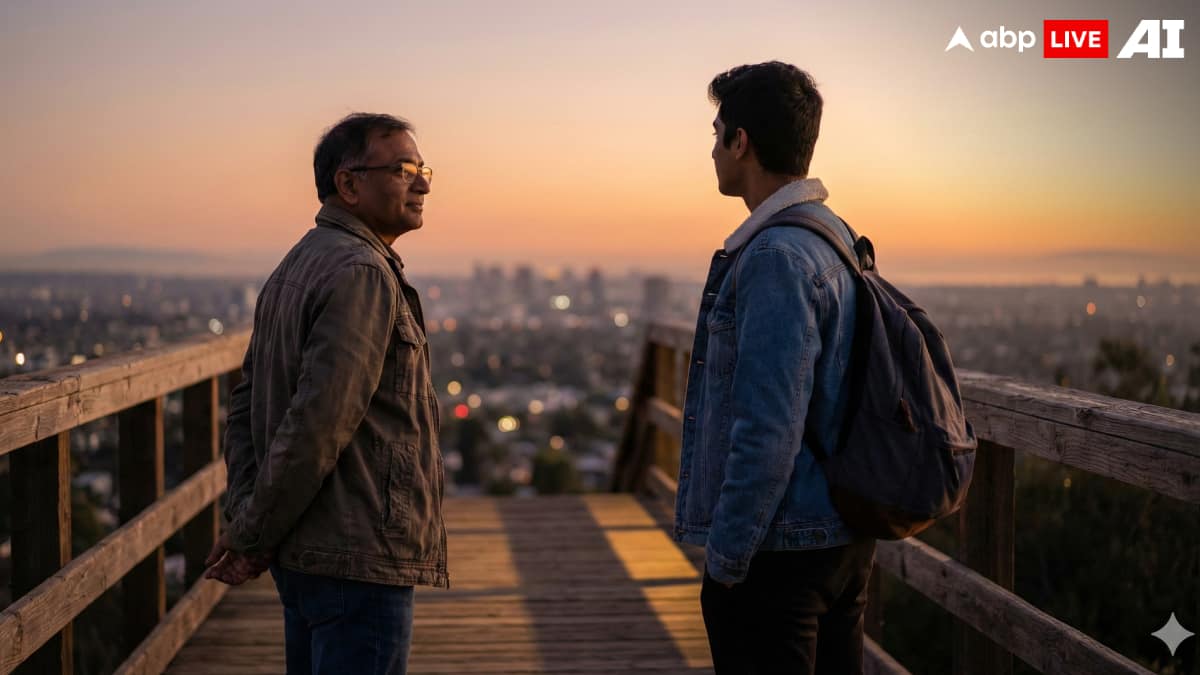
By Rakesh Singh In the quiet hum of a transatlantic call, my son, freshly graduated from an American university, his voice laced with the crisp confidence of a STEM dreamer, posed a question that pierced the heart of every parent: “Why do you trust us so much, even when we might fail you?” He spoke of third variables beyond control: addiction, bad company, the siren call of a world that doesn’t honour the sacrifices etched into our sleepless nights. “You invest everything,” he said, “like a company piling liabilities in hope of a payoff that may never come.” I had no clever rebuttal, only the raw truth: We trust because we must. We trust the upbringing we poured into you, the values we whispered in the dark, the respect we modelled in every compromise. We trust that the space we gave you will echo back as reciprocity. Yet, in that moment, I felt the tremor of a widening chasm-a generation gap where no bridge of love and commitment seems long enough to span.  Hours later, as I grappled with his words, another call jolted me. A colleague, his voice thick with resignation, was grappling with his resentments. His daughter had selected her life partner, a boy she loves, and was scripting their union with a modernity that left little room for the elaborate rituals our generation clings to. “She’s leaving us with so few options,” he said, echoing a sentiment I suspect simmers in countless parental hearts. Our children, deciding their subjects, their countries, their universities, their spouses, even the aesthetics of their weddings, seem to have outpaced us entirely. Where we once guided, we controlled, and we decided everything, they now lead, often dismissing our social fluency with elders as quaint, if not obsolete. Why does this shift feel so abrupt, so disorienting? Why can’t we, who navigated wars, economic upheavals, and societal revolutions, keep pace with their quiet rebellion?   The answer lies in the velocity of their world. Our generation grew up in ecosystems of scarcity, scarce opportunities, scarce information, scarce choices. We parented with the gravity of that reality, building fortresses of discipline and tradition to shield our children from the chaos we knew too well. But they were born into abundance: abundant knowledge at their fingertips, abundant pathways across oceans, abundant ideologies clashing in real time. The internet didn’t just inform them; it emancipated them. A single click connects them to a global tribe that validates their instincts, often louder than our cautious counsel, and advises of sceptical parents. Where we saw risk in uncharted love or foreign degrees, they see possibility. Where we sought continuity in cultural rites, they seek authenticity in minimalism. The gap isn’t merely generational; it’s existential. We measure success in stability; they measure it in self-actualisation.    Yet, this chasm wounds because trust is a two-way currency, and we feel shortchanged. We reshaped ourselves, learned their slang, tolerated their silences, funded their dreams across continents, expecting, perhaps naively, a mirror of accommodation. When my daughter bypasses the grand feasts we envisioned for her wedding, or when my son questions the blind faith we place in him, it isn’t ingratitude; it’s a redefinition of legacy. They aren’t questioning us; they’re reinterpreting the contract. The third variable my son warned of isn’t just external temptation; it’s the internal evolution of what “family” means. To them, respect isn’t deference; it's autonomy granted and received. Love isn’t an obligation; it’s a choice reaffirmed daily.  So why do we still bet everything? Because parenting was never a balance sheet. It’s a leap into the abyss, a defiant act of hope that the seeds we planted will withstand storms we can’t predict. Companies hedge with contracts; parents hedge with faith. We trust our children not because failure is impossible, but because love demands we believe in their capacity to rise. The ache of this gap is the price of that belief. It stings when they forge ahead without glancing back, when their weddings lack the elders we reverenced, when their careers prioritise passion over proximity. But in their boldness, I see the best of us, our resilience, our hunger for meaning, amplified.To bridge this divide, we must meet them not in our nostalgia, but in their now. Listen without an agenda. Celebrate their scripts, even when they rewrite ours. And trust, fiercely, foolishly, that the values we instilled weren’t in vain. They may not host the feasts we dreamed of, but they’ll build tables where love sits unforced. The gap may widen, but love, if we let it evolve, can stretch across any distance. In the end, our greatest liability isn’t their independence, it’s our refusal to grow with it. Let’s keep betting, not on control, but on the unbreakable bond that says: “I trusted you to fly, and I’ll be here when you choose to land.”  (The author is DIG in CRPF and wrote 10 books) Disclaimer: The opinions, beliefs, and views expressed by the various authors and forum participants on this website are personal and do not reflect the opinions, beliefs, and views of ABP Network Pvt. Ltd.