Language Settings
Select Website Language
newshunt
newshunt

Filters

Channels
Topics
Other Filters

IPL 2026 Auction: Full List Of Players Sold This Year

Australian all-rounder Cameron Green became the most expensive overseas player in IPL history, setting a global record for any foreign player in a franchise league. Meanwhile, uncapped Indian talents stole the spotlight, with Chennai Super Kings acquiring Prashant Veer and Kartik Sharma for ₹14.20 crore each - highest-ever IPL salaries for uncapped players. A total of 369 players went under the hammer in IPL 2026 mini-auction on Tuesday. Originally, 1,355 players had registered, but the list was narrowed down for the auction. These players competed for 46 Indian slots and 31 foreign slots across the franchises. Complete List of Sold Players in IPL 2026 Auction David Miller – Delhi Capitals (DC), Rs 2 crore Cameron Green – Kolkata Knight Riders (KKR), Rs 25.20 crore Matheesha Pathirana – Kolkata Knight Riders (KKR), Rs 18 crore Wanindu Hasaranga – Lucknow Super Giants (LSG), Rs 2 crore Mustafizur Rahman – Kolkata Knight Riders (KKR), Rs 9.20 crore Venkatesh Iyer – Royal Challengers Bengaluru (RCB), Rs 7 crore Jason Holder - Gujarat Titans (GT), Rs 7 Crore Quinton de Kock – Mumbai Indians (MI), Rs 1 crore Pathum Nissanka – Delhi Capitals (DC), Rs 4 crore Cooper Coonoly - Punjab Kings (PBKS), Rs 3 Crore  Akshat Raghuwanshi – Lucknow Super Giants (LSG), Rs 2.20 crore Ben Duckett – Delhi Capitals (DC), Rs 2 crore Finn Allen – Kolkata Knight Riders (KKR), Rs 2 crore Jacob Duffy – Royal Challengers Bengaluru (RCB), Rs 2 crore Mangesh Yadav – Royal Challengers Bangalore (RCB), Rs 5.20 crore Salil Arora – Sunrisers Hyderabad (SRH), Rs 1.50 crore Anrich Nortje – Lucknow Super Giants (LSG), Rs 2 crore Ravi Bishnoi – Rajasthan Royals (RR), Rs 7.20 crore Akeal Hosein – Chennai Super Kings (CSK), Rs 2 crore Auqib Dar – Delhi Capitals (DC), Rs 8.40 crore Prashant Veer – Chennai Super Kings (CSK), Rs 14.20 crore Shivang Kumar – Sunrisers Hyderabad (SRH), Rs 30 lakh Prashant Veer – Chennai Super Kings (CSK), Rs 14.20 crore Kartik Sharma – Chennai Super Kings (CSK), Rs 14.20 crore Mukul Choudhary – Lucknow Super Giants (LSG), Rs 2.60 crore Tejasvi Singh – Kolkata Knight Riders (KKR), Rs 3 crore Matthew Short – Chennai Super Kings (CSK), Rs 1.50 crore Tim Seifert – Kolkata Knight Riders (KKR), Rs 1.50 crore Ashok Sharma – Gujarat Titans (GT), Rs 90 lakh Kartik Tyagi – Kolkata Knight Riders (KKR), Rs 30 lakh Naman Tiwari – Lucknow Super Giants (LSG), Rs 1 crore Sushant Mishra – Rajasthan Royals (RR), Rs 90 lakh Yash Raj Punja – Rajasthan Royals (RR), Rs 30 lakh Prashant Solanki – Kolkata Knight Riders (KKR), Rs 30 lakh Vignesh Puthur – Rajasthan Royals (RR), Rs 30 lakh Rahul Tripathi – Kolkata Knight Riders (KKR), Rs 75 lakh Danish Malewar – Mumbai Indians (MI), Rs 30 lakh Satvik Deswal – Royal Challengers Bangalore (RCB), Rs 30 lakh Aman Khan – Chennai Super Kings (CSK), Rs 40 lakh Ravi Singh – Rajasthan Royals (RR), Rs 95 lakh Sakib Hussain – Sunrisers Hyderabad (SRH), Rs 30 lakh Mohammad Izhar – Mumbai Indians (MI), Rs 30 lakh Onkar Tarmale – Sunrisers Hyderabad (SRH), Rs 30 lakh Atharva Ankolekar – Mumbai Indians (MI), Rs 30 lakh Amit Kumar – Sunrisers Hyderabad (SRH), Rs 30 lakh Praful Hinge – Sunrisers Hyderabad (SRH), Rs 30 lakh Krains Fultera – Sunrisers Hyderabad (SRH), Rs 30 lakh Sarthak Ranjan – Kolkata Knight Riders (KKR), Rs 30 lakh Daksh Kamra – Kolkata Knight Riders (KKR), Rs 30 lakh Sarfaraz Khan – Chennai Super Kings (CSK), Rs 75 lakh Liam Livingstone – Sunrisers Hyderabad (SRH), Rs 13 crore Rachin Ravindra – Kolkata Knight Riders (KKR), Rs 2 crore Akash Deep – Kolkata Knight Riders (KKR), Rs 1 crore Matt Henry – Chennai Super Kings (CSK), Rs 2 crore Shivam Mavi – Sunrisers Hyderabad (SRH), Rs 75 lakh Rahul Chahar – Chennai Super Kings (CSK), Rs 5.20 crore Ben Dwarshuis – Punjab Kings (PBKS), Rs 4.40 Cr Jordan Cox – Royal Challengers Bengaluru (RCB), Rs 75 lakh Josh Inglis – Lucknow Super Giants (LSG), Rs 8.6 Cr Lungi Ngidi – Delhi Capitals (DC), Rs 2 Cr Aman Rao – Rajasthan Royals (RR), Rs 30 lakh Mayank Rawat – Mumbai Indians (MI), Rs 30 lakh Pravin Dubey – Punjab Kings (PBKS), Rs 30 lakh Sahil Parikh – Delhi Capitals (DC), Rs 30 lakh Vishal Nishad – Punjab Kings (PBKS), Rs 30 lakh Brijesh Sharma – Rajasthan Royals (RR), Rs 30 lakh Jack Edwards – Sunrisers Hyderabad (SRH), Rs 3 crore Prithvi Shaw – Delhi Capitals (DC), Rs 75 lakh Zak Foulkes – Chennai Super Kings (CSK), Rs 75 lakh Tom Banton – Gujarat Titans (GT), Rs 2 crore Adam Milne – Rajasthan Royals (RR), Rs 2.40 crore Vicky Ostwal – Royal Challengers Bengaluru (RCB), Rs 30 lakh Kuldeep Sen – Rajasthan Royals (RR), Rs 75 lakh Prithvi Raj – Gujarat Titans (GT), Rs 30 lakh Luke Wood – Gujarat Titans (GT), Rs 75 lakh Vihaan Malhotra – Royal Challengers Bengaluru (RCB), Rs 30 lakh Kanishk Chouhan – Royal Challengers Bengaluru (RCB), Rs 30 lakh Kyle Jamieson – Delhi Capitals (DC), Rs 2 Cr List will be updated as auction continues... The IPL 2026 auction features a total of 350 players, carefully categorized based on experience and nationality. Among these, 16 were capped Indian players, while 98 were capped overseas players with international experience. The majority of the auction list consisted of uncapped Indian players, totaling 230, alongside 14 uncapped overseas players. Additionally, the auction included one player from an ICC Associate nation, completing the diverse mix of talent for teams to bid on. Also on ABP Live | Five Most Expensive Buys In IPL 2026 Auction; KKR Spend ₹43.20 Crore On 2 Stars

Why Most New Year Weight Loss Resolutions Fail? Know The Science-Backed Reset That Actually Works

{By Ms. Sheetal Yadav} Every New Year, people commit to weight loss with sincerity, yet most resolutions fade by February. Not because individuals lack discipline, but because they unknowingly work against their own biology. After years in practice, one truth is clear: sustainable weight loss demands alignment of physiology, psychology and daily rhythm and not punishment or restriction. ALSO READ: Why Dandruff Peaks In Winter And The Smart Scalp Care That Prevents It Why Modern Lifestyles Disrupt Weight Loss Modern routines push the body into chronic imbalance. Irregular eating, stress, ultra-processed food, late nights and sleep debt create hormonal noise. Elevated cortisol intensifies cravings, especially sugar. Poor sleep increases ghrelin and suppresses leptin, making hunger feel uncontrollable. A disturbed gut microbiome influences mood through the gut-brain axis, driving emotional eating and inflammation. People don’t fail because they are weak; their hormonal signalling is simply distorted. Weight Loss As A Neuro-Metabolic Reset Real progress begins when weight loss is treated as a neuro-metabolic reset. Consistent meal timing stabilises insulin. Starting meals with protein and fibre improves satiety and flattens glucose spikes. A simple 12-hour overnight fast supports metabolic flexibility, while morning sunlight regulates circadian hormones and reduces evening hunger. Even 20-25 minutes of daily movement boosts GLP-1, naturally lowering the urge to snack. The Role Of Psychology And Habit Design Psychological engineering is equally crucial. The brain favours comfort and routine, which is why motivation alone collapses. Successful individuals don’t rely on discipline, they redesign their environment and habits. Use “decision-light” routines: standard weekday breakfasts, fixed eating windows, pre-decided snacks. Remove hyper-palatable triggers; eliminating cues reduces dopamine-driven cravings significantly. Anchor habits to existing behaviours: hydration on waking, walking during calls, herbal tea as a sleep cue. Micro-patterns bypass willpower and build automaticity. When behaviour stops depending on mood, consistency becomes predictable. Rethinking Diet Culture This New Year This New Year, skip extreme diets. Rebuild your rhythm, regulate your hormones, support your gut and simplify your environment. When biology and behaviour finally work together, weight loss stops being a struggle and becomes an inevitable, sustainable outcome. Supplement Support Alongside Lifestyle Changes Certain evidence-based supplements can support metabolic health and enhance adherence, but lifestyle is still the cornerstone. Because L-carnitine helps move fatty acids into mitochondria, where they are transformed into useful energy, it is beneficial to many people. A clinically researched form of L-carnitine tartrate delivering 3000 mg per serving can support fat metabolism by helping transport fatty acids into the body’s energy-producing pathways. When combined with regular exercise, it may aid energy production, support a leaner physique, and improve overall metabolic efficiency. This New Year, skip extreme diets. Rebuild your rhythm, regulate your hormones, support your gut and choose tools; behavioural and nutritional that work with your biology. When physiology and psychology finally align, weight loss stops being a struggle and becomes an inevitable, sustainable outcome. The author, Ms. Sheetal Yadav, is a Nutritionist at Fast&Up India. [Disclaimer: The information provided in the article is shared by experts and is intended for general informational purposes only. It is not a substitute for professional medical advice, diagnosis, or treatment. Always seek the advice of your physician or other qualified healthcare provider with any questions you may have regarding a medical condition.]

SRH Squad IPL 2026: Complete Sunrisers Hyderabad Team and Full Players List

Sunrisers Hyderabad, after a disappointing 2025 season despite a strong final appearance the year prior, enter the 2026 IPL auction with a significant purse. They've retained key players like Pat Cummins and Travis Head, while releasing several others. The team has also made strategic acquisitions, including Liam Livingstone and Jack Edwards, aiming to bolster their squad for the upcoming campaign.

Ai+ NovaFlip Announced In India: A Flip Foldable That Costs Less Than Rs 40,000

Ai+ Smartphone has announced NovaFlip, its upcoming flip-style foldable smartphone, priced under Rs 40,000. The device is scheduled to launch in Q1 2026 and will be part of the company’s new flagship Nova Series. With NovaFlip, the brand is entering the premium foldable segment while keeping affordability in focus.  Instead of treating the flip design as a visual feature, the phone is built around everyday usability. NovaFlip runs on NxtQuantum OS, which adjusts how the phone works when it is folded or opened, focusing on simpler and more controlled smartphone use. NovaFlip Foldable Smartphone Designed For Daily Use The NovaFlip focuses on the practical side of foldable phones. When closed, the device supports quick checks and short interactions, reducing the need to stay glued to the screen.  This makes the phone easier to carry and use during busy moments. When opened, it offers a full smartphone experience without limiting features. The flip form factor is meant to bring back compactness, something many users feel is missing in large-screen phones. According to the company, the design also supports a more balanced relationship with technology, allowing users to engage quickly and disconnect just as easily.  The foldable structure is not positioned as a novelty but as a functional design choice suited for modern lifestyles. NxtQuantum OS Adapts To The Foldable Phone Format NovaFlip runs on NxtQuantum OS, which is built to work differently based on whether the phone is folded or unfolded.  The operating system supports glance-based interactions in the closed state and shifts to a complete interface when opened. This adaptive behaviour is meant to make the foldable format more useful in real situations. NxtQuantum OS also follows a privacy-first structure. The software comes without pre-installed bloatware or invasive trackers, giving users full control over their data.  With NovaFlip, Ai+ Smartphone is expanding its foldable portfolio while continuing its focus on clean software and user control, marking the beginning of its flagship Nova Series.

Acharya Balkrishna Shares Simple Walnut Remedy To Keep Eyes Strong Even In Old Age

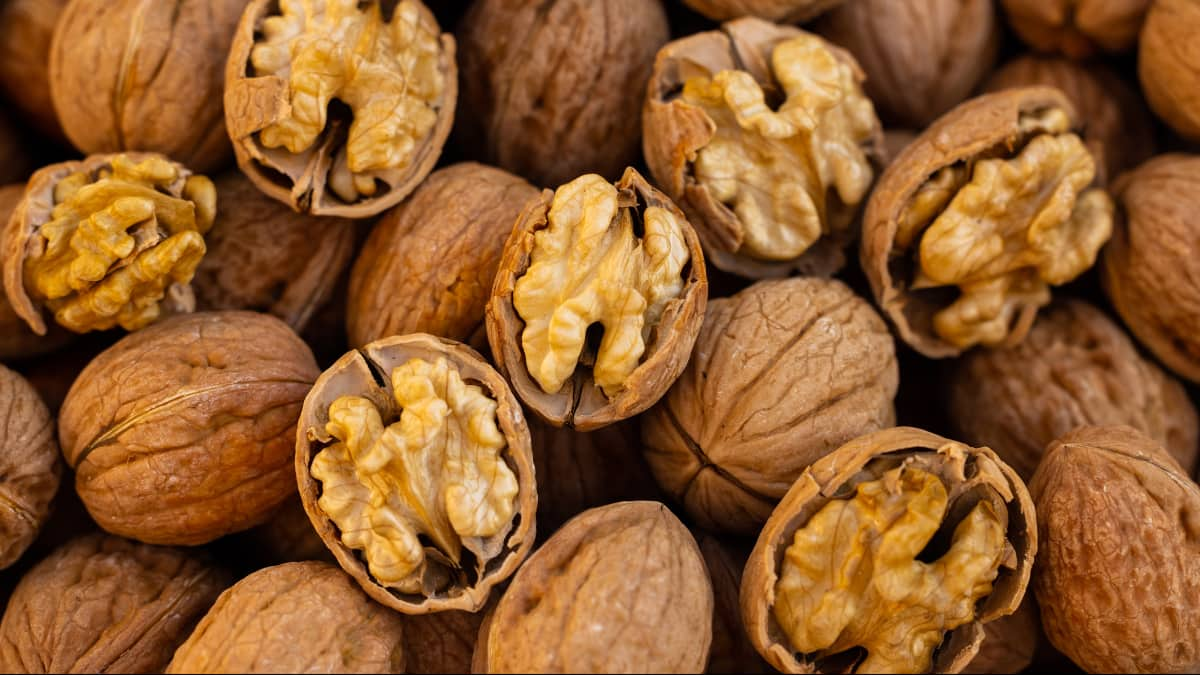
Constant use of mobile phones, laptops, and television screens has significantly impacted eye health in recent years. Problems such as dryness, irritation, blurred vision, and eye fatigue are now being reported even among younger age groups. To manage these issues, many people depend heavily on eye drops and medications. However, Ayurveda offers natural and time-tested approaches to protect and strengthen eyesight. Acharya Balkrishna has shared one such simple dietary remedy that may help preserve eye health and maintain clear vision even in later years. ALSO READ: Bajra Roti Health Benefits: Acharya Balkrishna Recommends This Winter Superfood For Joint Pain Relief Walnut: A Natural Tonic For Eye Health           View this post on Instagram                       A post shared by Acharya Balkrishna (@acharya_balkrishna) According to Acharya Balkrishna, walnuts are among the most beneficial dry fruits for maintaining healthy eyes. Rich in omega-3 fatty acids, essential fats, and vitamin E, walnuts help strengthen eye nerves and provide nourishment to the retina. These nutrients support overall eye function and help reduce age-related decline in vision. Regular intake may also protect eye cells from long-term damage caused by strain and environmental factors. How Walnuts Help Reduce Screen Related Eye Problems Acharya Balkrishna explains that omega-3 fatty acids present in walnuts play a key role in reducing eye dryness, a common issue linked to prolonged screen use. Vitamin E, a powerful antioxidant, helps combat damage caused by free radicals. This not only eases eye fatigue but also provides relief from irritation and discomfort caused by extended exposure to digital screens. Right Way To Consume Walnuts For maximum benefit, Acharya Balkrishna recommends soaking two walnuts overnight and eating them on an empty stomach in the morning. Soaked walnuts are easier to digest and allow the body to absorb nutrients more effectively. Alternatively, walnuts can be lightly crushed and consumed with lukewarm milk, making them suitable for those who find raw nuts heavy on digestion. Beyond eye health, walnuts offer multiple wellness benefits. They support brain function, promote heart health, help manage cholesterol levels, and strengthen immunity. When included as part of a balanced diet and healthy lifestyle, walnuts can contribute to overall well-being while helping preserve eyesight for years. Who Should Be Cautious Despite their benefits, walnuts should be consumed in moderation. Individuals with nut allergies may experience severe reactions and should avoid them entirely. Those with kidney stone issues should be cautious due to the presence of oxalates. People with sensitive digestion may experience gas, stomach discomfort, or loose motions. Since walnuts are calorie-dense, individuals dealing with weight gain should monitor portion size. Anyone taking blood-thinning medication should consult a doctor before increasing walnut intake. [Disclaimer: The information provided in the article is intended for general informational purposes only. It is not a substitute for professional medical advice, diagnosis, or treatment. Always seek the advice of your physician or other qualified healthcare provider with any questions you may have regarding a medical condition.]

Apple's Foldable iPhone Could Drop Face ID For Side Fingerprint Sensor: What We Know

Apple’s long-rumoured foldable iPhone is back in the news, and this time the details are getting clearer. A fresh leak from China suggests that Apple is actively working on its first foldable phone, currently being referred to as the iPhone Fold. While Apple has not confirmed anything yet, the leak comes from Digital Chat Station on Weibo, a source known for sharing early hardware details.  The rumour talks about the phone’s security features, display sizes, and camera setup. If true, this leak gives us one of the clearest pictures yet of what Apple’s foldable iPhone could look like. iPhone Fold Leak Reveals Major Design & Security Change According to the leak, Apple may skip Face ID entirely on the iPhone Fold. Instead, the company is said to be using a side-mounted fingerprint sensor, placed on the power button. This is similar to what many book-style foldable phones already use. The report clearly mentions that there will be no Face ID and no under-display fingerprint scanner on the iPhone Fold. This is a big shift for Apple, as Face ID has been a core feature on iPhones for years. The reason behind this move is not mentioned, but it could be linked to space constraints in a foldable design. If this leak is accurate, Apple seems to be choosing a simpler and more reliable unlocking method for its first foldable phone, rather than experimenting with complex sensors. iPhone Fold Display & Camera  The leak also reveals key details about the displays. The main folding screen of the iPhone Fold is said to measure 7.58 inches. This inner display will reportedly include an under-display selfie camera, allowing Apple to keep the screen clean without visible cutouts. On the outside, the cover display is said to be 5.25 inches in size. Unlike the inner screen, this outer display will feature a hole-punch camera for selfies. When it comes to cameras, the iPhone Fold is rumoured to have two rear cameras. At least one of these cameras is expected to have a 48MP sensor. No additional camera specifications have been shared in this leak. Analysts believe that Apple’s entry into the foldable market in 2026 could bring fresh attention to foldable phones. Whether this will finally push foldables into the mainstream is something only time will answer.

IPL Auction: Updated players for all 10 Teams; who got whom

The IPL 2026 player auction in Abu Dhabi saw Australian all-rounder Cameron Green become the costliest overseas player, snapped up by Kolkata Knight Riders for a staggering Rs 25.20 crore. David Miller found a home with Delhi Capitals for his base price, while Matheesha Pathirana also fetched a hefty sum for KKR. Several domestic talents went unsold.

How Often Do You Clean Your Earbuds? They May Be Doing More Harm Than You Realise

Most of us use earbuds every single day- while working, travelling, or relaxing. But very few people think about cleaning them. These tiny devices sit inside your ears for hours and slowly collect earwax, sweat, dirt, bacteria, and dead skin. When you keep using dirty earbuds, you are pushing all that mess back into your ears again and again.  This is not just a hygiene issue. It can affect your ear health, reduce sound quality, and even force you to replace expensive earbuds early. Regular earbud cleaning is simple, quick, and extremely important. Health Risks Of Using Dirty Earbuds Daily Your ear canal is warm and slightly moist, which already makes it sensitive. When dirty earbuds go inside, bacteria and debris get pushed deeper into the ear. This creates the perfect environment for infections. One common problem is outer ear infection, also called swimmer’s ear. It causes pain, itching, redness, and sometimes discharge. Studies have shown that dirty or shared earbuds can transfer harmful bacteria like Staphylococcus aureus and E. coli into your ears. People who use in-ear headphones regularly without cleaning them are more likely to face ear infections. Symptoms can include swelling, hearing trouble, constant itching, and discomfort that doesn’t go away easily. Dirty Earbuds Can Cause Earwax Buildup And Hearing Issues Earbuds can actually harm your hearing if they are not clean. Instead of letting earwax come out naturally, dirty earbuds push it back inside the ear canal. This leads to hard earwax buildup. This can cause temporary hearing loss, ear pain, and ringing sounds known as tinnitus. At the same time, earwax stuck on earbuds blocks sound. This makes audio feel low, forcing you to increase volume, which can damage your hearing over time. Skin Problems And Allergic Reactions From Unclean Earbuds Sweat, oil, and bacteria on earbuds can irritate the skin around your ears. Many people experience pimples, rashes, or itching. Some even develop contact dermatitis, which causes red and itchy skin. If you have sensitive skin or eczema, dirty earbuds make the problem worse. Dirty Earbuds Reduce Sound Quality And Lifespan Earwax blocks the speaker mesh, making sound dull and weak. Many earbuds stop sounding good simply because they are dirty, not broken. Over time, buildup can damage speakers permanently, forcing early replacement. How Often Should You Clean Your Earbuds Wipe earbuds daily with a dry cloth. Deep clean weekly using a soft cloth, cotton swab, and 70% alcohol. Wash silicone tips separately and dry fully before use. Cleaning takes minutes but saves your ears and your money.

Why Indian IT Giants Like TCS And Infosys Are Most Exposed To Trump’s New H-1B Visa Hike

When US President Donald Trump announced a $100,000 application fee for H‑1B visas in September, it sent shockwaves through the global technology industry.  While the policy applies to all employers hiring skilled foreign workers, its impact is set to be disproportionately severe for India’s IT outsourcing giants, especially Tata Consultancy Services (TCS) and Infosys. The proposed fee, which would be charged for every new H‑1B worker hired from outside the United States, marks the most aggressive restriction yet on the use of foreign skilled labour.  Industry experts say it directly targets the staffing-heavy business model that has long powered Indian IT firms’ dominance in the US market, reported The Financial Express. Why Indian IT Firms Are Squarely in the Firing Line A Bloomberg News analysis highlights that multinational IT services companies acting as intermediaries for US clients face the sharpest fallout. At the top of that list are TCS, Infosys and Cognizant, firms that rely heavily on overseas talent deployed on client projects. Between May 2020 and May 2024, nearly 90 per cent of new H‑1B hires at these companies were approved at US consulates. This is crucial because every such hire would trigger the new $100,000 fee. For Infosys, the exposure is particularly stark. More than 93 per cent of its new H‑1B approvals, over 10,400 workers, would have attracted the fee, translating into visa costs of more than $1 billion. TCS would have faced charges for around 6,500 workers, accounting for 82 per cent of its newly approved H‑1B employees. Cognizant would be hit for more than 5,600 workers, or 89 per cent of new hires. Immigration attorney Jonathan Wasden, who represents several IT employers, said, “We’re already seeing companies pull back. The fear is that if you have truly exceptional talent overseas, those people are definitely going to be missing out." Why the H‑1B Programme Is Under Political Fire The H‑1B visa programme offers 85,000 visas annually to skilled foreign workers with at least a bachelor’s degree. Large IT and technology firms dominate the system, making it a long‑running political flashpoint in Washington. Both Democrats and Republicans have accused employers of using H‑1B visas as a source of cheaper labour. Companies argue otherwise, pointing out that visa holders must be paid a “prevailing wage” and that entry‑level H‑1B salaries often exceed the US median income. Yet the data continues to fuel criticism. Bloomberg’s analysis shows that over 40 per cent of new H‑1B hires in the past four years came directly from overseas, not from foreign students already studying in the US. In 2020, the Trump administration introduced an online lottery system that allowed companies to register workers cheaply and without full documentation. Registrations surged. By fiscal 2024, there were 758,000 eligible registrations competing for just 85,000 visas. Biden‑era officials later accused IT consultancies of “gaming the system” and tightened the rules. Trump’s proposed $100,000 fee goes much further. White House spokeswoman Taylor Rogers said the measure would bring certainty to employers and discourage firms “from spamming the system and driving down wages.” How Companies Are Responding Legal challenges are already underway, including one led by the US Chamber of Commerce. However, many firms are not waiting for court outcomes. The IT consulting sector had already reduced new H‑1B hiring since 2024, and the new fee could accelerate that shift, said Steve Hall, Chief AI Officer at Information Services Group. He expects US firms to deepen investments in India instead. “If you want to access the world’s best talent, you have to go where the talent is,” Hall told Bloomberg. Infosys, like most major H‑1B employers, declined detailed comment but pointed to earlier remarks by CEO Salil Parekh, who said only a minority of its US workforce requires visa sponsorship and that the company continues to serve clients “without any disruption to their services today and into the future.” IBM, which hired 88 per cent of its H‑1B workers from abroad, said it has already adjusted its strategy. “Our focus remains on ensuring we have the right skills to meet clients’ evolving needs,” said IBM spokesperson Miki Carver. Critics of the H‑1B system believe the policy could finally alter how companies hire. “The fee was a step in the right direction, but employers will figure out how to adapt,” said Ron Hira, a political scientist at Howard University. “Will that be a higher‑skill, higher‑wage cohort? That’ll be the first sign.” Some firms are already planning to skip lottery entries for workers requiring consular processing, according to Finn Reynolds of legal‑tech firm Lawfully. “The Trump administration’s $100,000 fee, combined with the weighted‑lottery rule, has created an entirely new set of incentives that will reshape market behaviour vis‑à‑vis the H‑1B lottery,” Reynolds said. Lawfully estimates that next year’s H‑1B lottery entries could fall by 30 per cent to 50 per cent.

Interstellar comet 3I/ATLAS approaches Earth on 19 December: Witness a rare cosmic spectacle, viewing tips and other important information

Interstellar comet 3I/ATLAS, discovered in July, will approach Earth on December 19th. This rare visitor from another star system, unlike typical comets, offers scientists a unique chance to analyze its composition. Studying the dust and gas released as it nears the Sun could reveal secrets about other planetary systems' evolution. It will be observable via telescopes.

Looking Back 2025: ‘Shrekking’, ‘Chatfishing’ And Other Dating Terms That Defined Gen Z Romance

Looking back at 2025, it wasn’t just dating habits that evolved, the language of romance itself underwent a dramatic rewrite. Gen Z, already known for reshaping cultural norms through humour, honesty, and internet-first thinking, introduced a new vocabulary that captured the emotional realities of modern dating. These terms didn’t emerge from textbooks or therapy sessions. They were born in group chats, dating apps, social media comment sections, and late-night voice notes. Each phrase reflected something deeply relatable like the fear of vulnerability, exhaustion from emotional labour, the influence of technology, and a growing desire for clarity. Together, these expressions didn’t just label behaviours, they exposed how love, intimacy, and commitment are navigated in a fast-paced, hyper-connected world. Here’s a look back at the dating terms that defined Gen Z romance in 2025 and why they struck such a powerful chord. ALSO READ: Looking Back 2025: Top 10 Most Googled Foods In India That Captivated Taste Buds 1. Shrekking (Image Source: ABPLIVE AI) Shrekking captured one of the year’s most ironic dating lessons. The term described people intentionally choosing partners they believed were “beneath” their standards, assuming this imbalance would protect them from heartbreak. The logic was rooted in control, if you value them more than they value you, you won’t get hurt. Reality, however, had other plans. Many who embraced this mindset ended up being rejected, ghosted, or blindsided. Getting “Shrekked” became shorthand for having your ego humbled by love. The term resonated because it exposed a universal truth: attraction doesn’t follow hierarchy. Emotional connection isn’t governed by perceived value. Shrekking became a cautionary tale, reminding Gen Z that insecurity disguised as strategy often backfires in the most unexpected ways. 2. Chatfishing (Image Source: ABPLIVE AI) If catfishing was about fake identities, chatfishing was about borrowed personalities. In 2025, many daters quietly began outsourcing their romantic conversations to AI tools. Screenshots of chats were fed into apps that generated charming, emotionally intelligent replies. The goal wasn’t deception in appearance, it was performance in communication. For some, it eased anxiety and helped articulate feelings they struggled to express. For others, it blurred the line between authenticity and automation. Chatfishing sparked debates about emotional honesty in the age of artificial intelligence. Was it still “you” if an algorithm helped you flirt? The trend reflected modern dating pressure, the expectation to always be witty, responsive, and emotionally fluent. More than cheating, chatfishing revealed how exhausting digital romance had become. 3. Zip Coding (Image Source: ABPLIVE AI) After years of long-distance texting, delayed plans, and relationships stretched thin by geography, 2025 marked a quiet rebellion against inconvenience. Zip-coding emerged as a dating philosophy where people intentionally limited their romantic search to their immediate neighbourhood or postal area. The motivation wasn’t laziness, it was practicality. Dating someone nearby meant spontaneous plans, fewer cancellations, and a realistic chance of building routine intimacy. For Gen Z, who increasingly value consistency over fantasy, proximity became a form of emotional security. Zip-coding also reflected burnout from digital dating, where endless options often led to nowhere. By narrowing the pool, singles felt more present and intentional. 4. Bio-Baiting (Image Source: ABPLIVE AI) Somewhere between honesty and fabrication sat bio-baiting, a subtle yet widespread dating habit. Instead of outright lying, people crafted dating profiles that leaned heavily into aspiration. Hobbies were exaggerated, lifestyles were glamorised, and personality traits were selectively amplified. The “traveller” who rarely travelled, the “reader” who skimmed occasionally, the “foodie” who mastered food delivery apps, bio-baiting wasn’t fake, just carefully edited. In a swipe-driven ecosystem, first impressions mattered more than nuance. This trend highlighted how digital dating encourages people to market potential rather than reality. 5. Date Till You Hate (Image Source: ABPLIVE AI) One of the most unsettling trends of 2025 was the resurgence of “date till you hate.” Instead of addressing incompatibility early, some chose to stay until affection turned into indifference. The idea was simple, wait until you feel nothing, then leaving won’t hurt. Critics called it emotionally avoidant, while others admitted it felt painfully familiar. The trend exposed how conflict avoidance often replaces communication. Rather than risk vulnerability, people quietly checked out. Date till you hate became a mirror to modern discomfort with difficult conversations. It shows how emotional endurance sometimes replaced emotional honesty. 6. Clear Coding (Image Source: ABPLIVE AI) Amid confusion, one trend offered clarity. Clear coding was about stating intentions upfront, no decoding texts, no guessing games. Singles openly communicated whether they wanted commitment, something casual, or emotional flexibility. The movement gained momentum as surveys showed honesty topping dating priorities. For Gen Z, clarity wasn’t unromantic, it was respectful. Clear coding reduced emotional guesswork and saved time, energy, and heartbreak. It marked a cultural shift where transparency became attractive, proving that confidence and communication were the new chemistry. 7. Monkey-Barring (Image Source: ABPLIVE AI) Monkey-barring described the act of holding onto one relationship while emotionally securing another. Like swinging across playground bars, one hand never fully let go. The behaviour reflected fear of loneliness, uncertainty, and emotional free fall. While some defended it as self-protection, others saw it as a form of emotional infidelity. Monkey-barring sparked conversations about boundaries, ethics, and transition relationships. It highlighted how difficult it had become for people to sit alone with discomfort, choosing overlap instead of closure. 8. Banksying (Image Source: ABPLIVE AI) If ghosting vanished overnight, Banksying disappeared in slow motion. Named after the artist known for vanishing acts, this breakup style involved gradual withdrawal like, fewer messages, reduced affection, emotional distance, while maintaining the illusion of normalcy. The partner left behind often questioned themselves, unsure when things changed. Banksying became one of the most criticised dating behaviours of the year because of its psychological toll. It exposed how avoidance, when stretched over time, could be more damaging than abrupt endings. Together, these terms captured the emotional climate of dating in 2025, a mix of humour, honesty, fear, and adaptation. As Gen Z continues to reshape relationships, one thing is clear: love remains timeless, but the language we use to survive it keeps evolving.

Video: Groom Feels Uneasy To Go Down On One Knee, Family Gives Crash Course At Wedding

Wedding ceremonies are usually remembered for emotional vows, graceful rituals and picture-perfect moments between the bride and groom. But a recently viral wedding video has captured attention for an entirely different reason — an endearingly awkward groom who struggles to kneel during a traditional ritual, turning the moment into an internet sensation and a source of widespread amusement. The clip, now circulating widely across social media platforms has struck a chord with viewers for its sheer innocence. Instead of rehearsed romance or cinematic flair, the video shows a groom so nervous and unsure that he appears completely baffled by how to sit down properly in front of his bride — at his own wedding. A Proposal That Didn’t Go As Planned In the viral video, the groom is seen dressed in traditional wedding attire, complete with a turban, standing opposite the bride during a ceremonial moment. According to viewers, the ritual requires the groom to kneel before the bride and hold her hand. However, as he attempts to lower himself, he appears visibly uncomfortable and uncertain, unable to bend his knees properly. What follows is a series of gentle interventions by family members, who try to guide him through hand gestures and quiet instructions. The groom’s confusion only adds to the charm of the moment, making the scene unintentionally hilarious. The bride, covered with a veil, is seen smiling patiently as the situation unfolds.   एक बात पूछनी थी क्या ये संस्कार भी घरवाले ही देंगे 😜😜😜या ये सीखना हमारी जिम्मेदारी है 😄 pic.twitter.com/FebWvbxMzs — 𝐒𝐡𝐫𝐞𝐲𝐚 𝐌𝐞𝐞𝐧𝐚 (@Shreya_Tonk) December 14, 2025   Family Steps In With On-Stage Coaching As the groom struggles, relatives and elders step forward to assist him right on the wedding stage. Some are seen supporting him physically while others signal how to sit and where to place himself. The entire episode plays out in full public view, prompting laughter not just online but also among guests present at the venue. The atmosphere remains light-hearted throughout, with no sign of embarrassment — only warmth, laughter, and affection. This candid glimpse into an unscripted wedding moment is exactly what has resonated with audiences, who are calling the groom’s behaviour “pure,” “innocent,” and refreshingly real. Social Media Reacts With Hilarious Comments The video was shared by the account @Shreya_Tonk and has already garnered millions of views and likes. Users flooded the comment section with jokes and playful observations. One user wrote, "Brother has brought glory to men." Another commented, "That's why it's said that one should have a girlfriend." A third added, "Brother, what a wonderful, decent man he is."The clip continues to gain traction as users share it across platforms, celebrating the groom’s simplicity and the unfiltered joy of the moment. In an era dominated by heavily choreographed wedding reels, this spontaneous scene stands out — proving that sometimes, the most memorable moments are the ones that are completely unplanned.

From Make-Up To Mandap: What’s Hot, What’s Not, And What Wedding Brands Are Stocking Up On

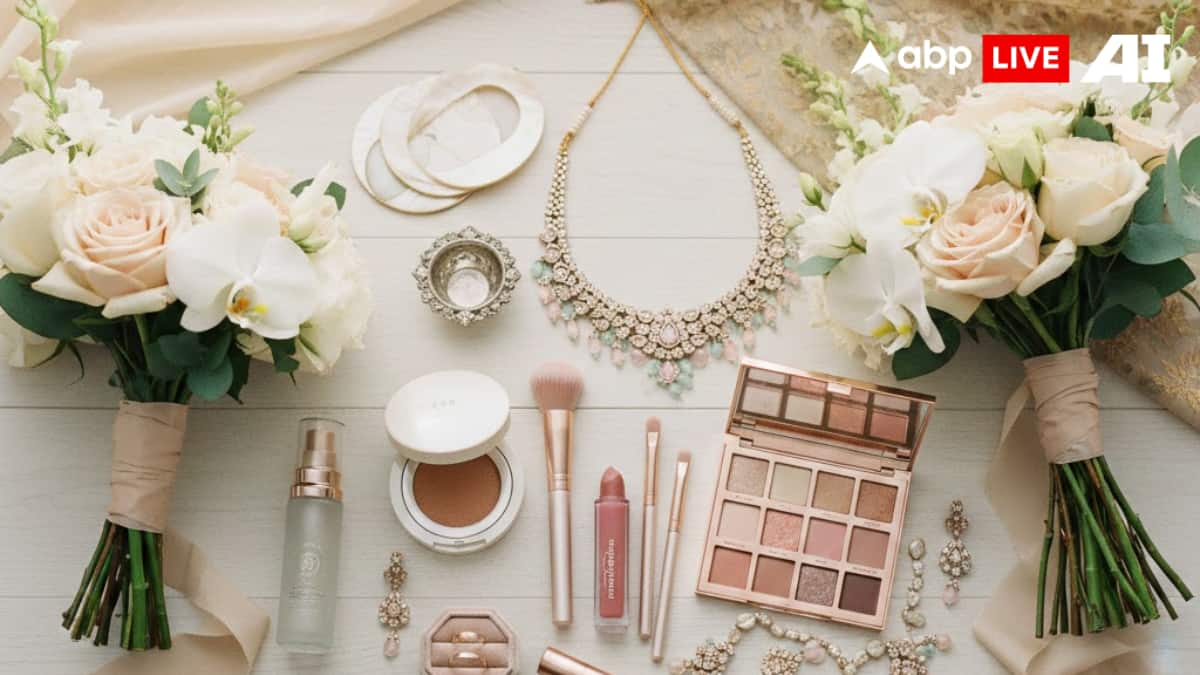
Big fat Indian weddings have long been synonymous with grandeur, vibrant colours, and lavish celebrations, but today's celebrations are evolving fast. From what brides put on their skin to what guests carry to the mandap, the modern wedding is less about excess and more about intention. Comfort, personalisation, and visual storytelling are quietly replacing heavy layers, over-the-top decor, and impractical buys. To decode what’s truly trending and what’s gradually being left behind, insights from experts at FlowerAura and Womancart, two brands closely tracking real-time wedding season behaviour, offer clarity. Their observations reveal how couples and families are shopping smarter, opting for lighter choices, and investing in elements that hold value well beyond the wedding day. ALSO READ: From Paris To Seoul: Top 10 Most Attractive Cities Every Traveller Must Visit From Heavy Glam To Soft Glow: How Bridal Beauty Is Changing (Image Source: ABPLIVE AI) One of the biggest shifts this wedding season is visible right on the bride’s face. Heavy, cakey makeup is giving way to breathable, skin-first beauty. “This season, we are seeing a very clear shift toward modern minimalism blended with traditional elegance,” says Mr Madhu Sudan Pahwa, Managing Director, Womancart. Brides are opting for soft-glam makeup, dewy finishes, and luminous skin that lasts through long ceremonies. Instead of dramatic contours, shades like nude, peach, and berry are dominating lips, cheeks, and eyes. The idea is simple, look radiant in real life and flawless on camera, that too without feeling weighed down. Behind that effortless glow is months of preparation. According to Womancart, brides are no longer waiting till the last month to think about skincare. “Many brides now start their skincare routine six to nine months in advance,” shares Pahwa. Hydrating serums with hyaluronic acid and niacinamide, vitamin C for brightness, gentle exfoliating toners, and quick-fix sheet masks have become non-negotiable. With weddings stretching across multiple days, early skin prep ensures brides stay fresh and confident from haldi to vidaai, without constantly touching up makeup. Lightweight Jewellery Is Outshining Heavy Heirlooms (Image Source: ABPLIVE AI) Jewellery choices are also reflecting this comfort-first mindset. Instead of extremely heavy traditional sets, brides are leaning towards versatile, lighter designs. Lightweight kundan, American diamond sets, pastel stones, and temple-inspired pieces are leading sales. “Brides today want jewellery that looks premium but can be worn again,” explains Pahwa. This growing preference for affordable luxe jewellery allows brides to build a flexible trousseau, pieces that work for weddings, festivals, and future celebrations alike. Pastels, Pre-Stitched Sarees, And Comfort-Led Footwear (Image Source: ABPLIVE AI) Wedding wardrobes are becoming more practical too. Pre-stitched sarees, lightweight lehengas, embellished juttis, and cushioned block heels are seeing a spike in demand. “These categories consistently show the highest rise in both planned and last-minute bridal purchases,” says Womancart. Brides are prioritising ease of movement, quick changes, and all-day comfort, without compromising on elegance. What's Blooming In Wedding Gifting This Season (Image Source: ABPLIVE AI) Flowers continue to be a timeless wedding gift, but how they’re being chosen has changed. “Roses remain the most gifted flowers during weddings,” reveals Mr Shrey Sehgal, Co-founder, FlowerAura. Red roses alone account for nearly 25 percent of demand, followed by pink and mixed rose bouquets. Sunflower combinations are growing in popularity for their bright, joyful look, while orchids making up close to 10 percent of gifting sales are favoured for their premium appeal and long-lasting freshness. Personalised Bouquets Are Stealing The Spotlight (Image Source: ABPLIVE AI) Beyond the blooms, presentation is everything. Wedding guests are increasingly choosing gifts that feel thoughtful and photo-worthy. “Hand-tied bouquets, premium curated arrangements, and customised bouquets with message cards or polaroid photos have become strong favourites,” Sehgal shares. Modern wrapping styles, mixed-flower combinations, colourful ribbons, and personal notes are transforming floral gifts into keepsakes, perfect for social media moments and intimate celebrations. What's Fading Out This Wedding Season (Image Source: ABPLIVE AI) As preferences evolve, some trends are quietly stepping aside this wedding season. These trends involve overly heavy makeup layers, bulky jewellery worn for long hours, generic and mass produced gifting, impractical footwear, and rigid outfits. In their place are products and experiences that balance beauty with comfort and meaning. Across categories, beauty, jewellery, flowers, and fashion, the message is clear. Today’s couples want weddings that feel authentic, enjoyable, and deeply personal. “In the end, brides want to look their best and feel their best at the same time,” sums up Pahwa. This philosophy is shaping what brands are stocking, promoting, and innovating for the modern Indian wedding. From make-up tables to mandap decor, what’s hot right now is thoughtful luxury, designed to last well beyond the wedding day.