Language Settings
Select Website Language
newshunt
newshunt

Filters

Channels
Topics
Other Filters

Buy Or Wait? Silver Rates In India Fall Today (Dec 16), Get Latest 1 Gm, 1 Kg Price

Silver prices in India slipped on Tuesday, as gold rates also declined across major markets. Gold prices were declining in early trade, while silver retreated after recently hitting a record high on the Multi Commodity Exchange (MCX). The move came as traders reassessed the implications of the US Federal Reserve’s latest rate cut and positioned themselves ahead of a week packed with key US economic data. Fed Rate Cut Keeps Bullion in Focus The broader attention on precious metals follows the US Federal Reserve’s decision to cut its benchmark interest rate by 25 basis points, while signalling that another reduction may follow next year. The move, accompanied by softer commentary from policymakers, reinforced expectations of a more accommodative monetary policy stance. This shift pushed the dollar index lower to 98.30, making gold cheaper for overseas buyers and supporting demand in global markets. At the same time, the Indian rupee remained near its record low against the US dollar, a factor that continues to lend support to domestic gold prices by making imports costlier. Market strategists noted that lower interest rates reduce the opportunity cost of holding non-yielding assets such as gold and silver. While gold remained supported, silver saw some profit-taking after its recent surge, with investors weighing near-term cues amid inflation concerns and lingering economic uncertainty. Silver Rates Across Major Cities In India On Dec 16 Silver Rate In Delhi Today The current silver price in Delhi stand at Rs 199 per gram and Rs 1,99,100 per kg. Silver Rate In Chennai Today The current silver price in Chennai stand at Rs 211 per gram and Rs 2,11,000 per kg. Silver Rate In Bengaluru Today The current silver price in Delhi stand at Rs 199 per gram and Rs 1,99,100 per kg. Silver Rate In Mumbai Today The current silver price in Delhi stand at Rs 199 per gram and Rs 1,99,100 per kg. Silver Rate In Pune Today The current silver price in Delhi stand at Rs 199 per gram and Rs 1,99,100 per kg. Silver Rate In Kolkata Today The current silver price in Delhi stand at Rs 199 per gram and Rs 1,99,100 per kg. City Per Gram Per KG Silver Rate in Delhi 199 1,99,100 Silver Rate in Chennai 211 2,11,000 Silver Rate in Bangalore 199 1,99,100 Silver Rate in Mumbai 199 1,99,100 Silver Rate in Pune 199 1,99,100 Silver Rate in Kolkata 199 1,99,100 Silver Rate in Hyderabad 211 2,11,000 Silver Rate in Ahmedabad 199 1,99,100 Silver Rate in Indore 199 1,99,100 Silver Rate in Lucknow 199 1,99,100 Silver Rate in Coimbatore 211 2,11,000 Silver Rate in Bhubaneswar 211 2,11,000 Silver Rate in Mysore 199 1,99,100 Silver Rate in Kanpur 199 1,99,100 Silver Rate in Salem 211 2,11,000 Silver Rate in Visakhapatnam 211 2,11,000 Silver Rate in Vijayawada 211 2,11,000 Silver Rate in Patna 199 1,99,100

Five Most Expensive Buys In IPL 2026 Auction; KKR Spend ₹43.20 Crore On 2 Stars

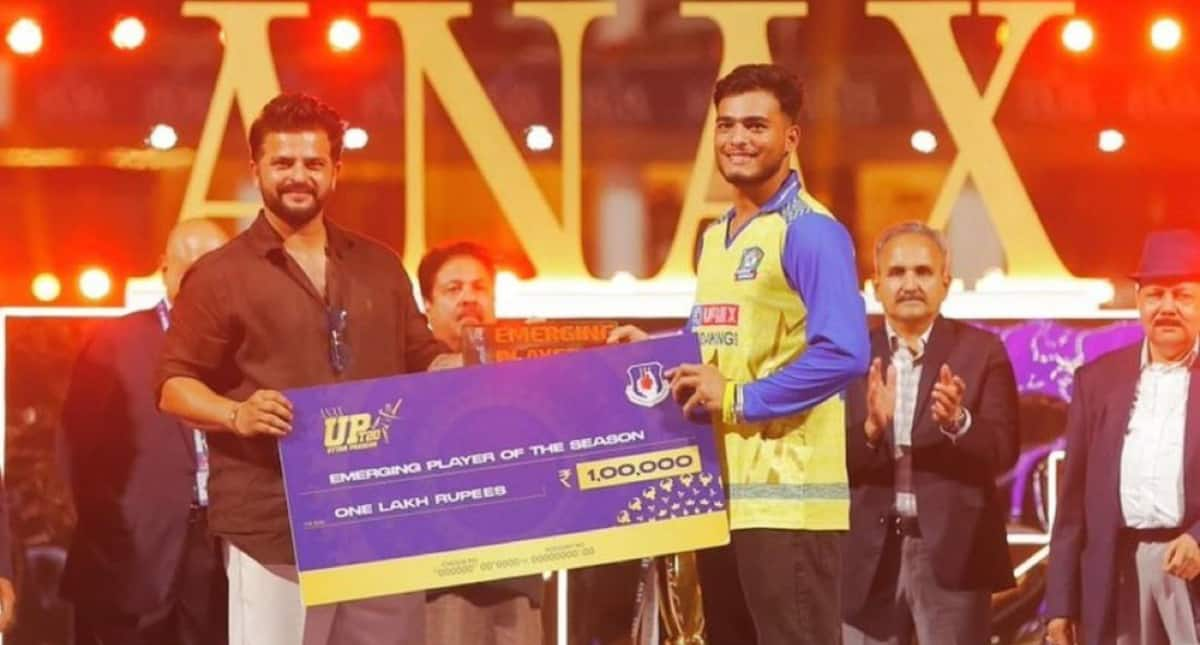
IPL 2026 auction saw several eye-catching bids, with Cameron Green emerging as the costliest player of the event. Kolkata Knight Riders (KKR) spent a massive ₹25.20 crore to secure the Australian all-rounder, making him the most expensive overseas player in IPL history. KKR further strengthened their squad by investing ₹18 crore in Sri Lankan fast bowler Matheesha Pathirana. Meanwhile, Chennai Super Kings (CSK) made headlines by spending over ₹28 crore on two uncapped players, underlining their long-term planning. Here’s a look at five most expensive buys of the IPL 2026 auction: Cameron Green - ₹25.20 crore (KKR) KKR won a fierce bidding war for Cameron Green, edging out CSK, whose final bid stood at ₹25 crore. With this deal, Green surpassed Mitchell Starc’s previous record to become the costliest foreign player in IPL history. Matheesha Pathirana - ₹18 crore (KKR) KKR used their strong purse to land Matheesha Pathirana for ₹18 crore. The Sri Lankan pacer became the most expensive player from Sri Lanka ever sold in an IPL auction. Prashant Veer - ₹14.20 crore (CSK) Uncapped all-rounder Prashant Veer impressed in the UP T20 League and the Syed Mushtaq Ali Trophy, scoring 192 runs at a strike rate of 160 and taking nine wickets in seven matches. CSK secured him for ₹14.20 crore despite his base price being just ₹30 lakh, beating Sunrisers Hyderabad in a bidding battle. Kartik Sharma - ₹14.20 crore (CSK) CSK also went big for Kartik Sharma, winning a close contest against Sunrisers Hyderabad. After SRH pushed the bid to ₹14 crore, CSK sealed the deal at ₹14.20 crore. Mustafizur Rahman - Rs 9.20 crore (KKR) Kolkata Knight Riders (KKR) secured services of Bangladeshi pacer Mustafizur Rahman for ₹9.20 crore. KKR beat out Chennai Super Kings and Delhi Capitals for the 'Fizz', bolstering their already strong pace attack. Aaqib Dar - ₹8.40 crore (DC) Delhi Capitals acquired Aaqib Dar after an intense duel with Sunrisers Hyderabad. Starting from a base price of ₹30 lakh, the bids escalated rapidly before DC clinched him at ₹8.40 crore. Ravi Bishnoi - ₹7.20 crore (RR) Rajasthan Royals brought in leg-spinner Ravi Bishnoi for ₹7.20 crore. Previously with Lucknow Super Giants, Bishnoi is now set to play for his third IPL franchise, having earlier represented Punjab Kings. Venkatesh Iyer - ₹7 crore (RCB) Royal Challengers Bengaluru signed Venkatesh Iyer for ₹7 crore. Although KKR showed interest, they backed out after ₹6.80 crore. Notably, Iyer had fetched ₹23.75 crore in the previous season, making this one of the auction’s biggest price drops. Jason Holder - ₹7 crore (GT) The versatile West Indies all-rounder, Jason Holder, was secured by the Gujarat Titans (GT) for ₹7 crore following an intense bidding battle with Chennai Super Kings, adding crucial pace-bowling depth to their squad.

Venkatesh Iyer takes 70% pay cut, joins RCB

Venkatesh Iyer saw a significant drop in his IPL 2026 auction price, moving from Rs 23.75 crore to Rs 7 crore after Royal Challengers Bengaluru outbid Kolkata Knight Riders. Despite a recent strong domestic performance, Iyer's previous IPL season was disappointing, leading to this substantial pay cut.

IPL 2026 Auction: Complete List Of All Unsold Players

The IPL 2026 Mini Auction has wrapped up in Abu Dhabi. A lot of players have found a new home, with some on record deals. However, there have been plenty who, so far, have failed to generate interest from any of the 10 franchises.  This is usually seen with uncapped players, but this year's list of unsold players also features some experienced international stars, some of which have notable experience in the competition.  All Unsold Players In IPL 2026 Auction Here is a list of all the players who went unsold at the IPL 2026 Mini Auction in Abu Dhabi. Jake Fraser-McGurk  Devon Conway Gus Atkinson Wiaan Mulder Deepak Hooda KS Bharat Rahmanullah Gurbaz Jonny Bairstow Jamie Smith Gerald Coetzee Spencer Johnson Fazalhaq Farooqi Maheesh Theekshana Mujeeb Ur Rahman Atharva Taide Anmolpreet Singh Abhinav Tejrana Abhinav Manohar Yash Dhull Aarya Desai Vijay Shankar Rajvardhan Hangarekar Mahipal Lomror Eden Apple Tom Tanush Kotian Sanvir Singh Ruchit Ahir Kamlesh Nagarkoti Vansh Bedi Tushar Raheja Raj Limbani Simarjeet Singh Akash Madhwal Shivam Shukla Wahidullah Zadran Karn Sharma Kumar Kartikeya Sediqullah Atal Michael Bracewell Sean Abbott Daryl Mitchell Dasun Shanaka Chetan Sakariya Waqar Salamkheil Salman Nizar Mayank Rawat KM Asif Murugan Ashwin Tejas Baroka KC Cariappa Mohit Rathee Dan Lawrence Taskin Ahmed Richard Gleeson Alzarri Joseph Riley Meredith Jhye Richardson Dheeraj Kumar Tanay Thyagarajan Connor Esterhuizen Irfan Umair Chintal Gandhi Vishal Nishad Nathan Smith Daniel Lategan Karan Lal Utkarsh Singh Ayush Vartak Jikku Bright Izaz Sawariya Manishankar Murasingh Manan Vohra Mayank Dagar Money Grewal Macneil Noronha Siddharth Yadav Ritik Tada Chama Milind Swastik Chikara William Sutherland RS Ambrish Many of them remained unsold despite reappearing in later auction rounds. IPL 2026 Auction: Top 5 Signings Here is a look at the top 5 most expensive signings from today's IPL Mini Auction: 1) Cameron Green (Australia) - 25.20 Crore (KKR) 2) Matheesha Pathirana (Sri Lanka) - Rs 18.00 Crore (KKR) 3) Kartik Sharma (India) - Rs 14.20 Crore (CSK) 4) Prashant Veer (India) - Rs 14.20 Crore (CSK) 5) Liam Livingstone (England) - Rs 13.00 Crore (SRH) It is worth noting that Livingstone went unsold in the first round.

AI Is Changing How We Budget, But Should You Let It Control Your Finances?

Artificial intelligence is slowly becoming part of how people manage their money. From tracking expenses to setting budgets, AI-powered apps are changing everyday money habits. Many personal finance apps now use AI to study spending patterns and suggest where you can cut back or save more. While this can be helpful, AI works best as a helper, not a replacement for your own judgement. How AI helps with budgeting One of the biggest benefits of AI tools is automation. These apps automatically track digital payments, sort expenses into categories, and show you where your money is going. This saves time and reduces mistakes. By spotting spending patterns, AI can flag unusual expenses or areas where costs are rising quietly. This makes it easier to stay on track and plan future spending. Reducing money-related stress Money management can feel overwhelming, especially when expenses are scattered across cards and apps. AI tools bring everything together in one place, giving a clear picture of income and spending. When numbers are updated regularly, decisions feel less uncertain. Instead of guessing, you work with real data. This clarity helps people feel more in control and less anxious about money. AI is a guide, not a planner AI can act like a basic money coach. It can answer simple questions, suggest saving goals, and highlight habits you may want to change. For short-term decisions, this is often enough. But AI looks only at past data. It does not understand personal priorities, emotions, or sudden changes like a job switch or medical expense. Treat its suggestions as guidance, not final advice. Where human judgement still matters For bigger decisions like tax planning, investing, or retirement, human judgement remains important. These choices depend on life goals, risk appetite, and personal circumstances. AI can help with calculations and comparisons, but the final call should always be yours, or taken with professional advice. Privacy and overuse risks Using AI finance apps means sharing personal financial data. Not all apps offer the same level of security, so it’s important to check privacy policies before linking accounts. There is also a risk of relying too much on AI. Algorithms can make mistakes or miss context. Following suggestions blindly can do more harm than good. So, should you trust AI with your money? Yes, if you use it wisely. AI can make money management simpler, reduce stress, and build better habits. Just remember, it’s a tool to support your decisions, not make them for you. (The author is Associate Analyst, Communications at BankBazaar.com. This article has been published as part of a special arrangement with BankBazaar)

Tech Company Ousts AI Head Over Racist Remark on Hackathon Photo

Nik Pash, the head of artificial intelligence at San Francisco-based tech company Cline, has been removed from his position after a brief social media comment triggered widespread criticism. The remark, posted in response to a photograph from a coding event, was widely interpreted as racially insensitive and led to a growing backlash online. The controversy began when an X user, identified as “Taylor”, shared an image from the xAI Hackathon showing a packed hall of participants and wrote: “A full audience of hardcore builders and engineers at the @xai hackathon!” The photograph included many people of Indian and South Asian origin. Pash replied beneath the post with the comment: “Imagine the smell.” Social Media Condemnation The comment was swiftly condemned by users across social media platforms, with many describing it as derogatory and offensive. Critics argued that the remark echoed long-standing stereotypes about South Asians and was especially inappropriate coming from a senior executive in the technology sector. As the post circulated, calls grew for accountability, with users questioning whether such language aligned with the values of a modern technology company. Initial Defence From Company Leadership Early reactions within Cline and online were mixed. Cline founder and chief executive Saoud Rizwan, who is of South Asian descent, publicly defended Pash. Rizwan said the comment had been misunderstood and was meant as a general reference to how crowded hackathon venues can smell, rather than a remark aimed at any specific group. Rizwan noted that Cline itself was founded at a hackathon that was “quite smelly” and said he worked closely with Pash on a daily basis. He maintained that the comment had been taken out of context and did not reflect racist intent. A full audience of hardcore builders and engineers at the @xai hackathon! 🔥 pic.twitter.com/5ylX2C2R6c — Taylor (@taycaldwell) December 7, 2025 Pash Rejects Apology According to a report by The Times of India, Pash also denied that his remark was racially motivated. He told followers that his comment was based on his experience of attending crowded technical events and insisted it was not a personal attack. Pash reportedly refused to apologise, describing the backlash as excessive, and even sought apologies from some of his critics. Company Acts Amid Sustained Criticism Despite these explanations, criticism continued to intensify. Reports said the company ultimately concluded that Pash’s refusal to offer a genuine apology was inconsistent with its stated commitment to respect and inclusivity. Cline subsequently removed Pash from his role. The decision was confirmed through company statements shared on social media, although some of those posts were later deleted as the debate around the incident continued.

Looking Ahead 2026: Why Your Investment Portfolio Needs A Clean-Up Before The New Year

By Sanjiv Bajaj Every December, we open our cupboards and pull out clothes we once loved, once needed, and once used but haven’t touched in years. Some remind us of earlier seasons, some of impulse buys, and some of pure habit. Our portfolios look exactly the same. They’re full of funds that were relevant once or purchased with good intentions but no longer serve a purpose. And just like a cluttered cupboard makes it harder to find what you actually wear, a cluttered portfolio makes it harder for your money to grow. Decluttering your investments isn’t just financial; it’s emotional. It’s acknowledging that your goals and priorities have evolved and your portfolio must evolve too. With 2026 approaching, this is your moment to let go of the old and make space for what truly matters. The Same-Same Funds - Duplication Without Diversification Investors often hold multiple funds in the same category like three large-cap, two flexi-cap, or even two Nifty 50 index funds. This isn’t diversification; it’s duplication.Why it hurts: Returns get diluted. Tracking becomes tedious. You take the same risk repeatedly. If two funds have 60-70 per cent overlap, keep only the stronger performer. The “Bought It Years Ago” Legacy Funds Old funds are like old clothes - meaningful once, irrelevant now. Why they become dead weight: Fund managers change. Strategies drift. Performance weakens. Your goals shift. If a fund has been consistently underperforming for 3+ years, exit gracefully. The Festival-Season or FOMO Buys Every rally creates a season of emotional buying like pharma in 2020, PSU in 2023, EV in 2024. Most of these funds were bought because the theme was “hot,” not because they fit your plan. Why they’re clutter today: They add volatility. They rarely support long-term goals. The excitement fades, the fund stays. If the theme still has a long runway, hold. If not, don’t hesitate to exit. The High-Cost, Low-Return Culprits Expense ratios matter more than we realise. Two similar funds with different costs can produce drastically different long-term outcomes. Why high-cost funds disappoint: Many don’t outperform cheaper options. Regular plans eat into returns quietly. Fees chip away at compounding. If a fund can’t justify its cost through performance, it’s an easy cut. The “Too Many Small SIPs” Syndrome Having Rs 500 SIPs in 7-8 funds is like signing up for multiple gyms and hoping one makes you fit. Why this weakens your portfolio: No SIP becomes meaningful. Rebalancing becomes impossible. Tracking becomes stressful. Shift to fewer, stronger funds with meaningful SIP amounts.  The Overly Aggressive Funds You Don’t Need Small-cap, thematic, and sectoral funds are powerful but only in moderation. When they exceed 10-15 per cent of your portfolio without intention, they cause more stress than returns. Why they become problematic: Deep drawdowns High volatility Emotional fatigue Higher chances of selling at the worst time If a fund keeps you anxious, it doesn’t belong in your portfolio. The Last-Minute Tax-Saving ELSS Funds February-March is the panic-investing season. People buy ELSS funds just to save tax, resulting in a messy pile of small, disconnected holdings. Why they create clutter: Multiple ELSS schemes accumulate over the years. Many underperform after the lock-in. They don’t serve any long-term goal. Once the 3-year lock-in ends, evaluate ELSS funds like any other and exit the laggards. How to Declutter Smartly Make a single portfolio sheet: Include fund names, categories, SIP amounts, and returns. Remove duplicates: One strong fund per category is enough. Exit laggards slowly: Use systematic withdrawal if needed. Rebuild with 3–5 core funds: Large-cap, flexi-cap, index funds, and optionally one mid-cap. Link each fund to a real goal: A fund with purpose stays disciplined. A clean portfolio is not just easier to track, it performs better. Decluttering isn’t about fixing mistakes; it’s about creating clarity. Before 2026 begins, give yourself a portfolio that reflects who you are today and who you want to become tomorrow. (The author is Jt Chairman and MD at BajajCapital Ltd) [Disclaimer: The opinions, beliefs, and views expressed by the various authors and forum participants on this website are personal and do not reflect the opinions, beliefs, and views of ABP News Network Pvt Ltd.]

Who Is Prashant Veer? Costliest Uncapped Player In IPL Auction History

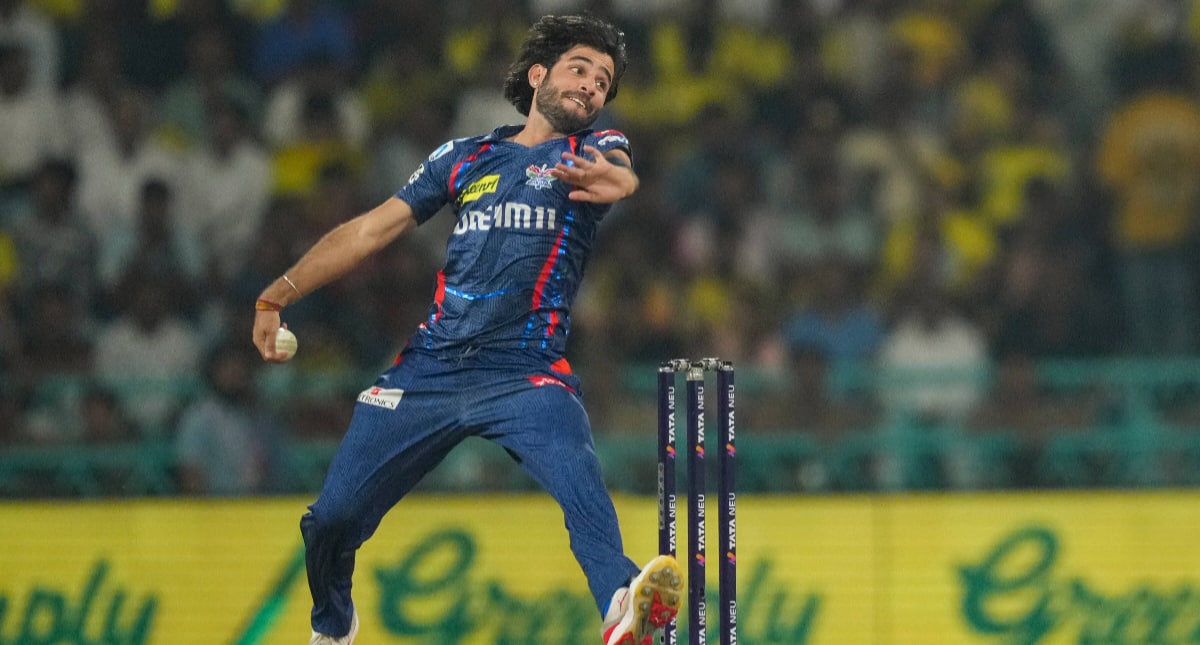
Chennai Super Kings (CSK) sent shockwaves through the IPL 2026 mini-auction, purchasing uncapped Indian all-rounder Prashant Veer for an unprecedented ₹14.20 crore. This astonishing price tag shattered all previous benchmarks, instantly making the 20-year-old Uttar Pradesh cricketer the most expensive uncapped player in the history of the Indian Premier League. The bidding for Veer, who began at a modest base price of ₹30 lakh, quickly escalated into a tense, protracted duel between CSK and Sunrisers Hyderabad (SRH). Both franchises demonstrated a clear intent to secure the highly-rated youngster, pushing the price far past the previous uncapped record, held by Avesh Khan at ₹10 crore (2022). It was CSK who ultimately clinched the deal, signaling a massive investment in their future core. Who is Prashant Veer? Prashant Veer is an exciting left-handed batter and slow left-arm spinner, a versatile combination that makes him a rare commodity in Indian cricket. This dual-threat ability is the driving force behind his valuation. Franchises, particularly CSK, view him as a strategic, long-term acquisition. His profile closely mirrors that of a certain superstar all-rounder who recently departed the franchise. Check the full list of Players Sold in IPL 2026 mini auction  CSK’s substantial spend strongly suggests they are eyeing Veer as the eventual replacement for the legendary Ravindra Jadeja, who was recently traded out. Veer's capacity to bowl economical left-arm spin and contribute valuable runs with explosive lower-order hitting makes him an ideal candidate to fill the significant gap left in the squad's balance. Veer's exceptional performances in the domestic circuit, particularly in the recent Syed Mushtaq Ali Trophy and the UP T20 League, where he showcased both wicket-taking ability and an aggressive batting strike rate, were instrumental in catching the eye of IPL scouts. His purchase is a defining moment for the auction, validating the league’s willingness to bet big on high-potential, homegrown Indian talent. Also on ABP Live | 

Prashant Veer: 20-year-old left-armer snapped up by CSK for Rs 14.20 crore at IPL Auction

Chennai Super Kings made a significant investment at the IPL 2026 auction, securing young all-rounder Prashant Veer for Rs 14.20 crore. Veer's impressive performances in domestic tournaments caught CSK's eye, and he is expected to fill the void left by Ravindra Jadeja's departure. This strategic acquisition underscores CSK's commitment to rebuilding with promising young talent.

Explained: How India Can Grow At 7.5% In FY27 Without Stoking Inflation

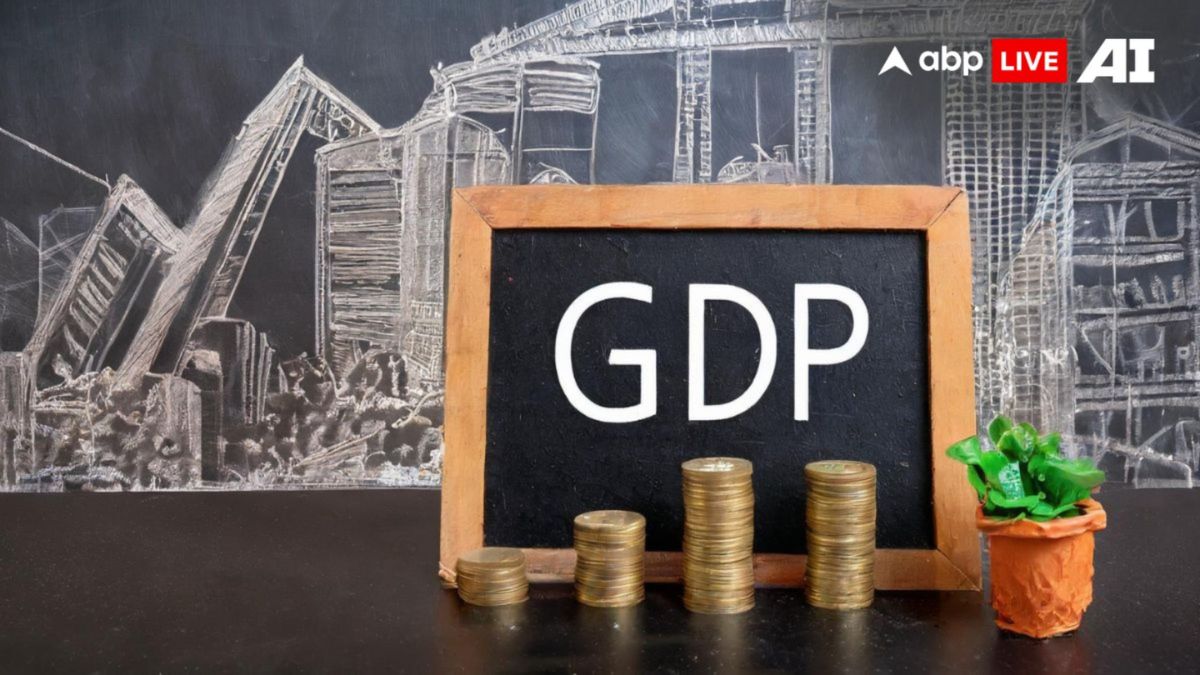
India’s economic growth is expected to pick up pace and remain strong in the coming years, with GDP likely to expand at 7.5 per cent in FY27, even as inflation stays under control, according to Axis Bank’s Economic Outlook 2026 on Tuesday. The report, authored by Neelkanth Mishra, Chief Economist at Axis Bank and Head of Global Research at Axis Capital, says India can grow faster than its long-term trend without triggering inflationary pressures. This is because the economy still has enough unused capacity, or slack, which allows growth to rise smoothly. Axis Bank expects India to grow faster than most global peers and even above market expectations, making it the world’s fastest-growing large economy. The strong outlook is supported by easing pressure from government finances, lower borrowing costs, and supportive monetary policy. The report also highlights that ongoing structural reforms and regulatory easing will help sustain growth over the medium term. A key driver of this growth will be a fresh rise in investment activity. With company balance sheets in better shape, the cost of capital remaining low, and factories running at high capacity, businesses are likely to increase capital expenditure in FY27. This new investment cycle is expected to further strengthen economic momentum. The bank’s economists also see steady gains in productivity and a revival in capital formation, which together support a long-term trend growth rate of around 7 per cent. Even with growth moving above this trend, inflation is expected to remain well behaved. Axis Bank forecasts headline inflation at around 4 per cent in FY27. While food prices may see some rebound, underlying price pressures remain muted. The report notes that median inflation, which better reflects core price trends, has stayed close to 3 per cent for the past 18 months. This suggests that demand pressures are still limited and the economy has room to grow without overheating. On monetary policy, the report suggests that policy interest rates are likely near their lowest levels. However, money supply can still increase to improve credit flow to the economy. The bank also expects measures on the supply side, such as higher issuance of short-term government securities, to help soften the yield curve. As a result, the 10-year government bond yield is projected to move closer to 6 per cent in FY27. (This report has been published as part of the auto-generated syndicate wire feed. Apart from the headline, no editing has been done in the copy by ABP Live.)

Explained: What The Fall In Unemployment And Rise In LFPR Mean For India’s Jobs Market

Unemployment Rate (UR) for persons aged 15 years and above declined to a record low of 4.7 per cent in November 2025, compared to 5.2 per cent in the previous month of October 2025. The UR among persons aged 15 and above decreased to 4.7 per cent in November 2025, the lowest level since April 2025, according to the Ministry of Statistics and Programme Implementation (MoSPI). The ministry It further stated that in November 2025, the rural UR fell to a new low of 3.9 per cent, while the urban UR decreased to 6.5 per cent, matching its previous lowest level recorded in April 2025. The joblessness rate was 5.1 per cent in April 2025. According to the statement, overall, the trends suggest strengthening labour market conditions, supported by gains in rural employment, rising female participation, and a gradual recovery in urban labour demand. UR for both males and females aged 15 years and above showed a notable decline in November 2025, it stated. Among females, the UR fell to 4.8 per cent in November 2025, down from 5.4 per cent in October 2025. This decline was driven by reductions in both rural and urban female URs, which decreased from 4.0 per cent to 3.4 per cent and 9.7 per cent to 9.3 per cent, respectively. Further, the overall male UR decreased to 4.6 per cent in November 2025, compared with 5.1 per cent in October 2025. Disaggregated by sector, rural and urban male URs stood at 4.1 per cent and 5.6 per cent in November 2025, compared with 4.6 per cent and 6.1 per cent observed in the preceding month. Unemployment rates showed a steady, broad-based decline across males, females, and all persons during April–November 2025, it stated. The fall was more pronounced in rural areas, where both male and female unemployment reached their lowest levels in November, it stated. Urban unemployment remained higher but showed improvement towards the end of the period, it stated. The Worker Population Ratio (WPR) for persons aged 15 years and above showed a broadly improving trend in November 2025. In rural areas, WPR increased from 55.4 per cent in April 2025 to 56.3 per cent in November 2025, while the overall WPR rose from 52.8 per cent to 53.2 per cent during the same period. Urban WPR remained largely stable. Notably, rural female WPR improved from 36.8 per cent in April 2025 to 38.4 per cent in November 2025, driving the rise in overall female WPR from 32.5 per cent to 33.4 per cent over this period. The overall workforce showed an upward trend, rising to 53.2 per cent in November 2025 from 51.2 per cent in June 2025. The overall LFPR among persons aged 15 years and above increased to 55.8 per cent in November 2025, the highest level recorded since April 2025. The increase in LFPR was primarily driven by rural areas, where the LFPR rose to 58.6 per cent in November 2025 from 58.0 per cent in April 2025. Compared with the previous month, rural LFPR increased from 57.8 per cent, while urban LFPR decreased marginally from 50.5 per cent to 50.4 per cent. Overall, the Female LFPR showed a steady rise from June 2025 to November 2025. It increased from 32.0 per cent to 35.1 per cent during this period, driven mainly by higher labour force participation in rural areas, while urban female LFPR remained relatively stable. Rural female LFPR recorded a consistent upward movement, rising from 35.2 per cent in June 2025 to 39.7 per cent in November 2025. At the all-India level, monthly estimates are based on information collected from a total of 3,73,229 persons surveyed. The Worker Population Ratio (WPR) defines the proportion of those who are employed among the total population. Considering the need for high-frequency labour force indicators with enhanced coverage, the sampling methodology of PLFS has been revamped since January, 2025. The monthly bulletins for the period from April to October 2025 have already been released. The present bulletin for November 2025 is the eighth in the series.  (This report has been published as part of the auto-generated syndicate wire feed. Apart from the headline, no editing has been done in the copy by ABP Live.)

IPL Auction: Who Is Auqib Dar? Delhi Capitals Buy Jammu & Kashmir Star For ₹8.40 Crore

Delhi Capitals (DC) made a stunning statement in IPL 2026 mini-auction by securing the services of fast-bowler Auqib Dar for a staggering ₹8.40 crore. This phenomenal purchase not only made him the most expensive Indian player of the day so far but also marked a significant win for DC, who outlasted a fierce bidding war with Sunrisers Hyderabad (SRH) to acquire the talented 29-year-old. Rise Through Domestic Prowess Auqib Dar, who hails from Jammu and Kashmir, is the latest domestic star to translate consistent red-ball and white-ball performances into an IPL windfall. The right-arm medium pacer has been a mainstay for his domestic side and comes to the IPL with formidable credentials: First-Class Record: In the highly competitive Ranji Trophy, Dar boasts an impressive bowling average of just 19.00 across his career. His ability to consistently take wickets and maintain pressure is evidenced by his overall First-Class wicket tally of 125 wickets in 36 matches. Recent Form (SMAT 2025/26): His auction price is a direct result of his phenomenal T20 form in the recently concluded Syed Mushtaq Ali Trophy (SMAT), where he picked up 15 wickets in just 7 matches. Auqib Dar is all set to feature in the #TATAIPL 👌The all-rounder joins @DelhiCapitals for INR 8.4 Crore 👏👏#TATAIPLAuction pic.twitter.com/RQ1tK7W2RF — IndianPremierLeague (@IPL) December 16, 2025 This performance confirmed his readiness for the fast-paced IPL environment, showcasing his skill in swinging the new ball and executing crucial variations. Why the High Price? Delhi Capitals’ massive investment is a calculated move driven by the scarcity of high-quality Indian fast-bowling talent. Auqib Dar offers a strong, in-form domestic option who can complement DC’s overseas pace attack and provide reliability throughout the innings. His signing at a whopping ₹8.40 crore is a handsome and well-deserved reward, reflecting the franchise's belief in his potential to become an Indian core player for years to come.