Language Settings
Select Website Language
newshunt
newshunt

Filters

Channels
Topics
Other Filters

Maruti Suzuki Brezza Turbo Petrol Review: Performance, Mileage, Features, And Verdict

The biggest highlight of the new Brezza is the inclusion of the turbo petrol powertrain which joins the existing 1.5 litre naturally aspirated unit. The Brezza is the second Maruti Suzuki to gain a turbo petrol after the Fronx while here the 1.0l turbo has more power at 110bhp and 170Nm. That is more power than the 1.5l engine and here the Brezza also has a new 6-speed manual transmission as well. This is the first Maruti with a 6-speed which means better efficiency and highway cruising. Start the car and the engine settles in quietly and has good refinement- in fact it's better than others. On the move the Brezza with the 6-speed manual gearbox, there is a linear spread of power and lag is contained fairly well. The power delivery is linear and not spiky. The 6-speed gearbox has long throws but is precise while the clutch is light. There is ample torque at low revs which means you don't need to work the gearbox and that means it is relaxing in traffic without needing constant downshifts. You can move around in third gear mostly. A surprisingly empty Mumbai also gave us a chance to see the performance a bit and here the engine has a smooth but muscular power delivery. The sixth gear will surely help in highway runs and in efficiency while you can expect 12-14 kmpl in the real world while the official turbo petrol efficiency is 20.47kpl. The steering is light and the good ground clearance plus the compact size makes it easy to live with in the city. Some of the characteristics that make the Brezza work also remain including the pliant ride quality at low speeds and the ground clearance- it feels more settled here. Also Read : Toyota Innova Hycross Facelift To Get More SUV Like Face Features and Practicality The new 360 degree camera we also feel has a better quality and helps in parking while some ADAS like features work well. In terms of looks, there isn't a big change but the Brezza design is already well accepted and Maruti did not change it. Oh and it has ventilated seats which were a relief while there is no spare wheel now as instead you get a puncture repair kit. Verdict The turbo petrol is clearly the Brezza to buy if you enjoy driving with the better power delivery. That said, there is no automatic option which means those who want an automatic will have to go for the NA 1.5. That said, the Brezza with the turbo adds a new layer to its personality and will add to the sales. If you want the performance, the Brezza turbo is worth considering in its class. Also Read : Honda ZR-V Prices Comparison With BMW X1 And Skoda Kodiaq 

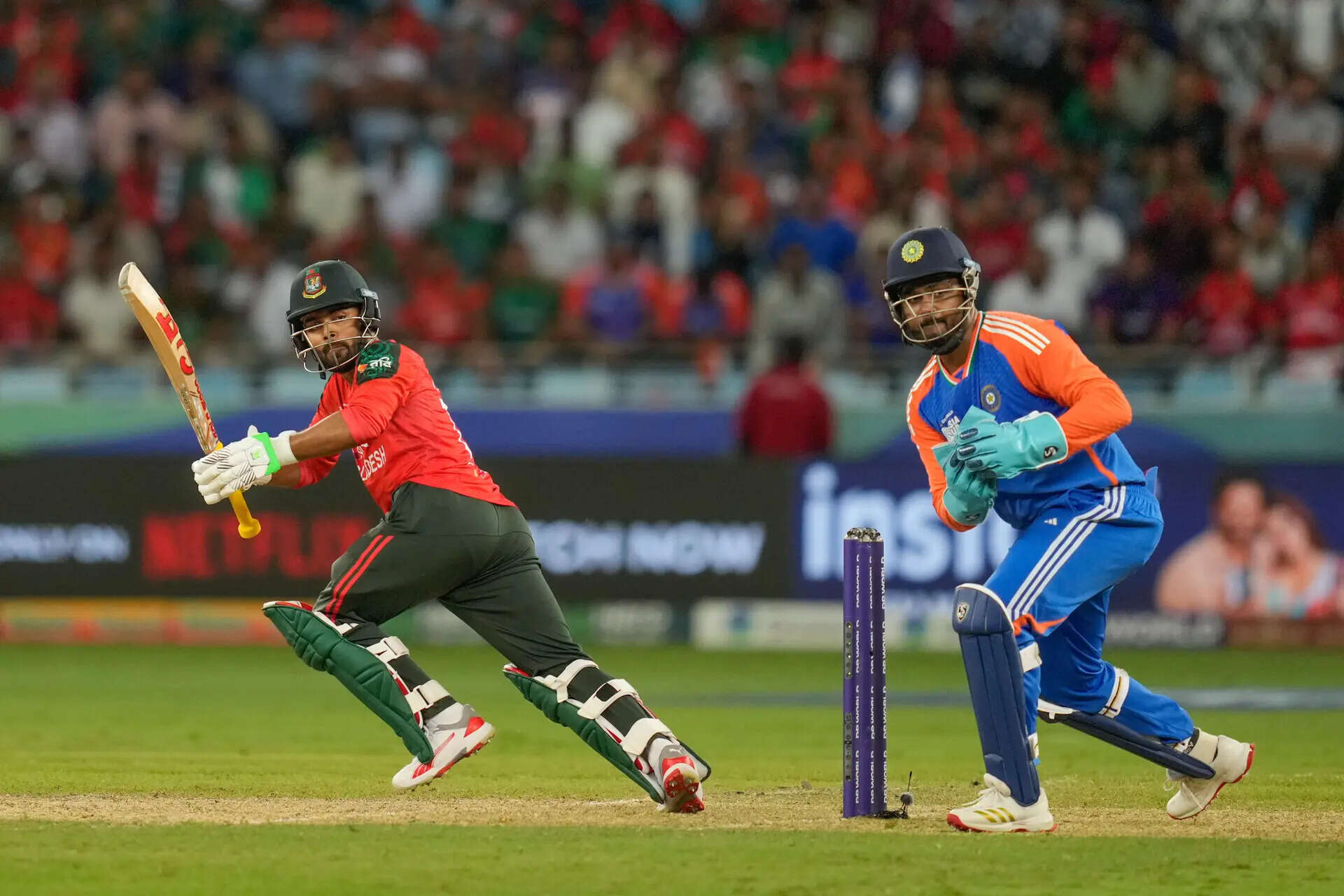
'Why different rules?' - Abhishek's poor form sparks Samson debate

Former Indian cricketer Hanuma Vihari has questioned Team India's continued backing of Abhishek Sharma despite his poor run in T20Is, arguing Sanju Samson was dropped after far fewer failures. Citing Samson's match-winning performances in the T20 World Cup, Vihari accused selectors of applying "different rules" and urged them to judge both players by the same standards.

Toyota Innova Hycross Facelift To Get More SUV Like Face

Toyota is preparing to launch a facelifted version of its highly popular Innova Hycross. The MPV has been selling strongly, but with increased competition from upcoming premium SUVs, the updated model is expected to bring a refreshed design and additional features. The biggest change will be the Hycross's new SUV-inspired front-end styling. It is expected to adopt a bolder design with cues similar to the Hilux, further strengthening its crossover appeal and road presence. The facelift is likely to feature slimmer headlamps, a larger grille and a sleeker overall look. Exterior Tweaks And Feature Upgrades Dimensionally, the Innova Hycross is expected to remain unchanged, making this a mid-cycle facelift rather than a full redesign. Other exterior updates are likely to include new alloy wheels and revised rear styling with redesigned tail-lamps. More Premium Cabin Experience Inside, the facelifted Hycross is expected to get a larger touchscreen infotainment system, additional features, an improved 360-degree camera and more premium interior trim. Cabin space will remain unchanged, although the captain-seat configuration is likely to receive extra comfort features, making it even more appealing for chauffeur-driven buyers. Hybrid Powertrain To Continue The new Innova Hycross is expected to retain its existing engine options, including the hybrid powertrain, which remains the more powerful and popular choice. Toyota is expected to launch the updated model during the current financial year.

Conservationists filled a 1.2km river channel, new Somerset wetland now attracts rare wildlife

A river restoration project in Somerset, UK, has shown major benefits within a year of completion. By reconnecting the River Aller with its floodplain, researchers found reduced flood peaks, cleaner water, higher groundwater levels and a sharp rise in wetland habitat. The restored landscape has also attracted more wildlife, including fish, birds and water voles.

CSK Offer Rs 10 Crore, Dube And Dewald Brevis For Hardik Pandya? Report Reveals IPL Trade Twist

IPL 2027: Chennai Super Kings have reportedly made a fresh attempt to sign Hardik Pandya ahead of the Indian Premier League (IPL) 2027 season. According to a Hindustan Times report, CSK have proposed a package including Shivam Dube, Dewald Brevis and Rs 10 crore in cash after refusing to part with highly-rated youngster Ayush Mhatre. While no agreement has been confirmed, the reported negotiations underline Hardik's continued value in the IPL despite a difficult 2026 campaign. CSK Refuse To Include Ayush Mhatre In Proposed Deal According to the Hindustan Times report, Mumbai Indians initially wanted Ayush Mhatre along with cash as part of any trade involving Hardik Pandya. The report states that Mumbai views the 19-year-old opener as one of India's brightest young batting prospects. Mhatre impressed during IPL 2026 with an aggressive approach and a strike rate close to 180, making him an important long-term target for the franchise. However, Chennai is reportedly unwilling to let Mhatre leave. The franchise sees him as part of its future core and has instead proposed an alternative package. Shivam Dube, Dewald Brevis And Cash Form A Counteroffer The Hindustan Times report claims CSK have offered Shivam Dube, South African batter Dewald Brevis and Rs 10 crore in cash in exchange for Hardik. If valued together, the package could exceed Rs 20 crore in overall worth. The proposal reflects Hardik's standing as one of Indian cricket's few pace-bowling all-rounders capable of leading a side while also occupying a domestic player slot. Neither Chennai Super Kings nor Mumbai Indians have publicly commented on the reported negotiations. Hardik's Value Extends Beyond IPL 2026 Numbers Hardik endured a difficult IPL 2026 season with Mumbai Indians. He scored 206 runs and picked up only four wickets across the campaign. Despite those numbers, franchises continue to rate him highly because of the balance he brings. Genuine Indian fast-bowling all-rounders remain rare, and Hardik's experience as captain adds another layer to his market value. The reported interest from Chennai suggests they believe his overall impact goes beyond recent statistics. Mumbai Continue To Hold Strong Position The report also suggests Mumbai Indians are not under pressure to complete a deal unless their valuation is met. Should talks with Chennai fail to progress, rival franchises are believed to be monitoring the situation. Kolkata Knight Riders are among the teams reportedly keeping a close watch if Hardik becomes available. For now, the discussions remain at the negotiation stage, with no official confirmation from either franchise. Whether Chennai improve their offer or Mumbai soften their demands could decide one of the biggest IPL trade stories ahead of the 2027 season.

ABP LIVE Doc Talk | The Biological Clock Explained: What You Need To Know Before Delaying Parenthood

In today's fast-paced world, the decision to start a family is often influenced by career aspirations, financial stability, personal goals, or simply waiting for the right partner. While these are all valid reasons, one aspect that often remains overlooked is the biological clock. Unlike many other aspects of health, fertility is closely linked to age, making it essential to understand how time impacts reproductive potential. Fertility And Age: Why Does It Matter? Women are born with all the eggs they will ever have, approximately one to two million at birth. This reserve naturally declines over time, reducing to around 300,000 by puberty. With every menstrual cycle, not only does the number of eggs decrease, but their quality also gradually diminishes. The most fertile years for women are typically between the ages of 20 and 30. Fertility begins to decline gradually after the age of 30, with a more noticeable decline after 35. By the age of 40, the chances of conceiving naturally are significantly lower compared to earlier years. Men, too, experience age-related changes in fertility. Although sperm production continues throughout life, advancing age can lead to reduced sperm quality, lower motility, increased DNA fragmentation, and a slightly higher risk of genetic abnormalities in offspring. ALSO READ | ABP LIVE Doc Talk | How The Rainy Season Can Worsen Parkinson's Symptoms And What Caregivers Should Know Understanding Ovarian Reserve Ovarian reserve refers to the quantity of eggs remaining in the ovaries. While every woman ages differently, certain investigations can provide an estimate of ovarian reserve. These include:Anti-Müllerian Hormone (AMH) blood test Antral Follicle Count (AFC) through ultrasound Hormonal evaluation when indicated It is important to note that ovarian reserve tests estimate egg quantity rather than egg quality, both of which play a crucial role in achieving pregnancy. How Age Affects Pregnancy Outcomes As maternal age increases, the likelihood of certain pregnancy-related complications also rises. These may include: Difficulty conceiving naturally  Increased risk of miscarriage Higher incidence of chromosomal abnormalities such as Down syndrome Gestational diabetes Pregnancy-induced hypertension Increased likelihood of Caesarean deliveryHowever, many women in their late 30s and early 40s have healthy pregnancies with appropriate medical care and timely intervention. Fertility Preservation: Planning Ahead Not everyone is ready to become a parent in their twenties or early thirties. Fortunately, advances in reproductive medicine now offer fertility preservation options for individuals who wish to delay parenthood. Egg freezing has emerged as an effective option for women who want to preserve their fertility for future use. Ideally performed before the age of 35, egg freezing allows healthier eggs to be stored, potentially improving future pregnancy outcomes. Similarly, sperm freezing is recommended for men undergoing cancer treatment, certain medical procedures, or those wishing to preserve fertility for future family planning. ALSO READ | ABP LIVE Doc Talk | Monsoon Fever Isn't Always Dengue: Here's What You Need To Know When Should You Seek Medical Advice? Many couples assume that conception will happen naturally whenever they decide to start trying. However, timing is important.You should consult a fertility specialist if: You are below 35 years and have been trying to conceive for one year without success. You are 35 years or older and have been trying for six months. You have irregular or absent menstrual cycles. You have a history of endometriosis, polycystic ovary syndrome (PCOS), pelvic infections, or recurrent miscarriages. Your partner has known male fertility issues. You are considering delaying parenthood and wish to assess your fertility status. Early evaluation often provides more treatment options and improves the chances of successful conception. Can Assisted Reproductive Technology Overcome Age? Technologies such as In Vitro Fertilisation (IVF) have transformed fertility treatment and helped millions of couples achieve parenthood. However, it is important to understand that IVF cannot completely reverse the effects of age on egg quality. Success rates of IVF are generally higher in younger women because healthier eggs are more likely to develop into healthy embryos. While advanced reproductive technologies can significantly improve outcomes, they cannot entirely compensate for the natural decline in fertility associated with ageing. Lifestyle Matters Too Although age remains the most significant factor affecting female fertility, maintaining a healthy lifestyle can positively influence reproductive health. Regular exercise, balanced nutrition, maintaining a healthy body weight, avoiding tobacco and excessive alcohol consumption, managing stress, and treating underlying medical conditions all contribute to better fertility outcomes.Delaying parenthood has become increasingly common, and for many, it is the right personal choice. However, informed decisions are empowering decisions. Understanding how age influences fertility allows individuals and couples to plan proactively rather than reactively. If you are considering postponing pregnancy, seeking a fertility assessment does not mean you need treatment immediately. Instead, it provides valuable insight into your reproductive health and helps you make informed decisions about your future.Modern fertility care is not just about helping couples conceive—it is about educating, empowering, and supporting individuals throughout every stage of their reproductive journey. Disclaimer: The information provided in the article is shared by experts and is intended for general informational purposes only. It is not a substitute for professional medical advice, diagnosis, or treatment. Always seek the advice of your physician or other qualified healthcare provider with any questions you may have regarding a medical condition  

Honda ZR-V Prices Comparison With BMW X1 And Skoda Kodiaq 

Honda has revealed the price for its ZR-V and it's Rs 47.9 lakh and that's on the higher side considering the car comes in a full import via the CBU route. Here we will check the prices of the ZR-V in comparison to the locally assembled BMW X1 and the Skoda Kodiaq. The ZR-V comes with a 2.0l hybrid powertrain with 181bhp while the efficiency is 22.7 kmpl. Differences The X1 is priced from Rs 50-52 lakh while the iX1 LWB is priced at Rs 51.4 lakh. The X1 has a 1.5l turbo petrol engine and a 2.0l diesel while the electric version has a 66.4 kWh battery pack with 531km range. The X1 petrol has 134 bhp while the diesel develops 148bhp along with the EV at 201bhp. The Kodiaq from Skoda meanwhile is priced at Rs 36.9 lakh and till 46.9 lakh. It has a 2.0 turbo petrol engine which develops 201bhp. ALSO READ: India Auto Retail Sales Rise 28.6% In July, Two-Wheelers, SUVs, Tractors Lead Growth Fuel Efficiency The ZR-V then has more fuel efficiency and matching power with the Kodiaq but is slightly expensive since it misses out on features like a sunroof or ventilated seats.   It is priced closer to the X1 from BMW too. However, it is going to be sold in limited numbers being an import which will make the ZR-V more exclusive. ALSO READ: Maruti Suzuki New Brezza Launched: Check Top Changes

Rainy Weather Isn't A Free Pass: Why Your Skin Still Needs Sunscreen Every Day

Many people stop using sunscreen once the monsoon arrives, believing cloudy skies offer enough protection from the sun. Dermatologists say that assumption can leave your skin vulnerable to invisible ultraviolet (UV) rays, which continue to penetrate clouds throughout the rainy season. These rays can trigger tanning, pigmentation, premature ageing and increase the risk of long-term skin damage. Humid weather may feel cooler, but it does not reduce UV exposure. Experts recommend treating sunscreen as an everyday skincare essential rather than a seasonal product. Choosing the right formula and applying it correctly can make a noticeable difference to your skin's health. Cloudy Weather Doesn't Stop UV Rays A common myth is that overcast skies block harmful sunlight. According to the American Academy of Dermatology (AAD), up to 80 per cent of UV rays can still pass through clouds. While UVB rays are associated with sunburn, UVA rays remain active throughout the year and penetrate deeper into the skin, contributing to pigmentation, fine lines and collagen breakdown. ALSO READ | Sarnath Becomes India's 45th UNESCO World Heritage Site: Here's Why The Ancient Site Is So Special Rainy conditions can also create reflective surfaces such as wet roads and puddles, increasing cumulative UV exposure. This is particularly important for people dealing with melasma, acne marks or uneven skin tone, as regular UVA exposure may worsen pigmentation over time. ALSO READ | ABP LIVE Doc Talk | How The Rainy Season Can Worsen Parkinson's Symptoms And What Caregivers Should Know Choosing The Right Sunscreen Not all sunscreens are equally effective during the monsoon. Dermatologists advise opting for a broad-spectrum sunscreen that protects against both UVA and UVB rays, with SPF 30 or higher and PA+++ or PA++++ protection. In humid weather, lightweight gel, fluid, or matte-finish formulas are generally more comfortable, especially for oily or acne-prone skin. Water-resistant or sweat-resistant products are also recommended, although they still need reapplication after heavy sweating or prolonged outdoor exposure. How To Apply It Properly Applying sunscreen correctly is just as important as choosing the right one. Begin with a clean face and use a lightweight moisturiser if your skin needs extra hydration. For the face and neck, dermatologists recommend applying roughly one teaspoon, often explained using the two-finger rule, to ensure adequate coverage. Remember to cover commonly missed areas such as the ears, hairline, neck, hands and feet if they are exposed. If you're using a chemical sunscreen, apply it around 15 minutes before stepping outdoors. Allow sunscreen to settle before putting on makeup to reduce pilling and help it stay in place despite the humidity. The monsoon may bring relief from the heat, but it does not reduce your skin's exposure to UV rays. Experts say using sunscreen every day, regardless of the weather, remains one of the simplest and most effective ways to protect your skin from preventable damage.        

ABP LIVE Doc Talk | How The Rainy Season Can Worsen Parkinson's Symptoms And What Caregivers Should Know

For most of us, the monsoon is a welcome break from the summer heat. But for families caring for someone with Parkinson's disease, the rainy season can quietly bring a new set of challenges. Planning can help reduce these risks and make daily routines safer during the rainy season. Because Parkinson's already affects movement, balance, and walking, wet and slippery conditions can make everyday activities riskier and increase the likelihood of falls. Slippery floors, missed medications due to traffic or heavy rain, reduced physical activity, disrupted sleep, and even drinking less water can all make everyday Parkinson's care a little more difficult. Monsoon Safety Tips For Parkinson's Caregivers Parkinson's can also impact sleep, digestion, mood, and blood pressure. During the monsoon, these symptoms may feel more noticeable. Staying indoors for longer periods can reduce physical activity; shorter daylight may affect sleep, and dehydration is often overlooked during cooler weather. For caregivers, small daily habits can make things more manageable. Try to stock medicines on time, even if travel plans change due to rain. Keep floors dry, especially near bathrooms and entrances; remove loose rugs; and encourage your loved one to wear footwear with good grip to reduce the risk of falls. ALSO READ | ABP LIVE Doc Talk | Monsoon Fever Isn't Always Dengue: Here's What You Need To Know Don't let the rain stop movement altogether. If going outdoors isn't possible, simple indoor walks, stretching exercises, or physiotherapy-recommended movements can help maintain balance and flexibility. Equally important is encouraging regular water intake and freshly prepared meals, as infections and dehydration can temporarily worsen symptoms. Watch For Changes That May Need Medical Attention Caregivers should also watch for subtle changes that are easy to miss. Is your loved one taking longer to move? Are they freezing more often while walking? These changes don't always mean the disease is getting worse, but they are worth discussing with the treating neurologist. For some people living with advanced Parkinson's disease, tablets alone may not always provide consistent symptom control. They may experience "OFF" periods, times when medicines wear off, and movements become slow or difficult before the next dose. When To Speak To A Specialist About Treatment Options In such cases, apomorphine-based therapies can be an important treatment option. You can discuss this with your doctor. It acts quickly to restore dopamine stimulation, help reduce OFF episodes, and improve mobility. Helping patients regain movement more predictably can also make day-to-day caregiving easier. However, apomorphine treatment is not suitable for everyone and should only be started after careful evaluation by a neurologist or movement disorder specialist. India is seeing a growing number of people living with Parkinson's disease, and recent research shows that Indian patients often have unique clinical characteristics. This makes awareness and timely care more important than ever. While we cannot control the weather, we can certainly prepare for it. ALSO READ | ABP Live Doc Talk | Blocked Arteries? Here's When You Need A Stent And When You Need Bypass Surgery This monsoon, remember that Parkinson's care isn't about making big changes. It's about protecting the little routines that matter, taking medicines on time, staying active, drinking enough water, preventing falls, and noticing when something feels different. Sometimes, these simple steps can make all the difference in helping a loved one stay safer, healthier, and more independent through the rainy season.

Doc Talk | Skin Disorders In India Are On The Rise; Here's Why Experts Recommend A Holistic Approach

Step into any dermatology clinic today and the waiting room offers a quiet reflection of a larger shift. College students sit beside corporate professionals. Young parents wait alongside people who have tried multiple treatments before arriving here. The concerns differ, yet the pattern feels familiar. Acne that no longer settles with standard care. Pigmentation that appears suddenly and deepens over time. Skin that burns, flares up or feels itchy without any obvious cause. To people facing these challenges, what once seemed occasional now feels persistent. Across India, skin disorders have gradually moved from being seasonal or situational to becoming everyday struggles. This change is not confined to metropolitan cities or specific age groups. Dermatologists frequently encounter patients who have tried everything, including prescription creams, salon procedures, home remedies, and online skincare routines, yet continue to see little improvement. The issue is rarely neglected or due to a lack of effort. More often, it reflects how modern living is placing sustained pressure on the body. ALSO READ: Doc Talk | Struggling To Understand Conversations In Noisy Places? It May Signal A Brain Condition When The Body Starts Speaking Through The Skin Lifestyle patterns in India have evolved rapidly, but the body continues to function at a natural rhythm. Long work hours, chronic stress, irregular meals, and inadequate sleep are now widely accepted as normal. The skin, being the most visible organ, often responds first. What appears on the surface is seldom random. Recurrent breakouts may be linked to hormonal imbalance or gut inflammation. Pigmentation often intensifies with ongoing inflammation and sun exposure. Persistent dryness, redness, or sensitivity can signal a compromised epidermal barrier. Yet these signs are frequently addressed in isolation, without examining the internal factors that may be driving them. Diets high in processed foods, excess sugar, and inconsistent eating habits contribute to systemic inflammation, which the skin reflects readily. Elevated stress hormones interfere with repair mechanisms, causing even mild conditions to linger longer than expected. The Quiet Damage Of Trend-Led Skincare Social media trends, multi-step routines, and potent active ingredients have entered everyday conversations. While awareness has increased, understanding has not always followed at the same pace. In the pursuit of faster results, many individuals unknowingly over-treat their skin and overlook early warning signs. Repeated exfoliation, constant product switching, and unsupervised use of strong actives can gradually weaken the skin barrier. Once this protective layer is compromised, the skin becomes reactive, sensitive, and unpredictable. At this stage, even well-intentioned efforts can worsen the condition. Glow, brightness, and clarity are often promoted as immediate outcomes. Skin disorders, however, do not respond well to urgency. They improve with consistency, moderation, and time. ALSO READ: Doc Talk | Waking Up With Swollen Hands Or Feet? Orthopaedic Specialist Explains What It Could Mean Why Science Needs To Anchor Skincare Decisions A science-backed approach does not promise a dramatic overnight transformation. Rather, it offers clarity. Science backed treatment, realistic timeframes and precise diagnosis support in moving skincare away from guesswork and recurring trial and error. Modern dermatology increasingly acknowledges that skin conditions are influenced by immunity, hormones, stress levels, and nutrition, not just topical products. This is where an integrated approach becomes significant. Not as an alternative to medical treatment, rather as an essential support to it. Addressing the stress, quality of sleep and nutritional deficiencies in addition to clinical care usually results in more consistent and long term results. The focus moves from suppressing symptoms to restoring balance. Climate variations, genetic factors, and cultural habits all influence skin behaviour. What benefits one individual may not suit another, and rigid routines often fail to deliver results. Holistic care allows for observation, flexibility, and gradual adjustment. Rethinking What Healthy Skin Really Means Chronic skin conditions impact much more than looks. They impact emotional well being, social comfort and confidence. Recurring flare ups or declining results can lead to fatigue and frustration. A more balanced approach, one that prioritises consistent progress rather than perfection can reduce both physical symptoms and emotional pressure. There is a visible shift in how skin health is beginning to be understood. Individuals are getting more curious and asking informed questions. With that, their expectations are becoming increasingly realistic. Skin is gradually being identified as an indicator of holistic health instead of an entirely aesthetic pursuit. In a country like India witnessing a rapid environmental and lifestyle shift, skin conditions are not contained challenges. They are signals. Masking them or ignoring them only delays recovery. A science-backed, holistic approach may not offer instant gratification, but it offers something more enduring. Stability. Insight. And skin that is supported, not continually pushed beyond its limits. Disclaimer: The information provided in the article is shared by experts and is intended for general informational purposes only. It is not a substitute for professional medical advice, diagnosis, or treatment. Always seek the advice of your physician or other qualified healthcare provider with any questions you may have regarding a medical condition.

ChatGPT Down: Thousands Report Issues With Login And Chat Across Web And App

Thousands of users were left unable to access OpenAI services on the afternoon of July 25, 2026, as ChatGPT experienced a sudden, widespread outage affecting both its web interface and mobile applications. The disruption began around 2:54 PM, with users reporting failed logins, stuck chats, and complete loss of access across multiple regions. Also Read: PM Modi's First X Post After Dharmendra Pradhan's Resignation: What Did He Say? Sudden Spike on Downdetector Independent monitoring service Downdetector recorded a dramatic surge in user reports within minutes of the initial failure: Baseline Reports: 2 (normal operation) Peak Surge: 1,535 reports within minutes Affected Platforms: ChatGPT Web, iOS/Android Apps, and developer APIs The steep curve indicated a global server-side issue rather than localized network friction or individual account glitches. Now the spike is slowly making a negative curve as till 3.24 pm, the rotal reports were 365.  In the US, there were 3,243 reports at the time of writing, with 80% citing the web version, 8% the app and 8% Codex. Meanwhile, in the UK, there were 3,088 reports, with 80% citing ChatGPT, 9% citing the app, and 8% citing Codex. OpenAI Confirms Elevated Error Rates According to OpenAI’s status page, the issue has been logged under “Elevated error rates," with the company stating it is actively investigating the problem across the listed services. Also Read: Will Devendra Fadnavis Replace Dharmendra Pradhan? Here's What Sanjay Raut Claims There have acknowledged the disruption on its status page, stating, "We're currently experiencing issues. We have applied the mitigation and are monitoring the recovery."

//