Language Settings
Select Website Language
newshunt
newshunt

Filters

Channels
Topics
Other Filters

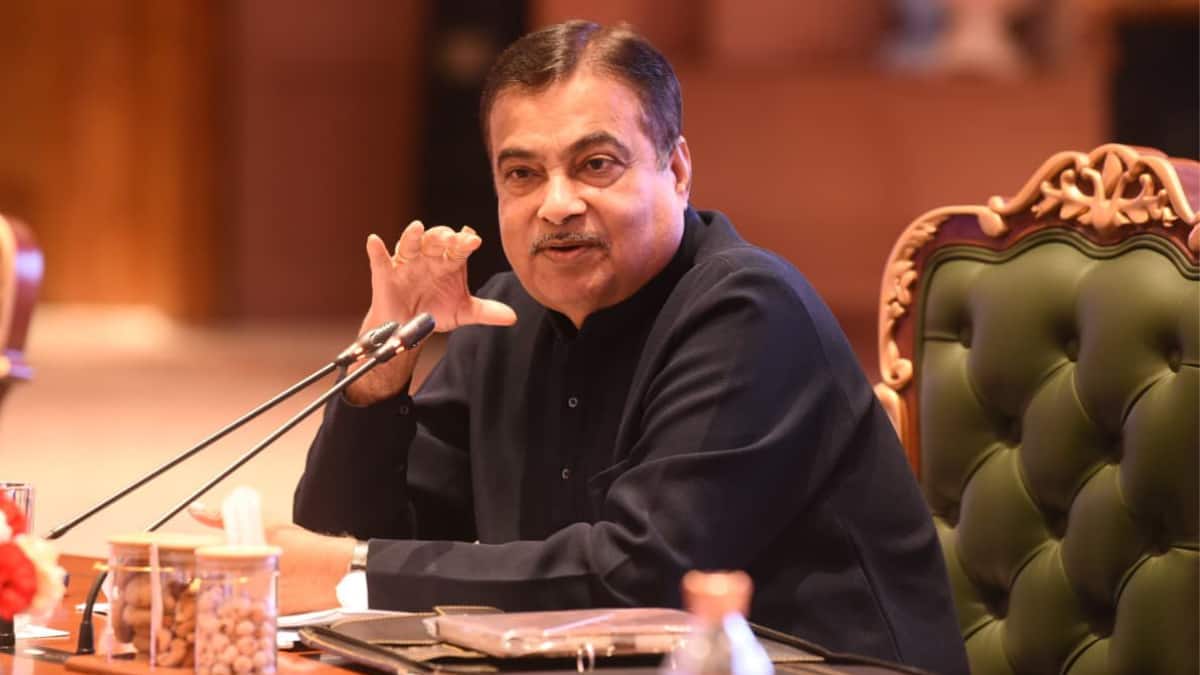
Will E20 Petrol Affect Your Car? Nitin Gadkari Says Some Older BS-III Vehicles May Need New Rubber Parts

Certain older Bharat Stage (BS)-III vehicles may require replacement of some rubber components when operated on E20 petrol, the Centre informed Parliament on Wednesday, while maintaining that the ethanol-blended fuel does not require engine modifications in most vehicles and does not significantly affect their performance. According to a Deccan Herald report, Union Minister for Road Transport and Highways Nitin Gadkari shared the details in a written reply to the Rajya Sabha in response to a question from CPI MP A A Rahim on the impact of E20 petrol on vehicle performance, fuel efficiency, engine durability and maintenance costs. The minister said the findings were based on a joint study conducted by Indian Oil Corporation Limited (IOCL), the Indian Institute of Petroleum (IIP), Dehradun, the Society of Indian Automobile Manufacturers (SIAM) and the Automotive Research Association of India (ARAI). Older BS-III Vehicles May Require Rubber Parts Replacement Gadkari informed the House that only BS-III vehicles introduced from April 1, 2005, and manufactured before 2016 could require replacement of certain rubber parts and gaskets when using E20 petrol. He said these components can be replaced as part of the vehicle's regular servicing schedule and do not necessitate extensive modifications. The study found that cars and two-wheelers outside this category do not require engine changes for compatibility with E20 fuel. It also reported no concerns relating to drivability, engine startability, or compatibility with metal and plastic components. "Only in case of testing done on BS-III vehicles introduced from April 1, 2005, and manufactured before 2016, some rubber parts and gaskets may require replacement, which can be easily managed during the routine servicing regime of the vehicle," Gadkari said in his written reply. Also Read : Rule Changes From August 1, 2026: LPG Prices, Bank Holidays, Tatkal Tickets, ITR, And More Government Cites Study On Performance And Durability The minister's statement comes amid reports from some vehicle owners claiming instances of engine misfiring or breakdowns, which have been linked by users to E20 or contaminated fuel. However, the government said the joint study did not find significant changes in vehicle performance or abnormal wear and tear, including in older vehicles tested under the assessment. On fuel efficiency, Gadkari said mileage is influenced by several factors and cannot be attributed solely to the type of fuel used. These include driving behaviour, timely engine oil replacement, clean air filters, tyre pressure, wheel alignment and the use of air conditioning. Centre Steps Up Awareness Campaign The clarification comes as the Centre and the Bharatiya Janata Party (BJP) have intensified efforts to promote the E20 ethanol-blended fuel programme through a coordinated social media outreach campaign. Union ministers, Members of Parliament, Members of Legislative Assemblies, BJP leaders and government officials have been asked to participate in the campaign to raise awareness about the rollout of E20 fuel. Four customised videos reportedly designed for platforms including X, Facebook, Instagram and YouTube are expected to be widely circulated by party workers and officials. The outreach follows increasing criticism of the ethanol-blended fuel programme and consumer concerns regarding the use of E20, particularly in vehicles that were not originally designed for higher ethanol blends. Also Read : Sensex Over 100 Points Down, Nifty Tests 24,200; Fed Pause, US-Iran Keep Investors Cautious

Viral Video Shows Father Slapping Son For Using Abusive Language Against PM Modi And Yogi

A video showing a father slapping his son after the latter allegedly used abusive language against Prime Minister Narendra Modi and Uttar Pradesh Chief Minister Yogi Adityanath has gone viral on social media. The videos, widely shared on July 28 and 29, show the father demanding an apology from his son over the remarks. A cockroach got thrashed by his own father for abusing Yogi Adityanath pic.twitter.com/fPaPzqKIvx — Hindutva Knight (@HPhobiaWatch) July 29, 2026 Separate clips circulating online are labelled as "Part 1", showing the son allegedly making the abusive comments, and "Part 2", showing the confrontation between the father and son. Also Read: Kanwar Yatra Viral Video: Muslim Youth Carries 251-Litre Kanwar With Hindu Friend: WATCH The videos have sparked mixed reactions on social media. While some users supported the father's actions, others criticised him, calling the slap an act of child abuse. Also Read: 'I'll Put 50 Grams Of Powder In Your Pockets': Mumbai Cop's Viral Warning Sparks Reactions

OPINION | India May Follow France On Children's Social Media, But It Should Not Copy The Ban

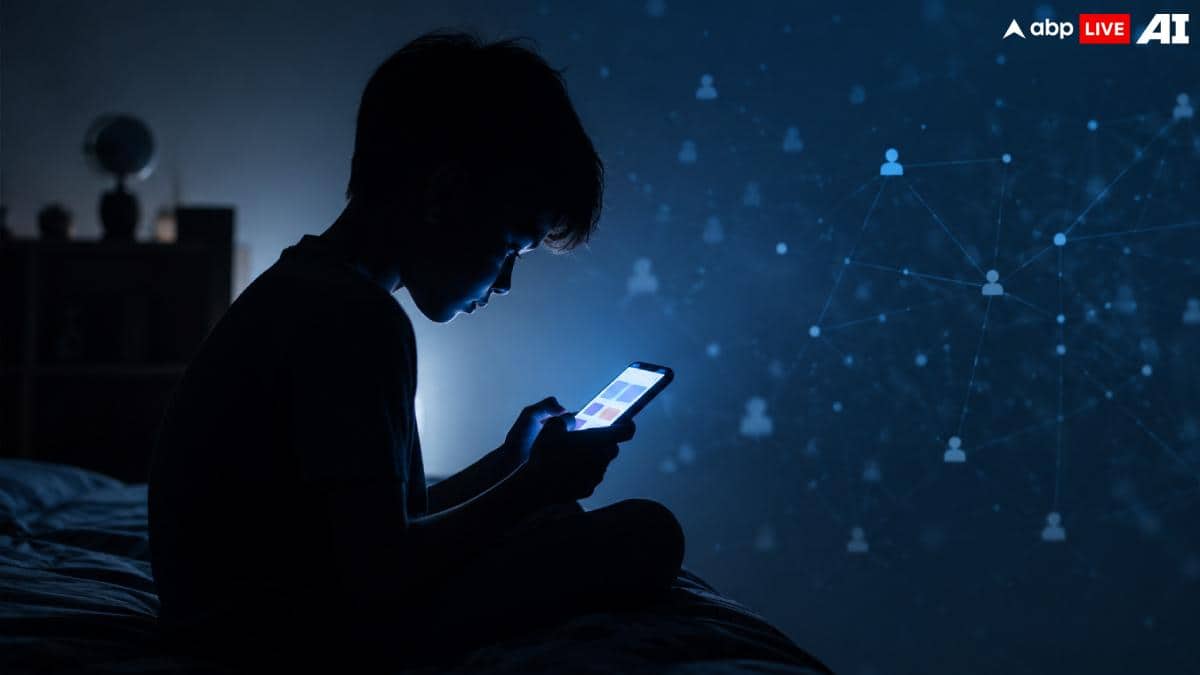
When France moved to prohibit children under 15 from accessing social media, it did more than pass another technology regulation. It gave governments everywhere a politically simple answer to an emotionally difficult question: how do we protect children from digital environments that were never designed around their well-being? India will inevitably confront the same question. In fact, the conversation has already begun. Karnataka has announced its intention to restrict social media use for children under 16, while policymakers, parents and educators are increasingly concerned about addictive design, cyberbullying, harmful content, online grooming and the commercial profiling of young users. The temptation will be to ask whether India should copy France. That may be the wrong question. India is likely to follow the direction of France’s approach, but not necessarily its exact design. The more useful question is whether we can build an Indian model that protects children without creating a new surveillance system for every internet user. ALSO READ: Elon Musk's xAI Takes Minnesota To Court Over AI 'Nudify' App Ban, Calls Law A Threat To Free Speech A Child Safety Law Shouldn't Become An Identity Verification Law A blanket age ban is attractive because it draws a clear line. Below a certain age, access is prohibited. Yet that simplicity disappears the moment enforcement begins. A platform cannot reliably prevent a 14-year-old from opening an account unless it can determine the age of everyone attempting to use the service. Age assurance therefore becomes an identity and privacy question affecting adults as well. This is where India must proceed carefully. Age verification should not become an excuse for platforms to collect copies of Aadhaar, passports, facial images or other sensitive information from millions of users. The solution to excessive data collection cannot be more excessive data collection. A privacy-preserving system should answer only the question a platform genuinely needs answered: is this user above the required age threshold? The platform should not need the person’s date of birth, address or identity document. It should receive a trusted “yes” or “no” signal from an appropriate verifier, while the underlying proof remains protected. This reduces the risks of identity theft, misuse, profiling and breaches. India’s Digital Personal Data Protection framework already gives the country a foundation that differs from a pure access ban. It treats anyone under 18 as a child for data-protection purposes, requires verifiable parental consent before processing a child’s personal data, and restricts tracking, behavioural monitoring and targeted advertising directed at children. This shifts the debate from merely asking whether a child can open an account to asking what a platform may do with the child’s data after access is granted. That distinction matters. Consent is only the front door. A parent may permit a child to use an educational community, messaging service or social platform, but that permission should not become a licence to create a permanent behavioural profile. It should not justify tracking the  child across applications, optimising engagement through manipulative design or retaining data indefinitely. This is also why parental consent cannot become a checkbox exercise. Platforms need a credible way to establish that the person giving consent is an adult and has a legitimate relationship with the child, without gathering more data than necessary. Parents must be able to review, modify or withdraw consent. Behind the screen, the platform must apply that decision across advertising, recommendations, analytics, data sharing, retention and deletion. Burden Of Child Safety Must Shift To Platforms The operational challenge is substantial. A child may use a shared family device, register with an incorrect age, access an account created by an adult or move between applications and devices. Determined teenagers will test and circumvent controls. No law can eliminate this entirely. But imperfection is not a reason for inaction; it is a reason to avoid pretending that a single age gate is the complete solution. The burden must increasingly move from families to platforms. Parents cannot audit recommendation engines, understand every third-party software component or detect when a platform has inferred a child’s interests and vulnerabilities. Platforms, however, know how their products are designed, what data they collect and which features maximise time spent. They are best placed to introduce safer defaults, restrict contact from unknown adults, disable targeted advertising, limit addictive features and respond quickly when harm is reported. India should therefore resist framing the choice as either a blanket ban or unrestricted access. A proportionate model can recognise that not all digital services present the same risk. A private messaging tool, an educational forum and an algorithmically amplified public feed do not operate in the same way. Regulation should consider the nature of the platform, the data it collects, its design features and the likelihood of harm. We must also remember that social media is not only entertainment. For many young people, it is where they learn, create, seek support and participate in communities. Overbroad restrictions can isolate vulnerable children or push them towards less visible and less regulated corners of the internet. Child safety should not require children to surrender all privacy, access and agency. France’s decision will accelerate India’s debate, and state-level action suggests restrictions are no longer a distant possibility. But India’s scale, digital diversity and identity infrastructure make the consequences of poor implementation much larger. The goal should not simply be to keep children off platforms until a particular birthday. It should be to make digital services prove that they are safe, age-appropriate and accountable before they profit from a child’s attention and data. India may introduce stronger age-based limits. If it does, success will not be measured by the announcement of a ban. It will be measured by whether children are safer, parents have meaningful control, platforms can demonstrate compliance, and every user’s privacy remains intact. We should not build a system in which people repeatedly reveal who they are simply to prove how old they are. We should build one in which platforms continuously prove that they deserve the trust of the children and families they serve.

Doc Talk | What Happens When A Person Is Brain Dead? Expert Explains The Medical Reality

Brain death is not the same as coma, nor does it resemble deep sleep. It is defined in the law and medicine as death. When a person is declared brain dead, it means that the brain has completely ceased functioning. When the brain stops functioning, the brain stem will stop doing its duty. This can occur with no hope of being restored because there will be no chance for any medical procedure or device to revive it. ALSO READ: Doc Talk | Forgetting Words While Speaking? A Neurosurgeon Explains The Reason Behind It What Stops During Brain Death? An individual who has lost all brain function (brain death) is incapacitated in every way. They may breathe only through mechanical means, and they show no signs of awareness or consciousness. All brainstem functions are absent. The lack of any sign of activity is permanent and irreversible. Why Does The Body Still Appear Alive? One of the biggest sources of confusion for families is that a person's heart can still be beating for some time. This happens because the ventilator allows the lungs to continue getting oxygen, while medications might keep blood pressure stable as well. For that reason, the body can remain warm, the heart can continue beating, and the kidneys can still form urine for some time. Nevertheless, without brain function, a body would not be able to live forever, and the heart would eventually stop beating. How Is Brain Death Confirmed In India? According to the Transplantation of Human Organs and Tissues Act (THOTA), brain death is verified via a meticulous clinical examination performed by a group of four licensed medical professionals. The testing is conducted two times with a specific time interval in between the tests to ensure that there are no signs of brainstem reflexes, breathing, or neurological activity. In some cases, additional testing, such as EEG and CT angiography, can be carried out to verify the diagnosis. Once the criteria are met, brain death is legally declared. ALSO READ: Doc Talk | Skin Disorders In India Are On The Rise; Here's Why Experts Recommend A Holistic Approach Why Does Brain Death Matter? Organ donation can only be performed in brain death. An organ donor can save the lives of as many as 8 people. In case organ donation is not done, life support is withdrawn in a dignified manner. In conclusion, brain death is death. This distinction should be well understood and considered in the case of taking the organs of a deceased person. Disclaimer: The information provided in the article is shared by experts and is intended for general informational purposes only. It is not a substitute for professional medical advice, diagnosis, or treatment. Always seek the advice of your physician or other qualified healthcare provider with any questions you may have regarding a medical condition.

Silent Heart Disease? Millions Of Indians Could Be Living With Atrial Fibrillation

A sudden racing heartbeat, a fluttering sensation in the chest, or unexplained shortness of breath is often dismissed as stress or fatigue. However, if these symptoms occur repeatedly, they could point to atrial fibrillation (AFib) one of the world's most common heart rhythm disorders. What makes the condition particularly concerning is that many people experience no obvious symptoms. In several cases, the disease is detected only after a serious complication such as a stroke. According to estimates from the Global Burden of Disease Study, nearly 8 million people in India are living with atrial fibrillation. Experts say the growing burden of obesity, diabetes, uncontrolled high blood pressure, and an ageing population is contributing to the steady rise in cases. Speaking to India Today Digital, Dr Christopher Granger, Professor of Medicine at Duke University School of Medicine, explained that atrial fibrillation occurs when abnormal electrical signals disrupt the normal rhythm of the heart's upper chambers (atria), causing the heart to beat irregularly. Warning Signs You Should Never Ignore Atrial fibrillation does not affect everyone in the same way. While some people experience noticeable symptoms, others may have silent atrial fibrillation, where the condition progresses without any clear warning signs. Common symptoms include: Rapid or irregular heartbeat Fluttering or pounding sensation in the chest Shortness of breath Persistent fatigue Reduced ability to exercise Irregular pulse Dr Granger advises that recurring heart palpitations or a sudden increase in heart rate while resting should never be ignored. Smartwatches capable of detecting irregular heart rhythms may help identify potential abnormalities, but an ECG remains the standard test for confirming the diagnosis. ALSO READ | 7 Thoughtful Gifts Under Rs 1,000 To Surprise Your Best Friend On This Frienship Day Why Atrial Fibrillation Can Be Dangerous One of the biggest risks associated with atrial fibrillation is stroke. When the upper chambers of the heart fail to contract properly, blood can collect inside the heart and form clots. If a clot travels to the brain, it can block blood flow and trigger an ischaemic stroke. According to Dr Granger, atrial fibrillation increases the risk of stroke by nearly five times, with one in five strokes linked to the condition. Strokes caused by AFib are often more severe and carry a higher risk of permanent disability. The condition can also weaken the heart's pumping ability, increasing the risk of heart failure. This may lead to fluid build-up in the lungs, worsening breathlessness and reducing overall heart function. ALSO READ | Water Bottle Still Smells Bad? The Hidden Mistake You're Making Every Day Early Treatment And Healthy Habits Can Lower The Risk Doctors say timely treatment can dramatically reduce the risk of serious complications. Anticoagulant medicines, commonly known as blood thinners, play a crucial role in preventing stroke by reducing the formation of blood clots. According to Dr Granger, these medications can prevent up to 70 per cent of strokes associated with atrial fibrillation. Depending on the patient's condition, treatment may also include medicines to control heart rate or rhythm. In some cases, catheter ablation, a minimally invasive procedure that blocks abnormal electrical signals is recommended to restore a normal heartbeat. Although factors such as age and genetics cannot be changed, experts say several lifestyle measures can help reduce the risk or delay the onset of atrial fibrillation. These include maintaining healthy blood pressure, managing diabetes and cholesterol, staying physically active, maintaining a healthy weight, avoiding smoking, limiting alcohol intake, and getting adequate sleep. People with symptoms of sleep apnoea should also consider getting evaluated, as the condition has been linked to atrial fibrillation. Dr Granger adds that moderate consumption of tea or coffee does not appear to increase the risk of AFib and may even be associated with a lower risk in some studies. Experts emphasise that recognising the warning signs early and seeking timely medical advice can significantly reduce the risk of stroke and other life-threatening complications. [Disclaimer: The information provided in the article is intended for general informational purposes only. It is not a substitute for professional medical advice, diagnosis, or treatment. Always seek the advice of your physician or other qualified healthcare provider with any questions you may have regarding a medical condition.]

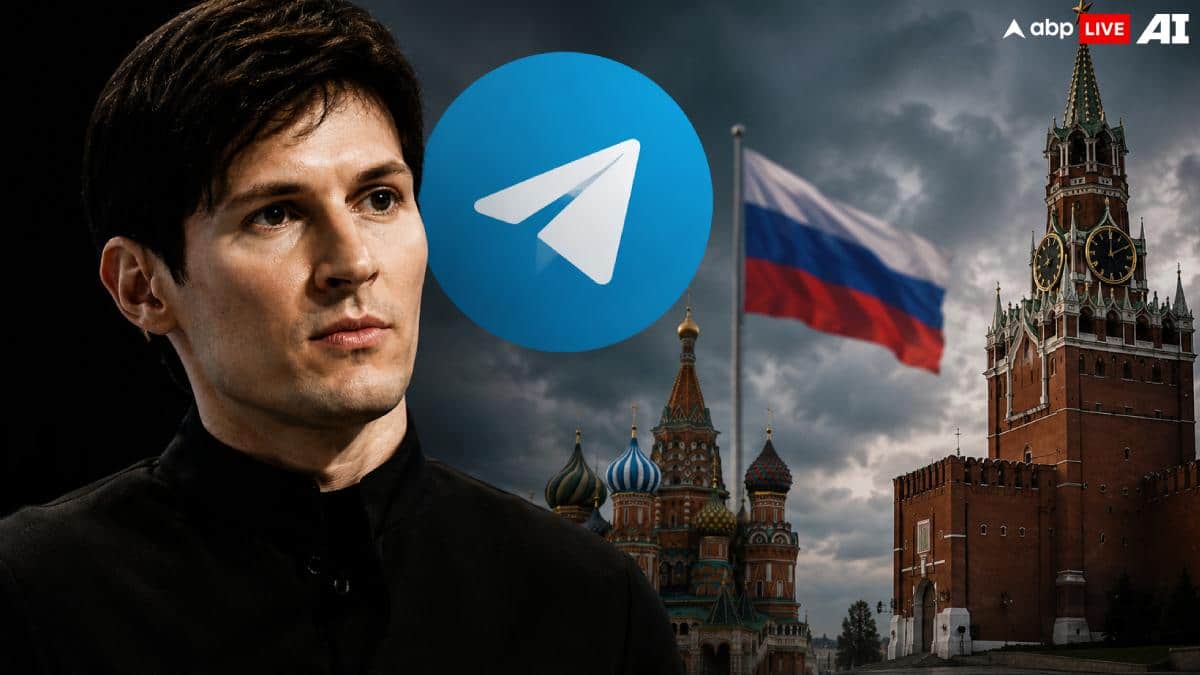
Telegram Founder Pavel Durov Declared Wanted, Russia Files Terrorism-Linked Criminal Charges

Russia has escalated its crackdown on Telegram by charging the messaging platform's founder Pavel Durov with aiding terrorism and placing him on an international wanted list. The move marks the latest step in Moscow's tightening grip over digital platforms as authorities continue efforts to bring online communication under greater state control. The announcement came from Russia's Federal Security Service (FSB), as reported by the Associated Press, which accused Telegram of failing to act against content allegedly linked to terrorism and extremist activities. Durov, who was born in Russia but later relocated overseas, has previously criticised Moscow's actions against the platform and denied allegations that Telegram facilitates criminal activity. FSB Accuses Telegram Of Failing To Curb Extremist Content According to the FSB, Telegram's administration did not remove "numerous channels, chats and bots" that are "actively used by Ukrainian intelligence agencies, terrorist, and extremist organizations to prepare and coordinate acts of sabotage and terrorism, mass murder, and cyberfraud" in Russia, which resulted in "numerous human casualties." The security agency also alleged that Ukrainian intelligence agencies had been using a dating chatbot available on Telegram to recruit Russian citizens for attacks inside the country. Officials claimed that 46 users of the chatbot, aged between 12 and 22 years, have been detained across Russia since July 2025 over alleged involvement in "sabotage and terrorist activities." If convicted under Russian law, Durov could face a sentence of up to life imprisonment. ALSO READ: Pavel Durov Accuses Reliance Of 'BGP Hijacking' Telegram, Ends Up Targeting Wrong Company Durov Says Charges Are Aimed At Restricting Free Speech Earlier this year, Durov revealed that Russian authorities had opened a criminal investigation against him. At the time, he accused the government of creating false grounds to target Telegram. He alleged that the investigation was an effort to "suppress the right to privacy and free speech," arguing that the action was designed to increase pressure on one of Russia's most widely used messaging services. Telegram continues to remain one of the country's most popular communication platforms despite increasing restrictions imposed by authorities. Russia Tightens Internet Controls The charges against Durov come against the backdrop of a broader campaign by the Kremlin to strengthen control over the internet, a process that has accelerated since Russia launched its full-scale invasion of Ukraine in February 2022. Over the past few years, Russian authorities have introduced stricter internet regulations, blocked access to several foreign platforms and expanded their ability to monitor online activity. Social media platforms including Facebook, Instagram and X have been banned in the country. Authorities have also slowed access to YouTube, while messaging services such as Signal and Viber have been blocked. Restrictions have also affected WhatsApp and Telegram, although both continue to be widely used. Many users rely on virtual private networks (VPNs) to bypass restrictions, but Russian regulators have repeatedly moved to block VPN services as well. ALSO READ: Pavel Durov Calls India's NEET-Linked Ban Ineffective And Misguided, Says 150 Million Users Punished Government Promotes Domestic Alternative To Foreign Messaging Apps Alongside restrictions on international platforms, Russia has been promoting a domestic messaging service called MAX. Officials describe it as an all-in-one platform offering messaging, government services, digital payments and other online functions. However, critics have raised concerns over user privacy. The platform openly states that it will provide user data to authorities upon request, while cybersecurity experts have also pointed to the absence of end-to-end encryption as a significant concern. The latest case is not the first time Durov has faced legal scrutiny. In 2024, he was arrested in Paris over allegations that Telegram was being used for illegal activities, including drug trafficking and the distribution of child sexual abuse images.

Indian IT Stocks: From Covid Boom To AI Uncertainty, How Valuations Have Changed

The journey of Indian IT stocks over the past five to six years reflects a dramatic shift in investor sentiment. The sector moved from a period of extraordinary optimism during the pandemic, when digital transformation fuelled record valuations, to a more cautious phase where slower growth and artificial intelligence (AI) are reshaping expectations. Pre-Covid: Stable Valuations Before the pandemic, Indian IT companies traded at reasonable valuation multiples that reflected steady growth. TCS commanded a price-to-earnings (P/E) ratio of around 25 times, Infosys traded between 18 and 22 times, while HCL Technologies, Wipro, and Tech Mahindra were largely valued between 14 and 18 times. Mid-Cap companies such as Persistent Systems, Coforge, and Mphasis typically traded in the 18 to 25 times earnings range. These levels served as the benchmark before the sector entered one of its strongest re-rating phases. The Covid Boom The pandemic initially triggered panic across global markets, but the narrative changed quickly as enterprises accelerated digital transformation. Demand for cloud migration, cybersecurity, enterprise software, and digital engineering surged, creating an unprecedented opportunity for Indian IT services companies. Revenue growth accelerated into double digits, deal wins increased, and companies expanded hiring aggressively. Investors responded by assigning significantly higher valuation multiples across the sector. By FY22, TCS traded at around 38 times earnings, Infosys at 36 times, while Tech Mahindra reached 34 times. The re-rating was even stronger among mid-cap companies. Persistent Systems expanded from about 20 times earnings before Covid to as high as 55-70 times, while Coforge moved from roughly 20-25 times to 45-55 times. Mphasis also nearly doubled its valuation multiple. The market largely believed that higher technology spending would become a long-term structural trend, justifying premium valuations. Also Read : ITR Deadline July 31: Income Tax Department Issues Fresh Advisory, Urges Taxpayers To File Returns Early Valuations Return to Reality The environment began to change from FY23 as rising global interest rates and slowing economic growth prompted companies to reduce discretionary technology spending. Project delays, slower deal ramp-ups, and cautious client budgets affected revenue growth across the sector. As earnings growth moderated, valuations also normalised. Large-Cap IT companies settled closer to historical averages. TCS traded between 26 and 30 times earnings, Infosys around 24-28 times, HCL Technologies at 20-24 times, and Wipro at 18-22 times. Mid-cap stocks also witnessed valuation compression. Persistent Systems corrected to roughly 42-50 times earnings, Coforge to 30-36 times, and Mphasis to around 24-28 times. Among small caps, Tata Elxsi declined to 40-50 times earnings, while KPIT Technologies, Birlasoft, and Zensar also saw meaningful reductions in valuation multiples. Although valuations remained above pre-Covid levels in several cases, the exceptional premiums seen during the pandemic had largely faded. AI Creates a New Challenge Just as valuations were stabilising, artificial intelligence emerged as the next major variable. The rapid adoption of generative AI and AI-assisted coding tools has raised concerns about the traditional labour-intensive business model followed by Indian IT services companies. Activities such as application maintenance, testing, documentation, and support are increasingly being automated, creating uncertainty around future demand. Large companies such as TCS, Infosys, and HCL Technologies are positioning themselves as enterprise AI implementation partners, leveraging their expertise in system integration and large-scale digital transformation. Mid-cap firms like Coforge and Persistent Systems have also increased their focus on AI, cloud, and engineering services to maintain growth and valuation premiums. For smaller IT companies, however, the transition is more challenging due to limited scale, narrower service offerings, and lower investment capacity, making their valuations relatively more vulnerable. Where Valuations Stand Today The Nifty IT index has underperformed the broader market in 2026, declining around 17-18 per cent year-to-date compared with a 7-8 per cent decline in the Nifty 50. The gap reflects sector-specific challenges, including slower global technology spending and uncertainty over how AI will reshape the traditional IT services business model. Large-cap IT companies now trade closer to their long-term historical valuation averages, though still above pre-Covid levels in several cases. Mid-cap companies continue to command a valuation premium owing to relatively stronger growth prospects, while Small-Cap IT valuations remain more selective, with companies possessing niche capabilities or differentiated offerings attracting higher multiples than their peers. Going forward, the sector's valuations will largely depend on two factors: the pace of recovery in global enterprise technology spending and the ability of Indian IT companies to demonstrate that AI is a long-term growth opportunity rather than a structural threat.  Also Read : ITR Filing 2026: 5 Financial Tasks To Complete After Filing Your Income Tax Return (“Disclaimer: This article uses information originally published by Dalal Street Investment Journal (DSIJ). The views expressed are those of the original authors and not necessarily of ABP Network Pvt. Ltd. This content is provided for general informational and educational purposes only and should not be construed as investment, financial, legal or tax advice. Readers are advised to conduct their own research and/or consult a qualified financial advisor before making any investment decisions. This content is for informational purposes only and should not be treated as investment advice. ABP Network, its employees and associates shall not be responsible or liable for any losses or damages arising directly or indirectly from the use of or reliance on this article or any information contained herein.”)

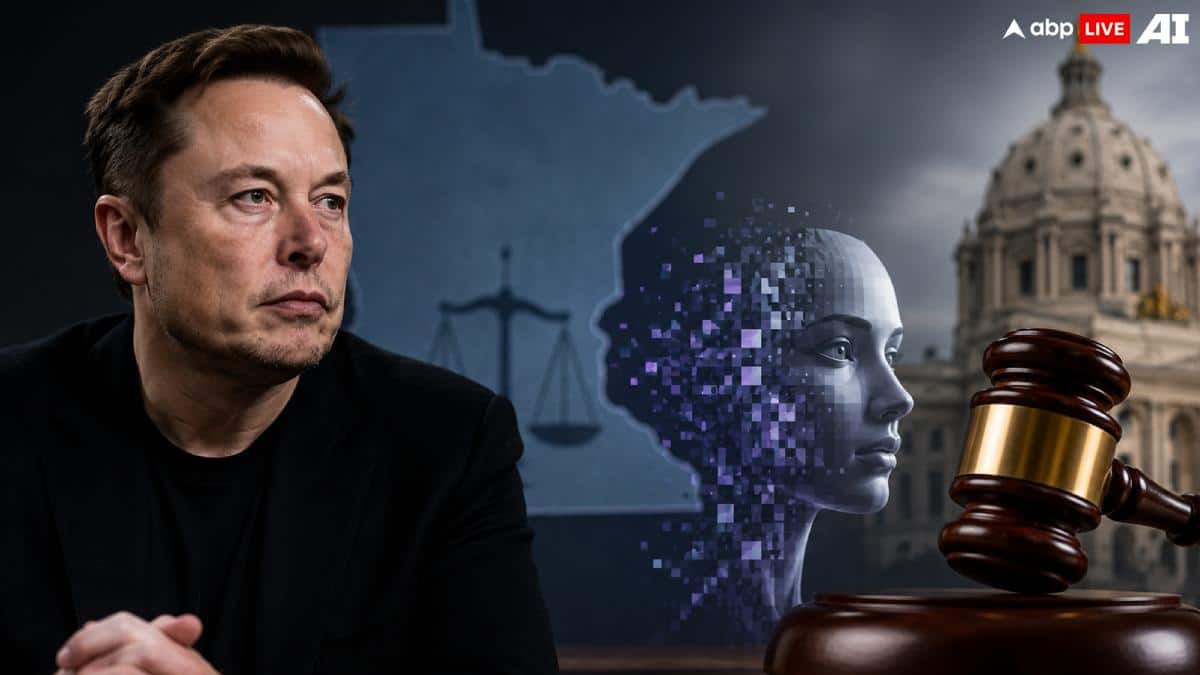
Elon Musk's xAI Takes Minnesota To Court Over AI 'Nudify' App Ban, Calls Law A Threat To Free Speech

Elon Musk's artificial intelligence company xAI has launched a legal challenge against the state of Minnesota, arguing that a new law aimed at banning AI-powered "nudify" apps violates constitutional protections for free speech. The lawsuit, filed in a federal court against Minnesota Attorney General Keith Ellison, comes just days before the legislation is scheduled to take effect. The dispute centres on a state law designed to crack down on platforms that allow users to generate sexually explicit deepfake images of people without their consent. The legislation, approved earlier this year, introduces heavy financial penalties for violations and is intended to curb the growing misuse of generative AI tools. ALSO READ: Elon Musk's Net Worth Slides Below $700 Billion; SpaceX Stock Down Nearly 50% Since June xAI Says Law Is Too Broad In the complaint submitted on Monday, attorneys representing xAI argued that the legislation goes far beyond its intended purpose. According to the filing, the statute "imposes an overbroad, content-based ban on free speech and the tools of visual expression in a clumsy attempt to prohibit ‘nudification.’" The company also contends that the penalties outlined in the law are excessive. Under the legislation, platforms could face fines of $500,000 each time a user creates a prohibited sexually explicit deepfake. Lawyers for xAI argued that such penalties could become financially devastating, stating that a company whose users generated 100,000 prohibited images could face "an eye-popping $50 billion dollars." ALSO READ: 'My Partner Is Half-Indian': Musk Rubbishes Racism Claims, Says Son Named After Physicist Chandrasekhar Minnesota Targets Non-Consensual AI Images The Minnesota law is scheduled to come into force on Saturday and specifically targets apps and websites capable of producing non-consensual sexualised images using artificial intelligence. The measure was passed in April after being championed by Minnesota state Senator Erin Maye Quade. The legislation was introduced after she learned about a case involving a man who allegedly used publicly available social media photographs to create sexualised images and videos of more than 80 women without their knowledge or consent. Maye Quade had earlier told CNBC that the proposal was comparable to long-standing laws that prohibit secretly taking explicit photographs by peeping through windows. ALSO READ: Musk Vs Altman Reloaded: Apple Lawsuit Triggers Fresh AI Billionaire Brawl On X Legal Battle Comes Amid Other xAI Challenges The lawsuit arrives as SpaceXAI, the new name for the artificial intelligence business, is also facing separate legal scrutiny. A proposed class action lawsuit alleges that the company's Grok AI chatbot and image generator were used to create and distribute child sexual abuse materials (CSAM) based on real images and videos of the plaintiffs. The lawsuit further claims that xAI did not provide authorities with information about individuals who allegedly used Grok to "nudify" their images. xAI has denied supporting such activities and maintains that its platform has safeguards in place. The company said it "strictly prohibits" users from generating nude or sexualised images of individuals without their consent. It also noted in its court filing that it has taken legal action against users who "evade its extensive technological blockers to generate such images in violation." This is not the first time Musk's AI venture has challenged state legislation over AI-generated content. The company previously sued over a California law intended to curb AI-generated deepfakes. That challenge achieved partial success after a federal judge struck down provisions that would have restricted AI-generated deepfake content during elections.

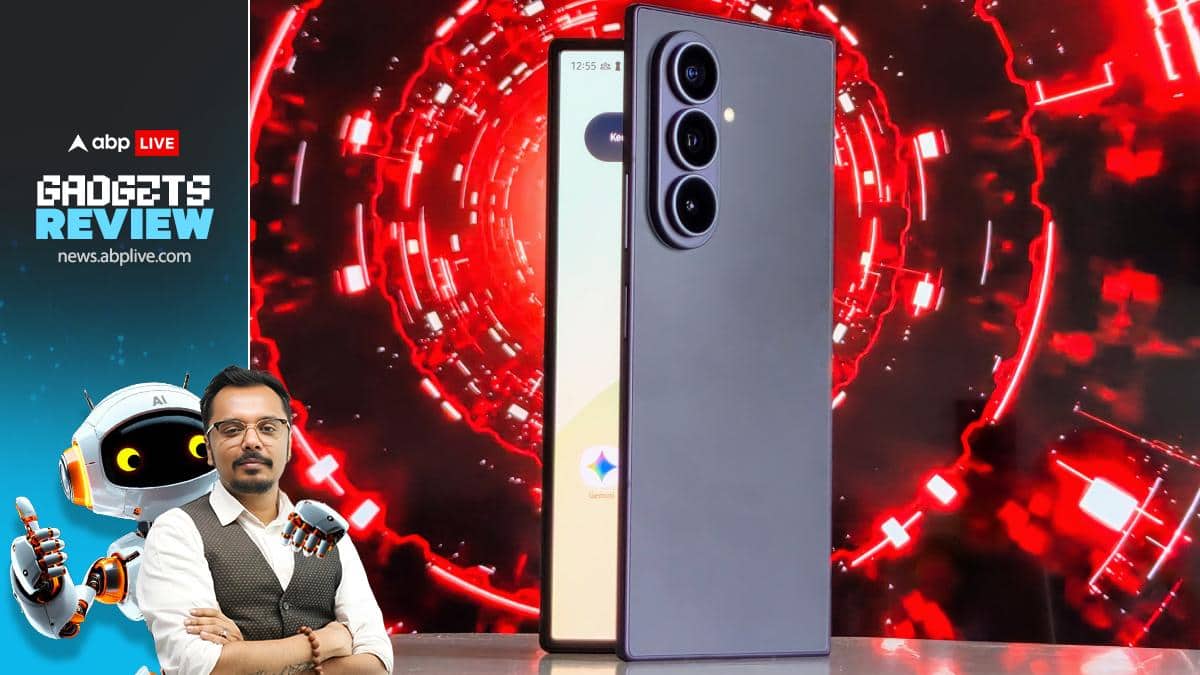
Samsung Galaxy Z Fold 8 Ultra First Review: The Fold Finally Goes 'Ultra' In Every Sense

Samsung Galaxy Z Fold 8 Ultra First Review: Samsung's Ultra foldable finally feels like the product the Fold series has always been chasing. With a dramatically reduced crease, Ultra-grade cameras, a brighter display and a much-needed battery upgrade, here's our early verdict after spending over 24 hours with the device. Foldables have spent the better part of the last six years trying to solve one fundamental problem. Every generation has become thinner, lighter and more powerful, yet there has always been one visual reminder that you weren't using a conventional smartphone: the crease running through the middle of the display. Almost every manufacturer has tried tackling it in one way or another. Oppo came remarkably close with the Find N6, while Honor and Huawei have also steadily refined their hinge designs over the years. Samsung, despite practically creating the modern foldable category, has always been playing catch-up in this particular department. Unlike the regular Galaxy Z Fold 8, whose biggest achievement is arguably its compact form factor, the Ultra exists for an entirely different reason. Samsung has taken everything users have been asking for over the years and packed it into one device. A flagship-grade 200MP camera. A significantly brighter display. A bigger battery. Faster charging. And perhaps most importantly, a folding display whose crease almost disappears into the background. Now, the obvious question is this: Is the Galaxy Z Fold 8 Ultra worth spending Rs 1,99,999 on (Rs 1,99,999 for the 12GB + 256GB variant, Rs 2,19,999 for the 12GB + 512GB model and Rs 2,59,999 for the fully-loaded 16GB + 1TB version)? I have been using the Violet Shadow variant for a little over 24 hours now, and here's our early review. ALSO READ: Samsung Galaxy Z Fold 8 First Review: Samsung Brings The Joy Back To Smartphones Samsung Galaxy Z Fold 8 Ultra First Review: How Does It Feel In Your Hand? If you have been following Samsung's Fold lineup over the past few years, you might expect the Galaxy Z Fold 8 Ultra to feel dramatically different in your hand. Surprisingly, it doesn't. Instead, Samsung has focused on refining almost every little detail that made previous Fold devices feel slightly unfinished. The Galaxy Z Fold 8 Ultra measures just 4.1mm when unfolded and 8.9mm when folded, while tipping the scales at 215g. Numbers aside, what really impressed me was how naturally the phone disappears into your daily routine. Despite housing an 8-inch tablet inside, it never once felt cumbersome during my time with it. Unlike earlier Fold generations, the outer display also feels like a complete smartphone rather than a screen that's merely there until you unfold the device. Whether I was replying to WhatsApp messages, checking emails, browsing Instagram or catching up on YouTube during my commute, I never felt compelled to unfold the phone unless I genuinely wanted the extra screen real estate. That, in many ways, mirrors my experience with the regular Galaxy Z Fold 8 (pictured above, L). Samsung has clearly realised that foldables first need to function brilliantly as smartphones before convincing users to open them into tablets. The build quality is exactly what you would expect from Samsung's Ultra branding. Gorilla Glass Victus Ceramic 3 protects the cover display, while the Advanced Armor aluminium frame feels reassuringly solid. The hinge also feels tighter and more confidence-inspiring than previous generations, opening with just the right amount of resistance. Personally, I think Samsung has now reached a point where the Fold series no longer feels experimental. This feels like a mature flagship. Samsung Galaxy Z Fold 8 Ultra First Review: How Does The Display Feel? The display, however, is where the Galaxy Z Fold 8 Ultra genuinely separates itself from almost every other foldable currently available. Yes, Samsung has increased peak brightness to an impressive 3,000 nits. Yes, the 8-inch Dynamic LTPO AMOLED 2X panel carries a crisp 2504 x 2256 resolution and a buttery smooth adaptive 120Hz refresh rate. Samsung has completely redesigned the display structure using what it calls Flex Titanium technology. Beneath the OLED panel now sits a titanium-alloy layer that's claimed to be nearly twenty times stiffer than the polymer material used previously. Supporting that is a titanium plate underneath the display stack, giving the entire panel greater rigidity while reducing tiny gaps that traditionally caused the display to dip around the hinge. The difference becomes obvious the moment you begin using the phone. No, the crease hasn't disappeared. It probably never will. But for the first time, I genuinely found myself forgetting it existed. During regular use, your eyes simply stop noticing it after a few minutes. Even while reading long-form articles or watching HDR content on Netflix, the crease never became distracting enough to pull me out of the experience. In fact, I deliberately tilted the phone under direct office lighting just to locate it. That probably tells you everything you need to know. Even running your fingers across the display feels noticeably different from older Fold models. The familiar bump that your fingers instinctively searched for has become significantly flatter, making swipes across the centre of the display feel remarkably natural. Personally, this is one of the biggest engineering achievements Samsung has delivered in recent years. Samsung's display quality remains exactly as exceptional as you would expect. HDR10+ videos look stunning, colours remain beautifully vibrant, while the sharp 422ppi pixel density makes reading ebooks and lengthy news articles a genuinely enjoyable experience. Like the Galaxy S26 Ultra, I found myself sticking with Samsung's Vivid display profile almost throughout my testing. Photographs appear richer, colours carry more punch and the entire experience simply feels worthy of a phone costing upwards of Rs 2 lakh. Perhaps the biggest compliment I can pay Samsung is this. The display no longer feels like impressive foldable technology. It simply feels like one of the best smartphone displays money can buy. Samsung Galaxy Z Fold 8 Ultra First Review: How Is The Camera? For years, Samsung's Fold series has asked users to accept a compromise when it came to cameras. While the Galaxy S Ultra lineup pushed the boundaries of smartphone photography, the Fold devices often settled for capable, but not class-leading, hardware. The Galaxy Z Fold 8 Ultra changes that equation in a big way. Leading the camera system is Samsung's familiar 200MP primary sensor, accompanied by a significantly upgraded 50MP ultra-wide camera and a 10MP telephoto lens with 3x optical zoom. The jump from a 12MP to a 50MP ultra-wide sensor is perhaps the biggest upgrade here because it finally brings consistency across focal lengths. Although I will reserve my final judgement for the detailed review, my first impressions are certainly encouraging. Under bright daylight, the Fold 8 Ultra captures photographs with excellent detail, balanced colours and impressive dynamic range. The HDR processing has also seen visible improvements, particularly while photographing scenes with bright skies and darker foregrounds. Highlights remain well controlled, while shadow detail is retained without making images appear artificially bright. Samsung's image processing continues to favour slightly vibrant colours, but it never crosses the line into looking unrealistic. Landscapes, architecture and food photography all benefit from that subtle punch. Low-light photography also appears to have taken a noticeable step forward compared to previous Fold generations. Images retain more texture, artificial lighting is handled more gracefully and the larger sensor gathers considerably more light than before. While I would still like to test the cameras extensively over the coming days, the Fold 8 Ultra feels much closer to the Galaxy S26 Ultra than any previous Fold has ever managed. Video creators will also appreciate Samsung's decision to introduce APV Codec support. The improved codec promises better image quality while keeping file sizes manageable, something content creators shooting 4K and 8K footage are likely to appreciate. For the first time, buying Samsung's Fold no longer feels like accepting a compromise in camera performance. Samsung Galaxy Z Fold 8 Ultra First Review: How Is The Overall Performance? Powering the Galaxy Z Fold 8 Ultra is Qualcomm's Snapdragon 8 Elite Gen 5 processor, the very same chipset that impressed us on the Galaxy S26 Ultra earlier this year. Paired with up to 16GB RAM and 1TB of UFS 4.x storage, performance is exactly what you would expect from Samsung's flagship silicon. Apps launch almost instantly, multitasking feels effortless and switching between the cover display and the larger inner display happens seamlessly. During my time with the device, I had multiple Chrome tabs open alongside YouTube, WhatsApp, Instagram and Samsung Notes, and the Fold 8 Ultra handled everything without showing the slightest sign of slowing down. Samsung DeX also continues to be one of the Fold's strongest advantages, bringing it more at par with the S-series siblings. Pair the phone with a monitor and keyboard, and it comfortably transforms into a capable desktop workstation for presentations, document editing or replying to emails. Samsung has also brought one of my favourite software additions from the Galaxy S26 Ultra to the Fold lineup. Called Now Nudge, the feature quietly analyses information from your emails, reminders and conversations, subject to the permissions you grant, before suggesting useful actions like creating calendar entries or reminding you about appointments. Unlike several AI features that demand your attention, this one simply works in the background and makes everyday life marginally easier. That, for me, is where Samsung's Galaxy AI continues to stand apart. The best AI features are often the ones you stop noticing because they naturally become part of your workflow. Samsung Galaxy Z Fold 8 Ultra First Review: How Is The Battery Performance? Battery life has always been one of the biggest talking points around Samsung's Fold series. Packing a large folding display inside an incredibly slim chassis naturally leaves limited room for a sizeable battery. This year, Samsung has finally addressed one of users' longest-standing requests. The Galaxy Z Fold 8 Ultra is the first Fold smartphone to feature a 5,000mAh battery, replacing the 4,400mAh unit found on previous generations. Charging has also been upgraded to 45W wired charging, which Samsung claims can replenish the battery to around 67 per cent in roughly half an hour. Wireless charging has also received a welcome boost to 20W. Twenty-four hours is still too early to arrive at a definitive conclusion, but my early impressions are certainly positive. After fully charging the Fold 8 Ultra in the morning, I spent a considerable part of the day alternating between both displays. The cover screen handled social media, emails and messaging duties, while the inner display became my preferred screen for reading news articles, watching YouTube, streaming Netflix and browsing through photographs. Add to that a generous amount of camera testing, some AI photo editing and regular work calls, and the Fold 8 Ultra still comfortably made it through the day without making me think about reaching for a charger. That, perhaps, is the biggest compliment I can give the battery. It quietly does its job while allowing you to enjoy the phone. Of course, we'll reserve our final verdict after more extensive testing, but Samsung appears to have finally delivered the battery upgrade Fold users have been asking for over the years. Samsung Galaxy Z Fold 8 Ultra First Review: Should You Buy? As mentioned earilier, the Galaxy Z Fold 8 Ultra is available in three variants: 12GB + 256GB: Rs 1,99,999 12GB + 512GB: Rs 2,19,999 16GB + 1TB: Rs 2,59,999 Colour options include Graphite, Cream and Violet Shadow, while Green Shadow remains exclusive to Samsung's online store. After spending over a day with the Fold 8 Ultra, it feels like Samsung has finally brought together every major improvement Fold users have been waiting for. The crease has been reduced to a point where it rarely interrupts the experience. The display remains among the best you'll find on any smartphone today. The camera hardware finally belongs in the same conversation as Samsung's Ultra lineup. Performance is every bit as flagship as expected, while the larger 5,000mAh battery inspires far greater confidence than previous Fold generations. There will, of course, be questions that only a longer review can answer. Camera consistency across different lighting conditions, long-term battery endurance and everyday durability are aspects we'll continue testing over the coming days. Based on these first impressions, though, the Galaxy Z Fold 8 Ultra feels like Samsung's most complete foldable to date. More importantly, it feels like a product that has matured rather than merely evolved. The Fold series no longer feels like an experiment for early adopters or enthusiasts who enjoy trying new technology. The Galaxy Z Fold 8 Ultra feels ready for anyone looking to replace their traditional flagship smartphone with a foldable without worrying about making significant compromises. If first impressions are anything to go by, Samsung has delivered its finest Fold yet. The full review will reveal whether it can sustain that promise over the coming weeks, but the early signs are certainly very encouraging. Until then, stay tuned to ABP Live English.

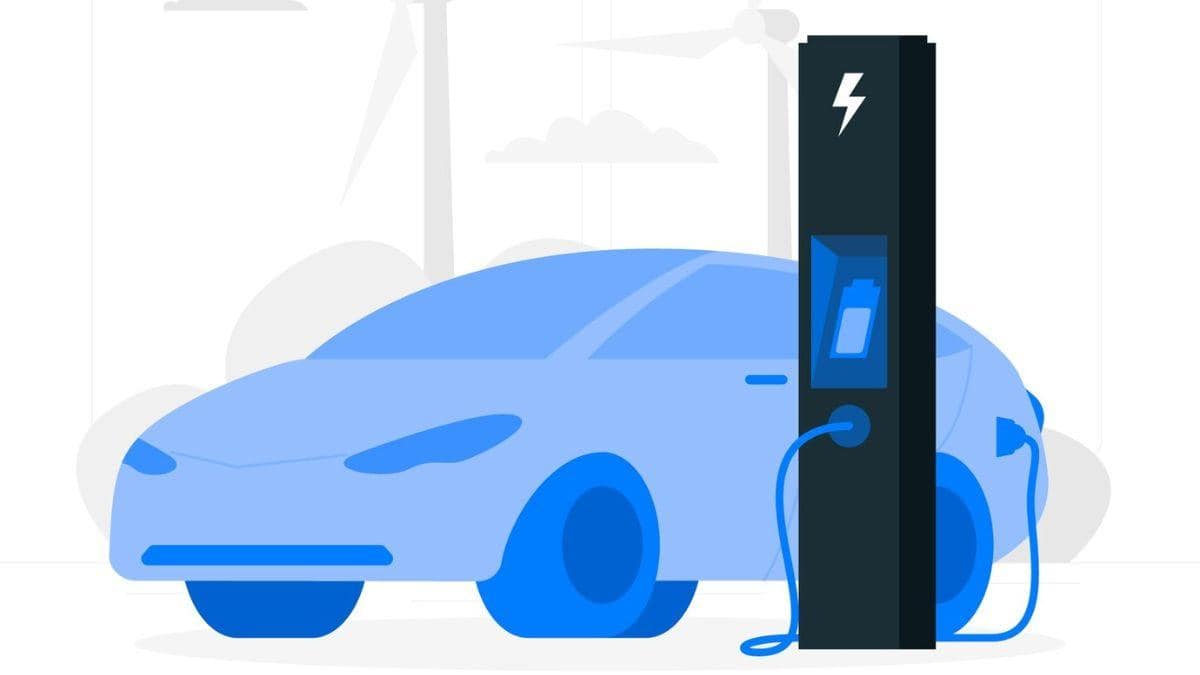
Buying An EV In Haryana? No Motor Vehicle Tax On Vehicles Worth Up To Rs 30 Lakh

The Haryana government has approved fresh incentives for electric vehicle (EV) buyers and women vehicle owners, with the state Cabinet clearing a complete exemption from motor vehicle tax for eligible electric vehicles and a tax concession for women registering non-commercial vehicles in their names. The decisions were taken at a Cabinet meeting chaired by Chief Minister Nayab Singh Saini on Tuesday. Cabinet Approves Fresh Incentives As part of the revised policy, buyers of battery-operated two-wheelers, three-wheelers and four-wheelers with an ex-showroom price of up to Rs 30 lakh will no longer have to pay motor vehicle tax at the time of registration, reported Business Standard. For electric vehicles priced above Rs 30 lakh, the state has approved a 50 per cent concession on motor vehicle tax instead of a complete waiver. The Cabinet has not altered the existing benefit available to CNG vehicles, with the current 20 per cent rebate continuing under the revised framework. The measures are intended to make electric vehicles more affordable while encouraging wider adoption of cleaner transport options across the state. Tax Benefit For Women Vehicle Owners Alongside the EV incentives, the Cabinet has introduced a 1 per cent rebate on motor vehicle tax for non-transport vehicles costing up to Rs 20 lakh, provided they are purchased and registered in the name of a woman. The concession implements a promise made by the Haryana government in its 2026-27 Budget. According to the state government, the initiative is aimed at promoting women's financial participation and encouraging greater ownership of assets in their names. Also Read : ITR Filing 2026: 5 Financial Tasks To Complete After Filing Your Income Tax Return Haryana Aligns EV Policy With Neighbouring Regions The latest decision places Haryana alongside Delhi and Chandigarh, both of which already exempt eligible electric vehicles from registration charges. According to TOI, vehicle dealers in Haryana had repeatedly flagged the issue of buyers purchasing vehicles from dealerships in the state but registering them in Delhi or Chandigarh to take advantage of lower registration costs. The practice was said to affect registration numbers in Haryana while also reducing revenue for the state government. The newspaper reported that the proposal had been pending for some time before receiving Cabinet approval. It was put forward by Haryana Transport Minister Anil Vij. Existing CNG Incentive To Continue While the state has expanded incentives for electric vehicles, it has chosen not to modify its policy for CNG-powered vehicles. The existing 20 per cent rebate on motor vehicle tax for CNG vehicles will continue without any changes. With the latest approvals, Haryana has widened its incentive framework by combining tax relief for electric vehicle buyers with a separate concession for women purchasing personal vehicles. The government expects the measures to support cleaner mobility while also encouraging vehicle ownership among women. Also Read : Dalal Street Rallies Despite Fresh US-Iran Attacks: Sensex Roars 700 Points, Nifty Over 24,150

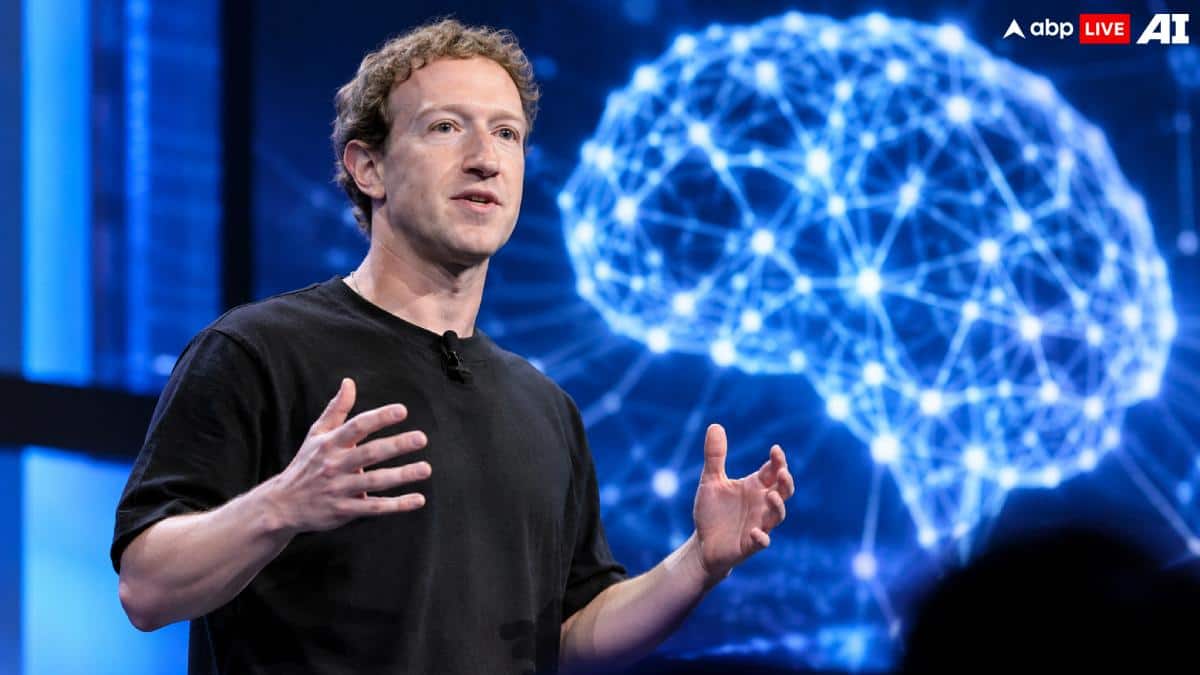
Mark Zuckerberg Says AI Must Empower Everyone, Makes Case for 'Personal Superintelligence'

Meta CEO Mark Zuckerberg has outlined his vision for the future of artificial intelligence, arguing that access to superintelligence should not remain concentrated in the hands of a few governments or technology companies. In an opinion piece published in The Wall Street Journal, Zuckerberg said the next phase of AI development should focus on empowering individuals rather than centralising control, while warning against narratives that portray AI primarily as a threat. The Meta chief said the biggest question surrounding AI is not whether superintelligence will become a reality, but who will be able to use it. He argued that widespread access to advanced AI systems could unlock innovation, improve healthcare, create businesses and help people pursue their personal and professional goals. ALSO READ: EXPLAINED | Why Mark Zuckerberg Is Fighting Against US Ban On Chinese AI Zuckerberg Pushes Back Against AI 'Doom' Narrative Addressing growing concerns over AI safety and job losses, Zuckerberg criticised what he described as overly pessimistic views surrounding the technology. "It is surprising that the discourse from many of those who are developing artificial intelligence is so filled with doom. I don’t understand why anyone who believes that AI will eliminate most jobs and much of humanity’s relevance would rush to build that future." He also questioned the idea that AI should be tightly controlled by a handful of organisations, saying history has repeatedly shown that concentrating power rarely produces positive outcomes. According to Zuckerberg, previous technological revolutions sparked fears of disruption, but ultimately resulted in greater prosperity, improved health and expanded opportunities. He argued that AI could follow a similar path if its benefits are made widely available. Personal AI Can Drive Innovation, Says Meta CEO The Meta CEO said AI's long-term value lies not merely in automating repetitive work but in enabling new discoveries and inventions. He believes future AI systems will increasingly assist people in solving complex problems, discovering medicines and creating new products and businesses. Zuckerberg argued that innovation has historically come from individuals rather than established institutions alone, citing examples of inventors and entrepreneurs who transformed industries with limited resources. He said giving people more powerful AI tools could allow many more individuals to shape the future. He added that rather than allowing a small group of experts to determine what is best for society, people themselves should decide how AI is used in their lives. Zuck Calls For Balance Between AI Safety & Open Access While advocating broader access to advanced AI, Zuckerberg acknowledged that powerful systems also pose genuine risks. He said issues such as cybersecurity require serious attention, but suggested that broader access to technology has historically strengthened security over time. He also noted that certain risks, including biological threats, would require greater coordination between governments and institutions to ensure responsible deployment of advanced AI models. On the future of work, Zuckerberg argued that AI should primarily serve as a tool that expands human capabilities instead of replacing workers. "But if superintelligence is widely distributed, then I believe we will see more jobs in the future, not fewer." He said wider access to advanced AI could lower barriers to entrepreneurship, making it easier for individuals to launch businesses without significant capital. According to Zuckerberg, this could eventually lead to an economy with more small businesses and greater individual innovation. Concluding his vision, Zuckerberg described superintelligence as the most significant technological breakthrough of the coming decades and said Meta remains committed to developing AI around the principles of individual empowerment, invention and balanced distribution of power.

Kanwar Yatra Viral Video: Muslim Youth Carries 251-Litre Kanwar With Hindu Friend: WATCH

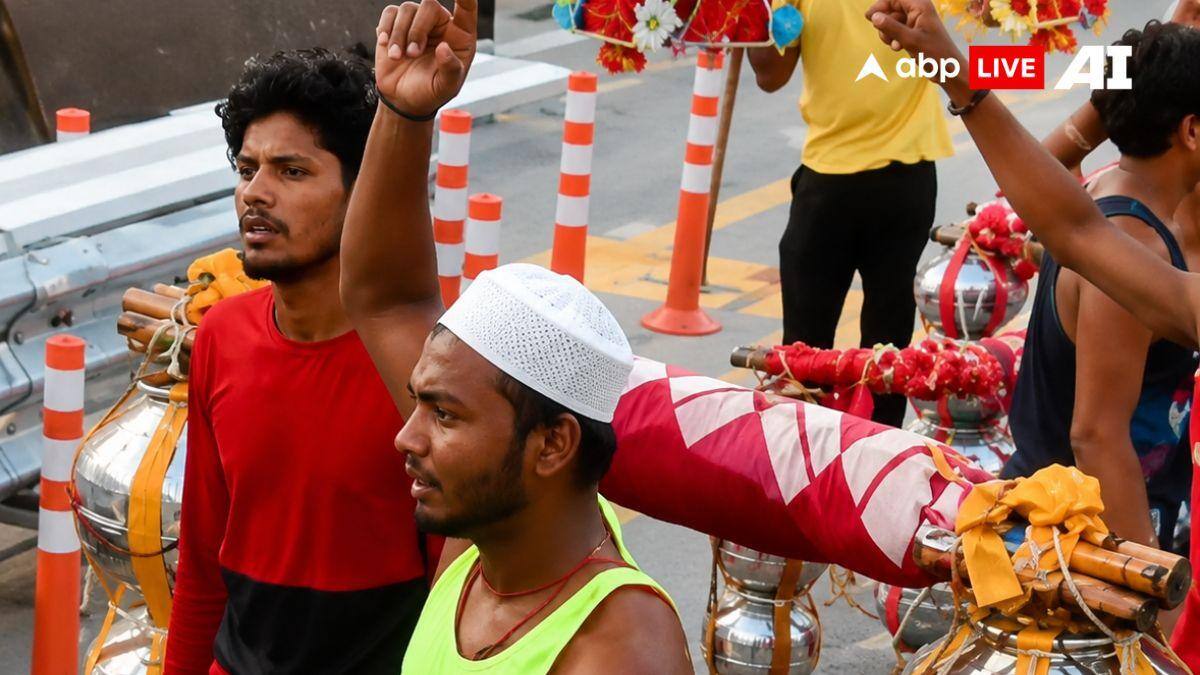
A video from Uttar Pradesh's Meerut has gone viral during this year's Kanwar Yatra, drawing attention for its message of friendship and communal harmony. The video features Shakir, a Muslim youth, and his Hindu friend Mintu carrying a 251-litre Kanwar together after collecting Ganga water from Haridwar. The two say their journey is not only an act of faith but also an effort to promote brotherhood in society. Friends Carry 251-Litre Kanwar Together Twenty-one-year-old Shakir, a resident of Holi Chowk in Falavada town of Meerut district, is undertaking the Kanwar Yatra with his friend Mintu this year. नफरत हार जाती है और मोहब्बत जीत जाती है. pic.twitter.com/tjccSKz5pY — आजाद भारत का आजाद नागरिक (@AnathNagrik) July 28, 2026 After collecting Ganga water from Haridwar, the duo began their journey together towards their destination. Shakir said the purpose of the yatra is to encourage social harmony. According to him, humanity is the greatest religion and friendship is not defined by religion or caste. Second Consecutive Year Of Kanwar Yatra This is not the first time Shakir has participated in the Kanwar Yatra. Last year, he carried a 101-litre Kanwar from Haridwar and offered Ganga water at local Shiva temples on Shivratri. This year, he decided to undertake the pilgrimage with Mintu while carrying a 251-litre Kanwar. Helping Fellow Kanwariyas Apart from travelling with his friend, Shakir is also seen assisting other Kanwariyas during the journey. ALSO READ: 'I'll Put 50 Grams Of Powder In Your Pockets': Mumbai Cop's Viral Warning Sparks Reactions According to the report, he helps carry the Kanwar and extends assistance to devotees in need along the route. This is the second consecutive year that the two friends have undertaken the Kanwar Yatra from Haridwar together. Locals Praise Their Initiative Residents have praised the duo's effort, saying their friendship reflects trust, cooperation and humanity. They said that while people may follow different religions, mutual respect and brotherhood help bring society together. Social Media Reacts The video of Shakir and Mintu has been widely shared on social media, with many users appreciating their friendship. One user wrote, "This is true friendship." Another commented, "This is the picture of the real India." A third user wrote, "Wow! What a wonderful example of friendship." Another said, "This friendship is true love." ALSO READ: Why PM Modi Called Student Protesters 'Friends': BJP Shares Explanation

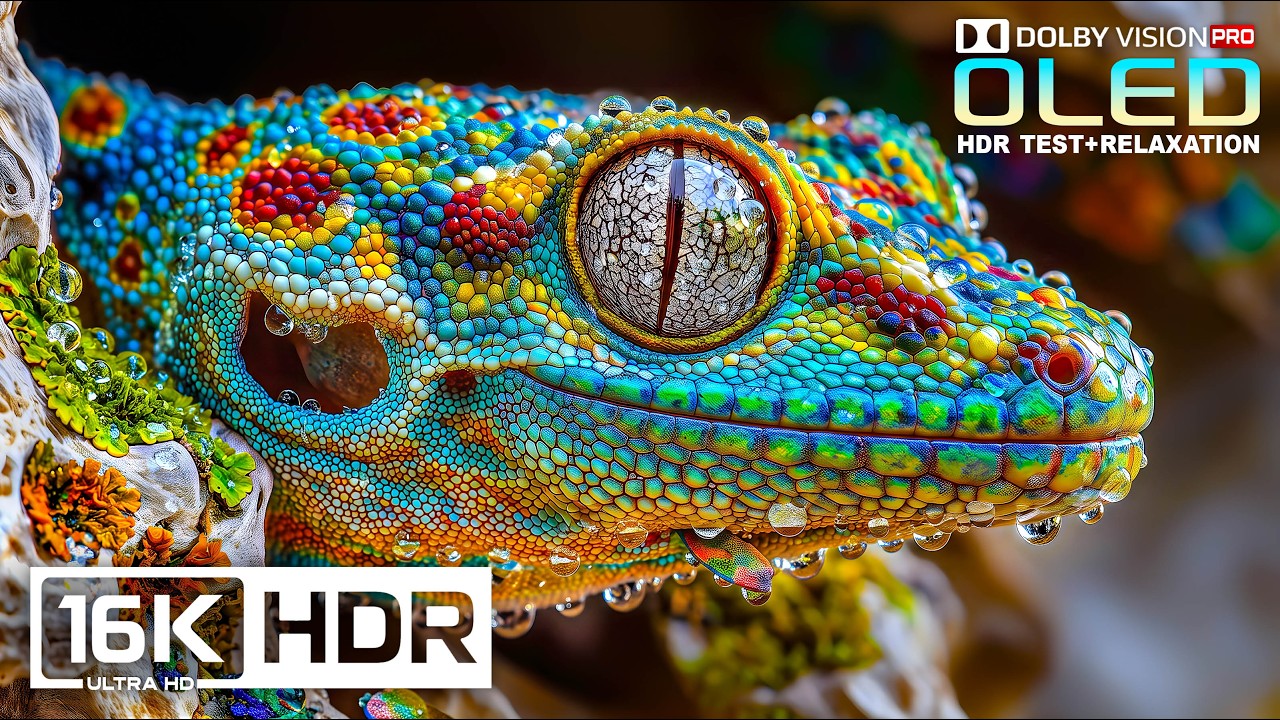
Like you've never seen before: Masterpiece 16K OLED HDR TEST | Dolby Vision 120FPS | 8K/4K Video TV

Like you've never seen before: Masterpiece 16K OLED HDR TEST | Dolby Vision 120FPS (8K Video/4K Video Songs Ultra HD TV), featuring peaceful nature video 4K and wild animals combined with meditation music, relaxing music, soothing sounds, and deep sleep ambience. Our content is designed to help you unwind, reduce anxiety, and enjoy mindfulness sessions with calming visuals and immersive audio. Perfect for meditation, yoga, study, relaxation, and sleep therapy. You can also use our videos to test your screen devices and experience the ultimate quality: ✅TVs: 4K HDR TV, 8K TV, OLED TV, QLED TV, 12K TV, Samsung TV, LG HDR TV (C1, C2), Sony Bravia HDR TV, Hisense TV, Philips TV, Apple XDR TV ✅Smartphones: iPhone Pro MAX, Samsung Galaxy, Huawei, Xiaomi, POCO, and more We recommend testing your internet bandwidth capacity to fully enjoy the smooth playback of our high-resolution content. 🖥️To enjoy the best 8K resolution experience, make sure you’re using the latest versions of browsers such as Safari, Google Chrome, or Microsoft Edge. 🌍If 8K resolution isn’t showing up in Microsoft Edge, give Google Chrome a try instead. 🌍If 8K resolution isn’t appearing in Google Chrome, consider switching to Microsoft Edge instead. 👉Epic Wild animals and wildlife: https://www.youtube.com/playlist?list=PL8RfAAdr4qWR6sLR61cumFqVGKdyEQNLL 👉More 4K Videos: https://www.youtube.com/channel/UCRauo6y9tx0FB0OLLtqLA-g?gsub_confirmation=1 👉More Relaxing Music Videos:https://www.youtube.com/playlist? list=PL8RfAAdr4qWRMh8FwfzI8ie9D4pDo2SpV 👉More 8K HDR Videos(4320p): https://www.youtube.com/playlist?list=PL8RfAAdr4qWRFCj7KtdkmYExwaNZwqR-W 🌼 Experience Nature Like Never Before! 🌼 Welcome to our channel! Here, we bring you! Stunning 8K Video and 4K Video ULTRA HD of nature and animals set to calming music. This channel is dedicated to offering you a peaceful escape from the daily hustle and bustle. Whether you're looking to relax, meditate, or simply enjoy the beauty of the world around you, our videos are designed to soothe your mind and spirit. Join our community and subscribe for your daily dose of tranquility! 🔶Optimal Viewing Tips: ✅Use updated browsers like Google Chrome and Microsoft Edge to view at 8K Resolution. ✅Enable the HDR option in your settings on your devices. ✅Use an HDR-compatible device for the best experience. ✅Be sure to watch the video to the end to enjoy its full potential. ✅Maximize resolution for unparalleled detail. --------------------------------------------------------------------- 🔶Join this channel to access the perk by clicking on the link: https://www.youtube.com/channel/UCRauo6y9tx0FB0OLLtqLA-g/join --------------------------------------------------------------------- 😀Please like, comment, and share your thoughts on our content. 😀Click the notification bell to be the first to view new releases. Most Popular 8K/4K Videos: ▶️https://youtu.be/7FMYz5PYrIo?si=I9XM5E4hlyrhyj41 ▶️https://youtu.be/-oNr1XWOxG0?si=rQkW3uzhSfaJZA_g ▶️https://youtu.be/ZAclFUt6Jso?si=tpmLs8xSOnlK8E7K ▶️https://youtu.be/DR1pS0Q1Fkc?si=9exkQLar_nXltuKQ ▶️https://youtu.be/U_uuHL_rSsk?si=dovrbmkYqhiLFnUX 🎼 Music Information Original music by this channel. Produced and mastered in 432Hz, 528Hz, and 852Hz healing frequencies. Composed and recorded exclusively for this channel with high-fidelity sound design and professional mastering techniques. Also, paid music was used in this video. 📸Thumbnail: Use Paid Stock Photo. ▶© Disclaimer: 》All the Video Footage used in this video is licensed by 4K Video ULTRA HD. 》Video Footage Copyright Under Standard License. I tried to present the Video in a new way by changing its color. I have done High color correction, Special Effects, Color changing, Log and Raw video editing, HDR color Setting, merged files, 8K and 4K Export files, etc. ------------ ▶ All Credits Goes to YouTube. -------------- oled test,4k video,4k video ultra hd,4k,8k,4k hdr,8k video,12k video,16k video, hdr 4k,hdr video, dolby vision, dolby atmos,4k hdr 60fps,4k 120fps,cinematic video, ultra hd showcase, hdr cinematic, hdr test, hdr demo, hdr showcase, hdr 2026,hdr 4k 120fps,hdr dolby vision, relaxing music, stress relief music, meditation music, sleep music, nature sounds, ambient music,4к видео,видео 4к,8к видео,16к видео,видео 8к,4k 60fps,nature 4k,bgm,8k hdr,8k 60fps,12k hdr,16k hdr,hlg,calming music,soothing music,deep sleep,4k video nature,8к видео 120 fps,видео 16к, 4k映像, 4K视频, 超高清, 4K 영상, 4K वीडियो, video 4K #4kvideo #dolbyvision #oledtest #relaxingmusic #8kvideo #nature #4k #animals #528hzhealing #wildlife #wildanimals #4k #hdr #stressrelief #dolbyatmos #hdr #colors #4khdr #4kvideo #4kvideoultrahd #8kvideoultrahd #12k #4kvideos #hdrvideo #8khdr #12khdr #highdynamicrange #4kresolution

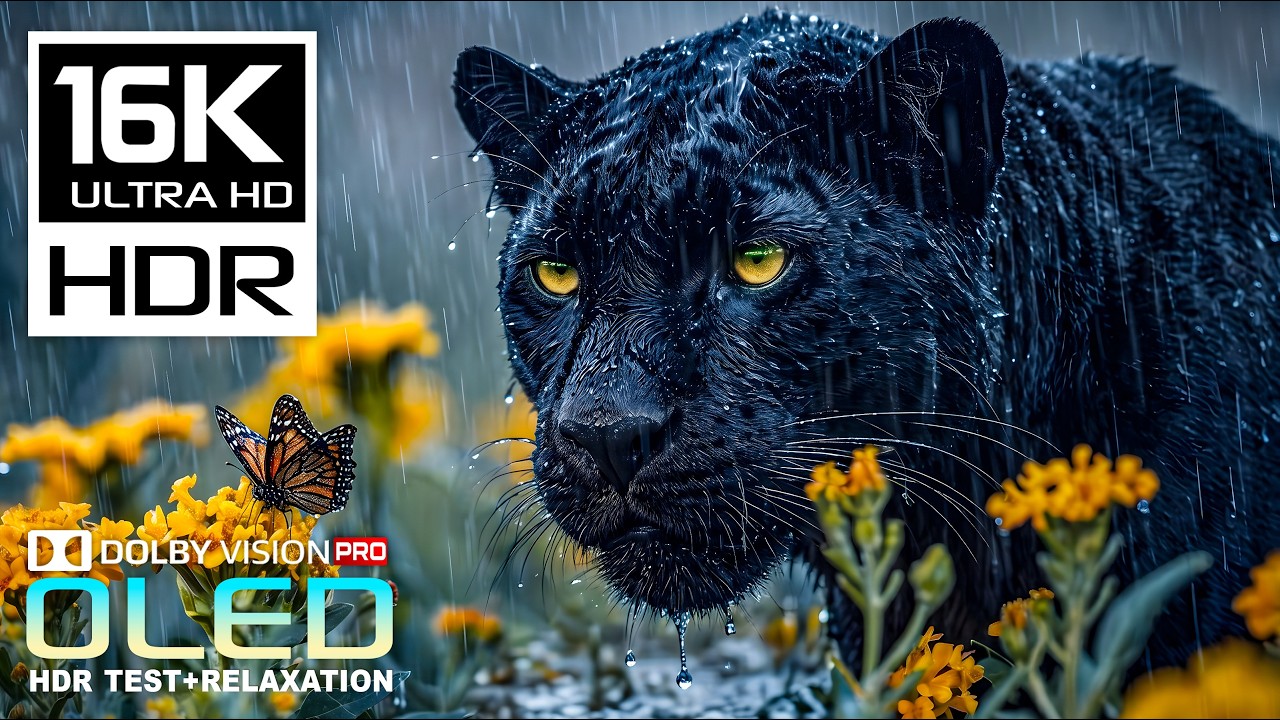
BEST Dolby Vision 4K VIDEO 120FPS | Massive OLED HDR Nature Showcase | 8K/4K TV Demo

BEST Dolby Vision 4K VIDEO 120FPS | Massive OLED HDR Nature Showcase (8K Video/4K Video Songs Ultra HD TV), featuring peaceful nature video 4K and wild animals combined with meditation music, relaxing music, soothing sounds, and deep sleep ambience. Our content is designed to help you unwind, reduce anxiety, and enjoy mindfulness sessions with calming visuals and immersive audio. Perfect for meditation, yoga, study, relaxation, and sleep therapy. You can also use our videos to test your screen devices and experience the ultimate quality: ✅TVs: 4K HDR TV, 8K TV, OLED TV, QLED TV, 12K TV, Samsung TV, LG HDR TV (C1, C2), Sony Bravia HDR TV, Hisense TV, Philips TV, Apple XDR TV ✅Smartphones: iPhone Pro MAX, Samsung Galaxy, Huawei, Xiaomi, POCO, and more We recommend testing your internet bandwidth capacity to fully enjoy the smooth playback of our high-resolution content. 🖥️To enjoy the best 8K resolution experience, make sure you’re using the latest versions of browsers such as Safari, Google Chrome, or Microsoft Edge. 🌍If 8K resolution isn’t showing up in Microsoft Edge, give Google Chrome a try instead. 🌍If 8K resolution isn’t appearing in Google Chrome, consider switching to Microsoft Edge instead. 👉Epic Wild animals and wildlife: https://www.youtube.com/playlist?list=PL8RfAAdr4qWR6sLR61cumFqVGKdyEQNLL 👉More 4K Videos: https://www.youtube.com/channel/UCRauo6y9tx0FB0OLLtqLA-g?gsub_confirmation=1 👉More Relaxing Music Videos:https://www.youtube.com/playlist? list=PL8RfAAdr4qWRMh8FwfzI8ie9D4pDo2SpV 👉More 8K HDR Videos(4320p): https://www.youtube.com/playlist?list=PL8RfAAdr4qWRFCj7KtdkmYExwaNZwqR-W 🌼 Experience Nature Like Never Before! 🌼 Welcome to our channel! Here, we bring you! Stunning 8K Video and 4K Video ULTRA HD of nature and animals set to calming music. This channel is dedicated to offering you a peaceful escape from the daily hustle and bustle. Whether you're looking to relax, meditate, or simply enjoy the beauty of the world around you, our videos are designed to soothe your mind and spirit. Join our community and subscribe for your daily dose of tranquility! 🔶Optimal Viewing Tips: ✅Use updated browsers like Google Chrome and Microsoft Edge to view at 8K Resolution. ✅Enable the HDR option in your settings on your devices. ✅Use an HDR-compatible device for the best experience. ✅Be sure to watch the video to the end to enjoy its full potential. ✅Maximize resolution for unparalleled detail. --------------------------------------------------------------------- 🔶Join this channel to access the perk by clicking on the link: https://www.youtube.com/channel/UCRauo6y9tx0FB0OLLtqLA-g/join --------------------------------------------------------------------- 😀Please like, comment, and share your thoughts on our content. 😀Click the notification bell to be the first to view new releases. Most Popular 8K/4K Videos: ▶️https://youtu.be/7FMYz5PYrIo?si=I9XM5E4hlyrhyj41 ▶️https://youtu.be/-oNr1XWOxG0?si=rQkW3uzhSfaJZA_g ▶️https://youtu.be/ZAclFUt6Jso?si=tpmLs8xSOnlK8E7K ▶️https://youtu.be/DR1pS0Q1Fkc?si=9exkQLar_nXltuKQ ▶️https://youtu.be/U_uuHL_rSsk?si=dovrbmkYqhiLFnUX 🎼 Music Information Original music by this channel. Produced and mastered in 432Hz, 528Hz, and 852Hz healing frequencies. Composed and recorded exclusively for this channel with high-fidelity sound design and professional mastering techniques. Also, paid music was used in this video. 📸Thumbnail: Use Paid Stock Photo. ▶© Disclaimer: 》All the Video Footage used in this video is licensed by 4K Video ULTRA HD. 》Video Footage Copyright Under Standard License. I tried to present the Video in a new way by changing its color. I have done High color correction, Special Effects, Color changing, Log and Raw video editing, HDR color Setting, merged files, 8K and 4K Export files, etc. ------------ ▶ All Credits Goes to YouTube. -------------- oled test,4k video,4k video ultra hd,4k,8k,4k hdr,8k video,12k video,16k video, hdr 4k,hdr video, dolby vision, dolby atmos,4k hdr 60fps,4k 120fps,cinematic video, ultra hd showcase, hdr cinematic, hdr test, hdr demo, hdr showcase, hdr 2026,hdr 4k 120fps,hdr dolby vision, relaxing music, stress relief music, meditation music, sleep music, nature sounds, ambient music,4к видео,видео 4к,8к видео,16к видео,видео 8к,4k 60fps,nature 4k,bgm,8k hdr,8k 60fps,12k hdr,16k hdr,hlg,calming music,soothing music,deep sleep,4k video nature,8к видео 120 fps,видео 16к, 4k映像, 4K视频, 超高清, 4K 영상, 4K वीडियो, video 4K #4kvideo #dolbyvision #relaxingmusic #8kvideo #nature #4k #animals #528hzhealing #wildlife #wildanimals #4k #hdr #stressrelief #dolbyatmos #hdr #colors #4khdr #4kvideo #4kvideoultrahd #8kvideoultrahd #12k #4kvideos #hdrvideo #8khdr #12khdr #highdynamicrange #4kresolution

//