Language Settings
Select Website Language
newshunt
newshunt

Filters

Channels
Topics
Other Filters

Personal Finance: 7 Crucial Tax Rules For Equity, Gold And Property Investors

A Rs 1 lakh gain from equity Mutual Funds does not attract the same Tax as a Rs 1 lakh profit from gold or Real Estate. While Budget 2024 simplified the capital gains tax structure for many asset classes, the actual tax liability still depends on factors such as asset type, holding period and purchase date. For retail investors building a multi-asset portfolio, understanding these rules is important because post-tax returns can vary significantly. The difference between a 12.5 per cent capital gains tax and a slab-rate tax can have a major impact on the final amount received after selling an investment. Budget 2024 moved several asset classes towards a simplified capital gains framework. Long-term capital gains (LTCG) on most assets, excluding certain Debt Funds, are now taxed at 12.5 per cent. Meanwhile, short-term capital gains (STCG) on securities where Securities Transaction Tax (STT) is applicable, such as listed equity shares and equity mutual funds, are taxed at 20 per cent. However, assets such as gold, real estate and international funds continue to follow different rules for short-term gains, with profits taxed according to the investor’s income tax slab rate. For equity mutual funds, exchange-traded funds (ETFs) and listed stocks, the long-term holding period is more than 12 months. Short-term gains are taxed at 20 per cent, while long-term gains are taxed at 12.5 per cent on gains exceeding Rs 1.25 lakh in a financial year. Gold ETFs also qualify for long-term capital gains if held for more than 12 months and attract a 12.5 per cent LTCG tax. However, short-term gains from gold ETFs are taxed as per the investor’s slab rate. Real estate investment trusts (REITs) and infrastructure investment trusts (InvITs) follow equity-like taxation rules, with a holding period of more than 12 months for LTCG. Long-term gains are taxed at 12.5 per cent, while short-term gains attract a 20 per cent tax. Listed bonds held for more than 12 months are considered long-term investments and are taxed at 12.5 per cent. Short-term gains are taxed according to the investor’s slab rate. ALSO READ: ITR Filed? 5 Money Moves You Should Make Before The Year Slips Away Debt mutual funds have seen one of the biggest changes after 1 April 2023. Debt funds purchased after this date no longer receive indexation benefits, and all gains are taxed according to the investor’s slab rate, regardless of the holding period. Debt funds bought before 1 April 2023 continue to follow earlier rules, with long-term gains after 24 months taxed at 12.5 per cent. Gold mutual funds, physical gold, overseas mutual funds, fund of funds (FoFs), foreign equity and international ETFs have a long-term holding period of more than 24 months. Long-term gains from these assets are taxed at 12.5 per cent, while short-term gains are taxed as per the slab rate. Real estate taxation has a special transition rule. Properties purchased before 23 July 2024 offer investors a choice between 12.5 per cent tax without indexation or 20 per cent tax with indexation, whichever results in lower tax liability. However, properties purchased after 23 July 2024 are taxed at a flat 12.5 per cent LTCG rate without indexation benefits. For example, if an investor books a Rs 5 lakh gain from a Large-Cap equity mutual fund after holding it for 14 months, the first Rs 1.25 lakh gain is exempt. The remaining Rs 3.75 lakh is taxed at 12.5 per cent, resulting in a tax liability of around Rs 46,875 before cess. In comparison, a Rs 5 lakh gain from physical gold sold within 20 months would be treated as a short-term gain and added to taxable income. For investors in the highest tax bracket, the tax outgo could reach 30 per cent, making it significantly higher than equity taxation. The removal of indexation benefits for new debt mutual funds has also changed investment decisions for conservative investors. Since gains are taxed at slab rates, many investors have started comparing debt funds with fixed deposits and other fixed-income options based on post-tax returns rather than only pre-tax yields. Investors should also consider taxation while comparing different asset classes. A REIT generating 7 per cent annual returns and a fixed deposit offering 7.5 per cent returns may appear similar before tax, but the final returns can differ significantly because fixed deposit interest is taxed every year at slab rates, while REIT capital appreciation may receive more favourable long-term taxation. For investors, holding period has become one of the most important factors in managing tax liability. Crossing the 12-month threshold for equity investments and the 24-month threshold for gold, real estate and other assets can convert a slab-rate tax liability into a lower 12.5 per cent long-term capital gains tax. ALSO READ: Petrol Could Have Hit Rs 125/Litre During Iran Conflict Without Ethanol Blending: Centre Before selling any investment, investors should check the purchase date, holding period and applicable tax rules. A small delay in selling can sometimes result in meaningful tax savings without changing the underlying investment strategy. Disclaimer: The article is for informational purposes only and not investment advice. (“Disclaimer: This article uses information originally published by Dalal Street Investment Journal (DSIJ). The views expressed are those of the original authors and not necessarily of ABP Network Pvt. Ltd. This content is provided for general informational and educational purposes only and should not be construed as investment, financial, legal or tax advice. Readers are advised to conduct their own research and/or consult a qualified financial advisor before making any investment decisions. This content is for informational purposes only and should not be treated as investment advice. ABP Network, its employees and associates shall not be responsible or liable for any losses or damages arising directly or indirectly from the use of or reliance on this article or any information contained herein.”)

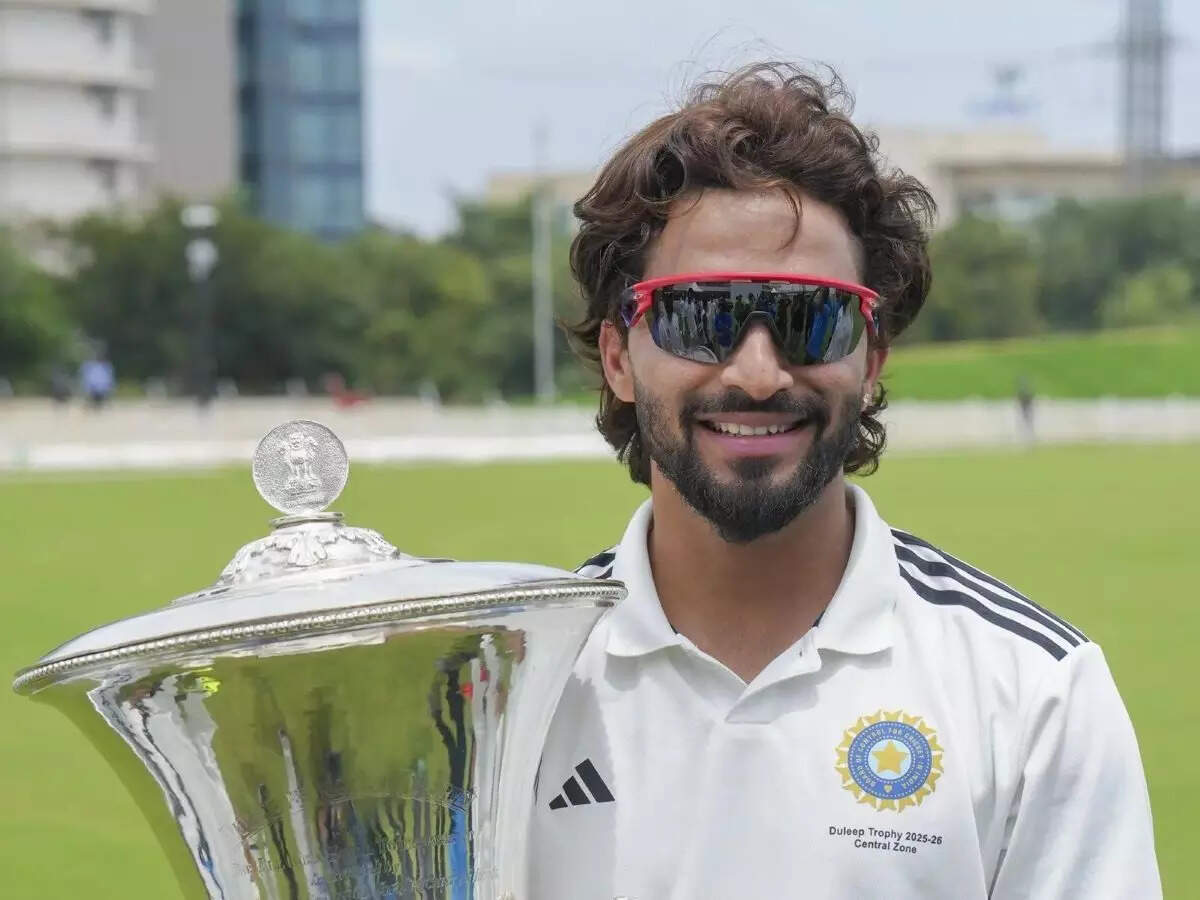
Central Zone hand Rajat Patidar captaincy, Rinku Singh named deputy

Rajat Patidar will captain the Central Zone squad for the upcoming Duleep Trophy tournament. Rinku Singh has been named as his deputy for the prestigious domestic competition. Saransh Jain is expected to miss early matches while with the national Test team. The Central Zone squad features experienced batters and promising young domestic talents. This tournament marks the beginning of India's domestic red-ball cricket season.

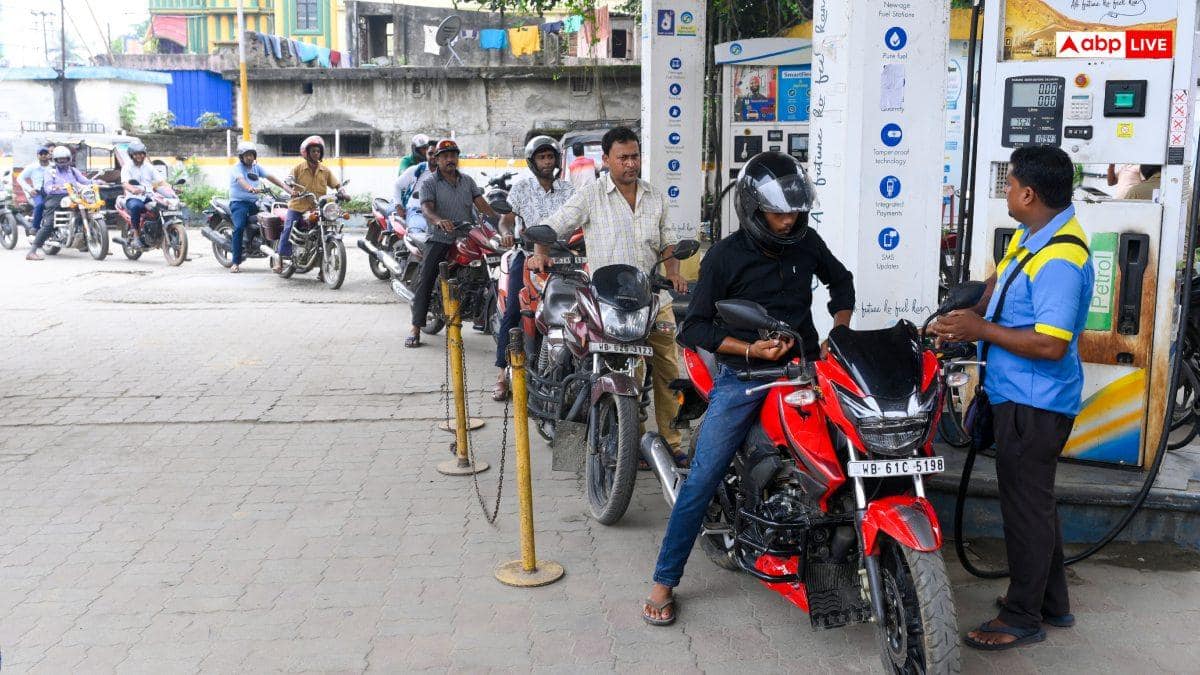
Petrol Could Have Hit Rs 125/Litre During Iran Conflict Without Ethanol Blending: Centre

The Centre has strongly defended the Ethanol Blended Petrol (EBP) Programme, dismissing recent allegations over foodgrain diversion and subsidies as "misleading" and asserting that ethanol blending protected Indian consumers from a sharp spike in fuel prices during the Iran conflict. In a detailed clarification, the government on Friday said the programme is aimed at strengthening India's energy security, reducing dependence on imported crude oil and supporting farmers, while ensuring that food security remains uncompromised, according to the statement. Highlighting the programme's economic benefits, the government said ethanol blending insulated Indian consumers from global crude oil volatility during the recent Iran conflict. Also Read: 'Airports Were Named After One Family': PM Modi's Swipe At Congress During Andhra Visit According to the Centre, when the Indian crude basket surged to around US$135 per barrel, petrol prices in Delhi could have reached around Rs 125 per litre without ethanol blending. Instead, consumers paid Rs 94.77 per litre, as 20 per cent of petrol comprised domestically produced ethanol procured at pre-agreed prices, resulting in savings of nearly Rs 30 per litre during the peak of the oil price surge. 'Food Security Comes First' Rejecting claims that subsidised Food Corporation of India (FCI) rice was diverted to ethanol production, the government said no foodgrain is allocated for ethanol until all obligations under the Public Distribution System (PDS), the National Food Security Act (NFSA), welfare schemes and mandatory buffer stocks have been met. It said only certified surplus stocks, along with damaged grain, broken rice and foodgrain unfit for human consumption, are used for ethanol production. According to the Centre, the programme converts surplus and unusable grain into clean energy rather than diverting food meant for the poor. FCI Rice 'Not The Backbone' Of Ethanol Production The government also rejected claims that ethanol producers received FCI rice at concessional rates, saying its pricing follows the same policy framework as other approved feedstocks such as maize, sugarcane juice and molasses. It noted that FCI rice contributed only 0.02 per cent of ethanol production in ESY 2023-24, with its share rising to 24.64 per cent in ESY 2025-26 only because surplus stocks became available after all food security requirements had been fulfilled.  Also Read: 'No Documents': Tehseen Poonawalla Claims Delhi Police Put Him Under House Arrest Ahead Of Anti-E20 Protest Rs 1.97 Lakh Crore Forex Savings The government said the Ethanol Blended Petrol Programme has so far delivered significant benefits, including: Foreign exchange savings of over Rs 1.97 lakh crore Replacement of more than 316 lakh metric tonnes of crude oil imports Reduction of over 950 lakh metric tonnes of carbon emissions More than Rs 1.66 lakh crore paid to farmers and distillers The Centre reiterated that the programme is designed to reduce India's reliance on imported crude oil, which still accounts for nearly 88 per cent of the country's oil requirement, and serves as a safeguard against global energy shocks rather than a day-to-day fuel price mechanism.

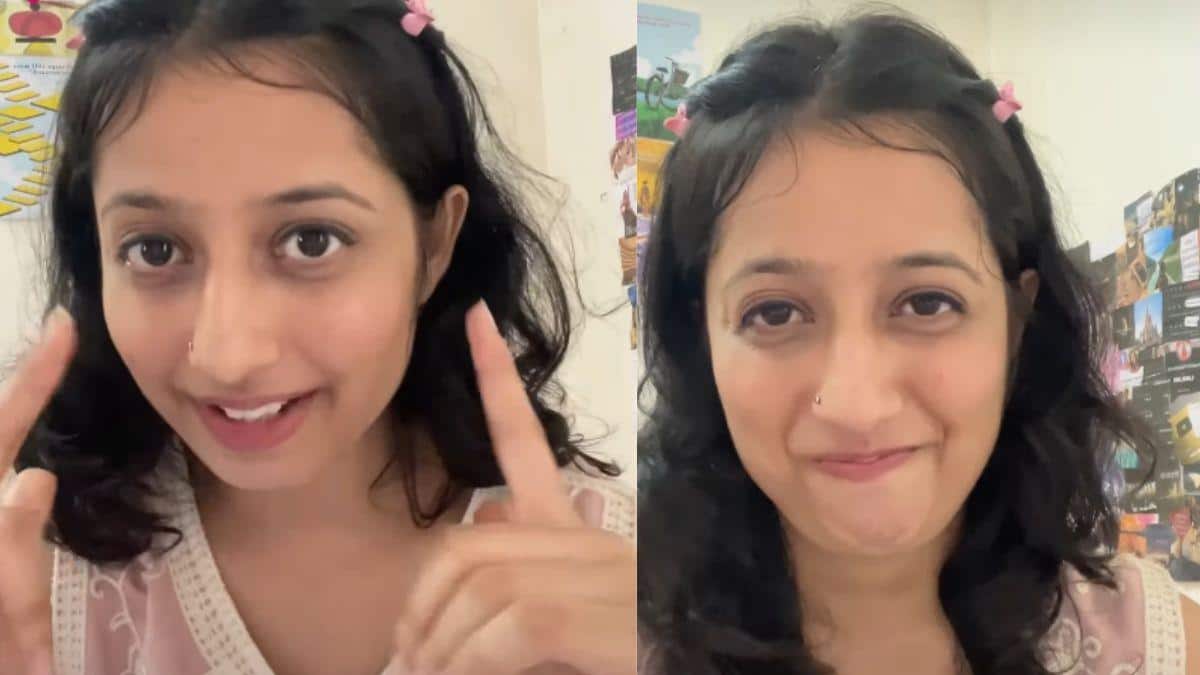
'Your ChatGPT Is Not Giving You Good Responses': Creator's Reply To BJP Goes Viral

A social media post by the BJP's Chhattisgarh unit comparing two versions of "Gen Z" has sparked an online controversy after Mumbai-based content creator and dancer Urwashi Palandurkar alleged that her video was used without permission. The post contrasted Palandurkar's viral protest dance with the achievements of national-level judoka Yogita Mandavi. In response, the creator posted a sarcastic reaction reel questioning the party's messaging and defending her work. The video has since gained widespread attention on social media, drawing support from opposition leaders and reigniting debate around content ownership, political messaging and how young Indians are represented online. BJP's Gen Z Post Sparks Controversy The BJP's Chhattisgarh unit shared a post asking users to choose between two "Gen Z mindsets". One featured a clip of Urwashi Palandurkar labelled "Babar ki virasat par thumke lagane wali Gen Z." The second highlighted 14-year-old national judoka Yogita Mandavi, who recently received the Pradhan Mantri Rashtriya Bal Puraskar from President Droupadi Murmu. कौन सी सोच वाले Gen Z चुनेंगे आप? pic.twitter.com/AXi8zHyrO8 — BJP Chhattisgarh (@BJP4CGState) July 29, 2026 Palandurkar, who has more than 300,000 followers on Instagram, said the party had used footage from her viral NEET protest dance without seeking her consent. According to her, the post resulted in an influx of messages from people checking on her wellbeing.           View this post on Instagram                       A post shared by Urwashi Palandurkar | Dancer | Content creator | (@urwashi_18) 'Your ChatGPT Is Not Giving You Good Responses' Responding through a reel, Palandurkar began with a serious expression before laughing and saying, "No, I am not okay. I am that Gen Z student who is facing all this." She criticised the wording used in the BJP's post, saying, "Your caption game is very weak. Your ChatGPT is not giving you good responses. What is 'Babar ki virasat'? We can't relate to it. Make it more relatable." ALSO READ | Kangana Ranaut Reacts To Ruchika Singh's Apology In PM Modi Abuse Row, Says 'Evil Feminazi, Demonic Leftists' Are Influencing Kids The creator also accused the party of attempting to divide young people. "Divide and rule in 2026? You're trying to divide the same Gen Z whose unity taught Parliament the term 'Gen Z'. Logic is not logicing," she said. Defending her own achievements, Palandurkar revealed she had scored 93 per cent in both Class 10 and Class 12 while actively pursuing dance and content creation. Displaying medals and certificates earned in academics, yoga and karate, she added, "Extra-curriculars and academics can coexist, and I am living proof of it." ALSO READ | Yash's 'Toxic' Trailer To Release On August 8 Ahead Of Global Premiere She also defended dancing during protests, arguing that public performances have traditionally been associated with celebrations and collective expression. Opposition Leaders Share The Video The reaction reel quickly gained traction online and entered the political conversation. Congress leader Rahul Gandhi shared it on his Instagram Story, while Samajwadi Party chief Akhilesh Yadav posted on X: "Those who are companions on the new path, don't think that they are misguided." At the time of writing, the BJP's Chhattisgarh unit had not publicly responded to Palandurkar's allegation that her video was used without permission. The episode has fuelled discussion around political use of social media content, copyright concerns and the growing influence of digital creators in shaping public conversations. It has also highlighted how online campaigns can quickly evolve into wider political debates.  

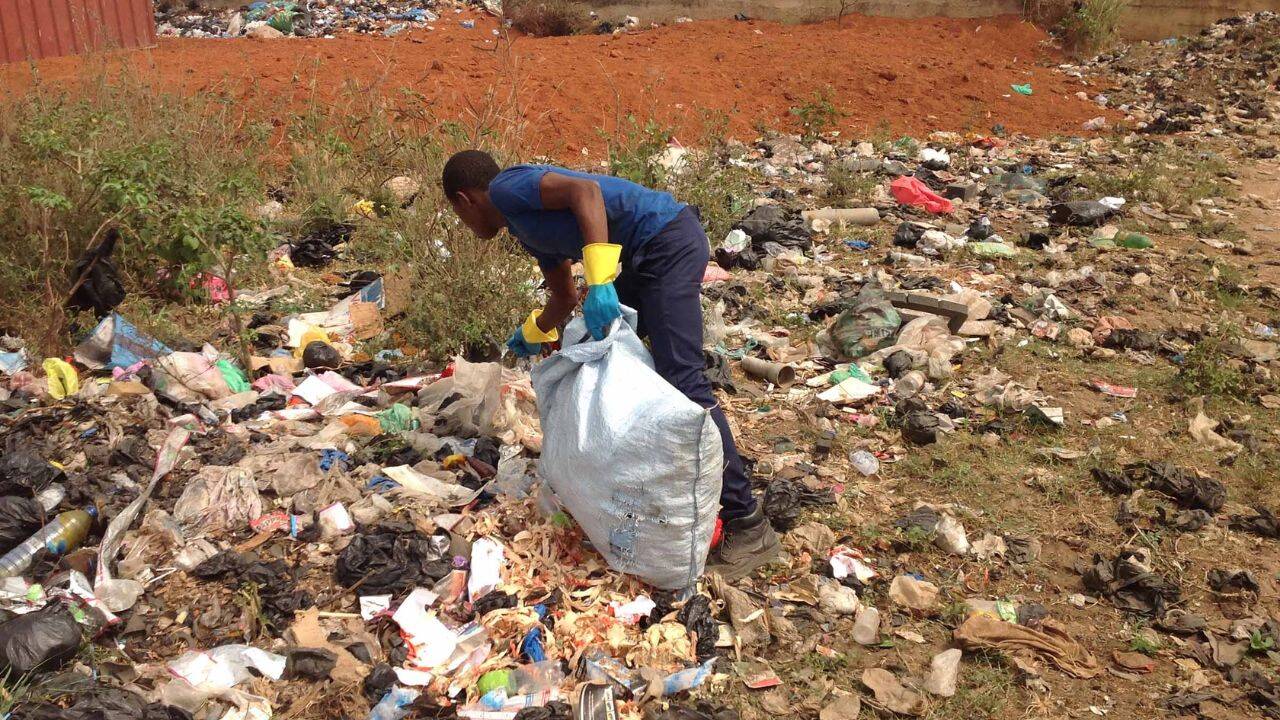
Ghana's capital dumps 300 tons of plastic waste daily, now its turning them into roads cheaper than concrete

Ghana is pioneering a sustainable solution to its plastic pollution crisis by turning waste into economical paving blocks for highways. Led by entrepreneur Nelson Boateng at Nelplast, the initiative compensates plastic collectors, significantly benefiting the community. The resulting paving blocks are not only resilient but also priced competitively against concrete, effectively tackling environmental challenges while providing financial opportunities for many.

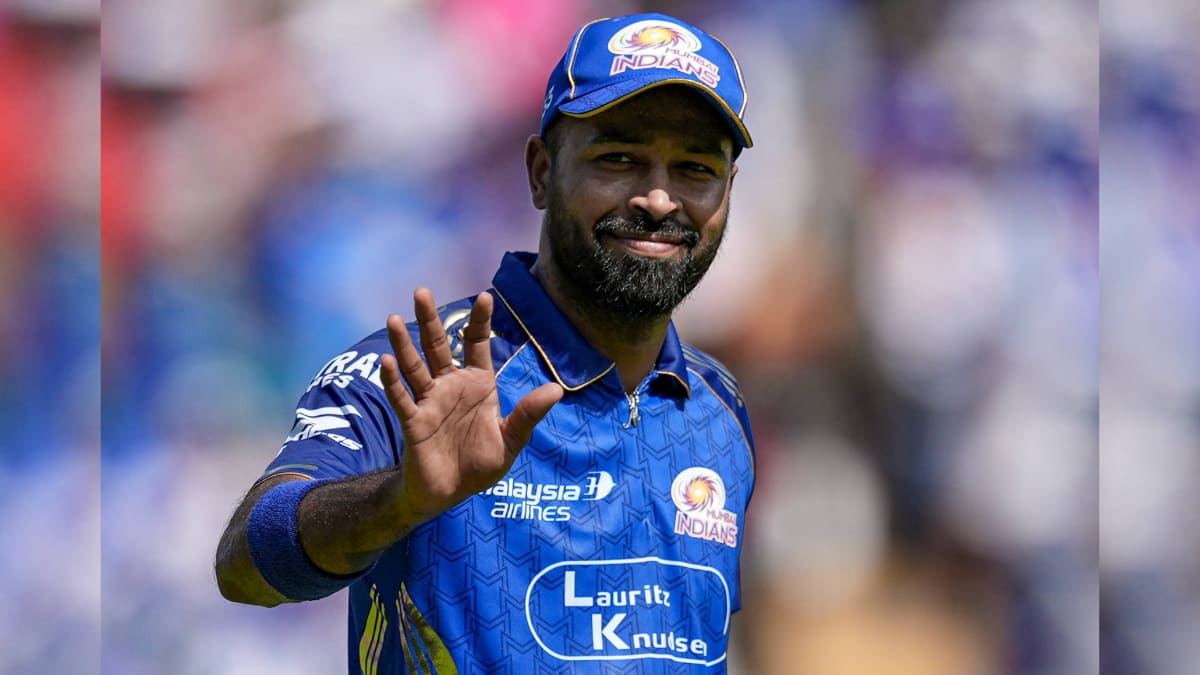
Hardik Pandya's IPL 2027 Future Hinges On Captaincy; CSK, KKR, DC Linked: Report

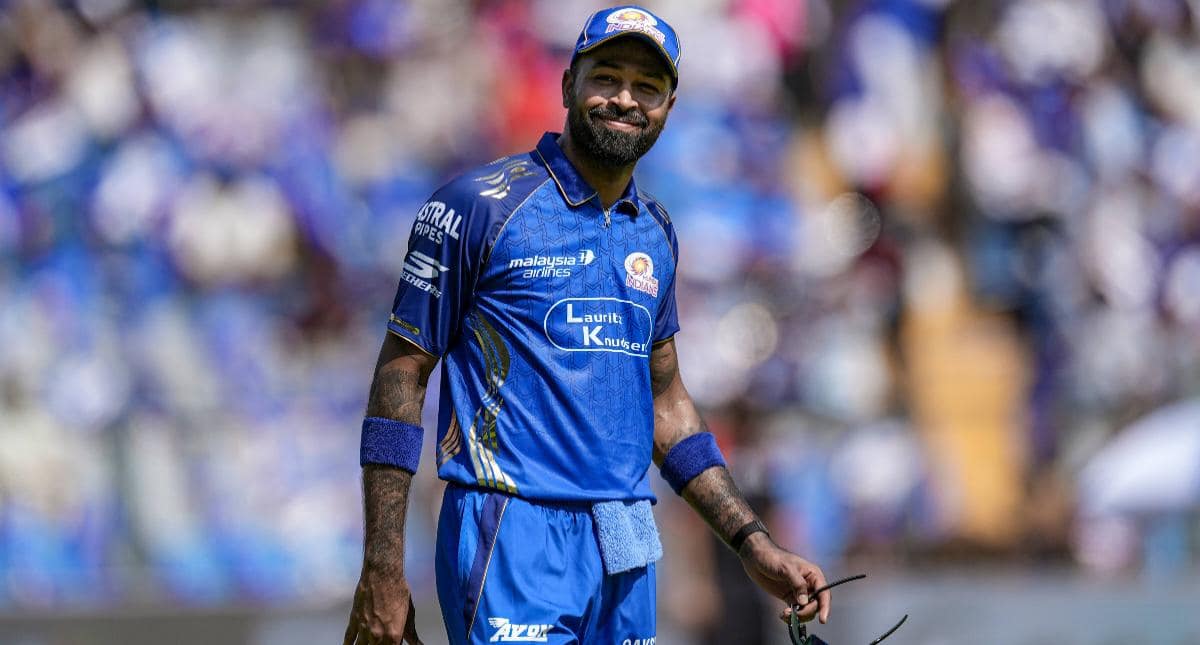
Hardik Pandya's future at Mumbai Indians has once again become a major talking point ahead of IPL 2027. Reports suggest the India all-rounder is looking for another captaincy opportunity if he leaves Mumbai. Chennai Super Kings, Kolkata Knight Riders and Delhi Capitals have all been linked with him, although each franchise faces different challenges before any move can happen. Captaincy Might Be Hardik Pandya's Priority The discussion gained momentum after RevSportz journalist Rohit Juglan shared fresh details about Hardik's reported plans for the next IPL cycle. According to Juglan, captaincy remains the biggest factor in Hardik's decision-making. "Hardik Pandya wants captaincy. He needs captaincy, or rather, he wants captaincy. If he is looking for a captaincy role, will Chennai Super Kings tinker with Ruturaj Gaikwad? As far as my sources are concerned, no." ALSO READ | Suryakumar Yadav Could Quit Mumbai Indians; This MI Star Might Be The Reason That immediately raises questions about Chennai Super Kings. Ruturaj Gaikwad remains CSK captain, and the franchise has publicly backed him despite a disappointing 2026 campaign. Unless that position changes, Hardik may struggle to secure the leadership role he reportedly wants. Juglan believes only one person could change that situation. "One person, however, can change things completely—MS Dhoni. If Dhoni intervenes, only then can all these issues be sorted out. Either he has to convince Ruturaj Gaikwad, or he has to convince Hardik. If either of them agrees, Dhoni will understand the situation, and things can be resolved. If not, the story will take a different turn." For now, no agreement has been reported between CSK and Mumbai Indians. KKR And Delhi Capitals Remain Alternatives If a move to Chennai does not materialise, Kolkata Knight Riders could become serious contenders. The franchise are searching for leadership options and also need an experienced pace-bowling all-rounder. Hardik fits both requirements. Juglan said: "If that happens, Kolkata Knight Riders can easily offer Hardik Pandya the captaincy. They also need a bowling all-rounder, and Hardik fits both roles perfectly. He is a batting and bowling all-rounder and an experienced captain, making him an ideal option." ALSO READ | WATCH: Virat Kohli's Huge Role In Saransh Jain's India Call-Up At 33 Delhi Capitals have also been linked with Hardik. Reports suggest Rishabh Pant has turned down the captaincy after returning to the franchise, leaving KL Rahul and Axar Patel among the current leadership candidates. Juglan explained: "A similar situation exists with Delhi Capitals. As far as I know, Rishabh Pant has declined the captaincy and doesn't want the role. According to my sources, the current options include Axar Patel and KL Rahul, but at this point, KL Rahul is the front-runner. We will see what happens later, but for now, Rahul appears to be the leading candidate." He added that Hardik's arrival would immediately reshape the captaincy race. "However, if Hardik joins Delhi Capitals, the captaincy conversation becomes even more interesting. The contenders would then include KL Rahul, Hardik Pandya, and Axar Patel." Nothing has been finalised, and there has been no official confirmation from Mumbai Indians or the franchises linked with Hardik. With the IPL 2027 auction still some distance away, discussions remain at an early stage. But if Hardik decides captaincy is non-negotiable, his future could become one of the biggest storylines of the next transfer window.

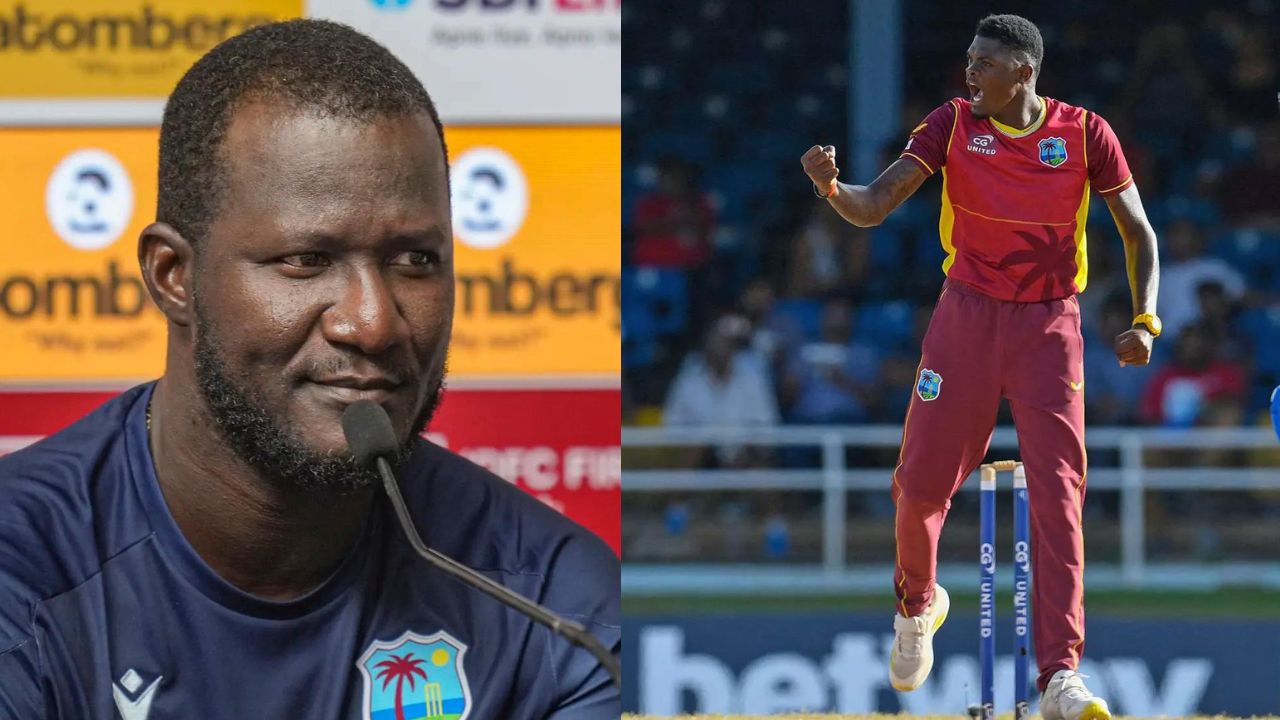
Fallout in West Indies? Alzarri hits back at Sammy over 'declined selection' claim

Alzarri Joseph addressed head coach Daren Sammy's comments regarding his Test series absence. Joseph stated his decision stemmed from physical readiness concerns after a lengthy injury layoff. He explained his body was not prepared for another Test series after recent ODI matches. The fast bowler emphasized his commitment to representing West Indies professionally. Joseph clarified personal relationships do not impact his dedication to the team.

Minnesota's largest coal plant is now wiring 1.7 million solar panels powering 150,000 homes

The largest coal plant in Minnesota is transitioning to embrace renewable energy by hosting a substantial solar farm. Leveraging the existing transmission systems of the coal facility, the Sherco Solar project is now recognized as the most extensive solar installation in the state. This forward-thinking initiative accelerates grid connection for new energy innovations, with exciting plans for future development and battery storage integration.

How Hardik Pandya Could End CSK's Biggest Headache

Chennai Super Kings have built a reputation for identifying quality players through auctions and trades without overspending. However, recent reports suggest the franchise could be prepared to make an exception in its pursuit of Hardik Pandya. Speculation has linked Hardik with a move to CSK, with reports claiming the deal could involve Ayush Mhatre and Shivam Dube, while other reports have mentioned Dewald Brevis instead of Mhatre. No official confirmation has been made by either franchise. Ayush Mhatre is regarded as one of India's brightest young prospects after leading the country to the 2026 Under-19 World Cup title. Shivam Dube, meanwhile, has been a key figure in CSK's middle order and has regularly played the finisher's role. Since Dwayne Bravo's departure, Chennai have often searched for a genuine all-rounder capable of contributing in every department. How Hardik could solve CSK's biggest problem If Hardik were to replace Dube in the squad, CSK would gain a proven all-rounder who can contribute with both bat and ball. While Dube's departure would leave a gap in the middle order, Hardik's versatility would provide captain Ruturaj Gaikwad with far greater tactical flexibility. Hardik's presence would reduce the need to field extra batting all-rounders purely for squad balance, allowing CSK to strengthen their bowling attack with an additional specialist bowler. The middle order could also be reshaped, with someone like Sarfaraz Khan potentially taking on a larger role against spin. Another trade scenario raises concerns Another version of the reported trade suggests Dewald Brevis and Shivam Dube could head to Mumbai Indians instead. If that were to happen, CSK would lose two of their most explosive middle-order batters and finishers in one move. Such a deal would significantly weaken Chennai's batting depth unless suitable replacements are brought in. Planning for a new era CSK also appear to be preparing for the future beyond MS Dhoni. Stephen Fleming has moved on from his coaching role as the franchise is entering a new phase. In that context, a player of Hardik Pandya's experience and leadership could provide valuable support to the team's core, alongside Ruturaj Gaikwad and Sanju Samson, should the high-profile move eventually materialise.

'He could captain India': Why Sooryavanshi was named East Zone vice-captain

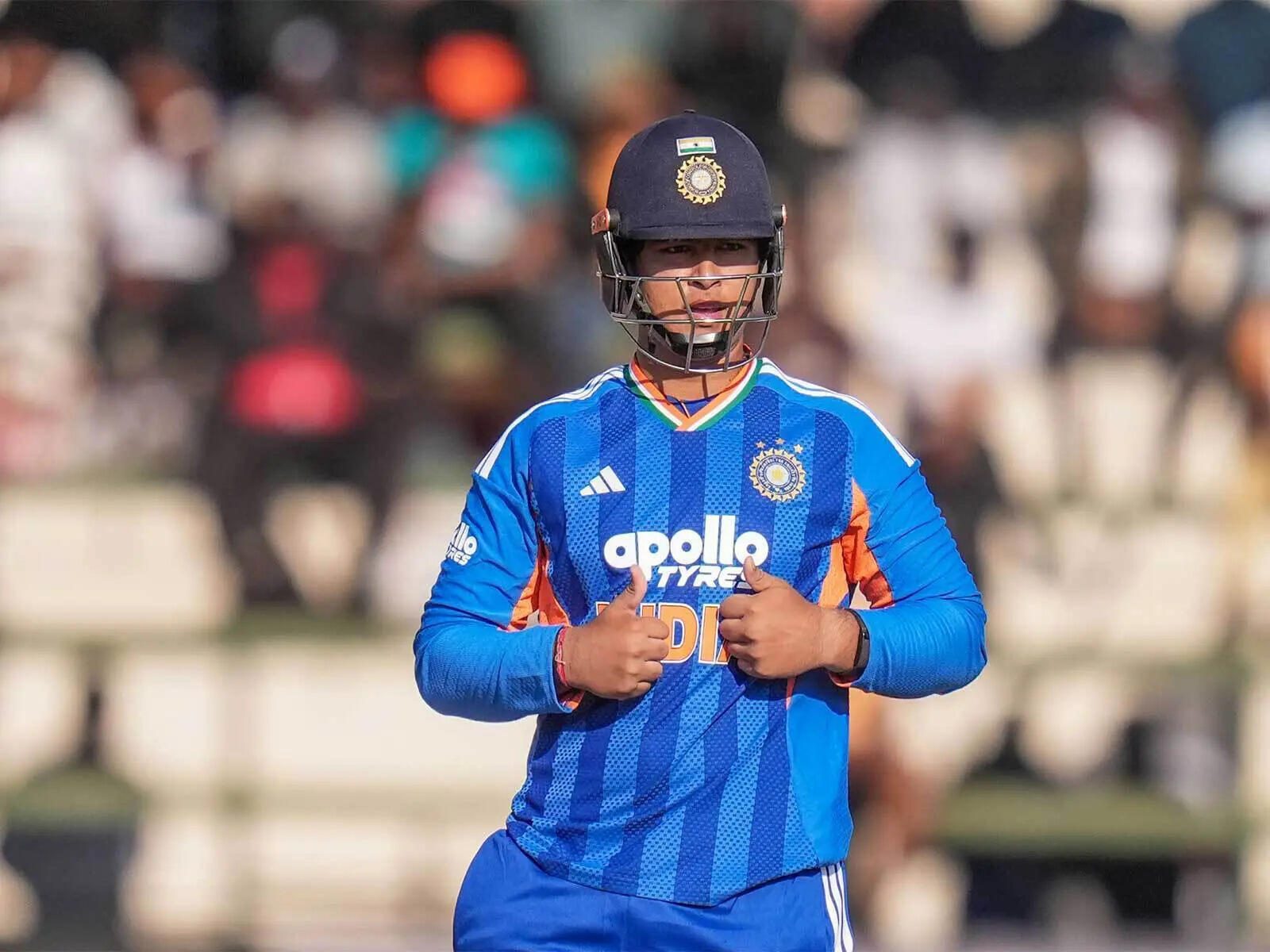
East Zone selectors appointed Vaibhav Sooryavanshi as vice-captain for the Duleep Trophy. This move aims to develop his leadership skills by observing the captain closely. Experienced players like Abhimanyu Easwaran were not considered for this specific role. Ishan Kishan will lead the team as captain, with Sooryavanshi as his deputy. Both players are seen as future prospects for India's cricket setup.

ABP LIVE Doc Talk | Is India Facing A Silent Brain Health Crisis? Experts Explain

India is facing a silent but fast-growing health emergency, and it is playing out not in headlines, but in the delayed diagnoses and missed treatment windows of ordinary patients across the country. Estimates suggest that nearly one in four Indians will face some form of neurological disorder in their lifetime, from stroke and migraine to epilepsy and Alzheimer's disease. A recent global report from the World Health Organisation has put hard numbers behind a trend doctors have flagged for years: neurological conditions now affect a massive share of the world's population, and India is carrying an especially heavy load because of its size, its ageing population, and its changing lifestyles. Patients who have waited months, sometimes years, before being told they need a neurologist are no longer rare cases. Strokes that could have been treated within the critical golden hour, or epilepsy misdiagnosed as something else entirely, are becoming disturbingly common stories in clinics across the country. Why Neurological Disorders Are Rising In India This is happening because three forces are converging at the same time. First, India's population is ageing rapidly. The number of Indians above 60 is expected to nearly triple between 2000 and 2030, and age is one of the biggest risk factors for stroke, dementia, and Parkinson's disease. Second, our lifestyles have shifted. Smoking, poor diets, sedentary routines, and constant stress have all crept into daily life, especially in cities. Third, environmental exposure to air pollution and pesticides is adding a slow, cumulative burden on the nervous system that we are only beginning to fully understand. ALSO READ | ABP LIVE Doc Talk | Melasma, Stretch Marks & Acne: Managing Postpartum Skin There is also a less obvious culprit: diabetes. India is often called the diabetes capital of the world, and uncontrolled blood sugar quietly damages nerves over time. Diabetic neuropathy is now recognised as one of the most common neurological conditions we see, and it is only going to grow unless diabetes control improves at the population level. ALSO READ | ABP LIVE Doc Talk | Brain Rot Or Eye Strain? How Binge Scrolling Affects Your Eyes Shortage Of Neurologists Delays Timely Treatment One of the main reasons for the rise in cases is our inability to treat them in time. India's ratio of neurologists to patients is far worse than that of wealthier nations, and the specialists we do have are concentrated in a handful of big cities. A patient in a small town or village often has no realistic way to reach a neurologist. What happens instead is that they consult a general physician, or worse, an unqualified local practitioner, for conditions like epilepsy or Parkinson's that need expert care. By the time they reach a neurologist, the damage is often already done. Stroke care shows this gap most starkly. A stroke is a medical emergency where every minute counts, yet most parts of the country still lack dedicated stroke units that can act quickly. A condition that is often treatable within a narrow window instead turns into permanent disability or death. Prevention And Better Access Are Key To India's Brain Health This problem cannot be treated with more hospital beds alone. We need prevention pushed down to the community level: blood pressure and blood sugar checks, tobacco cessation support, and basic neurological screening built into primary health centres. We need trained health workers in rural areas who can recognise the early signs of stroke, epilepsy or Parkinson's and refer patients quickly. And we need a proper national policy for brain health, backed by funding. Families also deserve attention in this conversation. Caring for a loved one with a long-term neurological condition is exhausting, and this burden usually falls on women in the household without any formal support. Any national strategy has to account for caregivers too, not just patients. Brain health is not a niche issue anymore. It is becoming one of India's defining public health challenges, and the time to act on prevention, training and access is now, before the gap widens any further.Disclaimer: The information provided in the article is shared by experts and is intended for general informational purposes only. It is not a substitute for professional medical advice, diagnosis, or treatment. Always seek the advice of your physician or other qualified healthcare provider with any questions you may have regarding a medical condition

South Africa released 11 formerly captive elephants onto wild reserves; five years later...

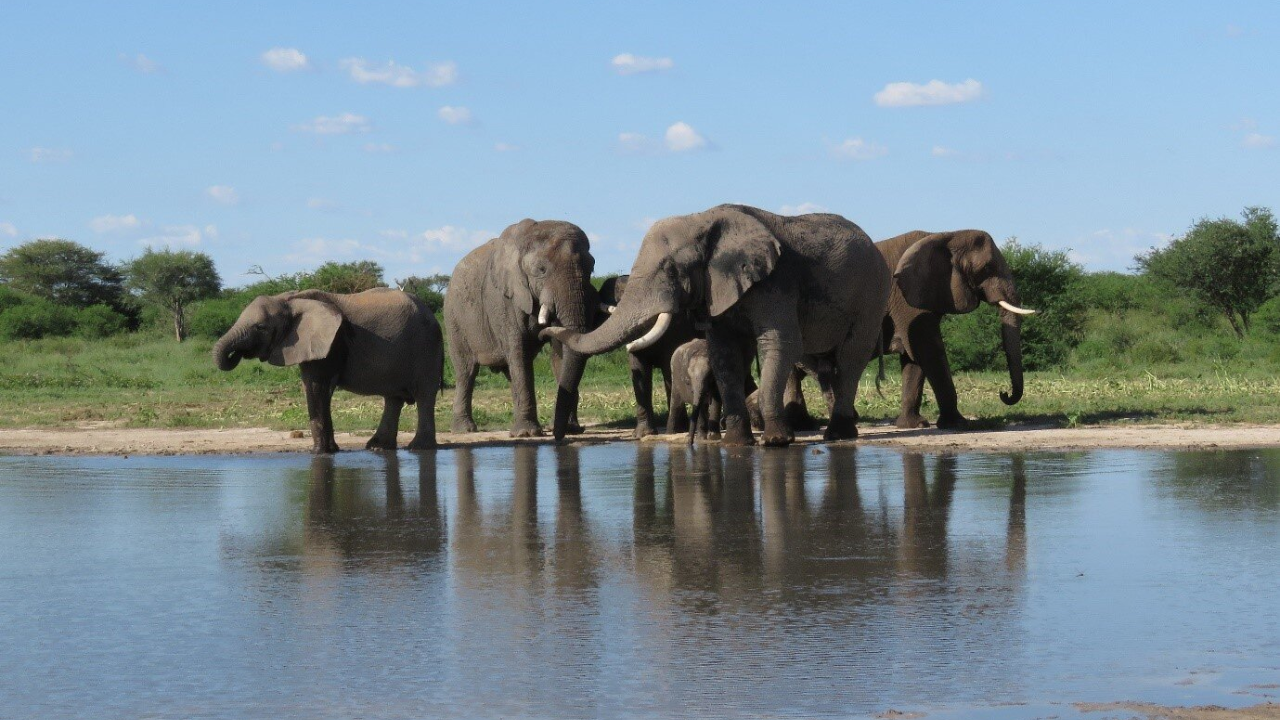
In an inspiring study, South African elephants reintroduced into reserves demonstrated remarkable behavior akin to that of free-roaming herds. Researchers observed that these elephants not only adapted seamlessly to their natural habitats but also maintained optimal stress hormone levels. This research underscores the potential for long-term captive elephants to regain their independence, offering a promising outlook for the conservation efforts throughout southern Africa.

//