Language Settings
Select Website Language
newshunt
newshunt

Filters

Channels
Topics
Other Filters

Samsung Galaxy S26: Is The Rs 88,000 Base Variant Worth The Price? Full Specs Inside

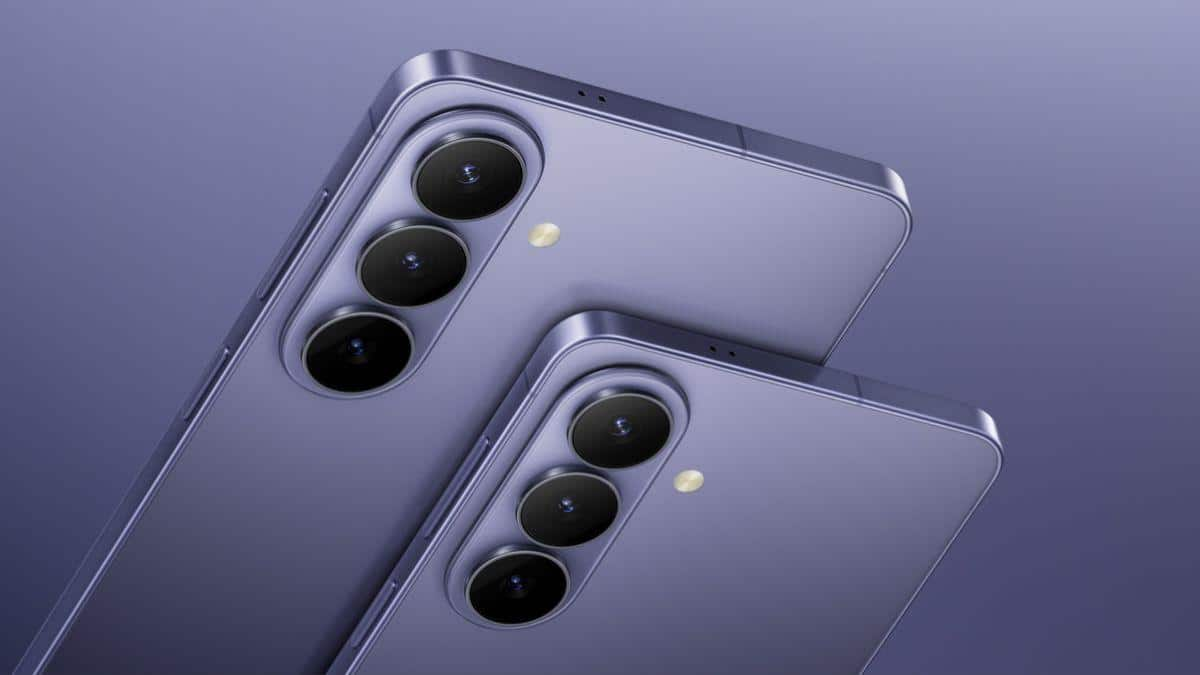
Samsung Galaxy S26: Samsung has launched its new flagship phone, the Samsung Galaxy S26, at the Galaxy Unpacked 2026 event. This is the base model in the S26 series, along with the Plus and Ultra versions. If you don’t want to read long technical details, here is everything explained in very simple English.  From display and speed to camera, battery, and price, this guide covers all the important Samsung Galaxy S26 specs in one place so you can quickly understand what this phone offers. Samsung Galaxy S26 Display The Samsung Galaxy S26 display is 6.3 inches in size. It uses a Dynamic AMOLED 2X screen, which means colours look bright and clear. The resolution is Full HD+, so videos and photos look sharp. It also has a 120Hz refresh rate.  Also Read: Samsung Galaxy S26, S26+ And S26 Ultra Prices Out: Check Complete Price List Before Buying This makes scrolling smooth and gaming feel better. The phone has very thin borders and a small punch-hole for the front camera. It is protected by Gorilla Glass, which helps protect the screen from scratches and small drops. Samsung Galaxy S26 Performance The Samsung Galaxy S26's performance is strong for daily use and gaming. It runs on the new Exynos 2600 processor. This is a powerful chip made by Samsung. The phone also has 12GB RAM, so you can open many apps at the same time without slowing down.  It runs on Android v16, which gives you the latest features and security updates. Whether you are watching videos, playing games, or using social media, the phone feels fast and smooth. Samsung Galaxy S26 Camera The Samsung Galaxy S26 camera setup includes three cameras on the back. The main camera is 50MP, which takes clear and detailed photos. There is a 12MP ultra-wide camera for group photos and landscape shots.  Also Read: Samsung Galaxy S26 Launched With 50MP Camera, & AI Features: Check Price & Features You also get a 10MP telephoto camera with 3x optical zoom and up to 30x digital zoom. The phone can record videos in 8K at 30 frames per second. On the front, there is a 12MP selfie camera that can record Full HD videos and has a screen flash for better selfies in low light. Samsung Galaxy S26 Battery & Charging The Samsung Galaxy S26 battery is 4300mAh. This is enough for a full day of normal use like calling, browsing, and watching videos. If you use it heavily, you may need to charge it once more in the evening.  The phone supports 25W fast charging using a USB Type-C port. Charging speed is decent and good for everyday use. The phone also supports 5G, so you can enjoy fast internet speeds where 5G is available. Samsung Galaxy S26 Price In India The Samsung Galaxy S26 price in India is Rs 87,999 for the 256GB storage version. The storage cannot be expanded, so there is no memory card slot. The phone supports two SIM options: Nano SIM and eSIM.  It is also dust-resistant and water-resistant, which makes it safer for daily use. Overall, the Samsung Galaxy S26 offers a premium design, strong performance, good cameras, and modern features at a flagship price. Overall, the Samsung Galaxy S26 is a premium flagship with a bright display, fast performance, strong cameras, and reliable battery life. It is built for users who want power and style together.

Nationwide HPV Vaccine Rollout Begins Saturday; 14-Year-Old Girls To Receive Gardasil 4

The Union Health and Family Welfare Ministry has decided to roll out a nationwide Human Papillomavirus (HPV) vaccination campaign on February 28, which will be marked from Ajmer, Rajasthan. According to an official letter dated February 25, the health ministry has sent out a letter to all the states to make necessary arrangements for the vaccination programme. "Cervical cancer is a significant public health concern in our country as well as globally. It is caused by HPV, and it is the only cancer which can be prevented by a vaccine. We are committed to encouraging vaccination for girls for the prevention of cervical cancer. Accordingly, the launch of the HPV Vaccination Campaign for all girls aged 14 years has been planned tentatively at 11:30 am on 28 February 2026. The Honourable Prime Minister has kindly consented to launch the campaign from Almer, Rajasthan," the letter noted. The health ministry has stated that during the launch, all States/UTs will connect to the event virtually through a link in coordination with their local NIC, with the presence of Chief Ministers, Administrators and state health ministers, along with health officials from their respective state/ UT headquarters. The Government has decided to vaccinate all the girls aged 14 years across the country with a single dose of the Gardasil 4 vaccine at the Government-run health facilities, such as Ayushman Arogya Mandir primary health centres, community health centres, sub district/district hospitals and Government medical colleges and hospitals. Gardasil 4 is a quadrivalent vaccine that protects against cancers and precancerous lesions caused by HPV types 6, 11, 16, and 18. It specifically helps prevent cervical, vulvar, vaginal, and anal cancers, as well as genital warts. It is designed for both males and females, primarily targeting HPV types 16 and 18, which cause most HPV-related cancers. The centre has also instructed that obtaining consent from the parent/guardian is mandatory before vaccination of girls and that the vaccination may be done over a three-month duration during which the HPV vaccine will be available every day to ensure maximum eligible girls are vaccinated. Thereafter, the vaccine will be available at the same health facility on routine immunisation days. "The concerned officials of all the States/UTs have already been trained by MoHFW on HPV vaccination. The required number of HPV vaccine doses that are commensurate with the target cohort of the respective State/UT have already been supplied," the letter read. Experts Welcome Decision Medical experts welcomed the move to provide cervical cancer vaccination. India accounts for one-third of the world's cervical cancer burden, and this figure can be cut down to a large extent if girls are vaccinated at the right age. The World Health Organisation (WHO) finds that cervical cancer is one such cancer which can be prevented by 80-90% with vaccination. And in India, there are approximately 1.5 crore girls aged 14 years old. "Not only in Delhi, but across the nation, this step will be a game changer for cervical cancer. And just to say, only for cervical cancer would be wrong, but the vaccination will also provide protection from vulvar, vaginal, anal, oropharyngeal and penile cancers. We have done it for COVID vaccination drive. We can do it for this, too. I am taking this initiative to do it for Delhi and am sure the Government will support and encourage me in doing so," said Dr Pragya Shukla, HOD (Clinical and Preventive Oncology), Delhi State Cancer Institute. India has already been importing the HPV vaccine, mostly produced by US-based Merck & Co. Merck’s Gardasil vaccine has two variants:  quadrivalent vaccine known as quadra 4, and nonavalent 9, which is the latest vaccine. Gardasil 4 costs around Rs 3,957 per dose, while the per-dose cost of Gardasil 9 is around Rs 11,000. The complete schedule has three doses taken at zero, 2, and 6 months. "Until now, HPV vaccination in India has largely been driven by the private sector, which meant uptake was limited due to high costs and low public awareness. Conversations around the vaccine were mostly confined to gynaecologists and doctors in urban centres. States like Sikkim demonstrated how strong promotion and organised delivery can achieve good coverage, but at a national level, awareness remained inadequate," said Dr Amit Upadhyay, Senior Consultant Haematologist and Oncologist, PSRI Hospital. As per ICMR, with 123,000-127,500 new cases and 75,000-80,000 fatalities each year, cervical cancer is the second most frequent malignancy among Indian women. The 5-year survival rate is approximately 48.7%, and 60–70% of cases are diagnosed at advanced stages, accounting for nearly 10% of all cancer-related fatalities in the nation. "The current move is therefore a very welcome step. If adolescent girls are vaccinated at scale, we can expect a significant decline in cervical cancer rates in the coming years. However, certain social and logistical challenges will need to be addressed. Since the vaccine is administered to girls around 9-14 years of age, myths, cultural hesitations and lack of information, particularly in rural areas, may affect acceptance. Alongside awareness, robust last-mile delivery and counselling will be critical for the programme’s success,” Dr Amit noted. According to last year's ICMR study, the Southeast Asia Region ranks second, contributing 29.59% of global cervical cancer cases and 34.12% of deaths, with India alone reporting 127,526 new cases and 79,906 deaths in 2022. Persistent high cervical cancer death rates in India after 2016 suggest that VIA-based screening alone is insufficient. Almost 60-70 % of cases are detected at advanced stages because many Visual Inspection with Acetic Acid (VIA) screen-positive women do not undergo colposcopy for confirmation or receive timely treatment due to a variety of barriers. In states like Delhi and Punjab, the Government had initially announced free HPV vaccine to adolescent girls. The vaccination programme was made available in the State-run Delhi State Cancer Institute (DSCI). However, the programme was discontinued owing to high cost. "Delhi State Cancer Institute has launched the first free HPV vaccination drive in the nation. However, unfortunately, there were issues due to the pandemic. Earlier this month, on World Cancer Day, we launched our initiative by the name of CAPS for Cancer Awareness Prevention and Screening. We shall be providing community-based screening for breast and cervical cancers, along with addressing myths related to cancer. This initiative also aims to incorporate free HPV vaccination based on the availability of resources, which we are very optimistic about," Dr Pragya added. Gardasil 9 is an imported vaccine that protects against nine strains; the initial manufacture and distribution expenses are greater. Logistics and overhead often result in slightly higher prices in cities such as Bengaluru, Pune, and Mumbai. Cold chain management is also very important. HPV vaccinations must be stored at precise temperatures from the producer to the clinic to your arm. That level of regulated transportation necessitates specialised equipment and qualified personnel. Recombinant 9-valent HPV vaccine prepared from the purified virus-like particles of the major capsid (L1) protein of HPV Types 6, 11, 16, 18, 31, 33, 45, 52 and 58. Apart from Gardasil, Pune-based Serum Institute of India (SII) had in 2022 announced manufacturing the first indigenous vaccine for the prevention of cervical cancer. Cervavac was launched in January 2023 for commercial use and is available in private hospitals at Rs 2,000 for two doses. It protects against HPV types 16 and 18, which are responsible for most cervical cancer cases. Gardasil 9, meanwhile, covers nine strains, making it broader but also more expensive. "Gardasil has been available in India through private channels, but its reach was limited due to cost and accessibility. We have been spearheading vaccination campaigns in India for the past six years, reaching less than 1% of girls aged 9-14. While indigenous vaccines are available at a lower cost, their usage was halted after the Supreme Court raised concerns about insufficient supporting studies," said Dr Rita Kalra, Rotary District 3080 Coordinator for HPV Vaccination. Dr Kalra added, "Awareness remains modest. Many parents hesitate because the vaccine requires consent and is voluntary. Acceptance will only grow through health education and community mobilisation. We have consistently worked to spread awareness through advocacy, seminars, and school-based campaigns, and will continue to play this role to ensure the programme’s success."  (Ghosh is an independent journalist with a focus on health, climate change, environment and human interest stories. She is also a research contributor for Media Mavericks)

How IPL Was Born: The Vision, Controversies, And Early Hurdles

Indian Premier League (IPL) 2026 is around the corner, with new season likely to begin in the last week of March or early April. Preparations are already in full swing, as squads including Chennai Super Kings and Lucknow Super Giants have started intensive training camps ahead of the 19th edition. As anticipation builds, here's a detailed look at how Indian Premier League began, who conceptualised it, and the hurdles it faced before becoming a global phenomenon. Who Proposed IPL? The idea of launching IPL was conceived by Lalit Modi, who was serving as BCCI vice-president at the time. Riding on the surge in popularity of T20 cricket after India's 2007 T20 World Cup triumph, Modi envisioned a city-based franchise tournament that would blend cricket, entertainment, and business. Sharad Pawar, then BCCI President, provided crucial administrative backing. His support ensured institutional approval and helped transform the concept into an official tournament. The league introduced a franchise model in which city-based teams were owned by private entities, featuring players from across the globe who were signed through auctions. Challenges Before Launch When the proposal was first presented, BCCI had reservations. Organising a large-scale league with international players, aligning it with the global cricket calendar, and managing logistics across cities appeared daunting. Also, the franchise-based system was new to Indian cricket and required heavy investment along with lucrative broadcast deals. However, after persistent efforts and successful bids from corporate houses, the project gained momentum. With financial commitments secured and operational plans in place, IPL was officially launched. When Did IPL Begin? The inaugural IPL season was held in 2008, featuring eight teams. It marked a turning point in Indian cricket by combining sport with glamour and commercial scale. The first title was won by Rajasthan Royals, whose triumph validated the league's format. Over the years, IPL has evolved into one of the world’s most watched T20 competitions. What began with eight teams has now expanded to ten, transforming the tournament into a global sporting and commercial powerhouse while boosting Indian cricket’s financial strength.

IPL 2026: List Of Global Titans Battling To Buy Royal Challengers Bangalore

Fresh off their historic maiden IPL title in 2025, Royal Challengers Bengaluru (RCB) is now the crown jewel of global sports investments. With current owner Diageo (United Spirits Ltd) officially launching a sale process through Citigroup, the franchise is commanding a staggering $2 billion (approx. ₹17,000 crore) valuation. As March 31 deadline approaches, a mix of Indian billionaires and global sports moguls have lined up to seize the IPL's most valuable brand. Here is the full list of parties currently in the multi-billion-dollar hunt: Global Heavyweights Avram Glazer (Lancer Capital): Manchester United co-owner has reportedly submitted a massive $1.8 billion bid. After failing to win an expansion team in 2021, the Glazer family is desperate for an IPL entry to add to their portfolio, which includes the Tampa Bay Buccaneers (NFL) and Desert Vipers (ILT20). David Blitzer: The US billionaire and co-founder of Harris Blitzer Sports & Entertainment is conducting due diligence on RCB. Blitzer already owns stakes in the Philadelphia 76ers (NBA) and New Jersey Devils (NHL) and is looking for a majority stake. EQT Private Capital: This Sweden-based global investment firm is eyeing the IPL’s technology and healthcare-linked consumer base to expand its active ownership portfolio in Asia. The Indian Tycoons Adar Poonawalla (Serum Institute of India): On January 22, the Poonawala confirmed on X that he will submit a "STRONG and COMPETITIVE" bid. Poonawalla has previously called RCB a prime investment at the right valuation. Adani Group: After losing out on the Ahmedabad franchise to CVC Capital in 2021, Gautam Adani’s conglomerate is reportedly back in preliminary conversations with Diageo to finally secure an IPL foothold. Parth Jindal (JSW Group): While JSW co-owns Delhi Capitals, Jindal is reportedly interested in RCB. However, BCCI rules prohibit cross-ownership; he would have to entirely divest his stake in DC before acquiring the Bengaluru franchise. Manipal Group: Run by Dr. Ranjan Pai, this education and healthcare giant is in consortium talks (possibly with Temasek) to bring the franchise back to its local roots. Corporate & Media Bidders Times Group (BCCL): India's largest media conglomerate is reportedly exploring an acquisition to dominate the sports-digital landscape. Capri Global Capital: A major NBFC with assets over ₹30,000 crore, Capri Global is already an active sports investor (UP Warriorz in WPL) and is looking to step up to the men's IPL. Sanjay Govil: The Indian-American founder of Infinite Computer Solutions and owner of Washington Freedom (MLC) is looking to bridge his US sports success with the IPL. Blackstone & Carlyle Group: Leading US private equity firms are reportedly evaluating a stake, viewing the IPL as a high-growth asset ahead of the next media rights cycle. The Wildcards Anushka Sharma & Ranbir Kapoor: Reports suggest these Bollywood stars are involved in consortium-level talks. Anushka is reportedly exploring a 3% stake (approx. ₹400 crore), while Kapoor is eyeing a 2% share to add to his Mumbai City FC (ISL) experience. Sukesh Chandrashekhar: In a bizarre turn, the jailed conman reportedly offered a $1 billion all-cash bid, though experts have dismissed this as a publicity stunt. (Disclaimer: The names mentioned in this article are based solely on reports. ABP Live has not verified or confirmed the accuracy of these names.)

Under-16 Social Media Ban? The Urgent Push To Make the Internet Safer For Children

By Zakir Hussain Rangwala In today’s digital world, children are growing up with smartphones, tablets, online games, and social media. The internet helps them learn, explore creativity, and stay connected with friends. However, along with these benefits, there are serious risks. Cyberbullying, online predators, gaming addiction, harmful content, identity theft, and screen dependency are rising concerns. Many children do not fully understand how to protect their personal information or recognise online dangers. As a result, parents, schools, and governments are becoming more alert about digital safety for minors. One of the biggest concerns today is unrestricted access to social media platforms. Children under the age of 16 are often exposed to inappropriate content, negative peer pressure, and unrealistic comparisons that affect mental health. There have also been cases where minors were targeted through fake profiles or manipulated into sharing personal photos and information. In response to these growing risks, discussions around stricter digital regulations have started across India. Andhra Pradesh has shown strong concern about children’s social media usage, and there are conversations about introducing restrictions or even a possible under-16 social media ban to protect minors. Other states are also exploring similar measures to limit early exposure to social platforms and reduce online harm. While such steps may take time to be implemented, they reflect the seriousness of the issue. Responsibility Still Lies With Parents Despite possible regulations, the primary responsibility still lies with parents and guardians. Open communication is the first and most important step. Parents should regularly talk to their children about online behaviour, privacy, and the risks of sharing personal information. Children should feel comfortable reporting anything unusual or uncomfortable they experience online. Instead of strict punishment, guidance and awareness work better in building trust. Parental control tools are also becoming more advanced and user-friendly. Most smartphones, tablets, and internet service providers now offer built-in parental control features. These tools allow parents to set screen time limits, block inappropriate websites, monitor app downloads, and filter content based on age. Social media platforms also provide privacy settings that can restrict who can view posts, send messages, or comment. Activating these settings can significantly reduce risks. In addition, using secure passwords and enabling two-factor authentication on children’s accounts adds another layer of safety. Another important step is educating children about digital responsibility. They should understand that whatever they post online can leave a long-term digital footprint. Teaching them about kindness, respectful communication, and the importance of not engaging with strangers online can prevent many problems. Schools can also play a strong role by including cyber safety awareness programs in their curriculum. Tech Is Not The Only Enemy Technology itself is not the enemy. The goal is not to completely block children from the digital world, but to guide them in using it safely and wisely. Balanced screen time, supervised access, and safe online habits can help children enjoy the benefits of the internet without falling into its dangers. As digital use continues to grow in 2026 and beyond, protecting children online must become a shared effort between families, schools, technology companies, and governments. Whether through parental controls or proposed regulations like under-16 social media restrictions in states such as Andhra Pradesh and others, the focus should remain clear: keeping children safe while helping them grow confidently in a connected world. (The author is the CEO of BD Software Distribution Pvt Ltd) Disclaimer: The opinions, beliefs, and views expressed by the various authors and forum participants on this website are personal and do not reflect the opinions, beliefs, and views of ABP Network Pvt. Ltd.

Baby Macaque Punch From Ichikawa City Zoo Sparks Global Frenzy, Orangutan Plushie Sells Out

A tiny macaque named Punch from Ichikawa City Zoo has become an international sensation after a video of him clinging to a stuffed orangutan toy melted hearts across social media. The infant monkey, abandoned by his mother shortly after birth, was hand-raised by zoo staff near Tokyo and given a plush companion from IKEA’s Djungelskog collection for comfort. What began as a tender gesture soon turned into a viral phenomenon. In one widely circulated clip, Punch is seen being dragged across the enclosure by a larger macaque. Moments later, he scampers back to his stuffed orangutan and clutches it tightly. The emotional scene struck a chord with viewers worldwide, transforming the small zoo resident into an unexpected global icon. IKEA Djungelskog Orangutan Plushie Sells Out In Japan & Abroad Punch’s newfound fame has had a dramatic commercial ripple effect. The orangutan soft toy from IKEA, originally retailing at $14.99 in Canada, has sold out in Japan and multiple international markets. Online resale platforms have seen listings soar, with prices on eBay ranging from $100 to as high as $301, as per a report on Wion. The Djungelskog line was originally introduced as part of IKEA’s sustainability-focused initiatives, aimed at raising awareness about endangered wildlife. The orangutan plushie symbolises primates threatened by habitat destruction, deforestation and human exploitation. Ironically, a toy designed to spotlight conservation issues has now become a must-have collectible due to a single zoo animal’s attachment. Abandoned Macaque’s Viral Moment While Punch’s story appears heartwarming on the surface, it has also prompted deeper conversations about primate welfare. Macaques are among the most commonly used animals in biomedical research worldwide, frequently involved in pre-human clinical testing. Their widespread use has long sparked ethical debates about animal rights and scientific necessity. Punch’s reliance on a stuffed toy for comfort underscores the vulnerability of primates raised in captivity. His bond with the orangutan plushie has become symbolic—not just of emotional resilience, but also of the fragile circumstances many primates face in human-controlled environments. Viral Fame Triggers Global Conservation Conversation What began inside a single enclosure in Japan has evolved into a broader reflection on humanity’s relationship with animals. Punch’s rise to internet stardom bridges compassion, consumer behaviour, and conservation awareness. His story highlights how quickly viral content can shape purchasing trends while simultaneously bringing attention to pressing ethical issues. Beyond the charm of a baby monkey hugging a toy, Punch’s journey invites a larger dialogue about endangered species protection, habitat preservation, and the responsibilities humans bear toward the animals they adore, commercialise, and sometimes endanger.

ABP Live Doc Talk | Not Just A Baby Problem: Why Congenital Heart Defects Matter For Adults As Well

Congenital heart defects are usually associated with newborn intensive care units and early surgeries, so many people assume the condition belongs entirely to childhood. Families often feel that once an operation is completed and a child begins growing normally, the heart problem has been “fixed.” Medicine, however, tells a more layered story. A congenital heart defect simply means the heart formed differently before birth. Some conditions are minor and need only monitoring, while others require surgery or catheter procedures early in life. Thanks to major advances in paediatric cardiology, survival rates have improved dramatically. Today, most children born with heart defects grow up, attend college, work, travel, and build independent lives. What has changed is not the condition itself, but how long people now live with it. ALSO READ: ABP Live Doc Talk: Before You Throw That Gulal, Know The Hidden Eye Risks Linked To Holi Colours A Repaired Heart Still Needs Attention Even after successful treatment, the heart may function differently from one that developed typically. Surgical repairs often redirect blood flow or support weakened structures rather than restore anatomy completely. Over years, valves can leak, heart rhythms may become irregular, or certain chambers may work harder than intended. These changes usually develop gradually. Young adults may simply notice getting tired more easily, occasional palpitations, or breathlessness that feels out of proportion to their usual activity. Because symptoms develop slowly, they are easy to dismiss as stress or lack of sleep. Regular follow-up helps identify these changes early, long before they begin affecting quality of life. The Transition Gap Many Young Adults Face One of the most common challenges occurs during late adolescence. As children move from paediatric care into adult healthcare systems, follow-up visits often become irregular. College schedules, relocations, and new independence push medical appointments lower on the priority list. Years can pass without evaluation, especially when individuals feel well. Unfortunately, congenital heart disease does not disappear with age. Small issues that could have been monitored early sometimes resurface later with greater complexity. Specialised adult congenital heart clinics now exist precisely to bridge this gap, offering care suited to changing physical and lifestyle needs. Important Life Stages That Need Planning Some life stages need a little extra planning. Pregnancy, for instance, puts added strain on the heart. Many women with congenital heart defects go through pregnancy safely, but a cardiac check-up beforehand helps anticipate risks and plan care better. Exercise is often misunderstood in congenital heart disease. Staying active is usually beneficial, but the level of intensity may need personal adjustment. Proper medical advice helps keep activity safe without unnecessary limitations. Living Fully, With Awareness A diagnosis of congenital heart disease no longer defines limits in the way it once did. Most adults lead active, productive lives, often forgetting they were ever cardiac patients. The goal of long-term care is not restriction but reassurance, understanding how the heart changes over time and responding early when needed. Congenital heart defects start before birth but don’t end in childhood. With regular follow-up and informed choices, most individuals can move through adulthood with confidence while keeping their heart health on track. Disclaimer: The information provided in the article is shared by experts and is intended for general informational purposes only. It is not a substitute for professional medical advice, diagnosis, or treatment. Always seek the advice of your physician or other qualified healthcare provider with any questions you may have regarding a medical condition.

4 Indian American scientists win $75,000 each at one of America’s most elite research honours, crowned 2026 Sloan Research Fellows

Four Indian American researchers have been honoured as 2026 Sloan Research Fellows, a prestigious early-career recognition. Their groundbreaking work in cryptography, statistics, AI reliability and quantum computing from Carnegie Mellon University and MIT highlights the significant contributions of diaspora scientists. This award provides crucial support for their transformative research endeavours.

National Hindu Conference hosted by VHP to prioritise South Africa’s challenges

Johannesburg, Feb 25 (PTI): The National Hindu Conference to be hosted by the Vishwa Hindu Parishad South Africa in Pretoria on Saturday will discuss ways of addressing the various challenges facing the country. The conference will bring together spiritual leaders, academics, professionals, youth representatives and community organisations from across South Africa under the theme: “The National Reset – A Vision for a Progressive South Africa”. The conference follows the success of the inaugural national gathering held in 2024, which united dozens of Hindu organisations in a shared call for greater cohesion, advocacy and representation. This year’s event aims to move beyond dialogue into structured action, outlining practical steps for community development and national contribution. According to VHP South Africa Secretary-General Pravesh Hurdeen, the theme reflects both “urgency and optimism”. “South Africa is at a crossroads. Communities across the country are grappling with economic uncertainty, youth unemployment, social fragmentation and mental health challenges. The concept of a ‘National Reset’ calls on us to draw from the timeless wisdom of Sanatana Dharma while actively contributing to solutions in the present,” Hurdeen said. The conference programme will include plenary sessions, panel discussions and breakout workshops focusing on cultural identity, ethical leadership, social wellness and civic participation. The organisers have indicated that discussions will explore how Hindu philosophical principles and spiritual values such as “dharma (duty), seva (selfless service) and ahimsa (non-violence) can inform ethical governance, community upliftment and interfaith harmony”. The conference comes at a time when the government of national unity led by President Cyril Ramaphosa is facing many challenges, including revelations over the past few months that corruption is rampant among senior officials in government and the police services. The country is also facing huge water shortages due to decades of infrastructure not being maintained. In addition to spiritual and cultural discussions, the conference will address practical concerns such as representation in public institutions, the promotion of holistic health practices like yoga and Ayurveda, and strategies to strengthen collaboration between Hindu organisations and broader civil society. The event will conclude with a strategic framework aimed at strengthening unity among Hindu bodies and enhancing coordinated engagement with national development initiatives. PTI FH GSP GSP(This story is published as part of the auto-generated syndicate wire feed. No editing has been done in the headline or the body by ABP Live.)