Language Settings
Select Website Language
newshunt
newshunt

Filters

Channels
Topics
Other Filters

‘Weak Detailing By Aditya Dhar’: Internet Trolls Dhurandhar 2 Makers For Demonetisation Date Goof-Up

The Central Board of Film Certification (CBFC) has granted an ‘A’ certificate to Dhurandhar: The Revenge, starring Ranveer Singh and directed by Aditya Dhar. The film runs for 229.6 minutes, which means 3 hours and 49 minutes. This makes it around 16 minutes longer than Dhurandhar, which had a runtime of 214.1 minutes - 3 hours and 34 minutes. ‘Weak Detailing By Aditya Dhar’ Following this, the film’s censor certificate has been doing the rounds on social media, and people have been trolling Aditya Dhar for getting the date of demonetisation wrong.  One person wrote on X (formerly Twitter), “Dhurandhar The Revenge Peek detailing by Aditya Dhar. Gets the demonitisation date wrong. Like I said, this movie will portray Modi's biggest failure, demonetisation as a masterstroke….” ALSO READ| ‘Proper Love Jihad,’ SC Advocate Says Kumbh Mela Girl Monalisa Bhosle, Husband Farman Khan Violated Hindu Marriage Act Another added, “A propaganda film getting the dates of demonetisation wrong... This time, it’s weak detailing by Aditya Dhar.” A propaganda film getting the dates of demonetization wrong...This time, it's weak detailing by Aditya Dhar pic.twitter.com/fTvYLN1Yyk — B.H.Harsh (@film_waala) March 17, 2026 “Dhurandhar: So they are going to show the Demonetisation speech that shocked the entire country  including Pakistan,” added a third.  A fourth wrote, “As much as I am looking forward to Dhurandhar 2, if demonetisation is going to be justified and worse praised, doubt I will enjoy that.” ALSO READ| NHRC Notice Over Nora Fatehi, Sanjay Dutt Song ‘Sarke Chunar’ From Kannada Film; YouTube Video Goes Private Some are even upset about the infamous football sequence edited out of the film. Dhurandhar: The Revenge Cuts The censor board has trimmed various gory visuals from the film and mandated the inclusion of disclaimers for disturbing content and drug use. Certain abusive words have been either muted or replaced. Several violent visuals, including scenes depicting hammer attacks, beheading, and graphic injury, have been toned down. The makers submitted official clearance for references to the Prime Minister and the use of news footage. Minor corrections have also been made to the English subtitles, and the end credits have been shortened by about a minute. Dhurandhar 2 is set to release tomorrow in Hindi, Tamil, Telugu, Malayalam, and Kannada, with paid preview shows scheduled for today. The film is written and directed by Aditya Dhar and produced by Jyoti Deshpande and Lokesh Dhar.  The film features Ranveer Singh in dual roles as Jaskirat and Hamza. R Madhavan reprises his role as strategist Ajay Sanyal, while Arjun Rampal plays ISI Major Iqbal and Sanjay Dutt appears as SP Chaudhary Aslam. The sequel traces the rise of Hamza Ali Mazari in Karachi’s Lyari, while also exploring his past as Jaskirat Singh Rangi.   

ABP Live Doc Talk | Pregnancy After 35: Understanding Maternal Age And The Risk Of Chromosomal Conditions

In my clinical practice, many women planning pregnancy ask whether age can affect the health of their baby. Over the last few decades, it has become common for women to start families later because of education, career commitments, financial planning, or personal readiness. While many women have healthy pregnancies at different ages, medical research clearly shows that maternal age can influence the risk of certain chromosomal conditions in babies. Understanding Chromosomes Human cells normally contain 46 chromosomes arranged in 23 pairs. These chromosomes carry the genetic instructions that guide growth and development. Sometimes an error occurs during the division of the egg or sperm cells, leading to an extra or missing chromosome in the embryo. When this happens, the baby may develop a chromosomal condition. Among the many chromosomal disorders known in medicine, three are more commonly discussed during pregnancy. Down syndrome occurs when a baby has an extra copy of chromosome 21. Edwards syndrome involves an extra chromosome 18, while Patau syndrome involves chromosome 13. Of these, Down syndrome is the most common and has a strong relationship with the age of the mother. Why Age Matters In Pregnancy A key reason lies in the way female reproductive biology works. Women are born with all the eggs they will ever have. These eggs remain in the ovaries from birth until they mature and are released during ovulation. As a woman grows older, her eggs age as well. Over time, the mechanisms responsible for separating chromosomes during fertilization may become less precise. This can occasionally lead to an embryo receiving an extra chromosome. Medical statistics reflect this gradual change. At the age of 25, the risk of having a baby with Down syndrome is about 1 in 1250 pregnancies. At 30, it is around 1 in 1000. By the age of 35, the risk increases to about 1 in 350 pregnancies. Around the age of 40, it becomes roughly 1 in 100, and by 45 the risk is closer to 1 in 30. Because of this rise, pregnancies in women aged 35 and above are medically described as occurring in the “advanced maternal age” group. However, it is important to remember that most babies born to women in this age group are still healthy. Biological Changes In Eggs Over Time Several biological factors explain why the risk increases with age. Egg cells remain inactive in the ovaries for many years before ovulation. During this time, the structures responsible for dividing chromosomes may weaken. However, some proteins that keep chromosomes joined together in the egg also decrease gradually with age, which may result in improper separation. Additionally, some egg cells may also have some DNA damage accumulated over the years. These all contribute to a slight increase in the risk of chromosomal abnormalities occurring. While maternal age is the strongest predictor of risk, other factors may also be involved in the risk of having a child with chromosomal abnormalities. These include a family history of genetic disorders, a previous pregnancy complicated by chromosomal abnormalities, or some inherited chromosomal rearrangements in parents. In some cases, advanced paternal age and environmental influences that affect reproductive health may also play a role. The impact of chromosomal conditions differs from one condition to another. In the case of a child with Down syndrome, they might suffer from developmental delays, distinctive physical characteristics, or heart or thyroid abnormalities. However, with proper medical care and a conducive environment, a person with Down syndrome can lead a productive life. Edwards syndrome and Patau syndrome are more serious conditions that often lead to miscarriages or medical complications in newborn babies. The age of the mother can also lead to miscarriages. In women who are 20-24 years old, the miscarriage rate is 9 percent. By the age group of 35 to 39 years, the risk can rise to more than 20 percent. Much of this increase is related to chromosomal abnormalities that occur during early development. Modern prenatal medicine now provides several ways to detect these conditions early in pregnancy. Non-invasive prenatal tests are blood tests that detect small amounts of the baby’s DNA in the mother’s blood and can diagnose common chromosomal conditions with great accuracy. First-trimester tests are conducted between 10 and 13 weeks of gestation and involve blood tests and ultrasound scans. For accurate results, amniocentesis and chorionic villus sampling give doctors the opportunity to directly analyze the chromosomes of the unborn child, though they are conducted with caution as they pose a small risk of miscarriage. Though it is impossible to change one’s age, one can still take certain measures to ensure a healthy pregnancy. The measures include planning for a baby at a tender age, counseling before conception, and a healthy lifestyle by taking vitamin supplements such as folic acid.  For couples with a family history of genetic disorders, genetic counseling provides important guidance. Assisted reproductive technologies, including preconception genetic testing combined with in vitro fertilization, may be beneficial. However, one should be aware of these statistics. Numbers describe risk across populations, not the outcome of an individual pregnancy. Many women in their late thirties and early forties deliver completely healthy babies. Thanks to today’s medical advancements in prenatal screenings and women’s healthcare, a doctor can now monitor a pregnancy more effectively than ever. The relationship between maternal ages and chromosomal disorders can be understood in a way that helps families approach their pregnancy with more awareness and confidence. Disclaimer: The information provided in the article is shared by experts and is intended for general informational purposes only. It is not a substitute for professional medical advice, diagnosis, or treatment. Always seek the advice of your physician or other qualified healthcare provider with any questions you may have regarding a medical condition.

ABP Live Doc Talk | Preventive Health Check-ups: Know Why Waiting For Symptoms Could Be A Costly Mistake

Many people visit a doctor only when something feels wrong. A persistent cough, unusual fatigue, or sudden pain usually prompts an appointment. But in everyday practice, doctors often see patients whose health issues could have been detected much earlier through routine screening. By the time symptoms appear, the problem may already have progressed. Preventive health check-ups are designed to catch medical conditions early, sometimes years before they cause noticeable symptoms. For several common diseases, early detection can make treatment simpler, safer, and far more effective. ALSO READ: ABP Live Doc Talk | Swelling In Pregnancy: Normal Symptom Or A Sign Of Kidney Trouble? Here's What Expert Says Many Conditions Stay Silent For Years A number of common health problems develop quietly. High blood pressure, diabetes, high cholesterol, and certain thyroid disorders often progress without obvious warning signs. Patients frequently feel perfectly fine until complications begin to appear. For example, someone may discover they have high blood pressure only after experiencing headaches, vision changes, or heart-related concerns. In reality, the condition may have been present for years. Routine check-ups can pick up these problems early, giving doctors time to treat them or suggest lifestyle changes before any real harm is done. Small Numbers Can Reveal Big Clues Most preventive check-ups are fairly basic. A doctor may check blood pressure, order routine blood tests, and sometimes suggest a scan depending on age or risk. It simply gives a snapshot of how the body is doing. A slightly elevated blood sugar level, borderline cholesterol, or mild vitamin deficiency might seem minor. However, these early signals give doctors the opportunity to intervene before the condition worsens. In many cases, lifestyle changes, improving diet, increasing physical activity, managing stress, and correcting nutritional gaps, can reverse early problems. Lifestyle Changes Work Best When Started Early One of the biggest advantages of preventive health care is the chance to act early. When diseases are detected in their initial stages, lifestyle changes often make a meaningful difference. For instance, someone found to have prediabetes may be able to bring their blood sugar levels back to normal with weight management, regular exercise, and healthier eating habits. In the same way, high cholesterol found early can often be brought down with better eating habits and regular activity, without needing medicines. The earlier these steps begin, the easier they are to maintain. Health Check-ups Are Not Just For Older Adults Many people believe routine screening becomes important only later in life. In practice, adults in their 30s and 40s can benefit a lot from periodic health checks. Long working hours, sedentary habits, stress, and irregular meals have made metabolic and heart-related problems appear earlier than many expect. Regular check-ups also create a record over time. When doctors compare new reports with older ones, small changes in health are easier to notice. Investing In Health Before Problems Begin Preventive care is really about keeping people well in the long run. When symptoms are ignored until they become obvious, treatment is often more complicated, more expensive, and sometimes riskier. One health check a year can go a long way. It gives doctors a chance to notice small problems early and deal with them before they grow. Disclaimer: The information provided in the article is shared by experts and is intended for general informational purposes only. It is not a substitute for professional medical advice, diagnosis, or treatment. Always seek the advice of your physician or other qualified healthcare provider with any questions you may have regarding a medical condition.

Brazil's new climate plan targets deforestation

Brazilian leaders unveiled a new national climate plan Monday that prioritizes enhanced forest protections as a key strategy in reducing greenhouse gas emissions. Forty percent of greenhouse gas emissions in Brazil are generated by trees being razed, often to clandestinely create more agricultural land, Brazilian officials said.

Renault Duster Pricing Vs Creta, Seltos, Sierra: All You Need To Know

The new Duster prices have been revealed finally and here we will see how it matches up with the current segment stalwarts like the Hyundai Creta, Kia Seltos and the Tata Sierra. Engine Options Across Rivals The new Duster has less engine options than rivals since the hybrid is not available right now and there are two turbo petrols only. The Sierra meanwhile has a diesel and two petrol options plus the Hyundai Creta also has a diesel plus two petrol options while the Seltos is the same. All four cars have powerful turbo petrols with the Duster having a bit more power. However, the base petrol engines has less bhp in the Duster but since it is a turbo there is better torque. Pricing Comparison The starting price war is won by the Duster since it's priced at Rs 10.49 lakh while the Creta is Rs 10.79 lakh along with the Sierra at Rs 11.49 lakh plus the Seltos at Rs 10.99 lakh. The more powerful turbo petrol on the Duster with the 1.3l pricing starts from Rs 12.99 lakh to Rs 18.49 lakh. The Creta range has less variants of the turbo petrol and is priced between Rs 19-20 lakh. The Sierra turbo petrol range is between Rs 17.9 lakh to Rs 20.99 lakh. The Seltos turbo petrol is between Rs 12.89 lakh to Rs 19.99 lakh. Value Proposition The Duster here is lesser priced than rivals and the top-end turbo petrol is also more powerful while it also has a lot of features. Yes, it misses out on a diesel but for the turbo petrol, the Duster is pretty good value while it remains to be seen how well it matches it's rivals in the sales charts in the months to come.

Tata Motors Price Hike Incoming: Commercial Vehicles To Get Costlier From April 1, Here’s Why

India’s leading automobile manufacturer Tata Motors has announced a price increase of up to 1.5 per cent across its commercial vehicle (CV) range, effective from April 1. The move comes as the company looks to cushion the impact of rising input costs that have been weighing on margins for several months. The increase will vary depending on the model and variant, according to a company statement. While the hike may appear modest, it reflects broader cost pressures building up across the automobile industry. Why Are Prices Going Up? The primary trigger behind the price revision is the steady rise in commodity prices and input costs. Tata Motors said the increase is aimed at partially offsetting these pressures, which have persisted over the past year, reported IANS. Earlier, in February, Tata Motors Passenger Vehicles Ltd (TMPVL) Managing Director and CEO Shailesh Chandra had highlighted the growing strain on the company’s cost structure. During a quarterly earnings call, he pointed to rising commodity prices, particularly precious metals and copper, as key contributors to higher production costs. These inputs play a critical role in vehicle manufacturing, and sustained inflation in these categories has forced automakers to rethink pricing strategies. Strong Sales Momentum Continues Despite the cost challenges, Tata Motors has continued to report robust sales performance. The company recorded a sharp 32 per cent year-on-year rise in total sales for February 2026, selling 42,940 vehicles across domestic and international markets, compared to 32,533 units in February 2025. Domestic sales stood at 40,893 units, marking a strong growth of 32.8 per cent from 30,797 units in the same month last year. The international business also saw steady traction, with sales rising 17.9 per cent to 2,047 units from 1,736 units a year ago. The growth has been driven largely by strong demand across multiple commercial vehicle categories, underlining the sector’s recovery and expansion. Trucks Lead The Growth Story A closer look at the numbers shows that heavy commercial vehicles (HCVs) have been a key growth driver. Sales of HCV trucks surged 37.1 per cent to 13,559 units in February 2026, up from 9,892 units in the previous year. Intermediate, light, and medium commercial vehicles (ILMCVs) also posted solid gains, with sales rising 34.1 per cent to 7,577 units, compared to 5,652 units in February 2025. This broad-based growth suggests that economic activity, particularly in infrastructure and logistics, continues to support demand for commercial vehicles. January Numbers Add To The Momentum The positive trend was also visible in January 2026. Tata Motors reported total sales, including electric vehicles (EVs), of 71,066 units during the month, marking a 47.1 per cent increase year-on-year. In comparison, total sales stood at 48,316 units in January 2025. The strong start to the year indicates sustained demand momentum across segments, even as cost pressures continue to build. What This Means For Buyers For fleet operators and commercial buyers, the upcoming price hike could marginally increase acquisition costs. However, the relatively limited increase of up to 1.5 per cent suggests that Tata Motors is attempting to balance cost recovery with demand sensitivity. The commercial vehicle segment is particularly price-sensitive, as buyers often factor in operating margins and long-term returns. A steep price hike could risk dampening demand, especially among small and medium operators. Industry-Wide Trend In Motion Tata Motors’ decision also reflects a broader trend across the auto industry, where manufacturers are increasingly passing on a portion of rising costs to consumers. With commodity prices remaining volatile and supply chains still adjusting, more such price revisions cannot be ruled out.

'Pinky Hai Paise Walo Ki': Instagram Explodes With LPG Shortage Reels

LPG Shortage: The ongoing tensions between Iran, Israel, and the United States are now being felt in everyday life across India. Cities like Delhi, Mumbai, Bengaluru, Chennai, Kolkata, and Hyderabad are seeing the impact as LPG supplies face disruption. The Strait of Hormuz, which carries nearly 85-90% of India’s LPG imports from West Asia, has become a point of concern. This has led to panic buying, long queues outside gas agencies, and people rushing to secure fuel. While the shortage is serious, social media users are dealing with it in their own way, turning the situation into something more relatable. Watch Hilarious LPG Shortage Meme Reels Here As the LPG shortage is no joke, Instagram users have still managed to find humour in the situation. The platform is now filled with memes and reels that lightly capture everyday struggles.  From jokes about avoiding big weddings to funny takes on cooking without gas, people are sharing content that many can relate to. Watch hilarious LPG shortage meme reels here:           View this post on Instagram                       A post shared by @capsicumkabum           View this post on Instagram                       A post shared by TinkCool (@tinkcoolthereal)           View this post on Instagram                       A post shared by TinkCool (@tinkcoolthereal)           View this post on Instagram                       A post shared by Rakesh_Sharma0989 (@rakesh.sharma.sir)           View this post on Instagram                       A post shared by Rakesh_Sharma0989 (@rakesh.sharma.sir)           View this post on Instagram                       A post shared by Sajjan Tanwar (@ca.sajjan_tanwar) How Is The LPG Shortage Affecting Households And Businesses? The shortage has pushed up prices of both domestic and commercial LPG cylinders, affecting daily routines. In Hyderabad, Raj Kumar, a chef at Devi Nashta Point, said cylinders are not available even at Rs 3,000-4,000. Many small food outlets have started shifting to electric stoves and induction tops to continue their work. In Surat, traders have seen a sudden rise in demand for electric cooking appliances. “There is a severe shortage of stock… as soon as supplies arrive, we sell them to the customers. We are selling at regular prices. We only have one or two pieces now; the shortage remains,” trader Lakshman Singh told ANI. In Bengaluru, the Bangalore Hotels Association said gas supply has been redirected to essential services like hospitals and schools. RK Gupta, National Vice President of the LPG Association in Bhopal, said bookings will now follow a 25-day gap to prevent hoarding, while maintaining that there is no shortage as claimed by oil companies.

ABP Live Doc Talk | Swelling In Pregnancy: Normal Symptom Or A Sign Of Kidney Trouble? Here's What Expert Says

Swollen feet are almost a rite of passage in pregnancy. Many women notice it first in the ankles. By evening the feet feel heavy, shoes feel tight, and rings may need to come off. This tends to show up more in the last trimester, when the body is carrying extra fluid and the uterus is much larger. Most of the time, this kind of swelling is expected. Pregnancy increases blood volume and fluid levels. The growing uterus also presses on veins that return blood from the lower body. As circulation slows slightly, fluid collects in the tissues of the legs and feet. It often becomes worse after standing for long hours or during hot weather. ALSO READ: ABP Live Doc Talk | Shingles And Ageing: Why Vaccination Is The Key To Prevent Long-Term Nerve Pain? What Normal Pregnancy Swelling Looks Like Typical swelling builds slowly. It is usually mild and mainly affects the feet or ankles. Many women notice it more toward the end of the day. Resting with the legs slightly raised or lying on the left side often helps. Light movement can also improve circulation. A short walk, changing positions, or avoiding long periods of standing usually makes a difference. When swelling behaves like this, doctors generally consider it a routine pregnancy symptom. When Swelling Needs Attention Doctors start paying closer attention when the pattern is different. Sudden swelling in the face, hands, or around the eyes should not be ignored. Puffiness that appears quickly, or swelling that seems excessive, may need evaluation. If it occurs along with headaches, visual disturbances, or high blood pressure, further checks are important. These symptoms may point toward conditions such as preeclampsia, which require monitoring during pregnancy. The Kidney Angle Kidneys play a major role in regulating fluid in the body. During pregnancy they are already working harder because blood volume is higher. When the kidneys are not working as well as they should, the body may start holding on to extra fluid. Doctors often check the urine for protein. If the kidneys are under strain, small amounts of protein can appear in the urine and swelling may become more noticeable. This is why urine testing is routine during prenatal visits. A simple urine test, along with blood pressure checks and blood tests when needed, helps doctors understand whether swelling is harmless or part of a medical issue. Practical Ways To Ease Swelling For everyday pregnancy swelling, simple measures usually help. Avoid standing in one place for long periods. Take breaks to sit or stretch the legs. Elevating the feet when resting may reduce fluid build-up. Comfortable shoes are important, especially later in pregnancy. Tight socks or clothing around the ankles can worsen puffiness. Gentle activities such as walking often help circulation. Hydration also matters. Drinking adequate water helps the body maintain fluid balance rather than retaining excess fluid. Why Monitoring Matters Prenatal check-ups exist for a reason. At each visit, doctors check blood pressure and examine urine samples. These routine checks often reveal early warning signs before symptoms become serious. Swelling is extremely common in pregnancy, and in most women it is harmless. Still, sudden or unusual swelling should always be mentioned to a doctor. Careful monitoring helps ensure that both mother and baby remain safe throughout the pregnancy. Disclaimer: The information provided in the article is shared by experts and is intended for general informational purposes only. It is not a substitute for professional medical advice, diagnosis, or treatment. Always seek the advice of your physician or other qualified healthcare provider with any questions you may have regarding a medical condition.

Renault Duster Quick Review: A Rugged Comeback Powered By Aggressive Pricing

The new Duster is finally here and the price makes it worth the wait as it starts from Rs 10.49 lakh and that is aggressive pricing indeed with the top-end models at Rs 18.49 lakh. The new Duster is underpinned by an all new platform for India and comes with two turbo petrols along with one strong hybrid option. While the strong hybrid would be available later, here is our quick review of the car. Design and Road Presence The new Duster is proportionate and matches its rivals for size but the styling is more rugged while maintaining some DNA with the old Duster. It is not too flashy but has chunky cladding, 18 inch wheels and a tough look. It is different from rivals while at the rear you get C pillar mounted rear door handles. Build quality is tough and feels well built. Interior and Features The interiors are not finished in the typical colours with a dual-tone black and green look. The design is simple, classy but quality isn't the best in class in respect to the plastics or the overall buttons feel/switchgear. Interestingly the volume controller is placed behind the steering wheel and there are some buttons around while not being entirely touchscreen dependent. The touchscreen is angled towards the driver and comes loaded with features while the touch display could have been slicker. There is ample storage too while the features list is big and takes the fight to rivals like a 360 degree camera, ADAS, dual-zone climate control, Google built in, ambient lighting, powered seats with ventilation, electric parking brake, all disc brakes and more. There is a powered tailgate and the boot is huge while beating rivals. Space though is decent but tall folks are more comfortable in rival cars with a narrower cabin in the Duster. Engine Options and Driving Experience There is a base 1.0l turbo petrol with 100bhp and that comes with a 6-speed manual while there is a more powerful 1.3l turbo petrol with 160bhp which has either a manual or a DCT with a wet clutch. The turbo petrol has the most power and torque at 280N while the DCT is there as well which is tuned for our markets. There is also a 1.8 NA hybrid which we have driven and we have liked the performance here with most of the driving done in electric mode plus it is fairly comfortable while the ride quality is very good. Grip is good and the new Duster retains the toughness of the old one but with more comfort. It is lighter and more fun to drive. Verdict: Should You Buy It? If outright efficiency is what you want, the hybrid Duster is worth waiting for which is a few months away but the 1.3l turbo for now is the pick of the range although there is no diesel. The new Duster is very well equipped, has a sense of toughness and looks attractive while also offering good value which means it should have its own place in this crowded segment.

ABP Live Doc Talk | Shingles And Ageing: Why Vaccination Is The Key To Prevent Long-Term Nerve Pain?

As we get older, our body’s immune system becomes weaker. The virus that causes chickenpox gets activated again later in life and causes shingles a painful rash with burning, tingling, and blisters. About a third of all adults will develop shingles and the incidence increases rapidly after 50; it is not merely a skin condition but rather the result of the reactivation of the varicella zoster virus which affects the nervous system; postherpetic neuralgia (PHN) becomes very troublesome and can cause nerve pain lasting for months or years after the rash resolves. ALSO READ: ABP Live Doc Talk | Know Why Mineral Oil Continues To Power Modern Skincare Products Why Vaccination Matters The recommended shingles vaccine, Shingrix, is a non-live vaccine that provides strong protection. It prevents more than 90% of shingles cases and greatly reduces long-term nerve pain. It is also helpful even if you have already had shingles. New research also suggests that vaccination may lower the risk of stroke and heart problems, support brain health, and reduce age-related inflammation in the body. Who Should Get Vaccinated It is recommended that all adults 50 years of age and under receive 2 doses of vaccine, as do those aged 19 to 50 and over who have a compromised immune system, according to the CDC guidelines. Protecting Your Long-Term Health Vaccination is one safe and effective option available for protecting individuals against debilitating or chronic nerve pain, therefore reducing the need to use potentially addictive medications that can lead to long-term damage to your nerves. Vaccinating can help keep you active and independent, which means maintaining your overall quality of life for a lifetime. Talk with your neurologist about whether you'd benefit from receiving the shingles vaccine. Taking a small step now may allow you to live healthy and comfortably in the future. Disclaimer: The information provided in the article is shared by experts and is intended for general informational purposes only. It is not a substitute for professional medical advice, diagnosis, or treatment. Always seek the advice of your physician or other qualified healthcare provider with any questions you may have regarding a medical condition.

Jetour T2 launches In Malaysia At Rs 37 Lakh, India Price Would Be Lower?

Jetour has launched the T2 in Malaysia at a starting price of RM 157K which is roughly Rs 37 lakh plus in India currency. Unlike what's coming to India, the Jetour T2 has been offered with a single turbo petrol option in Malaysia. For India we expect the PHEV plug in hybrid version of the Jetour T2. There are three colour options too in offer in Malaysia and the interior comes with a lot of features like a 15.6 inch touchscreen, a 12 speaker audio system, electric front seats with ventilation, dual zone climate control, 360 degree camera and more. Jetour T2 SUV showcased ahead of India launch, hybrid version expected with JSW branding. The Jetour T2 in Malaysia comes with a turbo petrol only with an automatic gearbox. The Jetour brand has surpassed 4.5 lakh sales globally and the T2 has been a major hit in various markets. In India, we expect the T2 to be priced similarly as well and would be competition to the likes of the Toyota Fortuner. We expect prices to be less than the Fortuner but a lot will depend on the spec chosen and the equipment levels although we can expect a fully loaded model to be launched here. The entry of JSW is hotly anticipated in India and here the car will have the JSW logo rather than a Jetour brand logo. The T2 would be one of the most interesting new cars to hit the Indian roads with already a teaser being shown. 

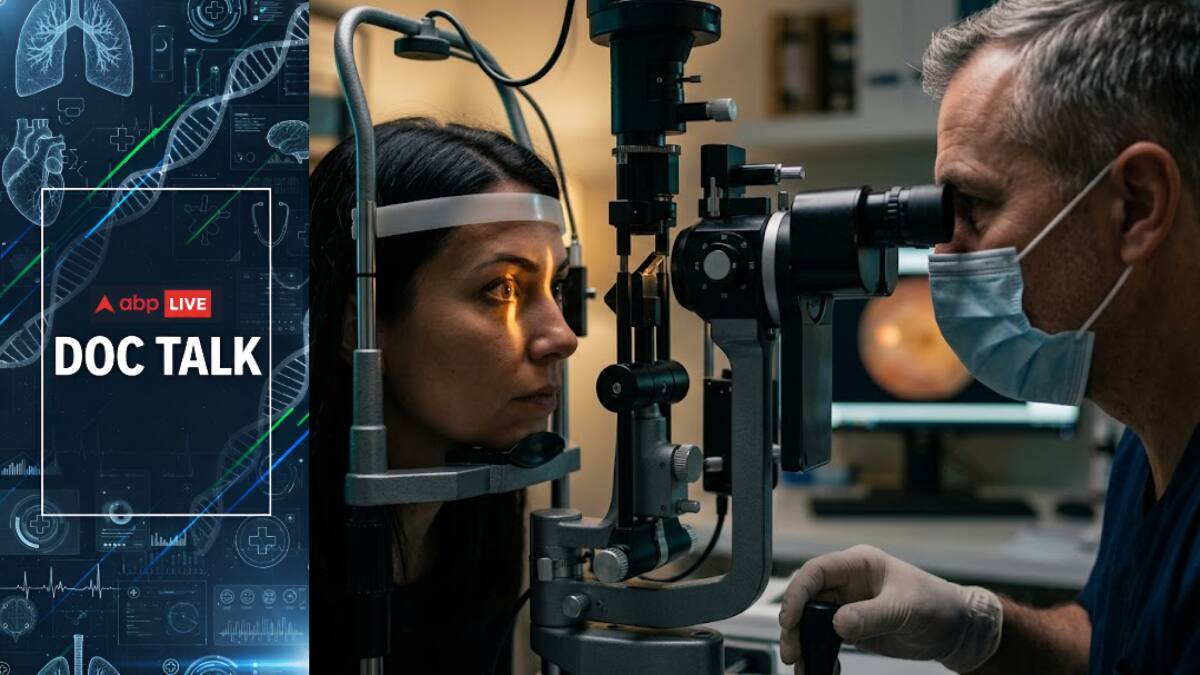
Doc Talk | Glaucoma Awareness: Lifestyle Habits And Early Detection That Can Save Your Vision

India carries a significant share of the global glaucoma burden. Approximately 12 million people or more live with this disease in India, which is one of the leading causes of blindness. But almost 90% of those with glaucoma remain undiagnosed. Glaucoma typically develops slowly and without any visible signs during the early phases, so by the time an individual has any visual impairment, significant and irreparable damage to the optic nerve could have already occurred. Due to this, it is referred to as being the "silent thief of sight." India being the diabetes capital of the world and the increasing number of hypertension patients confirms that the number of glaucoma cases is expected to grow in the coming years. This makes glaucoma not only a clinical concern but also a public health issue that requires greater awareness and proactive screening.  ALSO READ: ABP Live Doc Talk | From Self-Care To Self-Healing: Simple Ayurvedic Daily Rituals Every Woman Should Follow Understanding The Risk Factors And Importance Of Early Detection  There are many things that can increase an individual's likelihood of developing glaucoma. Age is one of the most important risk factors, with people above the age of 40 having a higher likelihood of developing the condition. Another important risk factor for glaucoma is family history and its hereditary effects. Other contributing factors to the development of glaucoma are high pressures inside the eye, diabetes, vascular diseases, high myopia (nearsightedness), long-term use of steroid medications and previous injuries to the eye. This is because glaucoma often develops silently without early warning signs, early detection through regular eye examinations are critical. Comprehensive eye exams must be performed to measure intraocular pressure, evaluate the health of the optic nerve and check for changes in the field of vision, this will help to diagnose glaucoma early. Early diagnosis will lead to timely treatment which slows or stops any additional loss of vision. Effects Of Regular Eye Check-ups And A Balanced Diet  Routine eye exams significantly diminish visibility issues. Individuals over 40 years old (especially if they have risk factors) should have routine comprehensive eye exams to assist with the early detection of diseases so that treatment (medical, laser, or surgical) can begin at the time of diagnosis. The goal of early detection and treatment is to control the intraocular pressure and to reduce disease progression. Diet additionally assists with eye health. Foods that are high in vitamins and antioxidants will provide essential nutrients that benefit the optic nerve. Foods such as leafy green vegetables, colourful fruits, nuts and whole grains are all examples of these types of foods. Vitamins A, C and E, omega-3 fatty acids and zinc are nutrients known to support general eye health. Adequate hydration and moderation in caffeine intake may also help maintain stable eye pressure levels.  Need For Lifestyle Changes: Safe Physical Activities And Harmful Habits  Lifestyle factors such as following a doctor prescribed diet, physical activity, avoiding smoking and avoiding excessive alcohol consumption have a huge influence on management of glaucoma and stress. Regular exercises like yoga or walking, biking, and swimming will help to maintain cardiovascular health and subsequently improve vision and overall health through better blood circulation. Stress management through exercises like yoga will reduce stress, which is important in managing chronic conditions.  The patients should mainly avoid activities that require excessive straining, like heavy weightlifting, and prolonged inverted positions in yoga, as they will temporarily increase eye pressure. Smoking and excessive alcohol consumption are factors that negatively affect blood circulation and overall vascular health. These harmful habits further compromises the functions of optic nerve, as such avoiding habits are strongly recommended.  Role Of Family, Caregivers, Patient Support Groups, And Counseling  Glaucoma is a chronic condition which requires long-term commitment to consistently use medication, regular follow-up visits, and lifestyle adjustments to manage it. This consistent journey requires the support of family members and caregivers. Their support and care will help to ensure that the patients adhere to their prescribed treatments and medications, attend routine check-ups, and maintain healthy habits.  Patient support groups and counseling services are capable of providing emotional and psychological support to the affected. Living with a chronic eye condition can create anxiety and fear about vision loss. By sharing experiences with each other, patients can more clearly understand what they are experiencing. Being understood will motivate them to adhere to their treatment regimen. Similarly, counseling and education provide additional empowerment through the acquisition of knowledge related to the disease and how to manage it long-term. Increasing awareness about glaucoma and encouraging regular eye check-ups are essential steps toward reducing preventable blindness and protecting vision across India. Disclaimer: The information provided in the article is shared by experts and is intended for general informational purposes only. It is not a substitute for professional medical advice, diagnosis, or treatment. Always seek the advice of your physician or other qualified healthcare provider with any questions you may have regarding a medical condition.