Language Settings
Select Website Language
newshunt
newshunt

Filters

Channels
Topics
Other Filters

Why Heart Attacks Spike In Winter: Know About The Hidden Cold-Weather Triggers

(Dr. Sunil Dwivedi) A spike in heart attacks during winter is a well-known phenomenon observed worldwide. When temperatures drop for more than two consecutive days, a rise in both minor and major heart attacks including angina, is typically seen within the following two to six days. The main reason is that cold weather causes blood vessels to constrict in order to conserve body heat. This narrowing raises blood pressure, increases the heart’s workload, and accelerates the heart rate.  ALSO READ: Winter And Heart Health: Simple Morning Habit That Quietly Raises Your Heart Attack Risk Thickened Blood: A Winter Heart Risk Winter also leads many people to drink less water, which thickens the blood, a condition known as haemoconcentration further slowing circulation. Together, vessel constriction and thicker blood reduce blood flow and increase strain on the heart. In people with existing heart conditions or even mild blockages, this can trigger clot formation and precipitate a heart attack. Respiratory infections also tend to surge in winter, especially viral infections, which can directly stress the heart and contribute to heart attack risk.  Pollution Levels Rise And Worsen Heart Stress In Indian cities, pollution worsens the situation. Cold air slows atmospheric movement, trapping pollutants. This increases inflammation, reduces oxygen levels, and further elevates cardiovascular risk. Precautions Everyone Should Take During winter, it’s essential to protect your heart by staying warm, keeping yourself well-hydrated, and paying close attention to any unusual symptoms. Cold weather puts extra strain on the cardiovascular system, and many people tend to delay seeking medical help when temperatures drop. Being mindful of early warning signs, maintaining a balanced routine, and acting promptly can significantly reduce the risk of winter-related heart complications. Who Is Most Vulnerable In Winter? While winter affects all age groups, heart attack risk is highest in older adults, people with diabetes, hypertension, respiratory diseases, and those who are immunocompromised or undergoing cancer treatment.Studies show that winter can raise the incidence of heart attacks by about 16%, with an overall 1.6% increase in heart-attack-related deaths. Dr. Sunil Dwivedi is the Consultant - Cardiology at Manipal Hospital Millers Road [Disclaimer: The information provided in the article is shared by experts and is intended for general informational purposes only. It is not a substitute for professional medical advice, diagnosis, or treatment. Always seek the advice of your physician or other qualified healthcare provider with any questions you may have regarding a medical condition.]

Constipation Drug Slows Kidney Decline? Indian Expert Sees Hope For Children Too

When a phase two clinical trial from Japan suggested that a common constipation medicine might slow the progression of chronic kidney disease (CKD), paediatric nephrologist Dr Kanav Anand of Sir Ganga Ram Hospital, New Delhi, was not surprised. Dr Anand believes the findings strengthen what clinicians in India have observed for years: the gut and kidneys are intimately linked, and ignoring constipation can silently worsen kidney damage. “Japan's Tohoku University phase II trial offers hope: lubiprostone, a constipation drug, slowed adult CKD patients' eGFR decline by reshaping gut microbiota, boosting spermidine, and enhancing mitochondrial function," says Dr Anand. He adds that the study provides a “proof-of-concept” that could shape future care strategies, including for Indian children with congenital kidney abnormalities. A New Idea in Kidney Care: Treat the Gut to Protect the Kidneys Chronic kidney disease remains a major public-health burden worldwide. As kidney function declines, toxins accumulate, dialysis becomes inevitable for many, and treatment options actually to slow this decline are limited. Researchers in Japan began with a simple clinical observation: many people with CKD also struggle with constipation. Led by Professor Takaaki Abe at Tohoku University Graduate School of Medicine, the team wondered if this seemingly minor symptom could actually be worsening kidney damage. “Constipation disrupts the intestinal microbiota, which worsens kidney function… we hypothesised that we could improve kidney function by treating constipation,” Abe explains. This idea led to the first clinical trial evaluating lubiprostone, a well-known constipation drug, as a therapy to slow CKD progression. What the Study Did The study followed 150 adults with moderate CKD for 24 weeks: One group received a placebo, AND the other received lubiprostone (the constipation remedy drug) Researchers monitored two things: Levels of harmful gut-derived toxins that rise when kidneys weaken, AND eGFR, the gold-standard measure of kidney filtration What the Study Found Toxin levels did not significantly change But patients on the higher dose of lubiprostone showed a much slower decline in kidney function than those on placebo In simple terms, their kidneys deteriorated more slowly This marks the first clinical evidence that treating constipation might offer kidney protection. How the Drug Works: Fixing the Gut to Help the Kidneys Lubiprostone appears to help in ways beyond easing constipation: It reshapes gut microbiota This boosts spermidine, a natural molecule linked to healthier mitochondria Stronger mitochondria support kidney cells and slow damage The concept reinforces the emerging “gut–kidney axis,” which Indian experts say is especially important for children. Why the Gut–Kidney Link Is Critical in Indian Children Constipation is widespread among Indian paediatric CKD patients. Dr Anand explains that while it affects about 30% of healthy children, the rates surge in CKD because of: Dietary restrictions Low fibre intake Medications Reduced physical activity In conditions like vesicoureteric reflux (VUR), which are common in India, constipation can worsen kidney injury. “In congenital anomalies like VUR, nearly half face bladder-bowel dysfunction, tripling UTI risk and scarring kidneys via bladder compression and dysfunctional voiding,” he notes. This is where gut health becomes critical. Chronic constipation leads to gut dysbiosis, elevating uremic toxins (such as indoxyl sulfate and p-cresyl sulfate), increasing gut permeability, and triggering inflammatory pathways that accelerate CKD progression, even in children. “For VUR kids, untreated constipation boosts UTIs, worsening renal damage,” he adds. How the Japan Study Resonates in India The Tohoku trial was conducted on adults, but its implications carry weight for Indian pediatric care. Dr Anand believes that while more research is needed, the concept of aggressively managing constipation could immediately benefit children with: CKD CAKUT (Congenital Anomalies of Kidney and Urinary Tract) Recurrent UTIs Bladder-bowel dysfunction He emphasises that this trial reinforces what Indian doctors have long advocated: addressing the gut early may protect the kidneys later. The Grey Areas: What We Still Don’t Know The study is a good lead to conduct larger trials, as it was relatively short (24 weeks) It slowed, but did not reverse, the kidney decline The exact gut bacteria involved are still unknown Not all patients may respond equally Larger trials, including paediatric studies, are needed before lubiprostone can be widely recommended for kidney protection. The Bottom Line A pill long used for constipation may hold promise as a kidney-protecting therapy. For India, where pediatric kidney diseases, congenital anomalies, and constipation-driven UTIs are common, the findings are especially relevant. Dr Anand believes the study should serve as a wake-up call: Treat constipation not as a minor inconvenience, but as an active risk factor for kidney injury. If future studies confirm the benefits, a simple gut-targeting approach could become a powerful new tool to slow kidney disease, especially in vulnerable young patients. (Kirti Pandey is a senior independent journalist)

How orbital satellite megaconstellations could change astronomy forever

Satellite megaconstellations are increasingly impacting astronomical observations. Bright satellite streaks are compromising ground and space-based telescope images, while radio telescopes struggle with growing orbital radio noise. This crowded orbit challenges future missions and affects long-term research by increasing light scatter and debris, necessitating new strategies to preserve sky clarity for scientific discovery.

Comet 3I/ATLAS reveals glowing coma, plasma and dust tails from ESA’s Juice mission | NavCam early images revealed

ESA's Juice spacecraft has captured striking new images of Comet 3I/ATLAS, revealing its active coma and distinct plasma and dust tails. While originally designed for Jupiter, Juice's navigation camera provided an early glimpse of the comet's activity. Full scientific data, gathered by five specialized instruments, is expected in February 2026, promising deeper insights into this interstellar visitor.

Ayurveda For Office-Goers: Know How To Stay Healthy While Breathing Polluted Indoor Air

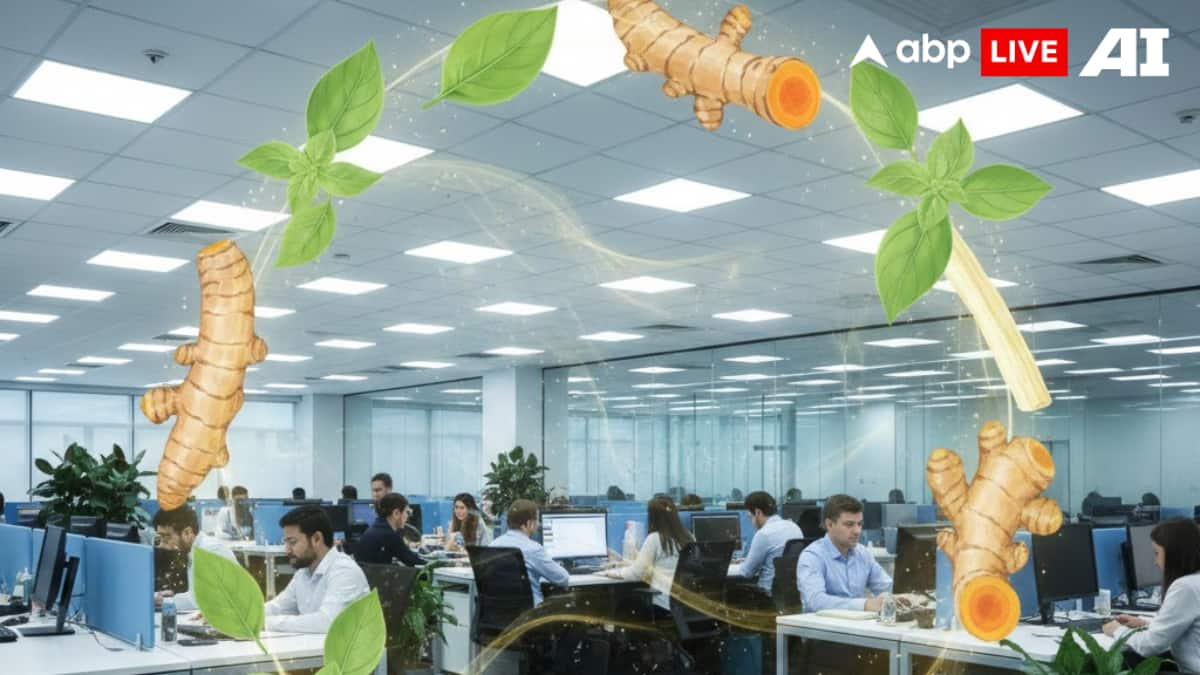
Most Indians spend nearly half their waking hours inside sealed, air-conditioned corporate spaces, breathing air that is often more toxic than the outdoors. According to Ayurvedic Expert Dr. Shweta Yadav, BAMS, Sheopals, “Indoor air in corporate spaces is often 5–10 times more polluted than the outdoors. Sealed windows, continuous AC, printers, dust, and chemical cleaners can disrupt dosha balance, restrict prana flow and gradually weaken respiratory strength.” In this environment of stale air, dry cooling and microscopic pollutants, Ayurveda offers grounded, practical solutions that help the body stay resilient and energised throughout the workday. ALSO READ: The Most Dangerous Eye Mistakes People Make — And What An Expert Wants You To Know The Hidden Impact Of AC Rooms (Image Source: ABPLIVE AI) Ayurveda traditionally warned that cold, dry, still environments disturb the body’s natural rhythms, exactly what modern AC offices create. Dr. Yadav explains, “Ayurveda explains that long-term exposure to artificial cooling aggravates both Vata and Kapha, creating a complex dual imbalance." Cold, dehydrated air mirrors Vata qualities, causing symptoms like dryness, brain fog and musculoskeletal stiffness. “AC air is cold, dry and still, qualities identical to Vata. This amplifies Vata imbalance in the body,” she notes. Office workers often experience “Dry skin, dry eyes, headaches, fatigue, brain fog, neck, shoulder and lower-back stiffness, constipation, bloating, anxiety, restlessness, disturbed sleep, deep tissue dryness and musculoskeletal pain.” At the same time, long sedentary hours combined with low temperatures slow down the system and trigger Kapha accumulation. “Sitting for long hours + cold temperature = Kapha accumulation,” she adds, leading to lethargy, weight gain, sinus issues and slow metabolism. Ayurvedic Herbal Teas That Protect Lungs From Indoor Air Pollution (Image Source: ABPLIVE AI) With printers, chemical cleaners, carpets, and recycled AC airflow, pollutants accumulate in offices, even without visible dust. Dr. Yadav affirms, “Herbal teas play a key role in soothing inflamed airways, reducing mucus stagnation, strengthening pranavaha srotas, and helping the body cope with polluted indoor air.” Among the most supportive herbs, Tulsi stands out for its ability to create a protective respiratory shield. She notes that it is “anti-inflammatory, antimicrobial and anti-allergic,” making it especially effective for those who experience recurring cough, congestion or throat irritation after long hours in AC circulation. Turmeric, with its golden potency, offers deeper internal protection. According to Dr. Yadav, its curcumin “protects against pollutant-induced inflammation and reduces oxidative stress,” making it an ideal companion for people exposed to micro-toxins daily. To soothe the bronchi and calm the chest, Yashtimadhu becomes a valuable ally. It “soothes irritated bronchi and relieves spasms and dry cough,” making it perfect for those who feel tightness or dryness after breathing in stale office air. Ginger brings heat and vitality into the mix. It “clears mucus and boosts circulation,” helping the respiratory channels stay open and active even in cold, dry, air-conditioned environments. And for those days when the air feels especially heavy, Dr. Yadav recommends Vasaka. Known for its powerful expectorant properties, it is “excellent for smog-season congestion,” offering relief when indoor pollution peaks during winter or crop-burning months. HR-Safe, Office-Approved Ayurvedic Hacks Nobody Will Notice (Image Source: ABPLIVE AI) Most offices prohibit incense, diffusers or visible rituals, but Ayurveda offers subtle adaptations that can be practised discreetly. As Dr. Yadav explains, “Many workplaces prohibit smoke, fragrance diffusers or visible rituals. Ayurveda offers simple, invisible adaptations suitable for office settings.” These include carrying warm water in a thermos, keeping a copper bottle, using discreet nasya during restroom breaks, keeping a warm shawl for AC exposure, and placing antimicrobial items like neem or clove in office drawers. These include carrying warm water in a thermos, keeping a copper bottle, using discreet nasya during restroom breaks, keeping a warm shawl for AC exposure, and placing antimicrobial items like neem or clove in office drawers. The Truth About Essential Oils At Work: Helpful Or Harmful? (Image Source: ABPLIVE AI) Ayurveda values aromatics but recommends caution in closed rooms. Dr. Yadav emphasises, “Ayurveda values aromatic herbs but advises careful use of essential oils in closed indoor environments.” While oils like eucalyptus, lavender and tea tree can be used minimally on personal inhalers or handkerchiefs, others may irritate the lungs or trigger headaches. “Internal consumption of essential oils should never be practiced at work, and should only be done under medical supervision,” she adds. This mindful use ensures that office-goers receive therapeutic benefits without overwhelming their senses or affecting colleagues. With rising indoor pollution levels and prolonged AC exposure becoming the norm, Ayurvedic wisdom offers practical, office-friendly solutions that keep energy, immunity and mental clarity intact. Dr. Yadav’s insights underline a simple truth, modern workplaces may challenge the body, but small, consistent adjustments can transform overall wellbeing. [Disclaimer: The information provided in the article is shared by experts and is intended for general informational purposes only. It is not a substitute for professional medical advice, diagnosis, or treatment. Always seek the advice of your physician or other qualified healthcare provider with any questions you may have regarding a medical condition.]

'Hungry, High-Impact Players': MI Head Coach Spills The Beans On Franchise's Strategy

New Delh: Five-time champions Mumbai Indians' head coach Mahela Jayawardene highlighted franchise's faith in experience and the growth of youngsters, along with a likely push for uncapped domestic prospects to round off the squad at the IPL 2026 mini auction, scheduled for December 16. He further stressed that franchise’s focus is on consistency and the team continues to rely on its "core group of hungry, high–impact players", including Rohit Sharma, Suryakumar Yadav, Jasprit Bumrah, Hardik Pandya, and Tilak Varma. He also noted that the return of Trent Boult last season added significant value, and the side has strengthened its balance by pairing experienced international names like Mitchell Santner and Will Jacks with developing young talent. “Consistency is our key. We’ve built our team around a core group of hungry players like Rohit Sharma, Suryakumar Yadav, Jasprit Bumrah, Hardik Pandya, and Tilak Varma. Bringing back Trent Boult last season added more value. We’ve combined experienced international players like Mitchell Santner and Will Jacks with young talent, creating a good balance. "We have developed these young guys going into this season, and they have improved a lot from last year. Hopefully, they get an opportunity to showcase their skills as well. Our young players have improved significantly from last season and we hope they get opportunities to show their skills this year.” Ahead of the mini auctions, keeping in mind strategic adjustments and squad balance, MI released of seven players from the squad; Karn Sharma, Bevon Jacobs, Mujeeb Ur Rahman, Vignesh Puthur, KL Shrijith, PSN Raju, Reece Topley and Lizaad Williams along with the trade of Arjun Tendulkar. Speaking on JioStar, former cricketer Saba Karim discussed the possibility of MI going after young stars in the auction. “Mumbai Indians often focus on finding young talent, especially with state leagues producing exciting players. They might use their remaining money to sign an uncapped Indian player. Their trades this season have been smart, specifically targeting lower middle-order batters with power-hitting ability, which explains their trade decisions this year. (This report has been published as part of the auto-generated syndicate wire feed. Apart from the headline, no editing has been done in the copy by ABP Live.)

Mahindra XUV700 Facelift Coming In January 2026: What To Expect

Mahindra will launch the facelifted version of the XUV700 by January 2026. This is the long overdue facelift of the XUV700 which has been around for a long time but still has been hugely popular. The new XUV700 will have changes largely concentrated around the exterior and interior plus new features. The styling would be updated and will have a new look while the rear styling would be changed as well. Major Interior Upgrades However, the biggest change would be for the interior where the XUV700 will get many details from the recently launched XEV 9S including a triple screen layout. The three screens including one for the passenger will be one of the many changes while other changes would be a new steering wheel plus a revised centre console. The features list and the technology aspect would be upgraded too like the other new Mahindra cars. Space would remain the same but we can expect more comfort features too. Variants, Powertrains and Market Positioning The powertrains would remain the same for now although the variant line-up could be changed. The new XUV700 has been one of the most important new cars since it has been a strong seller along with a loyal customer base. However, a facelift was needed and that's exactly what Mahindra will give in January when we see the car being launched. We can expect a rise in prices for the XUV700 facelift when it is launched but the extra features will sort of justify it. We will bring more details regarding the launch by next year.

Human evolution mystery unlocked: How 100,000 years of isolation in southern Africa revealed hidden secrets of ancient DNA and our evolutionary history

New research reveals ancient humans in southern Africa lived in isolation for nearly 100,000 years. This led to unique genetic traits not seen in modern populations. These findings show human evolution was complex, involving multiple isolated groups. The study analyzed genomes from 28 ancient individuals, offering insights into early human diversity and adaptation.

The Food- Sleep Connection: What Children Should Eat For Restful Sleep

(By Sowmya C C) The evening hours can often be the most difficult part of the day for parents and children alike. While tight and consistent bedtime routines certainly help to alleviate the negative effects of bedtime battles, an often overlooked factor in achieving quality sleep is nutrition. Sleep is essential for growth and development, and the foods children eat have a surprising impact on sleep quality. Research indicates that approximately 25% of school-aged children experience disturbed sleep, sometimes with and sometimes without conditions like sleep apnea. Fortunately, addressing the impact nutrition has on sleep is a relatively simple solution. ALSO READ: Pregnancy After PCOS: Here's What Expecting Mothers Should Know The Role Of Neurotransmitters And Tryptophan Sleep is significantly affected by the body’s production of key sleep neurotransmitters: serotonin and melatonin. The production of these neurotransmitters requires the body to have a sufficient amount of a specific amino acid called tryptophan. However, tryptophan doesn’t easily pass the blood-brain barrier. This can be improved with a diet that includes fewer simple carbohydrates. A well-balanced diet can help with the production of insulin, which in turn helps transport tryptophan to the brain. This highlights why drinking warm milk before bed is often advised. The complex sugars in milk help carry tryptophan, an amino acid for which dairy is a particularly abundant source. Beneficial Foods For Sleep To further promote restful sleep, foods that contain magnesium and potassium should be added to children's diets, as both minerals help muscles relax. Bananas are considered a “superfood” because they are rich in both magnesium and potassium and also contain tryptophan. Cherries, and more specifically, tart cherry juice, are another excellent food source. Cherries contain naturally high levels of melatonin, which is rare for a food source. In fact, a National Institutes of Health (NIH) study published in 2025 showed that consuming tart cherry juice increases sleep duration and enhances sleep efficiency. Almonds, walnuts, and whole-grain oats are also beneficial, as they have a lower glycemic index and release energy more steadily, avoiding the blood sugar spikes that disrupt sleep. Foods To Avoid On the other hand, some foods should be avoided close to bedtime. High-sugar diets are, in effect, sleep thieves. They are statistically associated with sleep that is more fragmented and with lesser amounts of deep “slow-wave” sleep. Moreover, children are more easily awakened because sugary snacks cause a sudden spike and subsequent crash in blood sugar, which can trigger the release of stress hormones and sleep disruptors like cortisol. Additionally, caffeine is a stimulant that should be avoided for several hours before bed. It is often present in sodas, iced teas, and even chocolate. Ultimately, this emphasizes that the quality of sleep can be greatly enhanced by choosing a healthier bedtime snack, such as a banana, oatmeal, or other low-sugar options. By implementing these simple, nutrition-oriented changes, parents can reduce bedtime conflicts and create a serene atmosphere conducive to restorative sleep for the whole family. Sowmya C C is MBBS, DNB (Paediatrics), Senior Consultant Paediatrics at Apollo Cradle and Children's Hospital  [Disclaimer: The information provided in the article is shared by experts and is intended for general informational purposes only. It is not a substitute for professional medical advice, diagnosis, or treatment. Always seek the advice of your physician or other qualified healthcare provider with any questions you may have regarding a medical condition.]

Pregnancy After PCOS: Here's What Expecting Mothers Should Know

(By Dr. Sindura Ganga R) For many women living with PCOS, getting pregnant can feel like the end of a long uphill climb. Once that line appears on the test, relief and excitement often sit side by side. But pregnancy after PCOS isn’t something to fear; it’s something to understand. A few extra steps in care can make the whole journey steadier and far less confusing. ALSO READ: From Fatigue To Nerve Damage: The Invisible Impact Of Low Vitamin B12 In India Early And Regular Prenatal Care Makes A Big Difference Doctors usually encourage women with PCOS to come in a little sooner than the usual first-trimester timeline. It gives everyone a baseline—blood sugars, blood pressure, thyroid levels, even vitamin status. Early clarity takes away a lot of the “what ifs.” Blood Sugar Monitoring Is Essential Insulin resistance sits at the centre of PCOS for many women, which means the chances of gestational diabetes are slightly higher. Nothing alarming—just something to keep an eye on. Most women manage their sugars well with small food adjustments, frequent meals, and light movement through the day. Weight Management Plays A Supportive Role Some women with PCOS gain weight easily; others struggle to keep it on. Pregnancy can amplify both patterns. A balanced plate, simple home-cooked food, and steady activity help far more than strict rules or diets. Think rhythm, not restriction. Keeping An Eye On Blood Pressure A few women with PCOS experience higher blood pressure as pregnancy progresses. Regular checks at home or during visits help spot any shifts early. If something needs correction, doctors act quickly, and most women continue their pregnancy without trouble. PCOS Symptoms May Soften, Or Not Hormones behave unpredictably during pregnancy. Acne may settle for some, hair thinning may pause, or nothing may change at all. There’s no “right pattern,” and that’s perfectly okay. The focus moves from symptom-watching to overall well-being. Don’t Ignore Your Emotional Health PCOS often carries a background hum of anxiety or mood swings, and pregnancy can amplify those feelings. Fatigue, hormones, and the pressure to “do everything right” can weigh heavily. Having someone to talk to—your doctor, a counsellor, even a close friend, helps more than most people realise. Most Pregnancies After PCOS End Well Even with the added monitoring, most women go through pregnancy without major hurdles and deliver healthy babies. Regular scans, a few practical lifestyle adjustments, and open discussions with the care team tend to keep things steady. PCOS doesn’t define the pregnancy. It simply asks for a little more awareness. With steady monitoring and supportive care, women with PCOS can look forward to a healthy, reassuring, and deeply rewarding experience of motherhood. Dr Sindura Ganga R is Consultant - Obstetrics, Gynaecology and Laparoscopic surgeon at Centre for Women and Child Health, Arete Hospitals [Disclaimer: The information provided in the article is shared by experts and is intended for general informational purposes only. It is not a substitute for professional medical advice, diagnosis, or treatment. Always seek the advice of your physician or other qualified healthcare provider with any questions you may have regarding a medical condition.]