Language Settings
Select Website Language
newshunt
newshunt

Filters

Channels
Topics
Other Filters

IPL Auction: After smart trading, RR minor fixes away from a balanced squad

Rajasthan Royals enter the IPL Auction 2026 with a calculated strategy after trading Sanju Samson for all-rounders Ravindra Jadeja and Sam Curran. This move addresses their long-standing structural imbalance, aiming for batting depth till eight without compromising bowling. The team also seeks a frontline Indian spinner and a pace bowling addition to complete their balanced XI.

Christmas 2025: Beyond Gifts And Celebrations, Know The True Meaning Of Santa Claus This Year

Christmas 2025: Christmas, celebrated every year on December 25, is often associated with Santa Claus, gifts, and festive decorations. From children to adults, everyone eagerly waits for Santa, and markets are filled with red hats, white beards, and images of gift-bearing figures. However, beyond the excitement of presents and celebrations, Christmas carries a deeper spiritual message. Santa Claus is not merely a symbol of gifts, but also represents God’s grace, compassion, and the power to remove darkness, despair, and suffering from life. ALSO READ: 10 Weirdest Christmas Traditions Of The World That Will Leave You Stunned The True Meaning Of Christmas Gifts Exchanging gifts is a common tradition during Christmas. People greet each other with “Merry Christmas” and share presents, often dressed as Santa Claus. However, the true meaning of a Christmas gift goes far beyond material possessions. While modern times often measure gifts by their market value, the real gift is one that brings mental peace, inner calm, and hope. A true gift is one that dispels darkness from life, gives direction to the lost, awakens hope in the hearts of the hopeless, and brings a smile to weary faces. The birth of Jesus Christ conveys this very message. Jesus Christ’s Birth: A Symbol Of God, Grace, And Gift (Image Source: ABPLIVE AI) For Christians, Christmas is also observed as the birth anniversary of Lord Jesus Christ. Although the Bible does not specifically mention December 25 as the exact date of Jesus’ birth, historical beliefs suggest that Christmas celebrations began after His birth. Over time, December 25 came to be recognised as the day to honour His arrival. According to Christian beliefs, Jesus’ birth symbolises love, compassion, forgiveness, and divine grace. He taught that spiritual grace is the greatest gift of life, far more valuable than any material possession. Who Was The Real Santa Claus? (Image Source: Pinterest/giveusthisdaylp) The Santa Claus figure eagerly awaited during Christmas has its roots in history. According to historical accounts, Saint Nicholas was a Christian saint who lived in the 4th century and was widely known for his kindness and generosity toward the poor. He was especially famous for secretly helping those in need. Inspired by his compassion, people began quietly helping others during Christmas. Over time, anyone who selflessly helped others or brought joy to children came to be seen as Santa Claus, making Saint Nicholas the inspiration behind the modern-day Santa.

Drama in Australia! England security's confrontation with media - Watch

England's Ashes tour faces another setback as security staff clashed with a Channel Seven cameraman at Brisbane airport. The incident occurred during the team's check-in for their flight to Adelaide, adding to the team's already challenging series. This confrontation highlights ongoing scrutiny of England's tour preparations as they trail 0-2 in the series.

10 scenes that CHANGED Malayalam cinema

Malayalam cinema's storytelling has been revolutionized by iconic scenes. From the tragic climax of 'Kireedam' to the psychological horror of 'Manichitrathazhu' and the intelligent twists in 'Drishyam,' these moments redefined genres. Films like 'Mathilukal,' 'Vanaprastham,' and 'Manjummel Boys' explored love, art, and brotherhood in groundbreaking ways, showcasing the industry's artistic evolution.

Twinkle recalls Dimple 5 am workout routine

Twinkle Khanna credits her mother, Dimple Kapadia, for shaping her life and outlook. Raised by Dimple after her parents’ separation, Twinkle learned strength and independence by example. She recalls her mother’s discipline, work ethic, and resilience, calling her the real superwoman who inspired her feminist beliefs and lifelong sense of self-worth.

Ayurvedic Ways To Strengthen Children’s Immunity And Respiratory Health In Polluted Environments

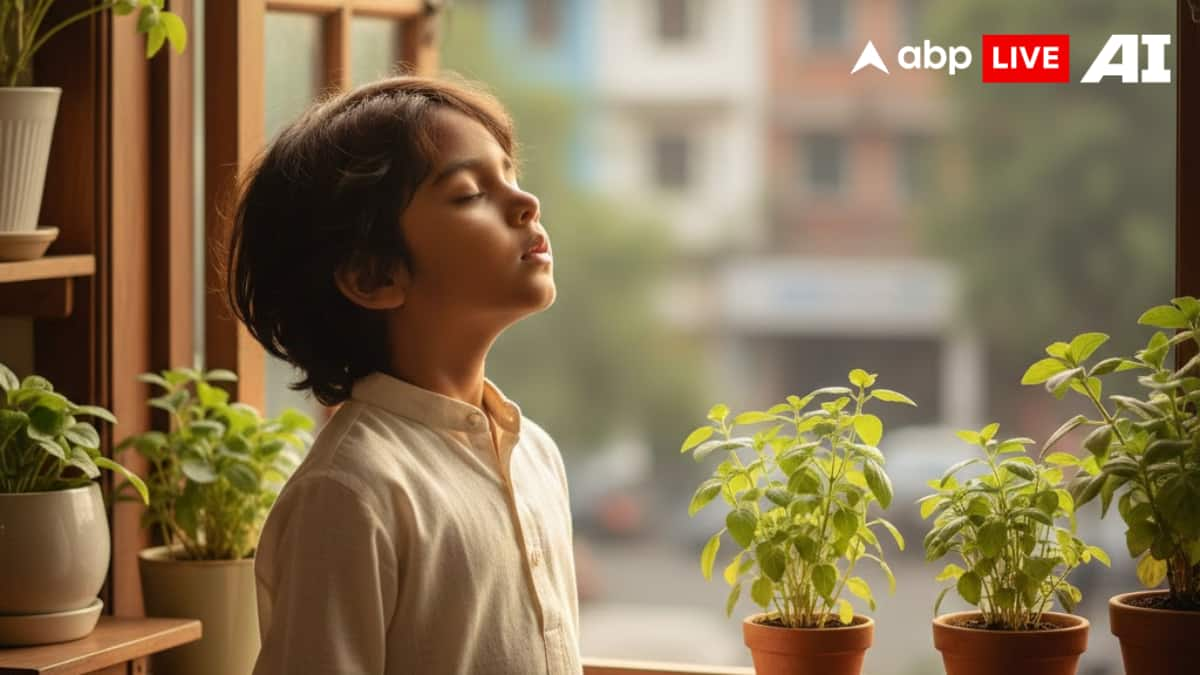
{By Mr. Mool Meena} Children today are growing up in an atmosphere that is very different from what previous generations experienced. Rapid urbanization, rising pollution levels, and increased time spent indoors have created an environment where the air a child breathes is often far from pure. Indoor spaces, schools, homes, day-care centres, and AC rooms, harbour dust mites, cleaning chemical residues, mold, and stale air circulation. Outdoor pollution adds another layer of stress to their developing respiratory systems. From an Ayurvedic perspective, this polluted environment directly affects the pranavaha srotas (respiratory channels), disturbs Vata and Kapha, and weakens ojas, the essence responsible for immunity, vitality, and growth. Respiratory congestion, recurrent infections, allergies, poor appetite, and fatigue have become increasingly common among children living in highly polluted environments. Strengthening children’s internal capacity to handle these challenges is essential, and Ayurveda offers a holistic framework for doing so, through herbs, daily practices, and lifestyle rhythms tailored to a child’s natural constitution. ALSO READ: Why Dandruff Peaks In Winter And The Smart Scalp Care That Prevents It Children And Pollution: An Ayurvedic View Childhood represents the Kapha stage of life, characterised by softness, moisture, and steady development. This makes children more prone to congestion, mucus accumulation, and slower clearance of respiratory irritants. Polluted air aggravates Kapha by causing buildup in the lungs and sinuses, while the dryness of AC rooms or dusty environments aggravates Vata, leading to irritation, dry cough, and disturbed breathing. Ayurveda emphasises that protecting children from the effects of pollution requires a dual approach: Strengthening the body from within Reducing exposure and supporting natural detoxification Ayurvedic Herbs That Support Respiratory Strength Several classical Ayurvedic herbs play a key role in maintaining clear airways and healthy immunity in children. Tulsi supports respiratory clarity and naturally reduces congestion. Giloy strengthens immunity and supports faster recovery from seasonal infections. Mulethi soothes throat irritation and balances dryness. Pippali enhances lung function and supports oxygen absorption. Amla, rich in natural Vitamin C, nourishes immunity and overall respiratory health. Formulations may also include herbs such as Vasaka, Kantakari, Bharangi, and warming spices like clove, cinnamon, and black pepper, traditionally used to promote easier breathing and reduce Kapha buildup. Swarnaprashana: Ayurvedic Immunity Support For Children Classical Ayurvedic texts, including the Kashyapa Samhita, describe Swarnaprashana (also known as Swarna Bindu Prashana) as a method of enhancing a child’s immunity, intellect, and overall development. This age-old practice involves the administration of purified gold (swarna bhasma) mixed with ghee, honey, and medhya (brain-supporting) herbs. Modern observational studies and traditional Ayurvedic insights indicate that Swarnaprashana may support: Improved respiratory strength and reduced susceptibility to infections Enhanced immunity and overall disease resistance Better gut health and digestion Improved memory, concentration, and cognitive development Reduced episodes of allergies and recurrent colds Many parents follow the cultural practice of giving Swarnaprashana on Pushya Nakshatra, although it can also be administered regularly as per guidance from Ayurvedic practitioners. This safe, time-tested approach offers a supportive shield for children growing up in polluted environments, complementing other daily Ayurvedic practices. Gut Health: The Foundation Of Strong Immunity Ayurveda repeatedly highlights the link between digestion and immunity. When Agni (digestive fire) is strong, the body produces healthy ojas; when Agni is weak, immunity weakens. Pollution and environmental stress can slow down Agni, leading to poor appetite, fatigue, and recurring respiratory issues. To support a child’s digestive strength: Prioritise warm, freshly prepared meals Use digestive spices like ginger, jeera, ajwain, turmeric, and black pepper Include a small amount of ghee daily Avoid frequent snacking and cold or packaged foods A healthy gut equips the child’s body to better resist the harmful impact of pollutants. Nasya For Children: A Simple Everyday Protection A gentle form of Nasya can be introduced for children above five years. Applying 1–2 drops of warm ghee or sesame oil inside each nostril helps lubricate nasal passages and acts as a natural barrier against dust, dry air, and pollutants. This practice helps: Keep sinuses moist Reduce morning congestion Support easier breathing Protect nasal pathways from irritants Breathing Practices That Improve Lung Capacity Children respond very well to simple breathing exercises. Deep belly breathing, balloon breathing, and Bhramari (humming breath) enhance lung expansion, improve oxygen flow, and reduce the impact of pollution on the lungs. Just a few minutes a day can contribute to better respiratory stamina. Night-Time Rituals For Stronger Immunity A warm cup of haldi doodh (turmeric milk) at night supports respiratory health and overall immunity. Turmeric reduces inflammation, black pepper enhances absorption, and ghee nourishes tissues, making this a powerful night-time ritual for children. Purifying Indoor Air The Ayurvedic Way Since children spend most of their time indoors, improving indoor air quality is crucial. Ayurvedic recommendations include: Burning camphor or loban Using neem leaves in corners Keeping indoor plants like tulsi, aloe vera, and money plant Ensuring proper ventilation during the day Avoiding strong chemical cleaners Natural, well-ventilated spaces support healthier breathing and reduce respiratory irritants. Children’s respiratory systems are delicate, but they are also adaptable when nurtured correctly. Ayurveda provides a comprehensive, time-tested approach to strengthen immunity, enhance lung function, and build resilience against polluted environments. By combining supportive herbs, Swarnaprashana, simple daily rituals, digestive care, breathwork, and cleaner indoor environments, families can help children breathe easier and stay healthier in an era where air-quality challenges are becoming the norm. The author, Mr. Mool Meena, is the Founder and CEO at Sheopal’s. [Disclaimer: The information provided in the article is shared by experts and is intended for general informational purposes only. It is not a substitute for professional medical advice, diagnosis, or treatment. Always seek the advice of your physician or other qualified healthcare provider with any questions you may have regarding a medical condition.]

IPO market next week: Four new initial public offerings worth Rs 830 crore in fray; KSH International, Neptune Logitek & more

India's primary market is gearing up for a busy week with four new IPOs totaling Rs 830 crore, led by KSH International's Rs 710 crore offering. Investors are keenly awaiting listings from prominent names like ICICI Prudential AMC, Corona Remedies, and Park Medi World, with strong grey market premiums indicating positive sentiment.

Joaquin Buckley dares Khamzat Chimaev to avoid wrestling with a whopping $50,000 challenge

Khamzat Chimaev's training footage has sparked debate. Joaquin Buckley questions Chimaev's striking skills. Buckley offers Chimaev $50,000 to stay on his feet for one round without wrestling. He also challenges Nassourdine Imavov to match the bet. This follows past confrontations between Buckley and Chimaev. Chimaev's recent fight lacked action, drawing criticism.