Language Settings
Select Website Language
newshunt
newshunt

Filters

Channels
Topics
Other Filters

The Only New Crypto Under $0.05 Close to 500% Surge, Early Investors Rush In

Big moves in crypto rarely start with noise. They usually begin with quiet progress, steady participation, and a roadmap that keeps hitting targets. By the time the wider market notices, early positioning is often gone. That pattern is starting to surface again as investors look beyond large caps and search for a new cryptocurrency that still sits early in its growth curve. One Ethereum-based DeFi project is now being discussed more frequently for exactly that reason. It is not trending because of headlines. It is trending because of its structure, timing, and a clear path toward live usage. Mutuum Finance (MUTM) Mutuum Finance is developing a decentralized lending and borrowing protocol designed around real activity. Instead of focusing on short-term price movement, it focuses on how capital is used inside the system. The protocol supports two main models. The first is a peer-to-contract structure. Users supply assets into liquidity pools and receive mtTokens in return. These mtTokens represent their position and grow in value as borrowers pay interest. For example, if a user supplies ETH, their mtTokens reflect both the deposit and the yield generated over time. The second model is peer-to-peer borrowing. Borrowers interact with the protocol under clear rules. Interest rates adjust based on utilization, Loan-to-Value limits control risk, and liquidation thresholds protect the system when prices move sharply. This structure is built to stay functional even during volatile market conditions. According to official statements from the Mutuum Finance (MUTM) team on X, V1 of the lending and borrowing protocol is scheduled for the Sepolia testnet in Q4 2025. This release includes liquidity pools, mtTokens, debt tokens, and a liquidator bot. ETH and USDT will be the first supported assets. Security review is also underway, with Halborn Security currently auditing the finalized contracts. Growth Signals from Capital and Participation Strong projects tend to attract capital before attention. Mutuum Finance has already raised $19.4M and brought in more than 18,500 holders. These figures matter because they reflect broad participation rather than a small group of insiders. The token launched at an initial price of $0.01 and is now priced at $0.035. That represents a 250% increase so far. This rise did not happen overnight. It unfolded through structured stages, which often indicates accumulation rather than speculation. For early participants, this kind of price progression signals confidence in execution. It also shows how pricing can adjust as access tightens and milestones approach. Allocation and What the Numbers Mean Mutuum Finance has a total supply of 4B tokens. Of that amount, 45.5% is allocated for early distribution, which equals roughly 1.82B tokens. So far, more than 820M tokens have already been sold. This matters for two reasons. First, it shows that a large portion of early access is already gone. Second, it means remaining supply at lower prices is shrinking. As allocation fills, later participants enter at higher levels. Engagement tools support this phase. A 24-hour leaderboard rewards the top daily contributor with $500 in MUTM. This keeps activity consistent and encourages involvement beyond holding alone. Card payment access is also available, expanding how MUTM can be used within the ecosystem and increasing visibility beyond DeFi-native users. Why Phase 6 and Whale Activity Are Driving Urgency Timing has become a key part of the discussion. Phase 6 is now more than 99% allocated, meaning access at the current $0.035 price is nearly exhausted. The next phase is expected to raise the token price by nearly 20%, pushing MUTM closer to its official launch price of $0.06. Phase 1 participants are positioned for up to 500% growth relative to that launch price. As phases complete, the gap between early and later entry widens. This often changes investor behavior from watching to positioning. Whale activity adds another signal. A recent $100k allocation suggests larger participants are stepping in as supply tightens. Market commentators often view this as a sign that confidence is increasing near key milestones. Why Investors Are Paying Attention Now The broader market context matters. As large-cap cryptocurrencies struggle with resistance and slower growth, investors increasingly look toward lower-priced assets with clearer upside potential. This is why discussions around the best crypto to buy now often shift toward early-stage DeFi projects. Mutuum Finance stands out because it combines several factors. A working product nearing V1. A growing user base. A structured token supply. Security audits in progress. And engagement tools that keep the community active. With Phase 6 nearly complete, whale interest increasing, and V1 ahead, Mutuum Finance (MUTM) is entering a phase where attention often accelerates. That combination is why early investors are moving quickly, and why this new crypto under $0.05 is now being watched as one of the more compelling setups heading into the next market phase. For more information about Mutuum Finance (MUTM) visit the links below: Website: https://www.mutuum.com Linktree: https://linktr.ee/mutuumfinance Disclaimer: This is a sponsored article. ABP Network Pvt. Ltd. and/or ABP Live do not endorse/subscribe to its contents and/or views expressed herein. Crypto products and NFTs are unregulated and can be highly risky. There may be no regulatory recourse for any loss from such transactions. Cryptocurrency is not a legal tender and is subject to market risks. Readers are advised to seek expert advice and read offer document(s) along with related important literature on the subject carefully before making any kind of investment whatsoever. Cryptocurrency market predictions are speculative and any investment made shall be at the sole cost and risk of the readers.

Best Crypto To Invest In Long Term? This New Cryptocurrency Targets 600%–900% Growth By 2027

Long-term outperformance in crypto rarely comes from buying what is already mature. It usually comes from identifying projects that are about to move from development into real usage. Early-stage DeFi tokens often follow this path. They build quietly, attract early participation, and then enter a transition phase where adoption begins to influence valuation. Mutuum Finance (MUTM) appears to be entering that transition now, which is why it is increasingly discussed when investors ask what is the best cryptocurrency to invest in long term. MUTM’s Lifecycle Stage and Why Timing Matters Mutuum Finance currently sits between build-out and active usage. This stage is important. The protocol is no longer theoretical, yet it has not entered live lending activity. Historically, this window has preceded the strongest price discovery for many DeFi lending projects. MUTM entered the market in early 2025 at a low initial level and has advanced through a structured phase model rather than reacting to short-term market moves. Over time, participation expanded alongside development milestones. Funding has reached $19.30M, and the holder base has grown to more than 18,400. These figures are best viewed as early adoption signals rather than promotional metrics. In previous DeFi cycles, this combination of early pricing and steady participation often came just before broader market recognition. Supply Dynamics and Phase Progression Mutuum Finance has a clearly defined supply structure. The total supply is 4B MUTM, with 45.5%, or 1.82B tokens, allocated to early distribution. So far, 820M tokens have been sold. The project is currently in Phase 6, which is now over 98% allocated. Each phase has a fixed allocation and a predetermined price. As phases complete, the token price increases automatically while the lower-priced supply disappears. This creates a supply-driven valuation model where price discovery occurs even before live usage begins. In a conservative scenario based on lifecycle timing and tightening supply alone, some analysts believe MUTM could trade in the $0.15–$0.20 range by 2026. From the current Phase 6 price of $0.035, that would represent roughly a 4x–6x increase. This scenario assumes no major adoption surge, only continued progression from early distribution toward usage readiness. Usage Expansion After V1 and a Second Price Scenario The next valuation shift typically happens when a DeFi protocol becomes usable. According to the official X statement, V1 will launch on the Sepolia Testnet in Q4 2025. This release introduces the Liquidity Pool, mtToken framework, Debt Token, and Liquidator Bot, with ETH and USDT as the initial supported assets. Once V1 is active, valuation models begin to change. Borrowers start opening positions. Suppliers begin earning yield tied to interest repayment. mtTokens start reflecting real activity rather than future expectations. At this point, markets tend to price participation instead of plans. In a gradual adoption scenario following V1, some projections extend higher than the supply-only model. If borrowing demand and supplier participation grow steadily, analysts suggest MUTM could move toward the $0.25–$0.35 range by late 2026. From $0.035, this implies roughly a 7x–10x increase, driven by protocol usage rather than speculative trading. Revenue Flow, Buy-and-Distribute, and a Third Price Model Mutuum Finance includes a mechanism that directly links revenue to token demand. A portion of protocol fees is used to buy MUTM from the open market. MUTM purchased on the open market is redistributed to users who stake mtTokens in the safety module. This creates a feedback loop. Borrowing activity generates fees. Fees drive market buying. Market buying supports holding behavior. As activity grows, this loop strengthens and reduces reliance on external demand. In a third scenario focused on sustained revenue and user participation, analysts model compounding effects rather than linear growth. Under this framework, MUTM’s valuation expands as fee generation and engagement scale together. In a bullish environment extending into 2027, some projections outline the $0.25–$0.35 range as a base, with potential expansion toward $0.40–$0.50 if usage continues to grow. From the current $0.035 level, that represents approximately a 7x–14x increase, aligning with the lower end of the 600%–900% growth discussion. Why This Setup Resembles Early DeFi Lending Breakouts Early DeFi lending protocols that later became market leaders shared common characteristics. They spent long periods building before launch. They entered usage with defined mechanics and risk controls. They linked token value to protocol activity. And they transitioned from the build phase to the activity phase with supply already tightening. Mutuum Finance fits this structure. It is still early, distribution is progressing through fixed stages, and usage is scheduled to begin with V1. mtTokens connect value to interest flow, while the buy-and-distribute mechanism ties revenue directly to demand. Security preparation reinforces this transition. Mutuum Finance completed a CertiK audit with a 90/100 Token Scan score. Halborn Security is reviewing the finalized smart contracts under formal analysis, and a $50K bug bounty is active. These steps typically appear just before broader adoption rather than after it. Mutuum Finance is entering the stage where early-stage DeFi projects often see valuation frameworks change. Supply is tightening. Participation has grown steadily. V1 has a confirmed timeline. Security foundations are in place. For more information about Mutuum Finance (MUTM) visit the links below: Website: https://www.mutuum.com Linktree: https://linktr.ee/mutuumfinance Disclaimer: This is a sponsored article. ABP Network Pvt. Ltd. and/or ABP Live do not endorse/subscribe to its contents and/or views expressed herein. Crypto products and NFTs are unregulated and can be highly risky. There may be no regulatory recourse for any loss from such transactions. Cryptocurrency is not a legal tender and is subject to market risks. Readers are advised to seek expert advice and read offer document(s) along with related important literature on the subject carefully before making any kind of investment whatsoever. Cryptocurrency market predictions are speculative and any investment made shall be at the sole cost and risk of the readers.

Magh Mela 2026: Know History, Significance, And Key Bathing Dates Of This Sacred Fair In Prayagraj

Magh Mela 2026: Magh Mela is one of Hinduism’s oldest and most spiritually significant annual gatherings, held on the sacred banks of the Triveni Sangam in Prayagraj. While the Kumbh Mela takes place once every 12 years, Magh Mela is observed every year during the holy month of Magh (January–February). In 2026, Magh Mela will begin on 3 January and conclude on 15 February, drawing thousands of devotees, saints, and Kalpvasis who come seeking spiritual purification, divine blessings, and liberation from past sins. ALSO READ: Magh Mela 2026: Rare Auspicious Yog Forms After 75-Years; Know Magh Month Dates, Snaan-Daan Muhurat, And More Why Is Magh Mela Celebrated Every Year? Magh Mela is organised annually in Prayagraj because it is the only place where the three sacred rivers, Ganga, Yamuna, and the invisible Saraswati, converge. According to Hindu belief, bathing at the Sangam during the Magh month grants nectar-like virtues and offers a rare opportunity to cleanse oneself of accumulated sins. These 45 sacred days are considered exceptionally powerful for spiritual renewal. Devotees believe that taking a holy dip during this period purifies karma, strengthens faith, and brings divine grace. This continuous spiritual significance is the primary reason Magh Mela is held every year without interruption. Religious Significance Of Magh Mela Ancient Hindu scriptures place immense importance on bathing during the Magh month. The Padma Purana states: “Those who immerse themselves in cold sacred waters during Magh are freed from sins and attain heavenly realms.” It is believed that Lord Vishnu is more pleased by sacred river bathing during Magh than by penance, charity, or rituals performed in other months. This is why Magh Snan is described as one of the easiest and most powerful paths to divine blessings. Devotees also believe that during Magh Mela, celestial beings reside near the Sangam. Bathing on auspicious dates is said to attract special divine grace, while those who observe Kalpvas, living near the riverbanks with strict discipline, prayer, and austerity, are believed to attain spiritual liberation. Morning baths during this month are associated with longevity, good health, strength, prosperity, and fortune. Historical Origins Of Magh Mela Magh Mela is often described as the smaller annual form of the Kumbh Mela. Its roots are linked to the legendary Samudra Manthan (churning of the ocean), during which drops of Amrit fell at four sacred locations, Prayagraj, Haridwar, Ujjain, and Nashik. This mythological event sanctified these locations permanently. As a result, bathing in the holy rivers during Magh Mela is believed to erase sins and bestow merits equal to consuming divine nectar, making it spiritually rewarding even outside Kumbh years. Major Sacred Bathing Dates During Magh Mela 2026 Devotees planning their pilgrimage should note these highly auspicious bathing days: 3 January 2026: Paush Purnima 14 January 2026: Makar Sankranti 18 January 2026: Mauni Amavasya 23 January 2026: Basant Panchami 1 February 2026: Magh Purnima 15 February 2026: Maha Shivratri Bathing on these dates is believed to bring exceptional spiritual rewards and divine blessings. [Disclaimer: The content of this article is based solely on astrological predictions, and should be taken as general guidance. Individual experiences may vary. ABPLive.com does not assert the accuracy or validity of any claims or information presented. It is strongly recommended to consult a qualified expert before considering or implementing any information or belief discussed herein.]

Josh Inglis Could Change His IPL 2026 Plans After LSG’s Rs 8.6 Crore Bid: Report

Australian cricketer Josh Inglis reached the IPL Finals with the Punjab Kings (PBKS) in 2025; however, the franchise decided not to continue with him the next season. It was understood that the batsman would only be available for limited matches, around four games to be precise, in the tournament next year, which apparently resulted in him being released. Nevertheless, Inglis still put his name in the IPL 2026 Auction, and while many expected him to go unsold due to the 'limited availability' and Rs 2 crore base price, the Lucknow Super Giants (LSG) bought him for Rs 8.6 crores. Change In IPL 2026 Plans For Inglis? A report by Cricbuzz states that while Josh Inglis would have headed straight for his honeymoon after his wedding on April 18, 2026, he might postpone the former and report for the tournament after getting married instead. The report qouted a source stating this: "Now that he has got such a bid, he might even come at the start of the season, leave for the wedding, and come back soon after," The Cricbuzz report also presented a statement from Varun Aaron, the bowling coach of Sunrisers Hyderabad (SRH), who entered a bidding war for Inglis on Tuesday with LSG. "Look, he obviously was going to be out for personal reasons. And that's always subject to change. You never know - people can make different decisions once the auction is done. So, we thought that with the relationship Dan and him have, he could maybe convince him to play a few extra games. And that's where it came from," No formal statement has been from the player or his new IPL franchise, so the extent of his participating in IPL 2026 remains to be seen. Nevertheless, PBKS reportedly intend to approach the Board of Control for Cricket in India (BCCI) over the matter, as they apparently only knew of Inglis being available for four matches.

From Kitchen To Complexion: Ayurvedic Winter Spices And Oils That Protect Women’s Skin Naturally

{By: Danny Kumar Meena} Winter often arrives wrapped in quiet beauty, but Ayurveda reveals a far more dynamic story beneath the surface. During Hemant and Shishir Ritu, the body’s Agni (digestive fire) becomes naturally stronger, while the season’s cold, dry air aggravates Vata. This interplay of heightened internal heat and external dryness creates a unique strain on the skin, leading to moisture depletion, increased roughness, flakiness, and sensitivity. Even with a strong Agni, the rising Vata makes the skin more vulnerable to dryness and irritation. Ayurveda approaches winter not with fear, but with warmth, both literally and energetically. It teaches that when metabolism (Agni) dips, the skin’s glow dims. And the antidote lies in warm, purifying, and deeply nourishing herbs, ghee-based preparations, and oils, many of which sit quietly in Indian households. Below is a deep-researched look at Ayurvedic botanicals and lipid-based remedies that protect women’s skin in winter, from classical herbs like Shuddh Gandhak, Chirayta, Revand Chini to therapeutic lipids like Shata Dhauta Ghrit, Sesame Oil, and Castor Oil. ALSO READ: The Menopause Makeover With Expert-Backed Ways To Care For Your Skin And Hair Why Winter Demands Ayurvedic Warmth In winter, Agni becomes stronger and digestion improves, but the cold, dry climate aggravates Vata. This rise in Vata pulls moisture from the skin, causing dryness, tightness, and sensitivity despite good internal metabolism. Warm, nourishing herbs and oils are essential to balance Vata and keep the skin soft and protected.Key Ayurvedic Herbs That Heal Winter Skin from Within 1. Shuddh Gandhak: The Ancient Mineral For Soft, Clear Skin Purified sulphur (Gandhak) is a classical Ayurvedic ingredient used for skin purification. It enhances cell turnover, supports elasticity, and clears bacterial or inflammatory flare-ups, making it ideal for winter acne and roughness. 2. Haritaki: The Herb That Awakens Slow Winter Digestion Haritaki improves metabolism, boosts collagen-friendly nutrients, reduces dullness, and prevents toxin accumulation. It is especially helpful when winter sluggishness begins to show up as pigmentation or breakouts. 3. Chirayta: The Bitter Cleanser That Reduces Inflammation And Acne Chirayta supports liver function, hormonal balance, and inflammatory control. It helps prevent the deeper cystic acne that often appears when digestion slows in winter. 4. Neem: The Protective Shield When Skin Immunity Drops Neem prevents microbial infections, reduces rashes and flaking, and purifies the blood, all crucial for reactive, sensitive winter skin. 5. Revand Chini: The Gentle Detoxifier For Even-Toned Winter Skin Revand Chini improves sluggish metabolism, prevents constipation, and enhances nutrient absorption, ensuring the skin stays bright instead of turning dull or uneven. 6. Shata Dhauta Ghrit: The 100-Times-Washed Ghee That Rebuilds Skin Barrier A prized Ayurvedic preparation, Shata Dhauta Ghrit is made by washing ghee 100 times until its molecules become finer, lighter, and deeply absorbable. Why It’s Exceptional For Winter Skin Deep Moisturisation: Penetrates into deeper layers without clogging pores. Anti-Inflammatory: Soothes eczema, psoriasis, rashes, and winter redness. Anti-Ageing: Reduces wrinkles, scars, pigmentation, and boosts cell regeneration. Brightening: Enhances glow and improves uneven skin tone. Natural Skin Barrier: Protects from pollutants and mild UV exposure. Gentle And Versatile: Safe for sensitive skin, babies, cracked heels, chapped lips, and even as a makeup remover. Shata Dhauta Ghrit is one of winter’s most powerful natural moisturisers, cooling yet nourishing, repairing yet feather-light. 7. Manjistha: The Complexion Enhancer And Skin Detoxifier Manjistha is celebrated as a varnya herb in Ayurveda, meaning it enhances natural radiance. Winter Skin Benefits Purifies the blood, improving glow and reducing toxin-driven dullness. Reduces acne-causing bacteria and inflammation. Helps fade pigmentation, dark spots, and blemishes. Rich antioxidants protect against free-radical-induced ageing. Supports chronic skin issues like eczema, psoriasis, and allergies. It is especially helpful for women whose skin gets patchy or inflamed during seasonal transitions. 8. Sesame Oil: The Warm, Rejuvenating Winter Skin Elixir Sesame oil is one of Ayurveda’s most trusted winter allies due to its warming, nourishing, and antioxidant-rich profile. Science-Backed Benefits Hydrates Deeply: Forms a protective barrier to prevent moisture loss. Protects Against Sun Damage: Acts like a natural sunscreen layer. Prevents Premature Ageing: Rich antioxidants slow wrinkle formation. Heals Burns And Wounds: Supports tissue repair and regeneration. Prevents Infections: Antibacterial, antifungal, antiviral properties protect compromised winter skin. Nutrient Spotlight: Rich in fatty acids (polemic, linoleic), amino acids, vitamins A, B, E, minerals like iron, zinc, magnesium, and natural fiber. Sesame oil-based abhyanga is one of the most effective winter rituals for restoring suppleness and glow. 9. Castor Oil: The Winter Cleanser And Nourisher Beyond its traditional uses, castor oil plays a powerful role in a structured skincare regimen. How It Supports Skin Cleanses: Dissolves dirt, oil, pollutants. Tones: Helps lock in moisture post-cleansing. Serum Booster: Works well with vitamin C for brightening, hyaluronic acid for hydration, and retinol for smoothing. Eye Area Care: Provides extra nourishment to delicate under-eye skin. Moisturises: Seals hydration and protects the barrier. Lip Treatment: Smooths chapped lips and restores softness. Castor oil’s thick texture makes it perfect for winter nights when the skin needs reinforcement. Building A Complete Winter Skin Ritual Start With Internal Detox: Herbs like Haritaki, Chirayta, Neem, and Revand Chini detoxify the body and prevent winter breakouts. Add Digestive And Warming Spices: Dry ginger, pepper, turmeric, and cinnamon boost metabolism and glow. Switch To Nourishing Oils: Sesame oil for massage, castor oil for cleansing and nourishment, and Shata Dhauta Ghrit for deep repair. Seal Moisture With Barrier-Building Lipids: Use Shata Dhauta Ghrit as a night moisturiser or under-eye balm. Eat Warm And Oily Foods: Soups, ghee, sesame oil, and warm grains protect internal moisture. Practice Abhyanga (Oil Massage): The most powerful daily ritual for winter dryness and circulation. Winter is a season of deep nourishment. When women incorporate warming herbs, barrier-building lipids, natural oils, and digestive spices into their routine, the skin does not just survive the cold—it radiates through it. The author, Danny Kumar Meena, is the Founder and CEO at Girlyveda. [Disclaimer: The information provided in the article is shared by experts and is intended for general informational purposes only. It is not a substitute for professional medical advice, diagnosis, or treatment. Always seek the advice of your physician or other qualified healthcare provider with any questions you may have regarding a medical condition.]

'Aastha Ke Naam Pe Paakhand': Dhanda Nyoliwala's 'Fake Baba' Lyrics Spark Anger

Australia-based Haryanvi rapper Praveen Dhanda, known as Dhanda Nyoliwala, is facing major backlash over controversial lyrics and visuals from his latest single Vomit on Paper. The issue erupted after listeners claimed the song made disrespectful references to religious figures. Social media protests, criticism, and reaction videos followed quickly over the weekend.  As the controversy grew, Dhanda went live on social media to clarify his position and announced that the disputed lyric would be changed to calm the situation and avoid further tension. Dhanda Nyoliwala Controversy Over Religious Lyrics Sparks Outrage The controversy revolves around a section from Vomit on Paper that talks about “fake babas.” While no religious figure is directly named, the song includes a photograph that many viewers felt looked like Baba Bageshwar, Pandit Dhirendra Krishna Shastri. This led to anger among religious groups who felt the imagery was insulting. The situation worsened after a scene from the music video surfaced online. The clip showed a saffron-clad figure being kicked, which many people found highly offensive. Soon after, protests and criticism flooded social media platforms. Many users accused the rapper of disrespecting saints and religious traditions. Videos reacting to the song began circulating, and demands for action grew louder. The issue quickly became a talking point online, with people sharing clips, screenshots, and opinions. Religious groups warned against insulting faith, while the controversy continued to gain traction over the weekend. Sadhvi Deva Thakur came forward to challenge Dhanda to come to Harayana and perform in a concert. Here's what she said:           View this post on Instagram                       A post shared by NOTCH DOPE (@notchdope) Some even applauded him for bringing the topic of fake babas into sthe potlight through his songs.           View this post on Instagram                       A post shared by 👑SOWATI_PUNIA👑 (@sowati_jatni_) Vomit on Paper Faces Backlash, Lyric Change Announced As the backlash intensified, Dhanda addressed the issue through a live social media session. He announced that the controversial line was being revised and said the updated version had already been submitted. Dhanda also explained why he targeted 'fake babas' in the first place.           View this post on Instagram                       A post shared by Rohit Kala (@dhanda__nyoliwala_crew) Dhanda also spoke about how such controversies deepen divisions in society. He appealed for dialogue instead of anger and conflict. Without naming Pandit Dhirendra Krishna Shastri, he maintained that his song criticises hypocrisy and social wrongdoing, not religion or faith itself. Dhanda has now re-released the song, where you can no longer see the saffron-clad figure being kicked, which was the centre of the whole controversy.

Government Starts 8th Pay Commission Process, Salary Hike Still Some Time Away

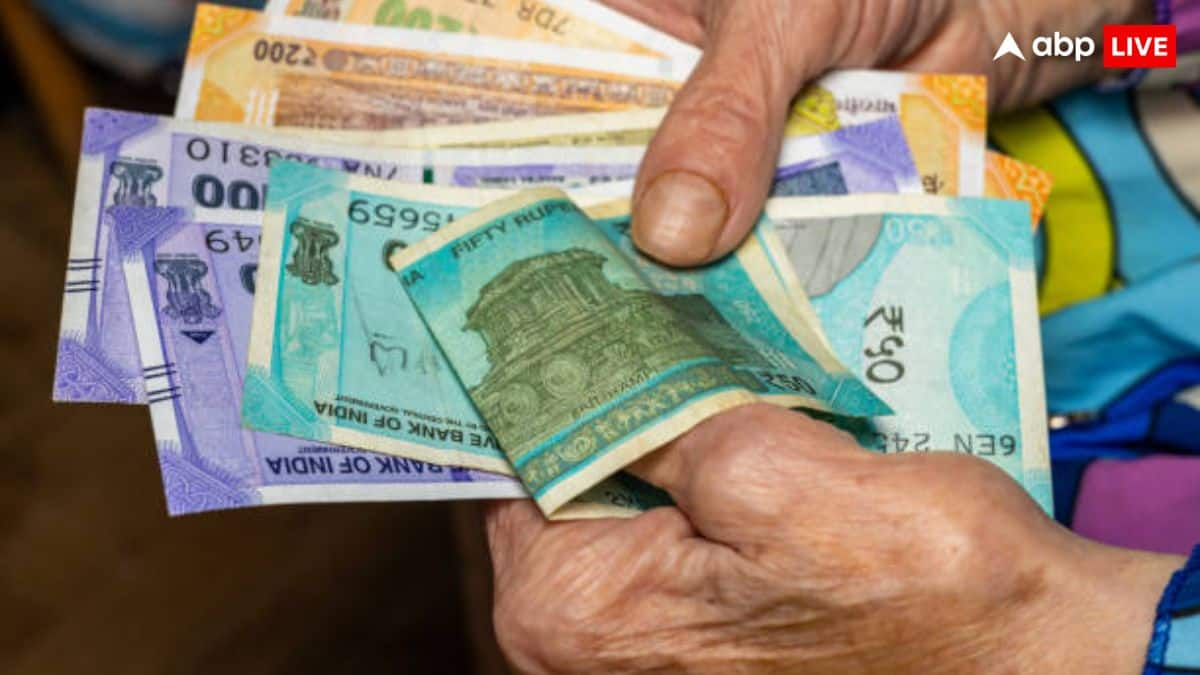
The long wait for central government employees and pensioners has seen a key development during the Winter Session of Parliament, with the government confirming that the process for the 8th Pay Commission has formally begun. However, the Centre has made it clear that the final decision on implementation is still pending, even as lakhs of employees and pensioners await clarity on revisions to salaries and pensions. Commission Rules Approved, Review Underway The central government approved the rules governing the 8th Pay Commission in November 2025 and has granted the panel 18 months to submit its report. This marks the formal start of the review of salaries, allowances and pensions for central government staff. Officials have indicated that any changes will only come after the Commission submits its recommendations and the Union Cabinet grants its approval. As a result, there will be no immediate change in salaries or pensions. Expected Pay and Pension Revisions Based on government data and trends observed in previous pay commissions, salary increases are estimated to range between 20 per cent and 35 per cent once the 8th Pay Commission is implemented. The actual revision will depend on the fitment factor, which is expected to fall between 2.4 and 3.0. For example, an employee drawing a basic salary of Rs 18,000 could see their pay revised to around Rs 30,000 to Rs 32,000 after implementation. Pensioners are also expected to benefit from revised pension payouts. The government has clarified that Dearness Allowance (DA) will continue to remain separate from basic pay, with no proposal to merge the two. When Will Revised Pay Reach Bank Accounts? According to reports, the revised pay structure is expected to take effect on paper from January 1, 2026. However, actual disbursement may be delayed. Past precedent suggests a lag between implementation and payment. The 7th Pay Commission, for instance, came into effect in January 2016, but Cabinet approval was granted in June, with payments reaching employees only after that. Similarly, the 8th Pay Commission has up to 18 months to submit its report, followed by Cabinet approval and departmental recalculations. As a result, revised salaries and pensions are likely to be credited to employees’ accounts only in the 2026–27 financial year.

Solar eclipses in 2026: Dates, timings, visibility and where to watch

Get ready for two spectacular solar eclipses in 2026! An annular 'ring of fire' event on February 17 will grace parts of South America and Africa. Later, on August 12, a breathtaking total solar eclipse will sweep across Greenland, Iceland, and northern Spain, with partial views for much of Europe. Remember to use certified eye protection for safe viewing.

Venkatesh Iyer Named Captain After IPL 2026 Auction

Soon after IPL 2026 mini-auction, Venkatesh Iyer has received a major leadership role, signalling that faith in his abilities remains strong despite an underwhelming IPL 2025 campaign. The all-rounder has been appointed captain of the Madhya Pradesh side for 2025-26 Vijay Hazare Trophy, country’s premier domestic one-day tournament, which is set to begin on December 24. At the IPL 2026 auction, Iyer attracted significant interest from multiple franchises. Royal Challengers Bangalore eventually secured his services for ₹7 crore, outbidding Gujarat Titans, Lucknow Super Giants, and his former franchise Kolkata Knight Riders, who pushed the bidding up to ₹6.80 crore before bowing out. Venkatesh Iyer takes charge Venkatesh Iyer will lead Madhya Pradesh in the Vijay Hazare Trophy, replacing Rajat Patidar as captain. Patidar, who guided RCB to IPL 2025 title, also oversaw strong performances by Madhya Pradesh in the Ranji Trophy and the Syed Mushtaq Ali Trophy. Given those results, his absence from the squad has come as a surprise to many. Madhya Pradesh reached the Super League stage of the Syed Mushtaq Ali Trophy earlier this season but failed to progress to the final. Iyer featured in 10 matches during the tournament, scoring 211 runs. The upcoming Vijay Hazare Trophy is expected to feature several high-profile names, with Virat Kohli, Rohit Sharma, and Rishabh Pant among the Indian stars set to take part. Madhya Pradesh squad for Vijay Hazare Trophy 2025-26: Venkatesh Iyer (captain), Harsh Gawli, Himanshu Mantri, Yash Dubey, Shubham Sharma, Harpreet Singh, Rishabh Chauhan, Ritik Tada, Kumar Kartikeya, Saransh Jain, Shivang Kumar, Aryan Pandey, Rahul Batham, Tripuresh Singh, Mangesh Yadav, Madhav Tiwari. Also on ABP Live | ISL Clubs Propose Club-Owned League, Seek AIFF Oversight And Perpetual Rights Also on ABP Live | After RCB-RR, Shah Rukh Khan's KKR Ready To Be Sold? Details Inside Also on ABP Live | Gujarat Titans' Big Call On Shubman Gill's Captaincy After IND vs SA T20I Struggles

Deadline Alert: PAN Cards May Become Inoperative Without Aadhaar Link

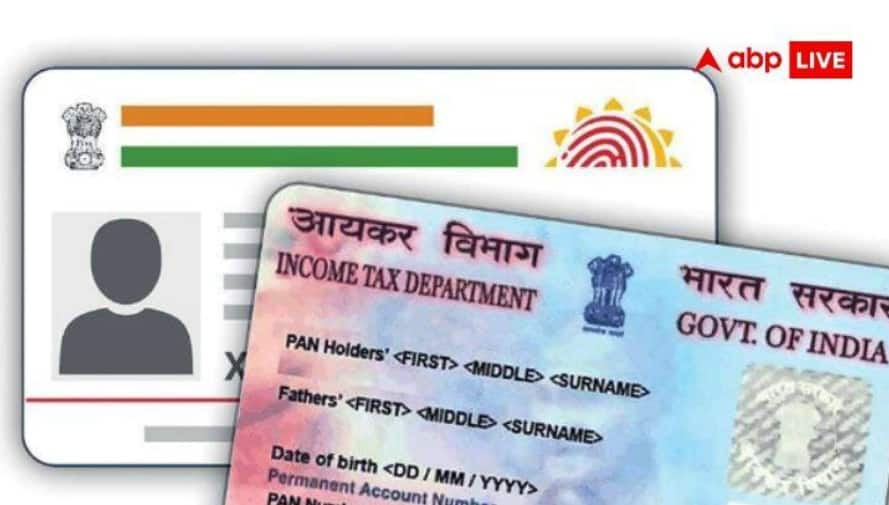
Taxpayers who have not yet linked their Permanent Account Number (PAN) with Aadhaar may need to act swiftly. The Income Tax Department has made PAN–Aadhaar linking mandatory for specific categories of PAN holders by December 31, 2025, failing which the PAN will become inoperative from January 1, 2026. An inoperative PAN can disrupt a wide range of financial and tax-related activities, including income tax filing, refunds, banking transactions and investments. Who Must Link PAN With Aadhaar Under Section 139AA(2A) of the Income Tax Act, Aadhaar–PAN linking is compulsory for individuals who were allotted a PAN on or before July 1, 2017, and who are eligible to obtain an Aadhaar number. This requirement applies to taxpayers, investors and individuals engaged in high-value or KYC-based financial transactions. The rule covers those who file income tax returns, undertake banking or investment transactions, or deal in the stock market, mutual funds or other high-value financial activities. If PAN–Aadhaar linking is not completed, the PAN will be rendered inoperative, restricting access to key financial services. Special Deadline for PAN Issued Using Aadhaar Enrolment ID In a notification issued on April 3, 2025, the Central Board of Direct Taxes (CBDT) introduced a specific timeline for individuals who obtained PAN using an Aadhaar Enrolment ID instead of an Aadhaar number. Such PAN holders must link their PAN with their actual Aadhaar number by December 31, 2025. If the process is not completed by then, the PAN will become inoperative from January 1, 2026. There will be no additional penalty for completing the linking within this window. However, for other PAN holders, the Rs 1,000 fee under Section 234H continues to apply as per existing rules. Consequences of an Inoperative PAN The implications of an inoperative PAN are significant and can effectively bring financial activity to a standstill. Income tax returns cannot be filed, and refunds will not be processed. Higher rates of TDS and TCS will be deducted under Sections 206AA and 206CC in the absence of a valid PAN. Forms 15G and 15H will not be accepted, affecting tax reliefs for eligible individuals. In addition, KYC verification failures may lead to disruption or freezing of bank accounts, mutual fund investments and stock trading. Refunds linked to an inoperative PAN will be withheld, and interest payouts may also be impacted. Penalty and Reactivation To reactivate an inoperative PAN, a penalty of Rs 1,000 must be paid, and additional verification may be required. The PAN typically becomes operational again within 30 days of completing the linking process. Taxpayers are advised to avoid initiating major financial transactions during this period, as KYC-related checks may fail. How to Link PAN and Aadhaar The PAN–Aadhaar linking process has been streamlined through the Income Tax e-filing portal. Users can access the “Link Aadhaar” option without logging in, enter their PAN, Aadhaar number and name, authenticate the request using an OTP, and submit the linking request. Those who missed earlier deadlines must pay the Rs 1,000 fee through the e-Pay Tax option. The linking status is generally updated on the portal within three to five days. Deadline That Matters The December 31, 2025 deadline is critical. Beyond the monetary penalty, failure to link PAN with Aadhaar could disrupt banking, investments and tax compliance. For individuals who used an Aadhaar Enrolment ID to obtain PAN, this deadline represents a final opportunity to regularise their records and avoid financial disruptions.

Dalal Streets Witnesses Robust Trade As Sensex Gains Over 450 Points, Nifty Tests 26K

The Indian benchmark indices witnessed significant gains as the Sensex ended higher by 431 points at 84,913.01 and the Nifty jumped 145 points to close trade at 25,960.80 at 3:30 PM on Friday. In the 30-share BSE Sensex, Bharat Electronics, TMPV, PowerGrid, Reliance and Asian Paint. Meanwhile, the laggards included Sun Pharmaceuticals, ICICI Bank, Kotak Bank and HCLTech. In the broader markets, the Nifty Smallcap 50 gained 1.40 per cent as volatility remained high. Sectorally, the Nifty Midsmall IT & Telecom index rose 1.75 per cent. In the previous session, the Sensex opened higher at 84,804.98 rising over 300 points and the Nifty gained over 90 points and opened trade at 25,907.20. Asian Markets Trade Higher Asian equity markets were largely in the green, with South Korea’s Kospi, Japan’s Nikkei 225, China’s Shanghai SSE Composite and Hong Kong’s Hang Seng index all trading in positive territory. US markets also ended higher on Thursday, providing supportive cues to global equities. Institutional Investors Remain Net Buyers Foreign Institutional Investors (FIIs) purchased equities worth Rs 595.78 crore on Thursday, according to exchange data. Domestic Institutional Investors (DIIs) also remained supportive, buying stocks worth Rs 2,700.36 crore in the previous trading session. Cooling US Inflation Lifts Sentiment VK Vijayakumar, Chief Investment Strategist at Geojit Investments Limited, said cooling inflation in the US is imparting resilience to the American economy and markets. He added that this development augurs well for global equity markets as 2025 draws to a close. Crude Oil Edges Lower, Global Markets Brent crude, the global oil benchmark, slipped 0.23 per cent to USD 59.68 per barrel. Ponmudi R, CEO of online trading and wealth-tech firm Enrich Money, said global markets are trading with a positive bias, led by firm gains in US equities. He noted that lower-than-expected November consumer price inflation data in the US has reinforced expectations of further interest-rate cuts by the US Federal Reserve, prompting a shift towards a risk-on environment.

After RCB-RR, Shah Rukh Khan's KKR Ready To Be Sold? Details Inside

The mini-auction for the 19th edition of Indian Premier League took place on December 16, 2025, at Abu Dhabi’s Etihad Arena. Just days after the auction concluded, significant developments have surfaced around one of the league’s most successful teams, Kolkata Knight Riders. Reports now suggest that the three-time IPL champions are considering selling a stake in the franchise, making KKR the third team to be linked with ownership changes ahead of the 2026 season. Earlier, speculation had emerged about the possible sale of defending champions Royal Challengers Bangalore, followed by similar reports involving IPL’s inaugural winners, Rajasthan Royals. With KKR now joining the list, talk of a broader ownership shake-up in the league has intensified. Which stake could be offloaded? According to a Moneycontrol report, the Kolkata-based franchise - jointly owned by Shah Rukh Khan and Juhi Chawla-Jay Mehta - is likely to initiate the stake-sale process sometime in 2026. Unlike RCB and Rajasthan Royals, however, the proposed transaction would involve only a minority holding. Diageo, which owns Royal Challengers Bangalore, has already indicated its intention to complete a full sale before March 2026, and Rajasthan Royals are also expected to see a complete change in ownership. KKR’s case is different. The report claims that only a limited portion of shares may be offered, and the move would not result in a shift of control. At present, it is understood that the Mehta Group is exploring the sale of a small stake. Current ownership structure Kolkata Knight Riders is operated under Knight Riders Sports Private Limited and is co-owned by Bollywood actor Shah Rukh Khan, actress Juhi Chawla, and her husband Jay Mehta. Shah Rukh Khan's Red Chillies Entertainment holds a 55 percent share in the franchise, while the remaining 45 percent is owned by the Mehta Group. KKR has been part of the IPL since the league’s inaugural season in 2008. At the time, Red Chillies Entertainment and the Mehta Group acquired the franchise for $75 million (around ₹298 crore then), making it the seventh-costliest team among the original eight franchises. On the field, Kolkata Knight Riders have enjoyed notable success, lifting the IPL trophy in 2012 and 2014 before claiming their third title in 2024, a decade later.