Language Settings
Select Website Language
newshunt
newshunt

Filters

Channels
Topics
Other Filters

Hair Transplant vs Genetics: The Hidden Factor Behind Long-Term Hair Loss Success

{By: Dr. Mayank Singh} In recent years, hair transplantation has become one of the most sought-after aesthetic procedures for individuals struggling with hair loss. Yet, as Dr. Mayank Singh, frequently observes, the conversation often jumps straight to surgery without addressing the deeper question: Is the root cause, genetics being overlooked? While surgical techniques have evolved dramatically, the biological foundation of hair loss remains largely unchanged. For most individuals, the real driver behind thinning hair is genetic programming, and ignoring this fact can lead to unrealistic expectations and incomplete treatment plans. ALSO READ: Immunity 2.0 Explained: The Simple Indian Foods Behind The Biggest Wellness Trend Genetics At The Core Of Hair Loss The most common form of hair loss in both men and women is Androgenetic Alopecia (AGA), a condition driven largely by inherited factors. Scientific literature suggests that up to 80% of the predisposition for AGA comes from genetics, making it one of the most heritable dermatological conditions. AGA occurs when certain hair follicles, typically on the frontal and crown regions, become genetically sensitive to dihydrotestosterone (DHT). This hormone gradually miniaturizes the follicles, shortening their growth cycle and producing progressively finer strands until growth eventually ceases. Importantly, this process is polygenic: multiple genes influence androgen sensitivity, follicular signaling pathways such as Wnt/β-catenin, and the regenerative capacity of follicle stem cells. Due to this complexity, individuals with similar family histories may show vastly different patterns and ages of onset. One sibling may begin thinning at 21, while another may retain dense hair well into their 40s. Genetics sets the blueprint, but environmental and hormonal factors decide how quickly the blueprint unfolds. How Genetics Shapes The Success Of A Hair Transplant Modern hair transplants, through FUE or FUT techniques, rely on relocating follicles from the “permanent zone,” typically the back and sides of the scalp. These regions are genetically resistant to DHT, which is why transplanted hair often provides long-lasting results. However, genetics continues to influence the scalp even after surgery. Native hair remains vulnerable: Hair that has not been transplanted continues to miniaturize if genetically programmed to do so. Future thinning may create mismatched density: A dense transplant surrounded by thinning native hair can lead to an uneven or “patchy” appearance. The need for maintenance becomes essential: Transplants do not halt genetic progression; therefore, medical therapy is often required to maintain overall density. Why Overlooking Genetics Can Be Problematic Progressive Loss Despite Surgery: If the patient’s genetic hair loss remains active, thinning will continue around the transplanted area. Without medical management, this can compromise the aesthetic appearance over time. Donor Depletion Risks: Since donor hair is finite, poorly planned surgeries that do not consider long-term genetic progression can over-harvest the donor area, leaving insufficient grafts for future correction. Unrealistic Expectations: Some individuals expect a transplant to restore the density they had in their teenage years. Genetics — including hair calibre, texture, and available donor supply — naturally limits what can be achieved. Increased Need For Secondary Procedures: Ignoring genetics often leads to multiple corrective sittings, especially if surrounding native hair continues to thin. A Comprehensive, Genetics-Informed Approach Experts recommend a multi-layered strategy when managing hair loss: Accurate Diagnosis: A complete evaluation helps determine whether the hair loss is truly AGA or caused by nutritional deficiencies, stress, hormonal fluctuations, systemic illness, or autoimmune conditions. Medical Therapy As A Foundation: Long-term treatments that slow follicular miniaturization — such as DHT-modulating medication or topical therapies — help maintain native hair and protect overall density after transplantation. Phased, Long-Term Transplant Planning: Since donor hair is limited, responsible planning ensures sustainability over decades, not just for short-term visual improvement. Informed Expectations: Patients benefit from understanding that the goal is natural improvement, not genetic reversal. Lifestyle And Health Factors: While genetics play a dominant role, factors such as stress, sleep quality, diet, and general health can influence the rate of progression and the quality of remaining hair. A transplant is most effective when integrated into a broader strategy that respects the biological realities of hair loss. Hair transplantation remains a powerful solution for restoring lost hair and confidence. Yet, without acknowledging the genetic foundation of Androgenetic Alopecia, even the best surgical outcomes may fall short in the long term. Surgery can fill the gaps, but it cannot rewrite genetic programming. A responsible, holistic approach, blending medical therapies, staged planning, and realistic goals, ensures that patients achieve long-lasting, natural results. As the field advances, the conversation must shift from simply “How many grafts?” to “What does your genetic roadmap look like?” The author, Dr. Mayank Singh, is MCh Plastic Surgery, ABHRS, FISHRS, Founder, CROWN, New Delhi and President of the Association of Hair Restoration Surgeons of India (AHRS). [Disclaimer: The information provided in the article is shared by experts and is intended for general informational purposes only. It is not a substitute for professional medical advice, diagnosis, or treatment. Always seek the advice of your physician or other qualified healthcare provider with any questions you may have regarding a medical condition.]

Best Of 2025: From Nexon To Creta, SUVs Owned The Year

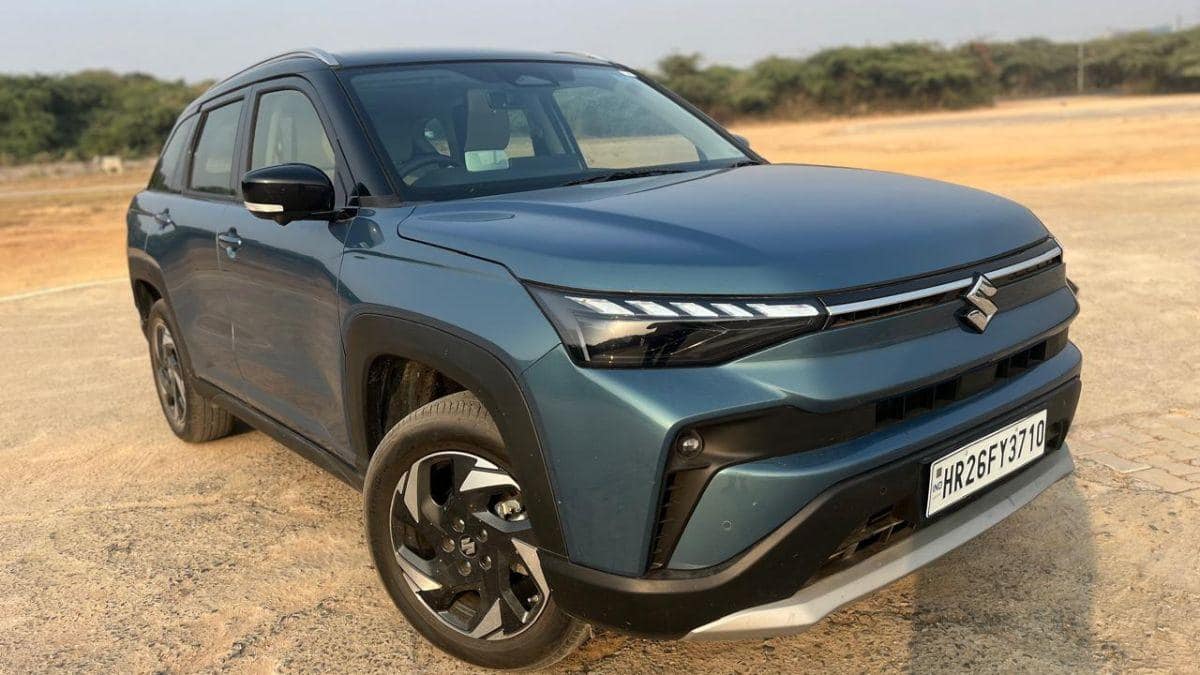
The year 2025 again showed how the Indian car buyer continues to prefer SUVs more than any other car. In Fact this year the sales of SUVs went through the roof thanks to the GST cuts further propelling demand. It is clear that an SUV is the most desirable car and if given a choice that's what we are buying the most. The best selling cars for India happened to be SUVs with the Tata Nexon taking the lead with incredible sales while the same can be said for the Hyundai Creta which is the best selling 4m plus SUV. The Creta and Nexon have witnessed huge demand this year and have increased over the cars being more affordable now. Strong Demand Across Brands and Segments Other than the Creta and Nexon, we saw the likes of the Tata Punch, Maruti Brezza and the Fronx getting huge sales too. For SUV specialist Mahindra, the Scorpio N and the XUV700 continue to be popular. Mahindra has increased its sales and it only makes SUVs while its electric SUVs also became popular within the EV space including the XEV 9e. It will now further increase its range. Maruti Suzuki is also expanding its SUV range which means the Victoris is the latest addition and that has now outsold its sibling the Grand Vitara while together it has yet again given Maruti Suzuki a lead in the 4m plus segment. The huge hype for the Tata Sierra means that it has opened bookings to a whopping 70,000 units and it plans to put on a strong show in 2026. It seems India is in love with SUVs and that will increase further onto the next year.

The Everyday Immunity Formula: 6 Daily Habits To Strengthen Your Immune System

Winter often puts our immune system to the test. Shorter days, colder weather, disrupted routines, poor food choices, lack of sleep, and rising stress levels can quietly weaken the body’s natural defenses. While immunity may seem complex, it is often our everyday habits that decide how strong or vulnerable we become. The good news is that small, consistent lifestyle choices can help the body stay resilient. From what you eat to how you rest and recover, these daily habits work together to support immunity from within. ALSO READ: Stress, Anxiety, Burnout: Natural Way That Can Help You Regain Calm Eat To Build Your Inner Shield (Image Source: Canva) The food you eat every day plays a direct role in how well your immune system functions. A balanced diet rich in natural vitamins, minerals, and antioxidants helps the body produce and activate immune cells efficiently. Including whole foods, seasonal fruits, vegetables, nuts, seeds, and fermented options nourishes the gut, where a major part of immunity begins. Choosing real, unprocessed foods over packaged options gives your body the strength it needs to defend itself. Move With Purpose, Not Pressure (Image Source: Canva) Regular movement keeps the immune system alert and responsive. Moderate exercise improves blood flow, allowing immune cells to move freely and do their job more effectively. Strength-based workouts help reduce internal inflammation, while cardio supports better oxygen delivery throughout the body. Gentle practices like stretching or yoga calm the nervous system, reminding us that balance, not excess, is what keeps immunity strong. Let Sleep Repair And Restore (Image Source: Canva) Sleep is when the body quietly resets and repairs itself. During deep rest, immune defenses are strengthened and recovery processes are activated. Consistently missing out on quality sleep can leave the body more vulnerable and slow its ability to bounce back. A calm nighttime routine, limited screen time, and a comfortable sleep environment can turn rest into one of your strongest immunity allies. Ease Stress Before It Drains You (Image Source: Canva) Stress has a subtle but powerful impact on immunity. When it becomes constant, it can weaken the body’s ability to respond to threats. Simple practices like mindful breathing, quiet reflection, light physical activity, or spending time doing what you enjoy can help restore emotional balance. Even moments of laughter and connection act as natural stress relievers, gently protecting immune health. Stay Hydrated, Stay Defended (Image Source: Canva) Water supports nearly every process in the body, including immune protection. Proper hydration helps flush out unwanted substances and keeps protective barriers in the body functioning well. Sipping water regularly throughout the day keeps cells energised and systems running smoothly. Warm herbal drinks can also provide comfort while adding a gentle antioxidant lift during colder months. Protect Through Clean Habits And Recovery (Image Source: Canva) Immunity is also shaped by the small actions we often overlook. Regular handwashing reduces unnecessary exposure to germs, while clean surroundings limit daily immune stress. Just as important is giving the body enough recovery time after physical effort, allowing muscles and systems to rebuild. These simple habits quietly strengthen resilience, day after day. [Disclaimer: The information provided in the article is intended for general informational purposes only. It is not a substitute for professional medical advice, diagnosis, or treatment. Always seek the advice of your physician or other qualified healthcare provider with any questions you may have regarding a medical condition.]

IPL 2026: 5 Cricket Stars Bought For Shockingly Low Prices In Auction

Indian Premier League (IPL) 2026 mini-auction brought a few unexpected surprises. While franchises spent big on uncapped players, several seasoned stars went for prices far below expectations. Fans and analysts anticipated higher bids for these experienced cricketers, but the auction results told a different story. David Miller - Delhi Capitals South African veteran David Miller was snapped up by Delhi Capitals at his base price of ₹2 crore. Having played over 140 IPL matches and scored more than 3,000 runs, Miller is renowned for his match-finishing skills. Despite his impressive record, he didn’t attract competing bids. Ben Duckett - Delhi Capitals England opener Ben Duckett also joined Delhi Capitals at his base price of ₹2 crore. Known for his aggressive batting and quick scoring in T20 cricket, Duckett’s acquisition is considered a valuable addition for Delhi at such a low cost. Sarfaraz Khan - Chennai Super Kings Sarfaraz Khan, a consistent performer in domestic cricket, went unsold in the first round. However, Chennai Super Kings picked him up in the second round at his base price of ₹75 lakh. Considering his batting talent, this is widely seen as a bargain deal. Quinton de Kock - Mumbai Indians South African wicketkeeper-batsman Quinton de Kock was acquired by Mumbai Indians for just ₹1 crore. De Kock, a major international star with an outstanding IPL record, represents a huge value buy for Mumbai at such a low price. Akash Deep - Kolkata Knight Riders Indian pacer Akash Deep was picked up by Kolkata Knight Riders at his base price of ₹1 crore. Having impressed in both domestic and international matches, Akash Deep’s inclusion could be a key asset for KKR. When will IPL 2026 start? IPL 2026 season is scheduled to begin on March 26, 2026, with the tournament running until May 31, 2026. The opening match will kick off the 19th edition of the Indian Premier League, with the final set for the end of May.

Netizens React To Pak Top Cop's Podcast Account Of Murder Case, Call It ‘Scripted’

A video clip featuring Pakistani police officer Shehr Bano has gone viral after she abruptly left a podcast recording to respond to what she later described as a murder case. During the recording, Shehr Bano is seen answering a phone call, saying, “I am getting a call. Okay, it’s a call from the SHO. Yes, Khurram? Yes? Where? The person has been caught? Very good. Wait, I am coming… Goodbye.” Tf is this??😭pic.twitter.com/Q0LsnKIGMQ — Ghar Ke Kalesh (@gharkekalesh) December 23, 2025 She then tells the podcaster, “You all stay here as you are. A murder has taken place; I’ll quickly handle it and come back, okay?” The podcaster responds, “Okay.” ‘One Hour Later’: Return to the Studio The video then cuts to a caption reading “One Hour later”, after which the podcaster asks about the emergency. “Ma’am, you had just gone for an emergency, and we really like this dedication of yours — that you are loyal to your job. So what happened?” Shehr Bano replies briefly, “Murder.” Details of the Incident When asked for further details, Shehr Bano explains, “It happened in Defence Phase A, in K Block, which falls under our Police Station A.” She adds that the accused and the victim were friends, and the murder was allegedly planned following a dispute over money: “A friend, out of frustration… because he had taken money from another friend, and when the money was demanded back, he got angry and, in a planned manner, killed his friend.” Shehr Bano further states that relatives became suspicious when calls went unanswered and went to the house to enquire: “Then they went straight to the police station. The police responded immediately and caught the person red-handed.” Hostages Found Safe According to Shehr Bano, others were being held illegally inside the house, “A child was being held hostage, and a pistol was pointed at them.” She confirms that the accused was arrested and those confined were rescued safely, “That is, the police arrested the murderer. And those who were kept in illegal confinement are safe.” She adds that the victim had already been killed by the time police arrived, “The person who was murdered, who was his friend, had already been killed by him. And the police found the body in the drawing room.” Social Media Reacts The exchange has sparked sharp reactions online, particularly on X (formerly Twitter), with several users questioning the authenticity and presentation of the episode. While some netizens reacted saying, "Ye script likhta kaun hai?", certain other said "kalesh kidhar hai?" Yet another netizen emphasized on the fact that they are really doing this and then another one said that he really respects Arjun Kapoor "after seeing the acting of these actors." Further, yet another user commented that Pakistan is made from a different material.

NORAD Santa Tracker Live: Santa Claus And His Reindeers Set Off! When Will He Come To India? Track Here

NORAD Santa Tracker Live: Santa Claus and his reindeer have officially taken off for the most anticipated night of the year, beginning their whirlwind journey that will see billions of gifts delivered across the globe in under 24 hours. After weeks of preparation at his North Pole workshop, Father Christmas has set out westward, launching a carefully timed route that spans multiple continents. His journey will first take him across the South Pacific before sweeping through Asia, then onward to Africa and Europe, before crossing the Atlantic to complete his Christmas Eve mission in the Americas. A Christmas Eve Tradition Since 1955 Every year on Christmas Eve, the North American Aerospace Defense Command, better known as NORAD, delights children and families by offering real-time updates on Santa’s sleigh as it travels through the skies. What began as a happy accident has since become a cherished global tradition. The custom dates back to 1955, when a misprinted phone number in a department store advertisement led a child to call a Colorado military command centre, hoping to speak with Santa Claus. Instead of turning the child away, the officer on duty played along, and the NORAD Santa Tracker was born. ALSO READ | NORAD Santa Tracker: How A Misdialled Call Turned Into A Beloved Christmas Tradition For Nearly 7 Decades Millions Follow Santa’s Journey Worldwide Today, the tradition has grown into a worldwide phenomenon. Each year, at least 100,000 children call NORAD to ask where Santa is, while millions more track his progress online in nine different languages as he flies along the Earth’s meridians. Families can follow Santa’s route in several ways this Christmas Eve, including through the official NORAD Santa Tracker website and the Google Santa Tracker, both of which provide live updates, festive visuals and interactive features as Santa and his reindeer make their way closer to India. As midnight approaches and excitement builds, one question remains on every child’s mind: how close is Santa now?

Tata.ev’s Next Big EV Push: Sierra EV And New Punch Electric Coming In 2026

Tata.ev will increase its electric car portfolio with the launch of the new Sierra EV and the new Punch EV by CY 2026. The Sierra EV will be based on a different platform and will get a slightly different design language as well when compared to the ICE Sierra including a blanked off front end. The wheels would be different too as would be the interiors which will get a different upholstery. The Sierra EV will get single and dual motor battery packs while the dual motor battery pack will mean that it will be the second Tata after the Harrier EV to get AWD. The Sierra EV will also be positioned above the Curvv EV and below the Harrier EV. We expect the Sierra EV to be priced at a premium when compared to the ICE Sierra version. It will be one of the first and one of the key new launches for Tata in the EV space. Punch EV Update and Charging Network Expansion Not just that as the new Punch EV has also been confirmed by Tata.ev as it will be the facelifted version of the Punch electric. The Punch EV will get cosmetic design updates and new interior features while we may get to see more range as well. The Punch EV will be coming in most likely after the Sierra EV as the carmaker increases its product range plus will increase localisation as well for its electric cars. Going forward Tata.ev will have a wider EV network and by CY27, it says it will have 400,000 charge points including over 30,000 public fast chargers through TATA.ev Open Collaboration framework. By 2030, Tata.EV also promises 1 million charge points and 100,000 public charge points via TATA.ev Open Collaboration. Driving Experience and Performance The digital rear view mirror is an useful feature and we loved it since it is useful plus having many customisations too. Anyways, the driving bit matters and here the 1.5l turbo is refined at start with minimal noise while the 6 speed TC gearbox works well with the engine. We think this gearbox works better than a dual clutch and is smooth at low speeds. It's not slow either and matches the cruising style of the Safari. Power delivery is linear and it works as a smooth, effortless big SUV while only putting your foot down makes the engine a bit noisy. The Safari petrol is best driven with a relaxed touch and works here. If you are wondering if the big Safari would be underpowered with a 1.5l turbo then you are wrong as it's ample plus the suits this car over the diesel which is louder. Even the mileage is better than some other Tata SUVs around 10kmpl. It feels lighter than the diesel and has a better ride although the big wheels enable for a slightly low speed firmness especially over potholes or broken patches. As always the lighter steering makes driving this SUV effortless also. Overall, the Safari petrol is massively more desirable than the diesel and suits its role as a premium SUV. Yes, it's not underpowered and the new features further makes this a good value premium SUV as the toughness remains but now it works better as a premium SUV with this petrol.

Cybersecurity In The World Of Automotives: Protecting Users In An Era Of Connected, Intelligent Mobility

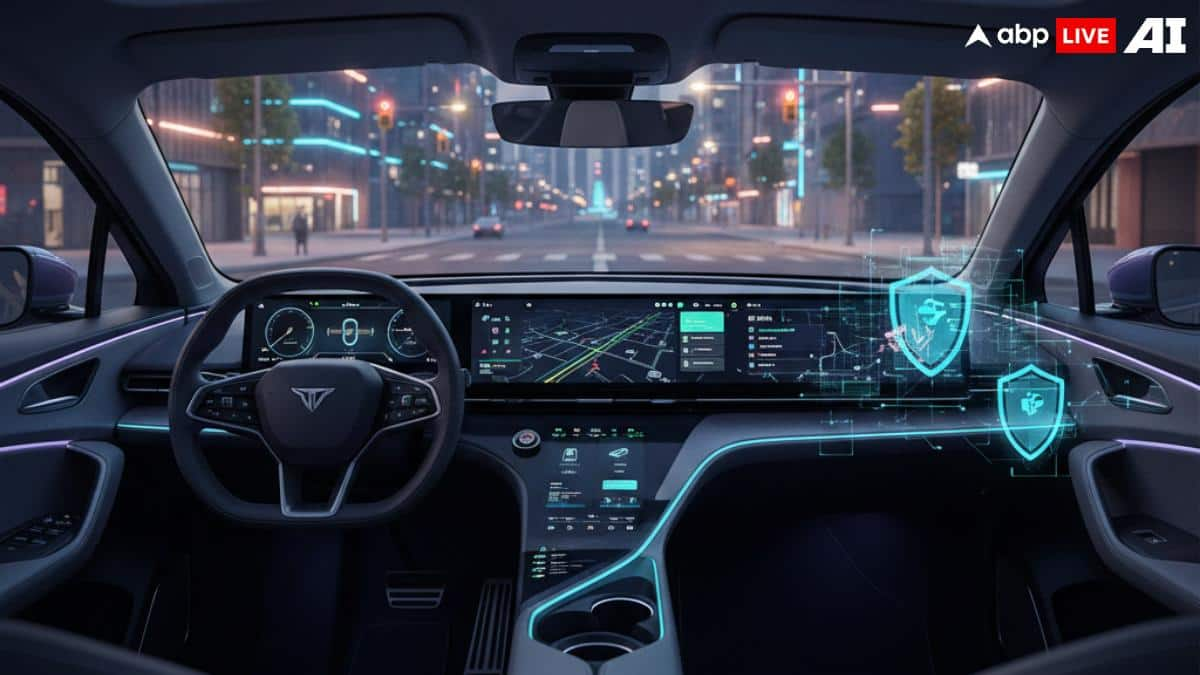
By Deepak Samaga The automotive industry is experiencing a significant transformation, unlike any other in its past. Gone are the days of solely relying on occasional software to support basic mechanical machines - the new norm is software-driven, cloud-connected digital platforms. Popular features like ADAS, connected car services, smartphone integration, and over-the-air (OTA) updates are quickly becoming mainstream in all markets, revolutionising the way users engage with their vehicles. With increased connectivity comes heightened vulnerability to cyber threats. The contemporary vehicle is now integrated into a constantly evolving digital world, making cybersecurity essential for ensuring user safety, privacy, and trust. Expanding Attack Surface: What Modern Users Are Vulnerable To As vehicles continue to interact with external devices, infrastructure, and cloud systems, this creates numerous opportunities for malicious actors. Some primary concerns involve: Connected Apps and Smartphone Integration Users depend on mobile apps for remote lock/unlock, vehicle status, route planning, charging control, and more. Risk: There is a risk that compromised phones or insecure apps could give attackers indirect access to the vehicle. ADAS & Sensor Systems ADAS and sensor systems are essential components in modern vehicles. They play a crucial role in ensuring the safety and efficiency of driving by providing real-time data and assistance to drivers. These systems use various sensors, such as cameras, radars, ultrasonic sensors, and LiDAR, to monitor the surroundings of the vehicle and assist in detecting potential hazards. Risk: One potential risk is the manipulation of sensor data or spoofing, which has the potential to hinder important functions such as lane assist and collision avoidance. In-Vehicle Networks and Interfaces CAN and LIN, being legacy protocols, were developed without considering security implications. Risk: If a perpetrator gains access to a non-essential system (such as an infotainment system), they could then make efforts to infiltrate essential safety-focused electronic control units. Over-the-Air Updates The introduction of OTA has completely transformed vehicle maintenance, yet it also creates a way for remote entry. Risk: Unauthorised firmware, cloned update servers, or attacks that result in the rollback of updates. Personal Data Stored in Vehicles Vehicles keep track of navigation records, contacts, vocal preferences, and multimedia logins. Risk: There is a potential risk of sensitive personal data being stolen, whether through physical means or remotely. The ever-growing risk environment highlights the importance of cybersecurity, shifting it from a technical matter to a critical safety precaution for all users. How can Users Protect Themselves? As automotive cybersecurity frameworks continue to be strengthened by both OEMs and regulators, it's important to recognise the crucial role that end users also play. Some practical safety measures for the users: View the Vehicle as a Digital Device: Use robust passcodes for internet-connected services. Utilise multi-factor authentication where available Ensure the safety of your smartphone, as it serves as the main access point. Ensure that the mobile operating system remains up-to-date on a regular basis Do not access connected car apps on shared or public devices Before selling or servicing a vehicle to an outside party, make sure to disable any app access Steer clear of unofficial third-party add-ons that have not been verified Avoid the use of aftermarket OBD devices, unauthorised apps, or non-approved telematics systems, as far as possible, as they may create security weaknesses Be sure to promptly install any OTA updates. OTA releases frequently include security patches as well. Ensure that update notifications come from authorised OEM sources Manage Digital Privacy Settings. Check the authorisations given to applications and linked services. Prior to leasing, transferring ownership, or passing on the vehicle to another individual, make sure  to erase any personal information By following these simple steps, users can significantly decrease their risk level. Industry Developments: The New Layers of Automotive Security In response to ever-evolving threats, the industry is adopting multilayered cybersecurity strategies. Secure Vehicle Architectures: Making  the transition to zonal and service-based architectures, incorporating ECU isolation, communication firewalls, and secure gateways Regulatory and Standardisation Momentum: The drive towards regulation and standardisation is gaining traction. Regulations like ISO/SAE 21434 and UNECE WP.29 R155/R156 mandate the implementation of cybersecurity measures throughout the entire lifespan of a vehicle Hardware-Backed Security: Hardware Security Modules (HSMs) are becoming more common in ECUs, as they offer a range of security features such as encryption, secure boot, and authenticated updates Intrusion Detection and Response Systems: Utilising cutting-edge techniques such as anomaly detection, AI-driven intrusion detection, and cloud-integrated threat intelligence for real-time surveillance Secure Development and Testing via Digital Twins: Sophisticated virtualisation and digital twin environments are being utilised to pre-approve OTA software, replicate cyberattacks, and detect vulnerabilities beforehand The industry is moving from a reactive approach to proactive cybersecurity-by-design, which is crucial in an ever-changing landscape of automotive software. Cybersecurity As Foundation Of User Trust With increasing levels of autonomy, connectivity, and reliance on software in vehicles, cybersecurity is becoming a backbone of user safety and a symbol of trust. The future of mobility will be shaped not only by innovation in electrification or autonomous driving but also by the industry’s ability to protect users’ digital lives. In today's world of automotives, cybersecurity is now a fundamental requirement rather than an afterthought. The ultimate measure of responsible innovation will continue to be ensuring the safety and security of users. (The author is the Vice President of Business Development at Vayavya Labs Pvt. Ltd) Disclaimer: The opinions, beliefs, and views expressed by the various authors and forum participants on this website are personal and do not reflect the opinions, beliefs, and views of ABP Network Pvt. Ltd.

‘Unconcerned About The Price Tag’: KKR Coach Explains Cameron Green’s Record IPL Auction Signing

New Delhi: Kolkata Knight Riders head coach Abhishek Nayar has defended the franchise’s record-breaking move for Australian all-rounder Cameron Green, describing him as a long-term investment to take the three-time IPL champions forward following the retirement of Andre Russell. Green emerged as the headline signing of the IPL 2026 auction in Abu Dhabi last week after KKR secured him for a record-breaking Rs 25.20 crore, making him the most expensive overseas player in IPL history and the third-costliest buy overall after Rishabh Pant and Shreyas Iyer. Explaining the franchise’s aggressive approach at the auction, Nayar told JioStar that KKR were determined to land Green and were unconcerned about the price tag, saying, “I can't say how high we were willing to go for him, but we wanted to go all out. If we have the money, we spend it. There was no point in saving the money. The idea was to do whatever we could to get Green because he is a very important player for us. With Andre Russell gone, we need someone to take the franchise forward. So, we decided we must have Cameron Green.” Nayar also revealed that KKR see Green as a key top-order batter capable of delivering consistently across the season. “We see Cameron Green batting in the top three. He is a player who can score 500 runs for us. That is why we were so desperate to get him. We know he has that ability. He has scored over 500 runs in the IPL before, so he can do well in the top order. He solves different problems for us,” he added. The head coach highlighted the importance of top-order contributions in KKR’s past successes. “Over the past few years, our success came when our top three players scored more than 400 runs. The hope is that he can score big runs for us.” Nayar also addressed KKR’s unsuccessful attempt to bring back Venkatesh Iyer, who was snapped up by Royal Challengers Bengaluru at the auction. He said, “Venkatesh Iyer has been a franchise player for us from the start. We tried to get him back. We felt other teams were saving money for different players, so we thought we could get him at a lower price. He is experienced and fits our setup, giving us flexibility.” However, he acknowledged the challenge posed by rival franchises during the bidding process. “We tried, but RCB always seems to go after our players. This year they got him. Venkatesh has been phenomenal for us over the years, and I wish him all the best in his new IPL journey.” (This report has been published as part of the auto-generated syndicate wire feed. Apart from the headline, no editing has been done in the copy by ABP Live.)

Mountain older than memory: How new 'definition' of Aravalli risks undercutting 'Viksit Bharat'

India's ancient Aravalli Range faces a new definition crisis after a Supreme Court ruling. The court accepted a 100-meter elevation threshold for identifying the hills, sparking concerns among environmentalists. Critics argue this narrow view ignores the range's vital ecological functions, potentially opening it to unchecked mining and real estate development, threatening water security and climate stability.

US labour market: After affordability concerns, America faces its next hurdle — a ‘stagnating’ job landscape

US job growth is significantly slowing, with hiring at its weakest in two decades. While the economy isn't contracting, this trend, fueled by retirements and immigration restrictions, suggests a stable but uneven labor market. Experts warn of a potential K-shaped recovery, benefiting the wealthy while straining others, with AI adding further uncertainty.