Language Settings
Select Website Language
newshunt
newshunt

Filters

Channels
Topics
Other Filters

Holi 2026: First Lunar Eclipse On Holi Day; These 3 Zodiac Signs Must Remain Cautious

Holi 2026: As the new year begins, astrology lovers are already discussing a rare celestial event, the first lunar eclipse of 2026 will occur on Holi, making the festival spiritually and astrologically significant.This total lunar eclipse will take place on 3 March 2026, during the Phalguna Purnima, and it will be clearly visible across India, making the Sutak period fully applicable. During a total lunar eclipse, the Earth’s shadow completely covers the Moon, turning it deep red, a phenomenon known as the Blood Moon. According to Vedic astrology, eclipses deeply influence human emotions, mental energy, health, sleep, unborn children, and planetary outcomes. The Holi 2026 eclipse is believed to strongly affect several zodiac signs, particularly the following three. ALSO READ: January 2026 Vrat-Tyohar: From Makar Sankranti To Basant Panchami, Know Dates For Each Festival Virgo (Kanya Rashi): Obstacles, Financial Loss, And Emotional Strain For Virgo natives, the Holi eclipse may trigger professional obstacles, financial instability, emotional unrest, and health negligence. Old projects may face delays, and conflicts in relationships could arise. Avoid unnecessary arguments and focus on discipline, routine and self-care. Capricorn (Makar Rashi): Accidents, Expenses, And Career Changes Capricorn individuals must remain extremely cautious. There is risk of accidents, hidden enemies, rising expenses and possible job changes. Avoid risky activities, control spending and strengthen savings during this period. Pisces (Meen Rashi): Health Issues And Mental Worries Pisces natives may experience physical ailments, hidden worries and obstacles in ongoing work. Emotional stability will be essential. Avoid overthinking and maintain spiritual discipline. Lunar Eclipse Precautions During Holi 2026 Because the eclipse is visible in India, Sutak rules apply. Avoid the following activities: Eating food Starting new ventures Touching temple idols Stepping outdoors unnecessarily Hair cutting or shaving Arguments, anger, negative thoughts Such actions disturb mental and spiritual balance during eclipse hours. Why Holi 2026 Is Spiritually Powerful Eclipses amplify karmic energy. This Holi, prayers, meditation, chanting and acts of charity will be especially rewarding. Observing discipline during the eclipse can protect against its negative impact and invite positive transformation. [Dislaimer: The content of this article is based solely on astrological predictions, and should be taken as general guidance. Individual experiences may vary. ABPLive.com does not assert the accuracy or validity of any claims or information presented. It is strongly recommended to consult a qualified expert before considering or implementing any information or belief discussed herein.]

'At Least 80 Drones In 36 Hours': Pakistan Deputy PM Admits Nur Khan Base Hit In Op Sindoor

Pakistan has publicly acknowledged the impact of India’s precision military strikes on its air bases during Operation Sindoor, launched in May this year in retaliation for the April terror attack in Pahalgam that killed 26 civilians. At a year-end press briefing on Saturday, Pakistan’s Deputy Prime Minister and Foreign Minister Ishaq Dar confirmed that Indian drones had struck the Nur Khan Air Base in Rawalpindi’s Chaklala area. Damaging military infrastructure and injuring personnel stationed there. Dar said India had launched a wave of drone incursions over Pakistani territory within a 36-hour window. “They sent at least 80 drones. We intercepted 79 of them. One drone damaged a military installation and personnel were injured,” he stated. Emergency Meet After Strikes The Nur Khan Air Base is a major Pakistan Air Force facility and was among 11 air bases targeted by Indian strikes during Operation Sindoor. Other bases hit included Sargodha, Rafiqui, Muridke, Jacobabad, and Bholari, according to Indian defence sources. Dar further revealed that Pakistan’s civil and military leadership, led by Prime Minister Shehbaz Sharif, held an emergency meeting on the night of May 9 to decide on responses to the evolving situation. He described India’s early morning strike on May 10 as a “mistake”. Satellite Images Confirm Damage India launched Operation Sindoor in the early hours of May 7, targeting nine terror camps in Pakistan and Pakistan-occupied Kashmir (PoK), following the April 22 Pahalgam terror attack in Jammu and Kashmir. Satellite images reportedly captured by Maxar Technologies on May 13 showed significant damage to multiple Pakistani air bases, including Nur Khan. Comparative images from April 25 and May 10 highlighted structural damage to runways and support facilities. Sharif Confirms Strike Earlier Pakistan’s acknowledgment comes months after Prime Minister Shehbaz Sharif himself confirmed that Army Chief General Asim Munir had informed him of the Nur Khan strike at around 2:30 am on May 10. In July, Sharif’s advisor Rana Sanaullah admitted that Pakistan had just 30 to 45 seconds to determine whether an incoming Indian BrahMos missile carried a nuclear warhead. Reacting to Dar’s remarks, Indian Army veteran Lt Gen (Retd) KJS Dhillon dismissed Pakistan’s claim of “minor damage”, calling Dar a “compulsive liar”. Pakistan Earlier Admits Strike “Pakistani media itself published the names of 138 gallantry awardees killed in Operation Sindoor. If 138 were awarded posthumously, casualties would be far higher. Nur Khan base was in flames and civilians recorded videos of the damage,” Dhillon told ANI. On May 10, Pakistan’s military had officially admitted that Nur Khan, Muridke, and Rafiqui air bases were targeted by Indian missiles and drones, confirming the scale of the strikes for the first time. With Dar’s statement, Pakistan has now formally conceded that India’s armed forces successfully struck key military installations during Operation Sindoor, marking a rare public admission of damage from Indian military action.

Elon Musk Slams Canada’s Healthcare System After Indian-Origin Man Dies Waiting For Treatment

Space and technology billionaire Elon Musk has sharply criticised Canada’s public healthcare system following the death of a 44-year-old Indian-origin man who reportedly waited more than eight hours for treatment at a hospital in Edmonton. The incident, which has triggered widespread outrage online, came to light after the victim’s wife shared a video detailing what she described as repeated neglect by hospital staff despite her husband complaining of severe chest pain. The case has since drawn diplomatic attention, with India urging Canadian authorities to take responsibility. Musk Targets Canada’s Healthcare Model Responding to the viral video on X, Musk compared Canada’s healthcare system to the US Department of Motor Vehicles, a government agency often criticised for inefficiency. “When the government does medical care, it is about as good as the DMV,” he wrote, reigniting debate over state-run healthcare and accountability. When the government does medical care, it is about as good as the DMV https://t.co/kRdlL3idyF — Elon Musk (@elonmusk) December 26, 2025 The comments followed the death of Prashant Sreekumar, who was taken to Grey Nuns Community Hospital on December 22. According to the family, he arrived at around 12.15 pm after complaining of intense chest pain. Despite his condition, he remained in the triage and waiting area for more than eight hours. Family members allege that hospital staff repeatedly downplayed his symptoms, claiming chest pain was not acute and that a cardiac emergency was not suspected. During this period, his blood pressure reportedly rose to 210, yet he was given only Tylenol. Sreekumar’s father, Kumar Sreekumar, said his son described the pain as “15 out of 10”. An electrocardiogram was reportedly conducted and showed no immediate red flags, but the family said this led to further delays rather than closer monitoring. When Sreekumar was eventually taken into the treatment area at around 8.50 pm, he collapsed within seconds. “He was asked to sit down. He got up for a fraction of a second, and then he collapsed,” his wife, Niharika Sreekumar, said. Medical staff were heard saying they could not detect a pulse, but attempts to revive him failed. The incident has now reached diplomatic channels. India’s Ministry of External Affairs has said it is aware of the case and has urged the Canadian government to take responsibility. Prashant Sreekumar, a father of three, is survived by his wife and children, as questions mount over hospital protocols and patient safety.

With days left on Baba Vanga’s 2025 alien prediction, scientists explain what first contact would look like

A new hypothesis from Columbia University astrophysicist David Kipping suggests humanity’s first sign of alien life won’t be a greeting, but evidence of collapse. Drawing on astronomy’s detection bias, he argues we’re most likely to notice civilisations at their loudest and most unstable moments, not at their peak, a bleak twist on decades of first-contact expectations.

Looking Ahead 2026: Will This Be The Year We Finally Stop Believing In Rapid Weight-Loss Diets?

As 2026 approaches, a powerful question is quietly reshaping the wellness world, are we finally ready to stop believing in rapid weight-loss promises? For decades, crash diets, detox teas, and viral "lose 10 kg in 10 days" plans have dominated our screens. Yet year after year, the same cycle repeats, hope, extreme restriction, temporary results, and devastating rebound. Now, leading nutrition eperts believe something fundamental is shifting. ALSO READ: Looking Ahead 2026: 8 Prints And Patterns Set To Take Over Fashion Next Year Why Do Crash Diets Refuse To Die? According to Deepika Dua Arora, Therapeutic Dietitian and Founder of Mutation Diet Clinic, Delhi, the problem begins with urgency and impatience. She says, "When we lose weight, we do crash diets or take shortcuts. Everybody is rushing to lose weight faster without thinking about side effects. Medical conditions get disturbed. Metabolism is stuck. There is no balance of micro and macro nutrients." She adds from years of observation, "In the past, we have observed that whenever people used to lose weight through gym or crash diets, the loss was around 3 kg per week, but it used to bounce back the very next week." The illusion of fast success keeps the industry alive, but the body always sends the bill later. The Social Media Diet Myth That Won’t Go Away (Image Source: ABPLIVE AI) The internet promises universal solutions. Real bodies, however, don’t work that way. "Please stop following the facts on Google or trendy diets because diet is not for everybody. Everybody should understand their needs according to their body needs and the trend of family food." She explains further, "It should be managed accordingly. Like for example, if you are a South Indian, leaving rice and dosa, he/she will not be able to sustain the program for long term. So it should be customised according to their needs, otherwise the body will reject it." 2026 may finally be the year we replace viral diet rules with personalised nutrition. What Actually Happens Inside During Extreme Dieting The damage is far deeper than most people realise. "Deficiencies, low metabolism, lack of sleep, gut issues, irritation, depression, hormonal imbalance, etc. Will lose the charm of your skin or face if it is not for your body type." Extreme restriction doesn’t just slow progress, it alters the body’s internal systems in ways that can last for years. Why Crash Dieters Often Gain Back More Than They Lost (Image Source: ABPLIVE AI) Suhani Seth Agarwal, HOD Dietetics, Yatharth Super Speciality Hospital, Noida Extension, explains the science clearly, "Crash diets put the body into survival mode. Calories are slashed, hormones are disrupted, muscle mass is lost, and metabolism slows down. When normal eating resumes, the body stores more fat to “protect” itself from future starvation. The result? Weight regain, often with extra pounds added on top." This is why rebound weight often exceeds the original number. Can Rapid Weight Loss Permanently Damage The Body? Deepika's answer is direct, "Yes, according to our 20 years of experience, we always suggest people to lose weight and maintenance is important because when you let go yourself, it increases more than what you lost and your metabolism goes down even if it is sustainable." And when people abandon their natural eating patterns, "If you are told to be strict and out of born and brought-up food types." The body resists and eventually rebels. If One Dangerous Diet Trend Could Be Banned Suhani Seth Agarwal doesn’t hesitate, she says, "Extreme detox and liquid-only diets remain among the most harmful. The human body does not require external cleansing. The liver and kidneys already perform this function continuously. Such diets disrupt normal metabolism, increase nutritional deficiencies, and provide only temporary changes in weight." "There is no shortcut. Effective weight loss is slow and inconsistent. There is no universal diet plan, and lasting results require long-term behavioural change. It’s not dramatic, it’s not fast, and it doesn’t sell well, but it works." Perhaps 2026 becomes the year we finally choose what works, not what sells. So What Actually Works? (Image Source: ABPLIVE AI) Here's the roadmap, according to Suhani, "Focus on habits, not diets by prioritising balanced meals with enough protein, fiber, and healthy fats. Build muscle to support metabolism. Manage stress and sleep well as poor sleep and chronic stress sabotage fat loss. Aim for progress and not perfection by setting realistic timelines. And most importantly, be consistent, not extreme as what you can sustain is what will succeed. Weight loss isn’t about doing something drastic, it’s about doing something doable, every day. If 2026 is the year we finally accept that, we’ll all be healthier for it." Maybe the biggest health trend of 2026 won’t be a diet at all, but the collective decision to finally stop chasing shortcuts. If that happens, it might be the healthiest year yet. [Disclaimer: The information provided in the article is shared by experts and is intended for general informational purposes only. It is not a substitute for professional medical advice, diagnosis, or treatment. Always seek the advice of your physician or other qualified healthcare provider with any questions you may have regarding a medical condition.]

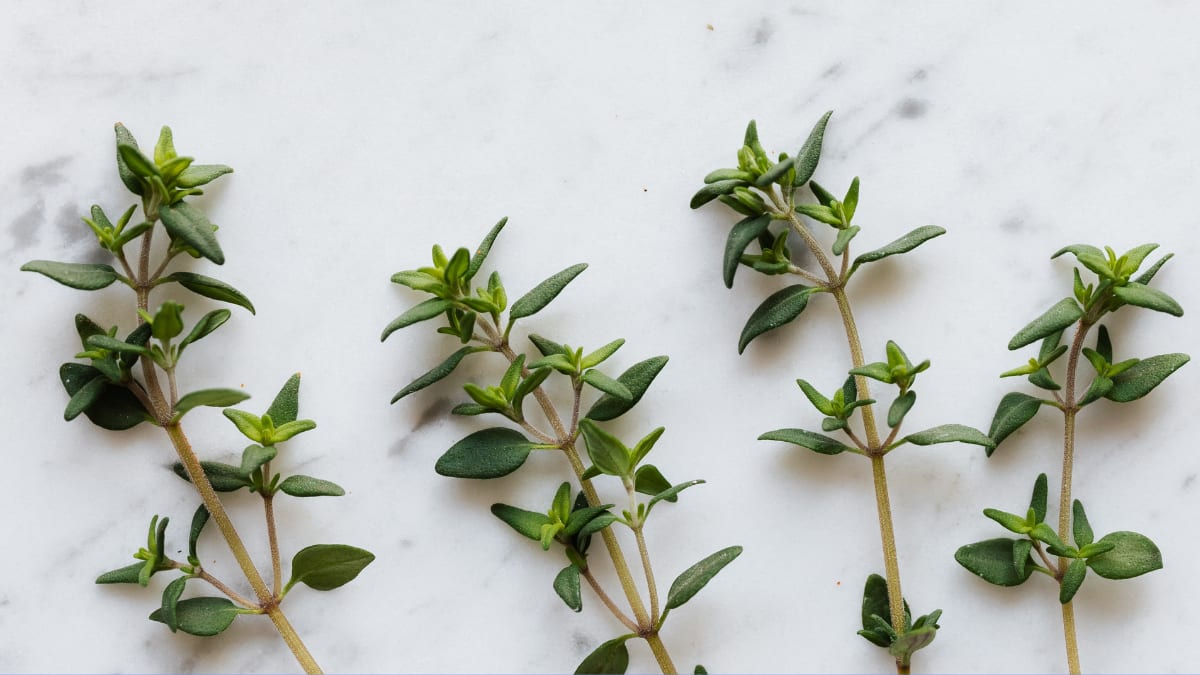
8 Science-Backed Reasons Thyme Is One Of The Healthiest Herbs For Winter

When winter arrives, your body faces its toughest test, low immunity, slower digestion, frequent colds, and endless fatigue. While most people rush for supplements, one humble herb has been protecting human health for thousands of years, thyme. This fragrant kitchen staple isn't just for flavour. Modern science now confirms what ancient medicine always believed, thyme is a nutritional powerhouse that supports your body on nearly every level. Let's explore the 8 science-backed reasons why thyme deserves a permanent spot in your winter diet. ALSO READ: 8 Reasons Why Drinking Cinnamon Water Every Morning Is A Health Game-Changer 1. Strengthens Immunity And Fights Winter Infections (Image Source: ABPLIVE AI) Thyme contains powerful compounds like thymol and carvacol. These are known for their antibacterial, antiviral, and antifungal properties. These natural chemicals help your immune system fight off the viruses and bacteria that spread rapidly during winter. Research suggests thyme can inhibit the growth of harmful microbes responsible for respiratory infections, throat irritation, and flu-like symptoms. It also reduces inflammation, which helps your immune system respond more efficiently. 2. Supports Respiratory Health And Clears Congestion (Image Source: ABPLIVE AI) Thyme has long been used as a natural remedy for coughs, bronchitis, and chest congestion. Science fully supports this tradition. The essential oils in thyme relax the muscles of the respiratory tract while thinning mucus, making it easier to breathe. Clinical studies show thyme extract can reduce cough severity, soothe throat irritation, and improve airflow in people suffering from respiratory issues. A warm cup of thyme tea can calm persistent coughs, reduce sinus pressure and clear blocked airways. 3. Improves Digestion And Prevents Winter Bloating (Image Source: ABPLIVE AI) Winter often slows digestion due to reduced physical activity and heavier meals. Thyme stimulates digestive enzymes, helping your stomach break down food more efficiently. It reduces gas, bloating and indigestion while improving nutrient absorption. Thyme also balances gut bacteria, preventing harmful microbes from dominating the digestive system. This keeps your gut healthy, your energy levels stable and your metabolism functioning smoothly. Regular use of thyme supports liver health and helps regulate bowel movements, preventing constipation. 4. Reduces Inflammation And Joint Discomfort (Image Source: ABPLIVE AI) Cold temperatures often trigger joint stiffness and muscle pain. Thyme’s potent anti-inflammatory compounds help calm internal inflammation, easing discomfort in joints and muscles. Research shows thyme inhibits inflammatory pathways linked to arthritis and chronic pain conditions. Including thyme in your winter meals can reduce swelling, improve circulation and support tissue repair. Over time, this helps maintain joint flexibility and prevents long-term inflammation-related problems. 5. Protects Heart Health During Cold Months (Image Source: ABPLIVE AI) Winter increases cardiovascular strain due to cold-induced blood vessel constriction. Thyme helps counteract this by improving circulation, reducing bad cholesterol and preventing oxidative stress in blood vessels. Its antioxidants protect artery walls, lower blood pressure and support overall heart function. Regular thyme intake strengthens your cardiovascular system and reduces the risk of winter-related heart complications. 6. Enhances Mental Clarity And Fights Seasonal Fatigue (Image Source: ABPLIVE AI) Thyme supports brain health by improving blood flow to the brain and protecting nerve cells from oxidative damage. Its aroma alone has been shown to improve focus, mood and alertness. In winter, when seasonal fatigue and low mood are common, thyme helps restore mental energy and emotional balance. 7. Detoxifies The Body And Supports Liver Function (Image Source: ABPLIVE AI) Thyme stimulates detox enzymes in the liver, helping the body eliminate toxins more efficiently. This keeps your system clean, boosts metabolism and prevents winter sluggishness. Research shows that thyme contains active compounds like thymol, carvacrol and flavonoids that stimulate the liver’s natural detox enzymes, helping it break down and flush out harmful toxins more efficiently. Thyme’s antioxidants also protect liver cells from oxidative stress caused by pollution, processed foods and environmental toxins. 8. Nourishes Skin And Protects Against Winter Damage (Image Source: ABPLIVE AI) Cold winds, low humidity, indoor heating and reduced water intake strip away natural moisture, weaken the skin barrier and accelerate visible ageing. This is where thyme becomes a powerful skin-protecting winter herb. Naturally rich in vitamin A, vitamin C and potent antioxidants, thyme works from the inside out to repair skin damage, restore hydration and defend against environmental stress. It stimulates collagen production, supports skin cell renewal, and protects the skin barrier.

A rare space image links Earth’s glow with the Andromeda Galaxy

A stunning photo from the International Space Station connects Earth's aurora and city lights with the distant Andromeda Galaxy. This image, shared by astronaut Don Pettit, highlights how space-based observation reveals atmospheric phenomena, human activity, and our place in the vast cosmos. Such visuals foster scientific understanding and public engagement with astronomy.

Why Your Joints Ache More In Winter And When It Signals A Serious Problem

{By: Dr. Rajeev Verma, Chairman}  As soon as the winters approach, a significant number of people starts experiencing some sort of discomfort as their joints begin to complain. Some might have a slight stiffness in the morning, others may experience a sharp persistent pain that appears to be aggravated by the lowering of temperatures. There is scientific evidence to the fact that cold weather hurts your joints which may cause people to feel better about the symptoms and recognise when to seek medical attention. ALSO READ: Winter Kidney Care: Everyday Mistakes That Can Seriously Harm Your Kidney Health Why Your Bones Ache More In The Cold People may face joint aches in winters due to various reasons such as: Drop In Barometric Pressure: One of the most widely accepted explanations is the fall in barometric (atmospheric) pressure that takes place during cold weather. Lower pressure enables tissues, particularly the ones surrounding joints with arthritis or persistent inflammation to swell a little thus causing pain and stiffness. Muscles And Tissues Become Stiffer: Low temperatures result in contraction of muscles, tendons and ligaments. This tightening causes less flexibility and more resistance around the joints. This stiffness can be experienced more acutely by people with osteoarthritis or those with past injuries of their joints. Lower blood circulation in cold weather prevents the ease and lubrication of the tissues as well. Loss Of movement Of Synovial Fluid: Synovial fluid, natural lubricant in the joints is more viscous during cold weather. The direction of the fluid becomes less fluid and, therefore, the movements of the joints increase in difficulty and discomfort, particularly early in the morning. Reduced Activity During Winter: When the weather gets cold, individuals tend to travel less, decreasing the physical activity caused by shorter days, cold mornings. The absence of movement may lead to stiffness of the joints, weakening of the muscles around, and further deterioration of the pain. Who Is More Likely To Be Aware Of Cold Induced Joint Pain? People with osteoarthritis or rheumatoid arthritis, those who have had sports injuries or fractures, the elderly whose cartilage is more degenerated in nature, people with weak muscles, or not moving around are all likely to be predisposed to joint pain yet anyone may feel it. However, anyone can feel joint discomfort during winter, as the season often makes it harder to relieve stiffness and soreness. To ease symptoms, people should stay warm by wearing layered clothing, using thermal joint insulators, and keeping indoor spaces at comfortable temperatures. Warm compresses can also help relax rigid joints. Staying active is equally important, light exercises such as walking, yoga, or gentle stretching keep the circulation going and help prevent stiffness. Moreover, staying hydrated is also important, as cold weather often reduces thirst but dehydration can worsen joint stiffness by affecting the quality of synovial fluid. Surgical Therapy Of Advanced Joint Disorders In the cases when medications, physiotherapy, exercise, and lifestyle change do not help to relieve symptoms, the doctor might recommend surgery, particularly in cases where joint damage is structural. Arthroscopy: Minimally invasive surgery that is applied to clean up frayed cartilage, eliminate loose fragments, or repair torn ligaments. It is frequent in young patients or in case of sport injuries. Osteotomy: This process positions bones again to redistribute weight to the undamaged part of one of the joints commonly applicable to some active adults with arthritic onset in joints, particularly around the knee. Arthroplasty: It is the replacement of the joint (Joint Replacement Surgery). Joint replacement is most effective in the long run when the cartilage is worn out in severe cases of arthritis. Modern implants can last 20–25 years, significantly improving mobility and eliminating chronic pain. Synovectomy: Removal of the inflamed synovial lining, typically used in rheumatoid arthritis when medication fails to control inflammation. Though cold weather does not cause the problems with the joints directly, it might aggravate the pain of patients with arthritis, those that have suffered injuries previously, or those whose muscles are weakened. Some of the real-life steps that you can learn are based on the effects of temperature change on your joints, such as staying warm and active, and staying hydrated. However, when the pain is chronic, limits movement or fails to respond to non-invasive treatment, then medical consultation is required.  The author, Dr. Rajeev Verma, is the Chairman - Manipal Institute of Bone & Joints, Manipal Hospitals Dwarka, New Delhi. [Disclaimer: The information provided in the article is shared by experts and is intended for general informational purposes only. It is not a substitute for professional medical advice, diagnosis, or treatment. Always seek the advice of your physician or other qualified healthcare provider with any questions you may have regarding a medical condition.]

8 Reasons Why Drinking Cinnamon Water Every Morning Is A Health Game-Changer

If there’s one simple habit that can quietly upgrade your health from the inside out, it’s drinking cinnamon water every morning. This ancient wellness ritual has made a powerful comeback in 2026 — and for good reason. Packed with antioxidants, anti-inflammatory compounds and metabolism-boosting properties, cinnamon water works gently yet effectively to support everything from digestion and immunity to weight management and blood sugar control. Best of all? It costs almost nothing and takes less than two minutes to prepare. Let’s explore the 8 powerful reasons this humble drink is becoming a global health obsession. ALSO READ: Immunity 2.0 Explained: The Simple Indian Foods Behind The Biggest Wellness Trend 1. Supercharges Your Metabolism Naturally (Image Source: ABPLIVE AI) Drinking cinnamon water on an empty stomach helps activate your metabolism first thing in the morning. Cinnamon contains compounds that improve insulin sensitivity and encourage your body to burn energy more efficiently. Over time, this leads to better calorie utilisation and reduced fat storage. Unlike harsh fat-burning supplements, cinnamon works gradually and safely, helping your metabolism stay active throughout the day. 2. Supports Healthy Metabolism (Image Source: ABPLIVE AI) Cinnamon water can become a powerful ally in your weight-loss journey. It stabilises blood sugar levels, preventing the sudden spikes and crashes that trigger hunger and overeating. When blood sugar remains steady, your body avoids storing excess fat. Cinnamon also reduces appetite naturally and helps curb emotional eating by keeping you fuller for longer. Combined with a balanced diet, this morning drink can significantly support healthy and sustainable weight management. 3. Strengthens Your Immune Defence (Image Source: ABPLIVE AI) Cinnamon is rich in antioxidants and antimicrobial compounds that help the body fight infections, viruses and inflammation. Starting your day with cinnamon water strengthens your immune system from within. It supports white blood cell activity, reduces inflammation and helps protect your body against seasonal illnesses. Many people who drink it regularly report fewer colds, improved respiratory health and faster recovery from infections. 4. Improves Digestion And Gut Health (Image Source: ABPLIVE AI) Cinnamon water gently stimulates digestive enzymes, allowing your stomach to process food more efficiently. It reduces bloating, acidity and gas while soothing the digestive tract. This drink also helps maintain healthy gut bacteria, which is essential for nutrient absorption and overall wellbeing. Regular consumption can relieve constipation, reduce indigestion and create a calm, balanced digestive system. 5. Regulates Blood Sugar Levels (Image Source: ABPLIVE AI) One of cinnamon’s most researched benefits is its ability to regulate blood sugar. It enhances insulin sensitivity and helps glucose enter cells more efficiently, keeping blood sugar stable throughout the day. This makes cinnamon water especially beneficial for people with prediabetes, insulin resistance or those trying to prevent blood sugar spikes caused by modern diets. 6. Enhances Brain Function And Mental Focus (Image Source: ABPLIVE AI) Cinnamon stimulates brain activity and improves concentration, memory and alertness. Drinking it in the morning clears mental fog, boosts productivity and supports cognitive performance. The natural compounds in cinnamon also protect brain cells from oxidative stress, which plays a role in age-related cognitive decline. 7. Detoxifies Your Body (Image Source: ABPLIVE AI) Cinnamon water supports liver function and enhances the body’s natural detox processes. It helps flush out toxins, reduces water retention and improves circulation. Over time, this leads to clearer skin, improved energy levels and a noticeable feeling of lightness and balance in the body. 8. Promotes Heart Health And Reduces Inflammation (Image Source: ABPLIVE AI) Cinnamon helps lower bad cholesterol, supports healthy blood pressure and improves circulation. Its powerful anti-inflammatory properties protect blood vessels and reduce the risk of cardiovascular disease. Regular consumption strengthens heart health and promotes long-term wellness. In a world full of complicated wellness trends, cinnamon water remains beautifully simple and remarkably powerful. A small habit with massive benefits, this morning drink could be the easiest health upgrade you ever make.

Astronomers spot wobbling jets on rare interstellar comet 3I/ATLAS

Interstellar comet 3I/ATLAS is revealing surprising details about its journey. Scientists observed unusual, wobbling jet-like features in its sun-facing anti-tail, suggesting a rotation period of about 15.5 hours. This offers a rare glimpse into the behaviour of a pristine object from another star system reacting to solar heat for the first time, aiding our understanding of planetary formation elsewhere.