Language Settings
Select Website Language
newshunt
newshunt

Filters

Channels
Topics
Other Filters

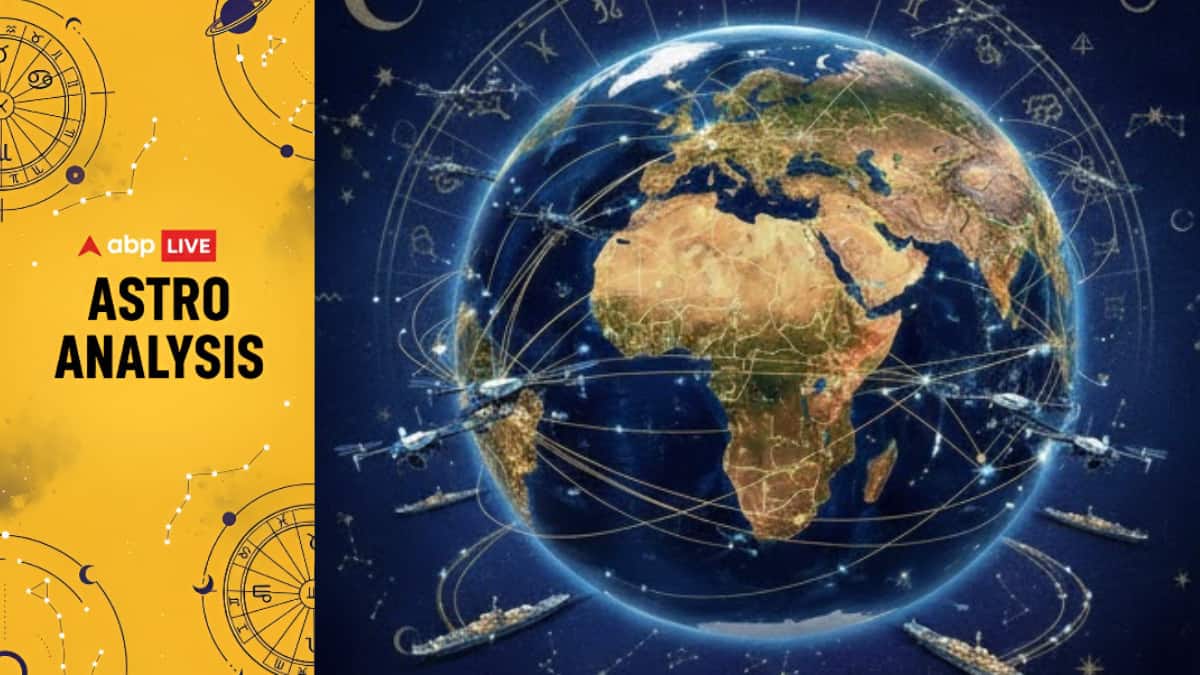
ABP Live Astro Analysis | 2026 Will Not Be A War Year, But Global Geopolitics May Face Dangerous Turbulence

The year 2026 is not one the world can afford to overlook. While astrological calculations do not point towards a full-scale global war, planetary movements strongly suggest a year filled with geopolitical turbulence, fragile borders, and high-stakes decision-making. From the India–Pakistan frontier to the South China Sea, and from Eastern Europe to the Middle East, the cosmic signals hint at a world operating permanently on edge. One miscalculation, one provocation, or one unchecked escalation could alter history. Astrology suggests that 2026 will test diplomacy, restraint, and global leadership like never before. ALSO READ: ABP Live Astro Analysis | Yogi Adityanath’s 2026 Sankalp — ‘Gyaan Daan’ Promises Moksh, AI To Shape A New India 2026: A Year Of Escalation, Not Peace Astrological indicators show that instability in 2026 will not be confined to one region or continent. Planetary pressure will extend from land borders to oceans, from leadership crises to technological warfare. While astrology does not predict an outright war, it clearly points towards a year spent in “escalation mode.” Tensions may simmer quietly at times, only to erupt unexpectedly elsewhere. The global environment will demand constant vigilance, measured responses, and strategic restraint from world powers. Saturn In Pisces: Seas And Supply Routes Become The Weakest Links Saturn’s placement in Pisces throughout 2026 is one of the most concerning indicators. Pisces governs oceans, maritime trade, energy routes, humanitarian corridors, and global logistics. With Saturn exerting pressure here, seas become unstable zones of anxiety rather than safe trade highways. This suggests disruptions in global supply chains, pressure on ports, and heightened naval alertness. Events in the Black Sea linked to Russia–Ukraine could impact global food security, while any activity near the Red Sea or the Strait of Hormuz may trigger sharp fluctuations in oil prices. The South China Sea, in particular, could witness intensified Chinese naval presence, closely monitored by the US, Japan, and Southeast Asian forces. Saturn does not trigger war, but it creates conditions where strategic anxiety dominates decision-making. Rahu In Aquarius: The Real Battlefield Moves To The Sky And Screens Rahu’s transit through Aquarius shifts the global conflict narrative away from land battles to technology-driven confrontations. In 2026, power will be measured not by territory, but by surveillance capability, satellite dominance, cyber control, and drone warfare. Expect frequent headlines around satellite jamming, GPS interference, cyber intrusions, and drone-based operations. From Eastern Europe to the Middle East, technological warfare will intensify. Global alliances like NATO, QUAD, and BRICS may witness both cooperation and mistrust, as nations compete for digital supremacy. The real wars of 2026 will be fought in command rooms, data centres, airspace corridors, and orbital paths—not just on the ground. Ketu In Leo: Leadership Pressure And Risky Political Decisions Ketu’s placement in Leo carries deep implications for global leadership. Leo governs authority, prestige, national pride, and public declarations. With Ketu here, leaders may feel isolated, overburdened, and compelled to make bold—or risky—statements. Astrologically, this indicates sharp rhetoric, hardened policies, and moments where diplomacy may take a backseat to ego-driven decisions. Leadership fatigue could lead to miscalculations, especially in powerful nations. Between May and September 2026, public pressure and opposition forces may intensify, triggering sudden elections, internal instability, or shifts in power structures across multiple countries. Key Global Flashpoints To Watch In 2026 Russia–Ukraine–NATO: Conflict Without Closure Eastern Europe is unlikely to see peace in 2026. Saturn in Pisces keeps the Black Sea strategically volatile, while Rahu fuels long-range weapons and drone activity. Ketu adds leadership pressure and slow diplomatic movement. The conflict may not expand dramatically, but it will refuse to settle, with recurring escalations and continued military preparedness. Middle East: The World’s Most Explosive Region Israel, Gaza, Lebanon, and Iran remain on constant alert. February–March eclipses indicate sudden spikes in tension, while August eclipses bring renewed instability. Rahu accelerates missile and drone activity, while Ketu sharpens political rhetoric. Any misstep could send shockwaves across the region. China–Taiwan: Silent Confrontation Over Open War This region becomes the epicentre of undeclared conflict. Airspace violations, naval manoeuvres, and strategic signalling intensify. Saturn strengthens China’s grip over maritime zones, while Jupiter reshapes diplomatic and military strategies. The situation simmers, never freezing, never boiling over completely. Korean Peninsula: One Test Away From Global Attention Rahu pushes this region towards rapid technological escalation. Missile testing may increase, forcing Japan and South Korea to harden defence policies. US involvement remains decisive, making this a region capable of capturing global headlines overnight. India–Pakistan: A Year Of Vigilance, Not Provocation Astrology suggests that 2026 will keep the India–Pakistan border sensitive but controlled. Neither full peace nor full conflict emerges. Pakistan faces internal and external pressures, limiting its appetite for escalation, though disruptive activities may continue. For India, the year demands alertness, strategic patience, and calm restraint rather than provocation. India–China: Tension That Neither Grows Nor Disappears The Line of Actual Control remains a zone of steady, unresolved tension. 2026 neither worsens nor resolves the standoff. Instead, it becomes a slow, persistent divide—stable yet uncomfortable. High-Tension Months Of 2026 February–March: Dual eclipses heighten rhetoric, maritime instability, and Middle Eastern pressure. July–September: Saturn retrograde forces policy reassessments; August eclipses may trigger unexpected political turns, especially in Asia-Pacific. October–December: Leadership-level decisions harden, new alliances form, and decisive movements emerge in China–Taiwan and the Middle East. Final Astro Verdict: Why 2026 Will Test The World 2026 may not be a year of declared war, but it will certainly not allow the world to remain comfortable. Planetary pressure combined with existing geopolitical fault lines creates a year where peace, diplomacy, and self-control are constantly tested. Astrology suggests that restraint, not reaction, will decide whether 2026 becomes a turning point or merely a warning shot in global history. [Disclaimer: The content of this article is based solely on astrological predictions, and should be taken as general guidance. Individual experiences may vary. ABPLive.com does not assert the accuracy or validity of any claims or information presented. It is strongly recommended to consult a qualified expert before considering or implementing any information or belief discussed herein.]

World Quark Day 2026: What Exactly Is Quark? Know Its Health Benefits

world Quark Day shines a spotlight on one of Europe's best-kept food secrets, quark is finally stepping into the global wellness conversation. Creamy, protein-rich, and surprisingly versatile, this humble dairy product has long been a staple across Germany, Austria, and Eastern Europe. Yet, many people outside the continent are only now discovering why fitness enthusiasts, nutritionists, and home cooks swear by it. Let’s break it down and explore the science-backed benefits that make quark worth a permanent place on your plate. ALSO READ: What Is Blue Monday? Why The ‘Most Depressing Day Of The Year’ Grabs Global Attention What Is Quark? (Image Source: Pinterest/ramirezdm12) Quark is a fresh dairy product made by gently warming soured milk and straining it until it reaches a thick, smooth consistency. Unlike aged cheeses, quark is not fermented for long periods, which gives it a clean, mildly tangy taste and a soft, spreadable texture. Traditionally consumed plain, sweetened with fruit, or blended into savory dishes, quark has been a daily staple in European households for generations. Its simplicity lies in its strength which comes from minimal processing, no strong additives, and a nutritional profile that aligns perfectly with modern clean-eating trends. 1. High-Protein Powerhouse That Supports Muscle And Satiety One of quark’s biggest claims to fame is its impressive protein content. Packed with high-quality casein protein, quark digests slowly, providing a steady release of amino acids over several hours. This makes it especially popular among athletes, gym-goers, and anyone looking to build or maintain lean muscle mass. Beyond fitness, protein-rich foods like quark help you feel fuller for longer, which can naturally curb overeating and unnecessary snacking. Adding quark to breakfast or evening meals can promote better appetite control, making it a smart choice for those focused on weight management. 2. Gut-Friendly Dairy That's Easier To Digest Despite being dairy-based, quark is often easier on the stomach compared to heavier cheeses. Its low lactose content and gentle fermentation process make it more digestible for many people who experience discomfort with milk. Additionally, quark supports digestive health by providing beneficial nutrients that aid gut function. When digestion is smooth, nutrient absorption improves, energy levels stabilize, and bloating is reduced. 3. Supports Bone Strength Quark is naturally rich in calcium and phosphorus—two minerals essential for maintaining strong bones and teeth. Regular intake of calcium-rich foods plays a crucial role in bone density, especially as people age. Quark delivers these nutrients in a form that the body can easily absorb, supporting skeletal health over the long term. Unlike heavily processed dairy products, quark offers these benefits without excess salt or artificial ingredients, making it a smart addition for individuals concerned about long-term bone health. 4. A Weight-Loss Friendly Food For anyone trying to lose weight without falling into extreme dieting, quark can be a game changer. It is naturally low in fat while remaining rich and creamy in texture. This allows it to replace calorie-heavy ingredients like cream or mayonnaise in recipes. Its high protein content boosts metabolism slightly and helps preserve muscle mass during calorie deficits. Most importantly, quark makes healthy eating feel indulgent rather than restrictive, an underrated factor in long-term dietary success. In a world increasingly focused on mindful eating and functional nutrition, World Quark Day 2026 feels perfectly timed. As people move away from ultra-processed foods and toward simple, nourishing ingredients, quark checks all the right boxes. It’s traditional yet modern, simple yet powerful, and indulgent without guilt.

Kuwait gold prices today explained: What it means for buyers, jewellery shoppers, investors amidst global fluctuations

Gold prices in Kuwait stabilised at $4,595 per ounce after a volatile week, closing firmly despite profit-taking. Recent gains were tempered by easing geopolitical tensions and strong US economic data, with the Federal Reserve expected to hold rates steady. Local prices mirror global trends, offering opportunities for buyers and sellers.

Which 1.5GB/Day Plan Is Best In India? BSNL, Jio, Airtel, & Vi Compared

A 1.5GB per day plan is the most common recharge choice in India. It is enough for calls, messages, videos, and everyday browsing. BSNL, Jio, Airtel, and Vi all offer the same data limit, but the experience is not the same. The price, network strength, speed, and extra benefits change how each plan feels in real life. Some plans focus on low cost, while others focus on stability or added services.  This comparison looks at each option in a simple, neutral way so you can decide what suits your daily use best. BSNL 1.5GB Per Day Recharge Plan In India BSNL offers a Rs 141 plan with 1.5GB data per day for 30 days. It includes unlimited local and STD calls and 200 SMS. This plan is not available in the Mumbai circle. This option mainly suits users who want the lowest possible cost. It works better in rural and semi-urban areas where BSNL has a steady presence. In many cities, users may notice slower internet speeds and patchy coverage. Streaming and large downloads can take longer. The plan meets basic needs but may not feel smooth for heavy daily use. Jio 1.5GB Per Day Recharge Plan In India Jio’s Rs 299 plan provides 1.5GB per day for 28 days with unlimited calls and SMS. It also includes access to Jio apps. This plan fits users who want a stable connection for regular tasks like video calls, social media, and online classes. Jio has wide coverage across most parts of India. Compared to BSNL, it costs more, but the network experience is usually more consistent. It sits in the middle in terms of price and performance. Airtel 1.5GB Per Day Recharge Plan In India Airtel offers a Rs 349 plan with 1.5GB data per day, unlimited calls, and access to OTT services. In some areas, unlimited 5G is available. This plan is often chosen by users who depend on fast and steady internet. Airtel performs well in urban locations and during travel. It is the costliest among these options. The higher price reflects network strength and added services rather than just data. Vi 1.5GB Per Day Data Add-On Plan Vi’s Rs 208 option gives 1.5GB per day for 30 days, but it is only an add-on. It does not include calling or service validity. It works for existing Vi users who already have an active base plan and need more daily data. On its own, it cannot be used. All plans offer the same daily data. What differs is cost, speed, and coverage. The right choice depends on whether you value savings, stability, or network strength.

Pakistanis Angry As Nawaz Sharif’s Granddaughter-in-Law Wears Indian Designers At Wedding

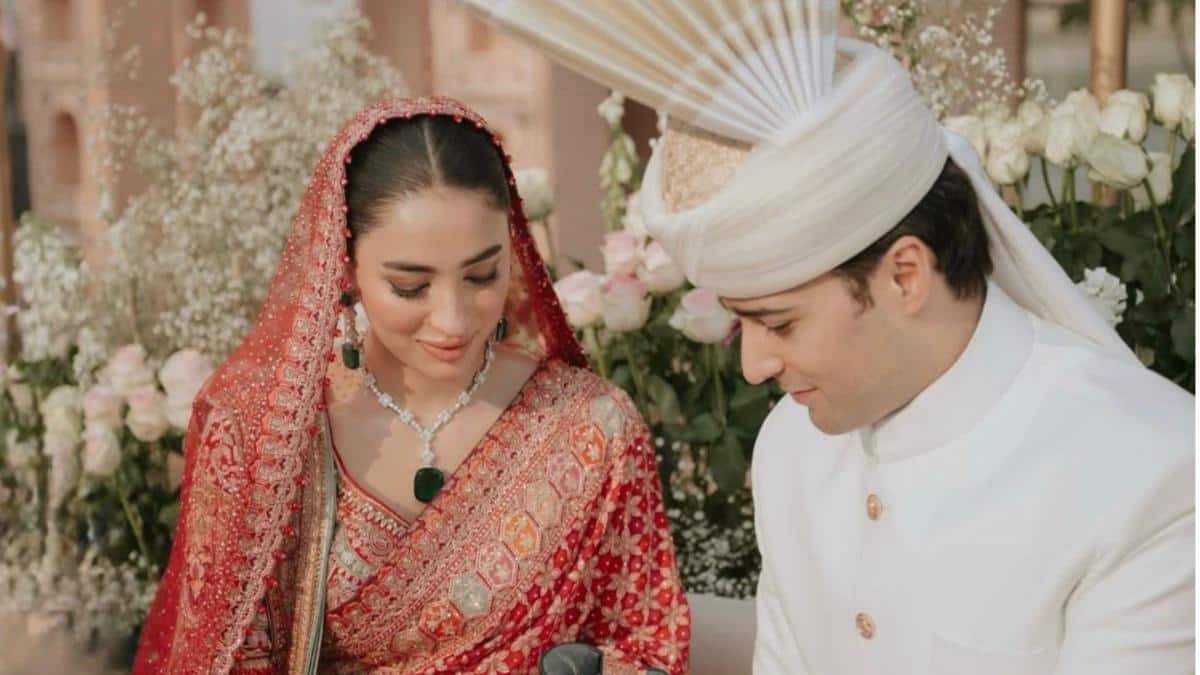
Pictures from the wedding celebrations of Junaid Safdar, son of Punjab Chief Minister Maryam Nawaz and grandson of former Pakistan Prime Minister Nawaz Sharif, have gone viral across social media, but it is the bride’s wardrobe that has stolen the spotlight. Posts circulating online show Shanzeh Ali opted for Indian couture labels for key ceremonies, triggering debate in Pakistan over cross-border fashion influence, national sentiment and the perceived snub of local designers. The outfits have since become one of the most talked-about elements. According to widely shared photographs and posts, Shanzeh Ali wore a red saree by Tarun Tahiliani for the Nikah, paired with a traditional veil and sleek styling. For another prominent function, widely referred to as the Walima in social media posts, she was reportedly dressed in a creation by Sabyasachi Mukherjee, a name associated with luxury Indian bridal wear. The images were circulated by multiple fashion and wedding pages, with close-ups of the embroidery and jewellery adding to the buzz. The discussion quickly expanded beyond celebrity-style commentary, with the designer choices being framed by many as a reflection of how Indian couture continues to influence wedding fashion across South Asia. Backlash By Pakistanis However, the pictures also drew sharp criticism from sections of Pakistani social media. Several users questioned why Pakistani designers were not prioritised, arguing that local labels could have offered culturally resonant bridal looks. Some comments framed the choice as “tone-deaf” given strained India-Pakistan ties, while others dismissed the outrage as misplaced and defended the bride’s freedom to choose her outfits. Alongside the fashion debate, another strand of criticism emerged online, with some alleging that the lavish celebrations were financed through taxpayer money. There is no official confirmation of such claims, but the accusation gained traction as the visuals of the high-profile wedding spread. For now, the episode remains a social media-driven controversy, with Indian designers unexpectedly at the centre of a political family wedding and an online storm.

Cervical Health Awareness Month 2026: What Every Mother Should Know About Cervical Health

{By: Dr Sampada Dessai} A mother's health plays an important role in the family. It is she who takes care of all others in the family. This can be effectively done if she is healthy. Often, she neglects her own health. When one thinks of women's health, one should always think of cervical health too. This is because cervical cancer is one of the most common health problems in women, it also affects younger women. One can very well utilise motherhood as an opportunity to screen for cervical cancer. Even opportunistic screening can decrease the burden of cervical cancer. ALSO READ: Waking Up Gasping For Air At Night? Cardiologist Explains Why It Could Be A Serious Heart Warning What Is Cervical Cancer And How It Develops (Image Source: Pinterest/beatcancereducation) Cervical cancer develops in the cervix, the lower part of the uterus, also called the mouth of the uterus. Cancer is mostly caused by a virus called Human Papillomavirus ( HPV). HPV is spread by skin-to-skin contact and sexually. HPV is very common virus, and most infections resolve on their own. However, when the infection persists, it can lead to precancerous changes and eventually cervical cancer. The good news is that this process usually takes many years, providing a long window for detection and treatment before cancer develops. Screening Tests That Can Detect Cervical Cancer Early There are different screening tests available to detect infection with HPV as well as the precancerous lesions on the cervix. Pap smear and HPV DNA test are the most commonly used methods of screening. Pap smear screening is recommended to begin at 21 years of age and should be done once every three years until the age of 65. I can detect the changes at the cellular level caused by HPV infection, which, if not treated, can become cancerous over period of time. HPV DNA testing is advised after 30 years of age. It detects the presence of HPV infection. When both Pap smear and HPV DNA tests are negative, the screening interval can safely be extended to once every five years. These screening tests are simple tests and can be done by a gynecologist. Mothers can utilise their gynec visits to use it as opportunity to screen themselves. HPV Vaccination: Protecting The Present And The Future (Image Source: Canva) Vaccination against HPV is another powerful strategy in preventing cervical cancer. HPV vaccines are recommended for children and young adults between 9 and 26 years of age and may also be taken beyond this age after consultation with a healthcare professional. Vaccinating the young population significantly reduces the risk of future cervical cancer. Mothers being aware of this can vaccinate their young children against this virus, protecting the future generation from getting this cancer. Everyday Steps That Reduce Cervical Cancer Risk Maintaining good hygiene, vaccinating oneself and the younger population whenever eligible, getting screened regularly, taking treatment for any cervical infections, spreading awareness to one's own colleagues, and encouraging them to take care of their cervical health will definitely help in decreasing cervical cancer incidence. The author, Dr Sampada Dessai, is a Consultant, Gynecological Cancer and Robotic Surgeon, at P. D. Hinduja Hospital & Medical Research Centre, Mahim. [Disclaimer: The information provided in the article is shared by experts and is intended for general informational purposes only. It is not a substitute for professional medical advice, diagnosis, or treatment. Always seek the advice of your physician or other qualified healthcare provider with any questions you may have regarding a medical condition.]

Litter Inside Inaugural Vande Bharat Sleeper Sparks Outrage — WATCH VIDEO

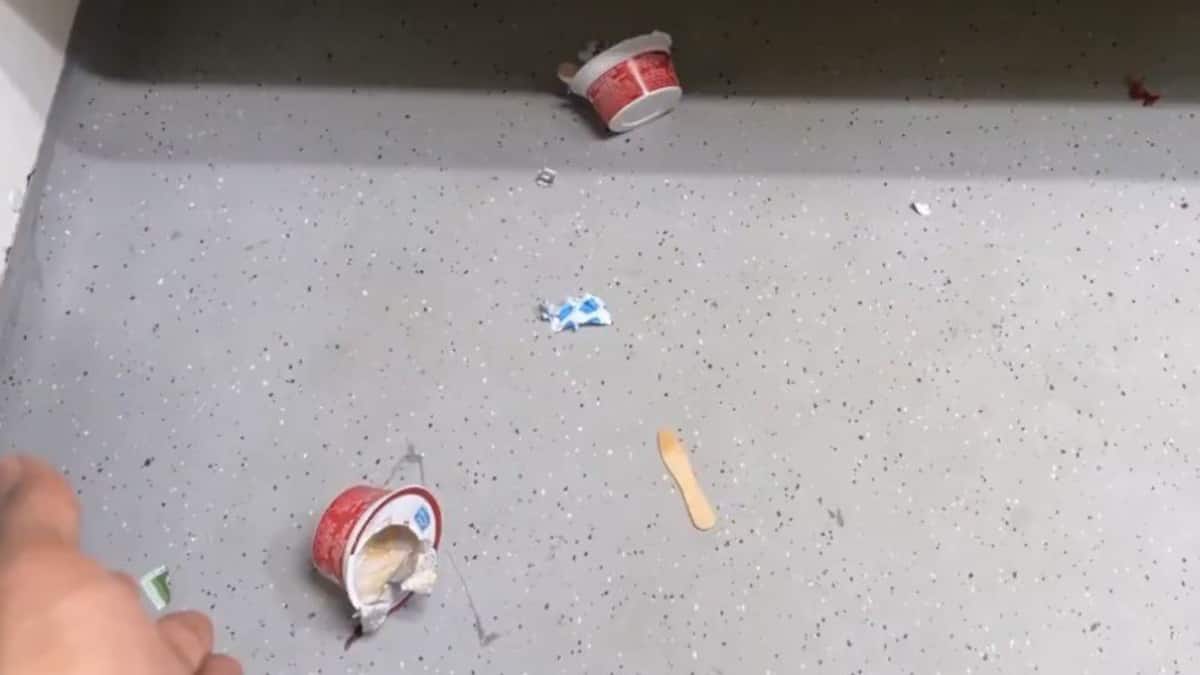
What was meant to be a proud moment for Indian Railways has quickly turned into a sobering reflection on public behaviour. Just hours after the Vande Bharat Sleeper was ceremonially flagged off with much celebration, a video showing litter strewn across the floor of one of its coaches began circulating online. The visuals have sparked widespread outrage, raising an uncomfortable but necessary question: when world-class infrastructure is delivered, are we doing our part to respect it? ALSO READ: Dhruv Rathee Cheating Allegations: YouTuber Issues Statement A Grand Launch Followed By An Unsettling Visual 🚨People litter on vande bharat Sleeper train within hours of its inaugural run.Just see the civic sense pic.twitter.com/cCcvbJJWoL — Indian Infra Report (@Indianinfoguide) January 18, 2026 The Vande Bharat Sleeper, introduced as a milestone in long-distance rail travel, was officially flagged off by Prime Minister Narendra Modi from Malda in West Bengal on Saturday. Designed to redefine overnight journeys, the sleeper version promises modern amenities, improved comfort, and faster travel across long routes. However, the celebratory mood did not last long. A short video, believed to be recorded on the train’s very first day of operation, showed used paper cups and disposable spoons scattered across the coach floor. The clip, shared on Reddit’s r/indianrailways community, quickly gained traction and drew sharp criticism from netizens. India’s Fastest On The Howrah–Kamakhya Route (Image Source: Twitter/@narendramodi) Operating on the Howrah–Kamakhya corridor, the Vande Bharat Sleeper connects Howrah near Kolkata with Kamakhya Junction in Guwahati. Railway officials have described it as the fastest service on this busy eastern and northeastern route, outperforming all existing trains in terms of speed and efficiency. With state-of-the-art interiors and premium facilities, the sleeper variant has been positioned as a symbol of India’s evolving rail infrastructure. That promise, however, now stands overshadowed by questions surrounding passenger responsibility. “Whose Fault Is This?”: The Question That Sparked A Firestorm In the viral clip, the person filming slowly pans across the littered floor while openly questioning accountability. He asks whether the blame lies with the Railways, the government, or the passengers themselves. He then draws attention to what he describes as a glaring lack of basic civic sense. Though informal in tone, the remarks struck a chord with viewers and became the focal point of the online debate that followed. Social Media Reacts: Civic Sense Under The Microscope (Image Source: Reddit) The video triggered a flood of reactions online, especially on Reddit, where users expressed frustration and disappointment. Several commenters pointed out that paying a premium fare does not automatically ensure responsible behaviour, suggesting that education and awareness matter more than ticket prices. Others challenged the long-held belief that higher fares naturally attract more disciplined travellers, calling the incident proof that civic responsibility cannot be bought. Some went a step further, arguing that stricter penalties, including fines linked to ticket bookings, may be the only effective deterrent. A recurring sentiment echoed across platforms was a deep sense of resignation, with many users lamenting that public spaces in India often suffer the same fate regardless of how modern or expensive they are. A Warning Issued Before The First Journey My first glimpse of the Vande Bharat sleeper train set - snazzy colours and good design though there's need for some crucial improvements - 3A coach (1st 2 photos), 2A and 1A coach; quality of furnishing and lighting is very good! 🧵 #IndianRailways #VandeBharat @devasissarangi pic.twitter.com/cQw5p9i2E3 — Ananth Rupanagudi (@Ananth_IRAS) October 8, 2024 The controversy gained added significance due to a message shared just days before the launch. Ananth Rupanagudi, Chief Project Manager at Indian Railways, had publicly appealed to future passengers to treat the new train with care. In his post on X, he urged travellers to follow washroom instructions, maintain hygiene, and show respect for public property, making it clear that discipline was essential for the service to succeed. Following the viral video, many users resurfaced this appeal, questioning whether advisories alone are enough to change deeply ingrained habits. A Flagship Train Faces An Old, Familiar Challenge The Vande Bharat Sleeper is being showcased as a flagship achievement, featuring 16 modern coaches with a total capacity of 823 passengers and a top operational speed of 180 kmph. Officials believe it will significantly cut travel time between major eastern and northeastern cities while offering a superior travel experience. Yet, as the train prepares for regular service, the incident has reignited a long-standing debate. Can infrastructure upgrades truly transform public spaces without a parallel shift in civic behaviour? Or does progress demand responsibility from both institutions and citizens alike? For now, the Vande Bharat Sleeper stands not just as a symbol of technological advancement, but also as a mirror reflecting how society treats the very progress it celebrates.