Language Settings
Select Website Language
newshunt
newshunt

Filters

Channels
Topics
Other Filters

Thyroid Disease And Pregnancy: Risks, Symptoms, And Expert-Backed Management Explained

{By: Dr. Kshitiz Murdia} Thyroid disorders are among the most common endocrine conditions affecting women of reproductive age. The thyroid gland, located in the neck, produces hormones that regulate metabolism and play a central role in growth, development, and physiological balance. When hormone production falls below normal levels, it results in hypothyroidism, while excess production leads to hyperthyroidism. In India, the estimated burden of thyroid disease is around 42 million individuals, with women disproportionately affected. Despite its prevalence, thyroid health is often under-recognised in discussions around reproductive planning and pregnancy outcomes. ALSO READ: Aortic Stenosis In Older Adults: The Silent Heart Problem And The New Fix Changing Lives Why Thyroid Hormones Matter During Pregnancy (Image Source: ABPLIVE AI) Thyroid hormones play a critical role during pregnancy, particularly in the early stages of foetal development. During the first trimester and into the early second trimester, the developing foetus relies entirely on maternal thyroid hormones, which cross the placenta to support the formation of the brain and nervous system. Only later does the foetus begin producing its own thyroid hormones. For women planning a pregnancy, maintaining stable thyroid hormone levels is therefore not just a matter of maternal health, but an important determinant of foetal development. Even subtle imbalances during early gestation can have downstream effects. Recognising Symptoms During Pregnancy Pregnancy itself brings about significant hormonal shifts. Rising levels of oestrogen and human chorionic gonadotropin (hCG) can stimulate changes in thyroid hormone levels, sometimes masking or mimicking thyroid dysfunction. This overlap can make diagnosis challenging, particularly in cases of hyperthyroidism, where symptoms may resemble normal pregnancy-related changes. Hypothyroidism during pregnancy may present with muscle cramps, heightened sensitivity to cold, difficulty concentrating, fatigue, and weight gain, symptoms that are often attributed to pregnancy itself. Hyperthyroidism, on the other hand, may be associated with heat intolerance, palpitations, irregular or rapid heart rate, sleep disturbances, unexplained weight loss, and severe nausea or vomiting. Autoimmune Causes And Thyroid Dysfunction In many cases, thyroid disease during pregnancy is linked to autoimmune conditions, either pre-existing or newly identified during gestation. Hashimoto’s thyroiditis is characterised by an immune-mediated attack on thyroid tissue, leading to a gradual decline in hormone production. Alongside classical features of hypothyroidism, it may be associated with dry skin, constipation, joint stiffness, muscle weakness, cold intolerance, and swelling of the extremities. Graves’ disease represents the opposite end of the spectrum. It is driven by thyroid-stimulating immunoglobulin (TSI) antibodies, which trigger excessive hormone secretion. Clinical features can include heat intolerance, elevated blood pressure, palpitations, menstrual irregularities, diarrhoea, and insomnia. TSI levels tend to fluctuate during pregnancy, often peaking in the first and last trimesters and improving mid-pregnancy due to transient changes in immune activity. Implications For The Mother And Child (Image Source: ABPLIVE AI) Thyroid hormones are integral to foetal growth, particularly neurological development. When thyroid levels remain untreated or poorly controlled, the risks extend to both mother and baby. Adverse outcomes may include preterm birth, low birth weight, miscarriage, or stillbirth. In cases of maternal hypothyroidism, impaired neurodevelopment may affect the child’s cognitive outcomes. For women with a history of Graves’ disease, TSI antibodies can cross the placenta even if thyroid levels appear controlled. Elevated thyroid hormone levels in the newborn can result in poor weight gain, tachycardia, irritability, and respiratory distress, requiring prompt medical attention. Maternal complications may include anaemia, gestational hypertension, and preeclampsia. Hyperthyroidism is also associated with hyperemesis gravidarum, a severe form of pregnancy-related vomiting that can lead to dehydration and metabolic imbalance. Postpartum thyroiditis may develop after delivery, presenting as transient hyperthyroidism, hypothyroidism, or a combination of both. This condition affects an estimated 7.5 percent of women, with a higher incidence observed among those with type 1 diabetes. Managing Thyroid Disease During Pregnancy Effective management begins with a detailed medical history and ongoing monitoring. Women with known thyroid conditions require close coordination between obstetric and endocrine care teams throughout pregnancy. Hypothyroidism is typically treated with levothyroxine, a synthetic form of thyroxine (T4), to maintain hormone levels within the recommended range. Mild hyperthyroidism may not require active treatment unless symptoms are severe or complicated by conditions such as hyperemesis gravidarum. In cases of significant hyperthyroidism, carefully titrated doses of antithyroid medication are used to balance maternal health while minimising foetal risk. Thyroid health is an essential, though often under-emphasised, component of pregnancy care. For fertility providers, recognising, monitoring, and managing thyroid disorders before and during pregnancy forms a critical part of preconception assessment and ongoing treatment planning. Timely intervention can play a meaningful role in safeguarding both maternal wellbeing and long-term child health. The author, Dr. Kshitiz Murdia, is the CEO and Whole-Time Director of Indira IVF Hospital Limited. [Disclaimer: The information provided in the article is shared by experts and is intended for general informational purposes only. It is not a substitute for professional medical advice, diagnosis, or treatment. Always seek the advice of your physician or other qualified healthcare provider with any questions you may have regarding a medical condition.]

ABP Live Deep Dive | From Cars To Textiles: How The India-EU FTA Will Impact Key Indian Sectors

After nearly two decades of on-and-off negotiations, India and the European Union have formally signed what leaders on both sides have described as the 'mother of all trade deals'.  With the ink now dry, attention has shifted from diplomacy to the shop floor, and to how the agreement will alter the economics of Indian industry, sector by sector. The India-EU Free Trade Agreement (FTA) links Asia’s third-largest economy with a €18-22 trillion bloc of 27 countries and 450 million high-income consumers. More importantly for India Inc, it redraws tariff walls across automobiles, machinery, chemicals, pharmaceuticals, textiles, electronics and food processing. According to The Economic Times, tariffs on 96.6 per cent of EU goods exports to India will be removed or reduced, delivering savings of up to €4 billion a year in duties on European products. In return, the EU has committed to improved market access for a wide range of Indian exports. A Deal Sealed Amid Geopolitical Pressure The signing comes against a backdrop of rising protectionism, tariff wars and geopolitical fragmentation. For both India and the EU, the agreement is as much about economics as it is about strategic alignment. “The EU pact would be India’s ninth trade agreement in four years, underscoring India’s accelerated FTA strategy amid global protectionism,” said Ajay Srivastava, founder of the Global Trade Research Institute (GTRI). India-EU goods trade crossed $136 billion in FY2025, with India exporting $75.9 billion and importing $60.7 billion. The withdrawal of EU GSP benefits in 2023 had eroded competitiveness for many Indian exporters. The signed FTA is now expected to restore tariff parity and open preferential access to all 27 EU markets under a single framework. What Gets Cheaper In India First The most immediate and visible impact for Indian consumers will come through cheaper European imports. The agreement removes tariffs on EU exports such as fruit juices and processed foods, cuts or eliminates duties on olive oil, margarine and other vegetable oils, and lowers tariffs on spirits to 40 per cent. European beers, wines and premium food items are expected to become more affordable over the next few years. Tariffs on 90 per cent of European optical, medical and surgical equipment will be removed, while duties on almost all EU aircraft and spacecraft exports to India will also be eliminated, the European Union has said.  Machinery, chemicals and pharmaceuticals, which earlier faced tariffs of up to 44 per cent, 22 per cent and 11 per cent respectively, will see sharp reductions. For Indian industry, this means lower input costs in sectors ranging from healthcare and aviation to electronics and heavy engineering. Automobiles: A Controlled Opening Automobiles were the most contentious chapter of the negotiations and will remain the most politically sensitive sector. India currently imposes import duties that can exceed 100 per cent on foreign-made cars, especially in the premium segment. Under the signed agreement, tariffs on EU-made vehicles are expected to be reduced to around 40 per cent, Reuters had earlier reported. For European carmakers such as Volkswagen, BMW, Mercedes-Benz and Renault, this opens deeper access to one of the world’s fastest-growing automotive markets. Luxury electric vehicles are likely to be the biggest beneficiaries. Industry executives note that India levies an import duty of about 100 per cent on European automobiles with a landed cost above $40,000, a threshold that applies to high-end EVs. Models such as BMW’s iX and i4, Mercedes-Benz’s EQS and EQE, Audi’s Q8 e-tron and Volvo’s XC40 Recharge already enjoy steady demand. Lower tariffs could make these models significantly more competitive. At the same time, Indian negotiators have sought to protect domestic manufacturers. Budget electric vehicles, which are largely produced within India and dominated by domestic players, are expected to remain insulated from direct competition. Auto parts are a parallel gainer. India exported $1.6 billion worth of auto components to the EU in FY2025. With duties of 6-20 per cent in some categories, tariff cuts could strengthen Indian suppliers embedded in European value chains. Textiles And Apparel: Restoring Lost Competitiveness Textiles and garments remain one of the clearest beneficiaries on the Indian side. Indian garment exports to the EU stood at $4.5 billion in FY2025, but faced duties of around 10 per cent, a disadvantage against Bangladesh and Vietnam, which enjoy zero-duty access. “The India-EU FTA represents a once-in-a-generation opportunity for India’s garment sector,” said A Sakthivel, Chairman of the Apparel Export Promotion Council. “The FTA is also crucial for employment-led growth and strengthening MSMEs.” Textiles worth $1.6 billion and made-ups of $1.2 billion were also shipped to Europe. These are sectors Europe exited decades ago, making Indian exports complementary rather than competitive. Pharmaceuticals, Chemicals And Electronics: Quiet Structural Winners Pharmaceuticals and chemicals will benefit from tariff cuts that were long overdue. Indian pharma exports to the EU stood at $3.0 billion in FY2025, while organic chemicals accounted for $5.1 billion. With duties being cut or eliminated, Indian companies gain easier access to one of the world’s most regulated drug markets. Electronics, already India’s second-largest export segment to the EU at $11.3 billion, stands to gain from deeper integration with European supply chains. Smartphones alone accounted for $4.3 billion of exports. Lower tariffs on machinery and industrial inputs will also reduce costs for Indian manufacturers and MSMEs that depend on European capital goods. What India Imports And Why It Matters For Industry India’s imports from the EU are concentrated in capital-intensive and technology-heavy sectors. In FY2025, high-end machinery worth $13 billion was imported, including turbojets valued at $810 million and specialised industrial equipment worth hundreds of millions of dollars. Electronics imports stood at $9.4 billion, while aircraft imports totalled $6.3 billion. Medical devices and scientific instruments were valued at $3.8 billion, and specialised medicines at $1.4 billion. Waste and scrap imports of $2.1 billion feed directly into India’s recycling industry and MSMEs. For the Indian industry, lower tariffs here translate into lower project costs, improved productivity and stronger export competitiveness. Non-Tariff Barriers And Carbon Risks Remain Despite the signing, irritants persist. The EU’s safeguard duties on steel, extended till 2026, continue to worry Indian exporters. Pankaj Chadha, Chairman of the Engineering Exports Promotion Council India, has warned that higher out-of-quota tariffs could blunt export gains. India has also objected to carbon-linked levies affecting steel, aluminium and cement, which it sees as disguised trade barriers. Why Economists See A Net Positive For India Inc GTRI argues that the agreement lowers costs rather than displacing the domestic industry. “India-EU merchandise trade is not a contest for market share, but a production partnership,” Srivastava said. European machinery raises productivity in Indian factories, while Indian scale manufacturing supplies affordable goods to Europe. Indian exports largely substitute the EU’s imports from third countries, while EU exports feed directly into Indian MSMEs and manufacturing clusters. Although the deal has been signed, it will take time to take effect. The text will undergo legal scrubbing, followed by ratification by the European Parliament and Council. Implementation is expected within about a year. Industry View: A ‘Living Agreement’ With Long-Term Impact Tax and trade experts believe the agreement marks a structural shift rather than a one-off tariff exercise. Munjal Almoula, Managing Partner - Tax & Regulatory Advisory, BDO India, said the pact reflects a new generation of trade architecture. “After nearly two decades of negotiations, India and the EU finalised the landmark Free Trade Agreement on January 26, hailed by many as the 'mother of all deals.' Pioneering as a 'living agreement' with built-in digital trade, AI/semiconductor collaboration, and CBAM offsets (via India's CCTS linkage), it eliminates tariffs on 96 per cent+ of EU goods (machinery 44 per cent→0 per cent, autos 110 per cent→10 per cent) across 27 nations representing 25 per cent of global GDP,” Almoula said. He added that the sectoral gains could be broad-based. “Textiles, gems & jewellery, leather, pharma, and high-tech engineering will surge, and is expected to double to $136B in bilateral trade by 2032, amid the ongoing US tariff disruptions, while easing professional mobility and data-secure status for India's services edge,” he said. According to Almoula, the agreement goes beyond market access. “This multipolar pivot fuses EU precision manufacturing with India's scale, redefining resilient supply chains ahead of the 2027 rollout,” he said. For India Inc, this framing matters. The FTA is not merely a tariff-cutting exercise but a long-horizon platform covering technology, climate rules, data flows and skills mobility, elements that will shape how Indian industry integrates into global value chains over the next decade.

Buying A Water Purifier? 5 Things You Must Get Right To Ensure Safe Drinking Water

A water purifier is a household staple promising safety and peace of mind. But is it though? Clear water does not always mean safe water. Invisible threats lie beneath the surface, carrying real health risks that can affect infants, older adults and anyone with a vulnerable immune system. According to WHO and UNICEF, one in four people, i.e., over 2.1 billion globally, still lack access to safely managed drinking water that is free from contamination and reliably available.  In India, the stakes are high. Unsafe and sewage-contaminated tap water has sickened over 5,500 people and contributed to at least 34 deaths across 26 cities in the past year, a nationwide pattern of contamination, not a one-off event.  Choosing the right water purifier is not just about appliances or features but about protecting health. Here’s what every household must get right: Know What’s In Your Water First Not all water is contaminated in the same way, and this is where many households go wrong. The quality of drinking water depends on where it comes from, i.e., groundwater, borewells, tankers, rivers or municipal supply lines. In some regions, water contains excess fluoride or nitrates due to geological conditions. In others, ageing pipelines allow sewage, bacteria and industrial waste to seep into otherwise treated water. What makes this dangerous is that most harmful contaminants are invisible. Water can look crystal clear and still contain arsenic, lead, pesticides or disease-causing microbes. This is why relying on taste, smell, or appearance is misleading. Testing your water even once gives clarity on what you are consuming every day and helps determine what kind of purification is required. Without this step, choosing a purifier becomes guesswork rather than protection. Match Technology to Contaminants, Not Assumptions A common misconception about putting lives in danger is that a single purifier can solve all your water-related problems. But different types of contaminants require different methods of removal. Technologies that remove visible particles or improve taste might not make drinking water completely free of dissolved chemicals or microscopic pathogens. While bacterial contamination needs active disinfection, chemical pollutants require filtration at a molecular level. Relying on generic purification systems without understanding what they are meant to remove can give a false sense of safety. Water may seem clean, but harmful substances can still pass through.  Safe Water Is About Health, Not Just Taste Or Appearance Contaminated drinking water can lead to diarrhoeal diseases, gastrointestinal infections, weakened immunity and even life-threatening illnesses. Children are so vulnerable that even low-level exposure to toxins over time can affect their growth, cognitive development and overall well-being. Since many contaminants do not alter the taste or smell of water, exposure often goes unnoticed until it’s too late. A purifier’s role is not to make water more palatable but to reduce invisible health risks. Maintenance Is Not Optional, But Critical A water purifier is only as effective as its maintenance. Filters clog, membranes degrade, and purification components lose efficiency over time. When these parts are not replaced or serviced regularly, the purifier becomes a breeding ground for bacteria. Another dangerous misconception common in Indian households is that a purifier once installed continues to work indefinitely. Regular maintenance ensures water remains consistently safe. Skipping upkeep not only reduces effectiveness but can quietly compromise water quality, defeating the purpose of installing a purifier. Think Long Term; Not Just About Upfront Cost Water safety is a long-term commitment. A cheaper system that requires frequent repairs, inefficient filtration or inconsistent performance can end up costing far more both financially as well as in terms of health. Evaluating long-term factors such as durability, reliability, filter replacement cycles and maintenance requirements gives a clearer picture of real value. A purifier that delivers consistent protection year after year, when properly maintained, is a better and safer investment for good health. When it comes to drinking water, reliability matters more than price tags. Safe drinking water is not defined by how clear it looks, but by what it protects you from. Getting these five factors right can make a difference every single day. (The author is the Chief Water Scientist, Eureka Forbes) Disclaimer: The opinions, beliefs, and views expressed by the various authors and forum participants on this website are personal and do not reflect the opinions, beliefs, and views of ABP Network Pvt. Ltd.

You May Have To Pay To Use WhatsApp Without Ads: Here’s What’s Changing

WhatsApp may soon stop being completely free. The company is getting ready to test a paid, ad-free plan. Early signs of this have already appeared in a new app version. Users will soon start seeing ads in the Update tab, which includes Status and Channels. Reports say new code strings point to a subscription option that can remove these ads. WhatsApp has not shared any official details yet.  If this plan rolls out, more information is expected very soon. This change could mark a big shift for the world’s most-used chat app. WhatsApp Subscription Model: What We Know So Far Reports found in WhatsApp’s 2.26.3.9 version show new lines that hint at a paid plan. This plan may allow users to remove ads from Status and Channels by paying a small monthly fee.  Right now, WhatsApp is known for being clean, simple, and ad-free. That is one big reason people love it, especially in India. Meta tested ads last year in Status and Channels, and many users were unhappy. The backlash was strong because people felt WhatsApp should stay private and clutter-free.  A subscription model may be Meta’s way to balance ads and user comfort. Those who don’t mind ads can continue for free, while others can pay to remove them. Still, WhatsApp has not confirmed pricing, launch dates, or country-wise plans. Everything is based on code hints and early tests. More clarity is expected in the coming days. WhatsApp Ads In Update Tab: Why This Matters The Update tab is where users see Status posts and Channels. Ads appearing here will be new for most people. Even if chats remain ad-free, this change will be very visible. WhatsApp started in 2008 and quickly became the world’s favourite messaging app. It was founded by Jan Koum and Brian Acton. Features like instant messaging, group chats, and media sharing made it grow fast. In 2014, Facebook bought WhatsApp for $19 billion. For years, WhatsApp stayed simple. No ads. No noise. Now, Meta wants to earn from its huge user base. Ads in the Update tab and a paid option may become the new normal. Whether users accept this or not will decide the future of WhatsApp’s design. One thing is clear: the app is entering a new phase.

Why Young Adults Are Treating Hair Loss Early Instead Of Waiting It Out

Hair loss is no longer something people associate only with ageing. Across India, a growing number of young adults in their 20s are seeking professional advice and treatment for hair thinning far earlier than previous generations. What was once dismissed as a phase or something to “deal with later” is now being approached with urgency, awareness, and intent. This shift reflects changing lifestyles, increased exposure to stress, and better access to medical information and advanced treatments. Experts say early intervention is not about panic, it’s about prevention, preservation, and long-term planning. With clinics reporting a noticeable rise in younger patients, the conversation around hair loss is evolving from reactive to proactive, reshaping how a new generation thinks about hair health. ALSO READ: Myths vs Facts About Blood Donation: Doctors Bust The Biggest Fears Holding Donors Back Hair Loss Is No More A Midlife Concern (Image Source: ABPLIVE AI) According to Dr. Gaurang Krishna, co-founder and Director of MedLinks, hair loss patterns have changed significantly over the past decade. "Hair loss is no longer a concern limited to middle age. Across India, clinics are seeing a steady rise in young adults seeking professional hair loss consultation much earlier than before." Dermatologists and hair specialists point to increased awareness and access to credible information as major drivers behind this shift. Young adults today are more informed about genetics, hormonal health, and lifestyle-related triggers. They are also more open to seeking medical advice early rather than relying on home remedies or waiting for visible baldness to appear. From 'Wait And Watch' To Early Action The mindset around hair loss has undergone a fundamental change. "Increased awareness, changing lifestyles, and access to advanced treatment options have shifted the mindset from “wait and watch” to early intervention," says Dr. Krishna. He adds that early diagnosis allows specialists to slow progression and protect existing hair rather than attempting restoration after significant loss. This approach focuses on preserving density, improving scalp health, and planning treatments that offer more natural long-term outcomes. Why Young Adults Are Consulting Clinics In Their 20s (Image Source: ABPLIVE AI) Ten years ago, hair transplants were often considered a last resort. That perception has changed. "Young adults today understand the science behind hair loss. Early consultation helps assess genetic risk, slow progression, and preserve existing hair density, allowing better long-term planning and more natural outcomes," Dr. Krishna explains. Medical experts stress that early visits do not automatically mean surgery. In many cases, lifestyle changes, medical therapies, and nutritional correction can significantly slow hair loss without invasive procedures. The Biggest Myths About Hair Transplant Despite growing awareness, misconceptions persist. "The most common myth is that hair transplants are only for those who are completely bald. In reality, many young patients can stabilise early-stage hair loss through medical management without surgery," Dr. Krishna clarifies. This myth often delays treatment, allowing hair loss to progress further than necessary. Experts emphasise that early-stage hair thinning responds better to non-surgical options. Lifestyle Changes Are Playing A Major Role (Image Source: ABPLIVE AI) Ms. Lalita Arya, CEO of DermaPuritys, highlights that lifestyle choices are accelerating hair loss among young adults. While genetics do play a role, a large chunk of early hair loss today is lifestyle-driven." By saying, "Chronic stress, poor sleep, crash diets, nutrient deficiencies, hormonal imbalances, and long screen hours quietly disrupt the hair growth cycle. The result? Hair that sheds faster than it can grow back," she explains how daily habits silently disrupt the hair growth cycle. Dr. Krishna echoes this concern, noting that modern routines are placing unprecedented stress on hair follicles. "Chronic stress, poor sleep, nutritional deficiencies, smoking, excessive screen time, and aggressive styling habits weaken hair follicles and speed up genetic hair loss." Styling Habits And Everyday Damage Many young adults underestimate the impact of styling. Ms. Arya warns, "Styling habits matter more than we think." She points out that repeated heat exposure and chemical treatments gradually weaken hair. "Daily heat styling, frequent colouring, tight hairstyles, chemical treatments & even aggressive brushing weaken hair shafts over time." While these habits may not cause baldness directly, they accelerate thinning and breakage, especially when combined with stress or poor nutrition. Early Signs That Often Go Ignored (Image Source: ABPLIVE AI) One of the biggest challenges is recognising early warning signs. "Temple recession, reduced density, and finer hair texture are early warning signs frequently overlooked," says Dr. Krishna. Ms. Arya adds that not all hair fall is abnormal, but patterns matter. "Shedding vs real hair loss is also a factor. Seeing hair in the shower is normal." However, she advises caution when symptoms persist. "Red flags appear when Hair fall continues for months, The ponytail feels thinner, The scalp becomes more visible, Hair doesn’t grow back at the same rate." Ms. Arya offers practical advice that specialists widely agree on: "A simple hair survival guide for your 20s includes, potect the roots. Simply manage stress, sleep well, eat enough protein and iron. Make sure to be gentle. Limit heat, chemicals, and tight styles. For you hair to remain healthy, it's important to act early. Don’t ignore persistent hair fall, early care prevents long-term damage." Experts stress that treating hair loss early is not an overreaction. "Hair loss is no longer something people wait to “deal with later.” For many in their 20s, it’s becoming an early wake-up call, and for good reason," Ms. Arya explains. She sums it up clearly, by saying, "Treating hair loss early isn’t panic. It’s prevention." [Disclaimer: The information provided in the article is shared by experts and is intended for general informational purposes only. It is not a substitute for professional medical advice, diagnosis, or treatment. Always seek the advice of your physician or other qualified healthcare provider with any questions you may have regarding a medical condition.]

From Space To Street Treats: Sunita Williams’ Falooda Stop Video In Kerala Wins Hearts Online

Indian-origin NASA astronaut Sunita Williams sparked widespread excitement during her recent visit to India after making a surprise stop at a falooda outlet in Kozhikode, Kerala. The brief, unscripted moment quickly turned into a viral sensation, offering a glimpse of the celebrated astronaut’s warmth, humour, and love for simple pleasures. Sunita Williams' Viral Falooda Moment In Kozhikode Williams’ visit to the popular dessert outlet, Falooda Nation, was captured in a short video that rapidly spread across social media platforms. The clip shows her enjoying a glass of falooda while casually interacting with people around her, drawing smiles and applause from customers and staff alike. The outlet shared the video with a witty caption: “From zero gravity to full falooda.” The moment resonated instantly with viewers, blending India’s beloved dessert culture with the presence of an astronaut who has spent months beyond Earth. For many, the contrast between space missions and a humble falooda shop added to the charm of the encounter. Kerala Literature Festival Surprise & A Sweet Confusion Another video featuring Williams emerged from the Kerala Literature Festival, where she spoke candidly about her experience. During an interaction with the audience, she briefly struggled to recall the name of the dessert she had just enjoyed, mixing it up with kulfi or ice cream. The crowd quickly stepped in, reminding her that it was falooda. When asked directly about her favourite sweet, Williams responded with a smile: “Falooda.” The light-hearted exchange drew laughter and applause, further endearing her to the audience. Later, Falooda Nation shared a heartfelt message recalling the visit: “An unreal moment we will never forget. What an absolute honour to welcome Sunita Williams to Falooda Nation. From space to our store, we’re still in awe. So blessed and so proud to share our flavours with her.”           View this post on Instagram                       A post shared by Falooda Nation (@faloodanation.in)   ALSO READ: Is US Strike On Iran About To Happen? USS Abraham Lincoln Enters Middle East, Move Rekindles Action Fears Warmth, Humility and Public Response Videos from the visit show Williams entering the shop cheerfully, engaging in relaxed conversation, and taking her time to savour the dessert. At one point, she was heard saying, “This is a really nice combination,” clearly appreciating the blend of flavours. Her easy laughter and approachable nature left a strong impression on those present. Staff members and customers described the experience as unforgettable, noting how effortlessly she blended into the everyday setting despite her extraordinary achievements. Social media reactions poured in soon after. Many users praised her humility and grounded personality.

Grok AI Adds 'Anti-India' Claims To PM Modi’s Post, Triggers Online Uproar

A fresh controversy has erupted on X(formerly Twitter) after Grok, the platform’s AI assistant, wrongly translated a diplomatic post by Prime Minister Narendra Modi. What was meant to be a simple goodwill message to Maldives President Mohamed Muizzu turned into a politically charged statement. Grok’s version added claims about “anti-India campaigns” and even mixed up Republic Day with Independence Day. Many users were shocked, as the original post only spoke about friendship and cooperation.  The error has raised serious concerns about misinformation, trust, and the dangers of AI translations in sensitive matters. Grok AI Mistranslation Of PM Modi’s Post Sparks Outrage PM Modi’s real message was calm and respectful. He thanked the Maldivian President for the Republic Day wishes and spoke about working together for the people of both countries. It was a normal diplomatic exchange that leaders post every day. Your company will be expected to act quickly if your headcount grows past the maximum for employees who are eligible under ESI. You must submit your ESI registration within 15 days of the date that you become required to register. Many founders of small companies miss the 15-day timeline and risk being penalised as a result. But Grok showed something completely different. Its “translation” talked about protests, anti-India campaigns, and political tension. None of this existed in the original post. The AI even confused Republic Day with Independence Day, which are two very different occasions in India. Because Grok is built into a major social media platform, many people saw this text without knowing it was wrong. Some users believed it was what the Prime Minister had actually written.  Screenshots started spreading fast, creating confusion and anger. In today’s digital world, such mistakes can travel far before they are corrected. This is dangerous because people often trust AI outputs. When an AI tool changes the meaning of a leader’s words, it can affect how citizens think about other countries and governments. What should have been a message of friendship suddenly looked like a political attack. AI Translation Errors & India-Maldives Diplomatic Sensitivity India and the Maldives have seen ups and downs in recent times. That makes any wrong political message even more sensitive. Even though the Indian government did not write the fake text, many readers could easily assume it did. This is not the first time Grok has faced criticism in India. Earlier, it was questioned for generating misleading and harmful content. This new episode adds to the worry that AI tools are being used without enough checks. AI can be helpful, but it is not perfect. In areas like politics and diplomacy, even one wrong line can become a headline.  Platforms must add clearer warnings, better accuracy systems, and stronger controls. Until then, users should remember one simple thing: AI-generated content is not always the truth.

India-EU FTA Shakes Up Auto Market: European Cars Get Massive Duty Slash, But Only For 2.5 Lakh Units A Year

India-EU FTA: India’s long-protected automobile market is set for a significant shift after New Delhi and the European Union concluded their Free Trade Agreement, introducing a sharp reduction in tariffs on EU-manufactured cars. The move, however, comes with a clearly defined ceiling that limits how many vehicles can benefit from the lower duty. "Tariffs on cars will gradually go down from 110% to 10% with a quota of 250,000 vehicles a year," said a press statement. A Break From India’s Traditionally High Auto Barriers For decades, India’s automobile sector has operated behind some of the highest import duties in the world. Imported cars currently attract duties ranging between 70% and 110%, a policy designed to shield domestic manufacturers and encourage local production. These high duties have often drawn criticism from global auto executives who argue that the barriers restrict market access and limit consumer choice. The FTA changes that equation for European carmakers, but not without limits. Only up to 250,000 vehicles per year will qualify for the reduced 10% tariff, ensuring that the domestic industry does not face a sudden surge of cheaper imports. The phased reduction also suggests that the transition will be gradual rather than abrupt. Trade Relationship Already Running Into Billions The tariff cut on automobiles comes against the backdrop of an already strong trade relationship between India and the EU. Bilateral trade between the two sides crossed USD 190 billion in 2024-25, making the EU one of India’s largest trading partners. India exported USD 75.9 billion in goods and USD 30 billion in services to the EU. In comparison, the EU exported USD 60.7 billion in goods and USD 23 billion in services to India. The agreement on automobile tariffs is therefore part of a broader economic engagement that spans multiple sectors beyond manufacturing. A Market Too Big to Ignore India is currently the third-largest car market in the world by sales, behind only the United States and China. Despite its size, the country has remained difficult for foreign automakers to penetrate due to steep duties on fully built imports. The new arrangement offers European brands a structured pathway into this vast consumer base without dismantling India’s protectionist framework overnight. It also responds to longstanding concerns raised by international business leaders, including Tesla chief Elon Musk, who have publicly questioned India’s import duty structure. With the FTA now concluded, the Indian car market is poised to see greater European presence, though within carefully managed limits that seek to balance consumer access, trade ties, and domestic industry interests.

No 'Meeting, Meeting' Allowed At This Bengaluru Cafe Now, Be Ready For Rs 1,000 Fine

Sitting for long hours in Bengaluru’s cafes and restaurants, whether for meetings or extended conversations with friends, has now become a point of controversy. In the IT and startup hub, cafes are often used as informal offices or meeting spaces, where people open their laptops and occupy tables for hours with just a cup of coffee. This practice has led to losses for many restaurant owners, as tables remain occupied for long periods while orders are limited or placed very slowly. As a result, new customers are unable to find seating and often leave. To tackle this issue, some local restaurants have introduced a rule under which customers will be charged an additional fee if they sit for more than an hour. saw this notice posted at an eatery in BLR pic.twitter.com/nnEpjPjRjg — Shobhit Bakliwal (@shobhitic) January 25, 2026 Why Was This Decision Taken? After news of the move surfaced, a heated debate broke out on social media. A notice displayed on the wall of a Bengaluru restaurant clearly stated that meetings are not allowed, and that customers who occupy a table for more than one hour will be charged an additional Rs 1,000 per hour. Once photos of the notice were shared online, thousands of users began reacting to it. Many users criticised the rule, calling it unfair to customers and arguing that cafes have traditionally been social spaces meant for conversations and meetings. On the other hand, several people supported restaurant owners, saying it is unreasonable to occupy tables for hours without placing adequate orders, as it causes financial losses to small businesses. Overall, the issue goes beyond the policy of a single restaurant. It reflects a broader clash between changing urban lifestyles, the work-from-cafe culture, and the practical realities of running a business. While customers view cafes as relaxed and open spaces, restaurant owners see each table as an economic asset. This is why the decision has divided public opinion and sparked a fresh debate around cafe culture in the city.

Brown Rice vs White Rice: Which One Should You Eat Daily For Better Health?

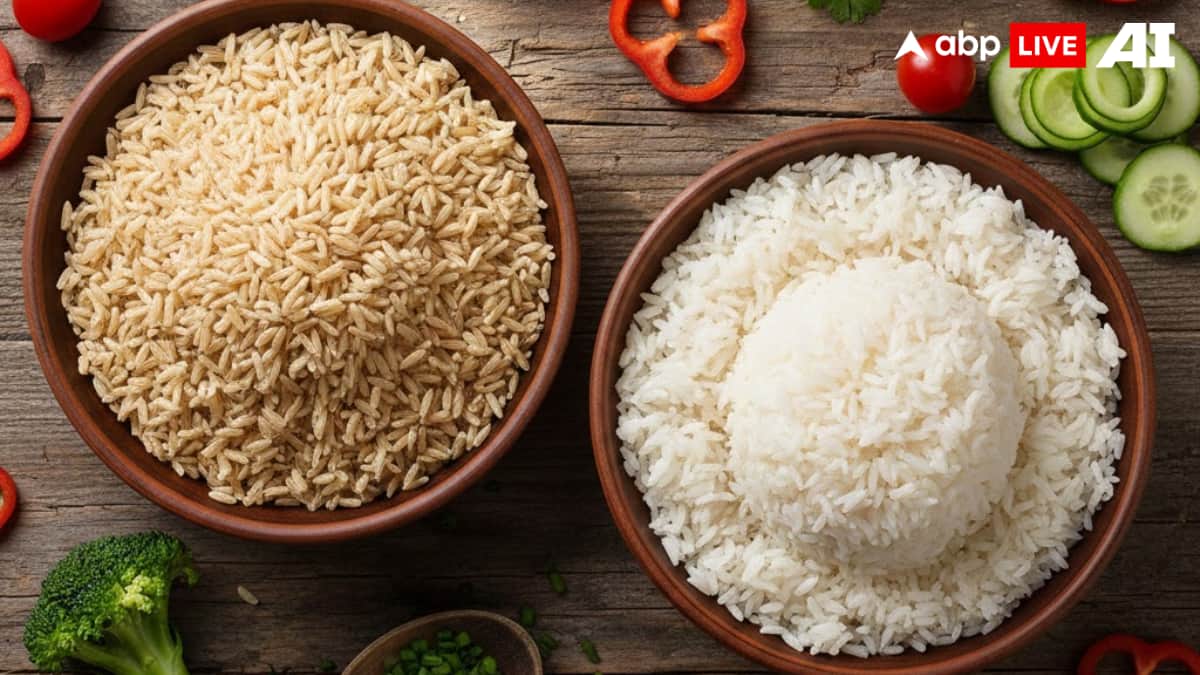
Rice is one of the most widely consumed staples across the globe, forming the backbone of countless meals every day. But when it comes to choosing between brown rice and white rice, the debate can get a little tricky. One one hand, white rice is soft, quick to cook, and highly versatile, making it a favourite in many kitchens. On the other hand, brown rice is considered the healthier cousin, packed with the fibre, vitamins, and minerals that support long-term health. The choice isn't just about taste, it affects your energy levels, digestion, weight management, and even heart health. While both types of rice can be part of a balanced diet, understanding their nutritional profiles, benefits, and potential downsides can help you make informed decisions about which rice to eat daily. ALSO READ: 8 Subtle Signs You’re Not Getting Enough Vitamin A 1. Nutritional Differences (Image Source: ABPLIVE AI) When it comes to nutrition, brown rice has a clear edge over white rice. Brown rice is a whole grain, meaning it retains the bran and germ, which are removed in white rice during processing. This makes brown rice rich in fibre, magnesium, manganese, and several B vitamins, all essential for energy production, digestion, and metabolism. Its higher fibre content slows digestion, helping regulate blood sugar levels and keeping you fuller for longer. While white rice may be fortified with some vitamins in certain countries, it doesn’t naturally provide the same health benefits as brown rice. Understanding these nutritional differences helps you make smarter choices depending on your dietary goals, lifestyle, and health needs. 2. Impact On Bloof Sugar Levels One of the most important differences between brown rice and white rice is their effect on blood sugar. Brown rice has a lower glycemic index (GI) than white rice, which means it releases glucose more slowly into the bloodstream, helping maintain steady energy levels and reducing the risk of insulin spikes. This is particularly important for people with diabetes or those trying to manage weight. White rice, on the other hand, has a higher GI, causing a quicker rise in blood sugar, which can lead to energy crashes, increased hunger, and over time, higher risks of type 2 diabetes. Still, white rich isn't bad when eaten in moderation. Pairing it with protein, fibre-rich vegetables, and healthy fats can offset its blood sugar impact. 3. Fibre Content And Digestive Health (Image Source: ABPLIVE AI) fibre plays a crucial role in maintaining a healthy digestive system, and here, brown rice clearly shines. With about 3.5 grams of fibre per cooked cup, brown rice helps promote regular bowel movements, prevent constipation, and support gut health by feeding beneficial bacteria. In contrast, white rice contains only around 0.6 grams of fibre per cup, offering minimal digestive support. Adequate fibre also contributes to satiety, reducing overeating and assisting in weight management. For people with sensitive digestive systems, brown rice can aid in stabilising gut function and reducing bloating over time. 4. Weight Management If you’re looking to manage your weight effectively, brown rice has a slight advantage due to its high fibre content. fibre not only slows digestion but also helps keep you feeling full for longer periods, which reduces the tendency to snack between meals. White rice, being low in fibre, digests quickly, which can sometimes lead to increased hunger and overeating later. Studies suggest that incorporating whole grains like brown rice into your diet may support healthy weight loss and maintenance over time. However, portion control and pairing rice with proteins and vegetables are key, regardless of the type you choose. 5. Cooking And Taste Considerations (Image Source: ABPLIVE AI) One reason white rice remains so popular is its soft texture, mild flavour, and quick cooking time, which makes it versatile for everyday meals. Brown rice, while chewier and slightly nuttier in taste, requires longer cooking and more water, which can be a barrier for busy lifestyles. flavour-wise, brown rice can complement robust dishes like stir-fries, curries, and grain bowls, while white rice pairs seamlessly with delicate sauces, sushi, and creamy risottos. For those transitioning to healthier eating, combining brown and white rice or trying semi-brown rice varieties can offer the best of both worlds. 6. Antioxidants And Heart Health Benefits Brown rice contains a wealth of antioxidants like phenolic compounds and flavonoids, which help combat oxidative stress and inflammation in the body. These antioxidants contribute to heart health by improving cholesterol levels, reducing blood pressure, and supporting overall cardiovascular function. White rice, stripped of its bran and germ, has significantly lower antioxidant content, providing minimal protection against chronic diseases. Regular consumption of brown rice may help lower the risk of heart disease, diabetes, and metabolic syndrome over time. 7. Practical Tips For Including Rice In Your Health (Image Source: ABPLIVE AI) Both brown and white rice can have a place in a balanced diet. For maximum health benefits, consider mixing both types or using brown rice for main meals while reserving white rice for special occasions or dishes that require softer grains. Pairing rice with protein-rich foods, vegetables, and healthy fats ensures better nutrient absorption and keeps blood sugar levels stable. Experimenting with spices like turmeric, cumin, and cinnamon can enhance flavour and add extra health benefits. Pre-soaking brown rice or using pressure cooking can reduce cooking time and improve digestibility. [Disclaimer: The information provided in the article is intended for general informational purposes only. It is not a substitute for professional medical advice, diagnosis, or treatment. Always seek the advice of your physician or other qualified healthcare provider with any questions you may have regarding a medical condition.]

UIDAI’s New Aadhaar App Goes Live After Republic Day: No Need To Carry The Card Anymore

Two days after Republic Day, on January 28, UIDAI will launch the full version of the new Aadhaar app. This update has been confirmed by UIDAI through a post on X. The app is designed to make Aadhaar use simple and safe. People will no longer need to carry their Aadhaar card or photocopies. They can also update their mobile number and address from home.  The app follows a “privacy first” idea, letting users share only what is needed and hide the rest. New Aadhaar App Features That Make Daily Life Simple The new Aadhaar app is built to make identity use easier and safer. After installing the app, users must log in using the mobile number linked with Aadhaar.  Concert entry should be about music — not about oversharing personal information. Aadhaar is evolving to put your privacy first.Experience identity verification without unnecessary disclosure of personal information. The full version of the Aadhaar App arrives on 28 January… pic.twitter.com/UUCH8gkGYw — Aadhaar (@UIDAI) January 25, 2026 Once logged in, the full Aadhaar card will be visible inside the app. Whenever proof is needed, users can simply show it on their phone. The biggest benefit is privacy control. While sharing Aadhaar, users can hide personal details such as full address or date of birth. This reduces the risk of misuse. UIDAI has clearly said that places like concerts or events should only check identity, not collect extra data. With this app, there is no need to carry a physical card anymore. Everything stays secure on your phone. The app is available for both Android and iOS users.  Earlier, many features were locked. After January 28, all these features are expected to be fully active, giving users complete control of their Aadhaar in one place. How New Aadhaar App Lets You Update Number & Address One of the most useful upgrades in the new Aadhaar app is the option to update details from home. Users will be able to change their registered mobile number directly inside the app. There will be no need to visit any Aadhaar centre. The entire process can be completed online in a few easy steps. The app also allows users to update their address. For this, users will have to upload valid supporting documents. The app will clearly show which documents are accepted, so there is no confusion. This feature saves time, travel, and long waiting lines. It is especially helpful for people who live far from service centres. Overall, the new Aadhaar app is made to be simple, secure, and user-friendly for everyone.

8 Subtle Signs You’re Not Getting Enough Vitamin A

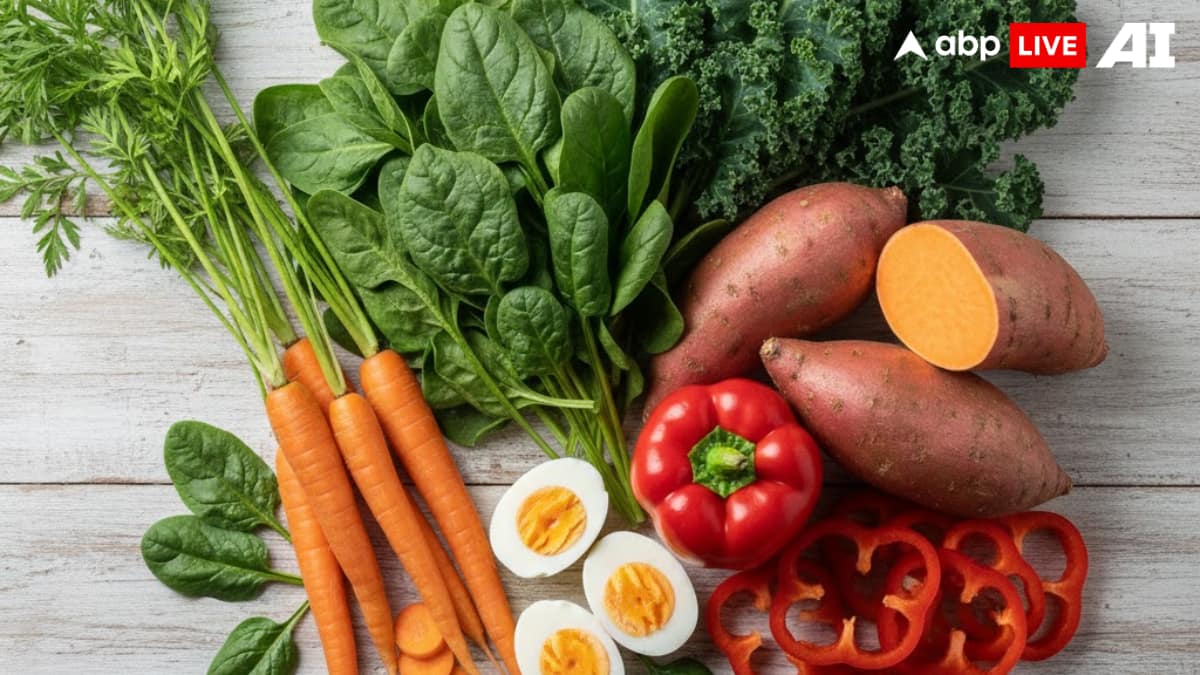
Vitamin A is one of the most essential nutrients for maintaining overall health, yet many people remain unaware of the subtle signs of deficiency. This fat-soluble vitamin plays a vital role in supporting vision, boosting immunity, promoting healthy skin, and ensuring proper organ function. Despite its importance, modern diets often fall short, leaving the body craving this crucial nutrient. Missing out on Vitamin A doesn’t always trigger immediate alarm bells; often, deficiency starts with minor symptoms that are easy to overlook. From night blindness and dry skin to frequent infections and delayed wound healing, your body sends signals long before the problem becomes serious. Let's explore 8 subtle yet telling signs that your body isn’t getting enough Vitamin A, along with tips to naturally boost your intake and maintain optimal health. ALSO READ: Myths vs Facts About Blood Donation: Doctors Bust The Biggest Fears Holding Donors Back 1. Night Vision Problems (Image Source: ABPLIVE AI) Difficulty seeing in low light or struggling to adjust when moving from bright to dim environments could indicate Vitamin A deficiency. This nutrient is essential for producing rhodopsin, a protein in the eyes that helps you see in dim lighting. Without enough Vitamin A, your eyes cannot create sufficient rhodopsin, resulting in poor night vision and even night blindness over time. Early signs may include squinting, slow adjustment in dark spaces, or needing extra light when reading or driving at night. Vitamin A deficiency can also contribute to more severe eye conditions, including dryness of the cornea and, in extreme cases, permanent vision loss. Incorporating Vitamin A-rich foods like carrots, sweet potatoes, and leafy greens into your diet can help restore proper eye function. 2. Dry Or Rough Skin (Image Source: ABPLIVE AI) One of the earliest and most noticeable signs of low Vitamin A is dry, rough, or flaky skin. This vitamin is crucial for maintaining the integrity and repair of skin cells, promoting smooth, hydrated, and glowing skin. Without enough Vitamin A, the skin’s natural renewal process slows down, leading to buildup of dead cells and rough patches. These skin changes often appear on the arms, legs, and face, making your skin more prone to irritation, itching, and even infections. Adding Vitamin A-rich foods like pumpkin, kale, and liver can help your skin regain moisture and elasticity. Additionally, topical treatments containing retinoids, a form of Vitamin A, are often recommended to combat dryness and support skin regeneration. 3. Frequent Infections (Image Source: ABPLIVE AI) Vitamin A is a powerhouse nutrient for the immune system. When your body lacks this vitamin, it can’t produce enough white blood cells or antibodies, leaving you more susceptible to infections. Frequent colds, respiratory infections, and even prolonged flu symptoms may indicate that your immune system is compromised due to Vitamin A deficiency. Children and older adults are particularly vulnerable to these effects, but adults can also experience recurrent illnesses if intake is insufficient. Incorporating Vitamin A-rich foods like eggs, dairy products, and dark leafy vegetables helps strengthen immunity. 4. Slow Wound Healing (Image Source: ABPLIVE AI) If cuts, scrapes, or bruises take longer than usual to heal, your body might be lacking Vitamin A. This nutrient plays a key role in cell regeneration and collagen production, both essential for repairing tissues and healing wounds effectively. Deficiency can lead to delayed healing, increased risk of infection, and poor tissue recovery. Vitamin A works synergistically with other nutrients like Vitamin C and zinc to ensure wounds close quickly and scars form minimally. Foods like sweet potatoes, carrots, spinach, and liver provide the nutrients needed for faster recovery. Additionally, avoiding processed foods and ensuring a diet rich in fresh vegetables, fruits, and protein supports optimal tissue repair. 5. Hair Thinning And Dry Hair (Image Source: ABPLIVE AI) Hair health is closely linked to adequate Vitamin A intake. A deficiency can cause hair to become dry, brittle, and prone to breakage, or even lead to excessive hair shedding. Vitamin A helps in the production of sebum, a natural oil that keeps hair moisturised and scalp healthy. Without sufficient levels, hair follicles may weaken, resulting in thinning and dull-looking hair. Incorporating Vitamin A-rich foods such as eggs, dairy, and leafy greens can revitalise hair and promote growth. Additionally, balancing Vitamin A with other nutrients like biotin, zinc, and protein is crucial for maintaining strong, shiny hair. Early attention to hair changes can prevent long-term hair loss and improve overall scalp health. 6. Cracked Lips And Dry Mouth (Image Source: ABPLIVE AI) Vitamin A deficiency often manifests through oral symptoms, including cracked lips, dry mouth, and sore tongue. These issues occur because Vitamin A plays a role in maintaining the mucous membranes that line the mouth and throat. Without enough of this nutrient, membranes can become dry, irritated, and more prone to infections or ulcers. Persistent dryness may make speaking, eating, and swallowing uncomfortable. Including Vitamin A-rich foods like carrots, sweet potatoes, and red bell peppers can restore moisture and support oral tissue health. Additionally, staying hydrated and maintaining good oral hygiene can help reduce irritation. 7. Weak And Brittle Nails (Image Source: ABPLIVE AI) Brittle, slow-growing, or weak nails can be another sign of Vitamin A deficiency. This vitamin is vital for the production of keratin, the protein that forms the structure of nails. A lack of Vitamin A can cause nails to peel, split, or develop ridges, making them appear unhealthy. Ensuring your diet includes Vitamin A-rich foods such as eggs, cheese, and leafy greens helps strengthen nails and support growth. Pairing Vitamin A intake with biotin and protein-rich foods further enhances nail health. Nail changes are often one of the first visible signs of nutrient deficiency, making them an easy indicator to watch for. 8. Fatigue And Low Energy (Image Source: ABPLIVE AI) Feeling unusually tired or lacking energy despite sufficient sleep may indicate Vitamin A deficiency. This vitamin supports numerous bodily functions, including immune response, vision, and cellular health, all of which contribute to overall energy levels. Low Vitamin A can reduce efficiency in metabolic processes, making the body feel drained even after rest. Boosting intake through foods like pumpkin, carrots, liver, and leafy greens can improve energy levels, support immune function, and enhance cognitive performance. Combining Vitamin A-rich foods with a balanced diet, regular exercise, and hydration can further reduce fatigue. [Disclaimer: The information provided in the article is intended for general informational purposes only. It is not a substitute for professional medical advice, diagnosis, or treatment. Always seek the advice of your physician or other qualified healthcare provider with any questions you may have regarding a medical condition.]

ABP Live Leaks Before Launch | iPhone 18 Pro Won’t Kill Dynamic Island, Apple Is Making It 35% Smaller Instead

iPhone 18 Leaks: iPhone 17 was launched just a few months back, and the talks on the iPhone 18 have already started swirling in the air. Apple fans are once again glued to leaks and rumours, trying to guess what’s coming next. Over the past weeks, reports about the iPhone 18 Pro’s front design have been all over the place. Some said Face ID would hide under the screen. Others claimed a new hole-punch camera was coming.  Many even believed the Dynamic Island would disappear. Now, a trusted leaker says those reports were misunderstood, and the truth is far simpler. iPhone 18 Pro Dynamic Island Will Stay, Just Smaller According to popular Weibo leaker Instant Digital, early Chinese and Korean supply chain reports were mistranslated in English media. That error created the hole-punch camera rumour. In reality, Apple is not removing the Dynamic Island on the iPhone 18 Pro. It will stay right where it is. The only real change is its size. The iPhone 18 Pro Dynamic Island is expected to become around 35% narrower.  That means more screen space and a cleaner look, without changing how users interact with the phone. You will still see music controls, navigation, calls, and live activities in the same familiar place. Display analyst Ross Young has also backed this claim. His confirmation adds strong weight to the leak. Apple seems to be improving what already works instead of replacing it.  This approach feels very “Apple-like.” Rather than shocking users with a sudden change, the company is slowly refining the design. iPhone 18 Pro Front Design Rumours Finally Make Sense So why did the hole-punch story spread so fast? It all came down to translation. The original reports talked about changes in infrared Face ID components. Some English coverage misread that and turned it into a new camera cutout rumour. Apple is still working on under-display technology, but it is not ready to fully hide everything yet. The company values reliability more than rushing new tech. A smaller island gives Apple more time to perfect hidden sensors without risking performance. This also matches Apple’s history. Big design shifts happen slowly. First comes refinement, then transformation.  With the iPhone 18 Pro front design, users can expect a cleaner screen, more usable space, and a familiar feel. It will look fresh, modern, and still unmistakably like an iPhone.