Language Settings
Select Website Language
newshunt
newshunt

Filters

Channels
Topics
Other Filters

Best Crypto Presale Of March Is Deepsnitch AI, Crossing $1.75M Toward 1000x Launch, Fueled By Gate's EU License And Bitcoin ETF Comeback

After five weeks of outflows totalling above $3.8 billion, Bitcoin ETFs snapped the streak with $507 million in daily inflows as BTC reclaimed $68,000. In the same week, closing out February, exchange Gate secured a PSD2 payments license in Malta, opening regulated fiat and stablecoin services across the EU.  With this news in mind, the best crypto presale, as the institutional roots grow deeper, is very likely to be DeepSnitch AI right now. It's an AI-powered intelligence platform arming investors with real-time whale tracking, contract audits, and risk scoring. At above $1.75M raised in presale, priced at only $0.04228 still, launch is a hair's breadth away, as is a potential moonshot run, fueled by its sharp utility. Institutional appetite floods back as EU regulation rolls forward BlackRock's IBIT attracted above $297 million on February 25, with Bitwise and Fidelity adding another $70 million combined. Trading volumes climbed above $4.3 billion, which is the highest since February 9. And Gate's Malta license is above and beyond compliance, as under PSD2, it can passport payment services across EU member states and facilitate direct debits. OKX landed its own Maltese payments license days before this, and all in all, what’s clear is that infrastructure is plugging into traditional finance at the regulatory level. Compliance frameworks are broadening as institutional money comes back around. The top crypto presale projects with live products sit in the best place to benefit from those circumstances, and low-cap presales with demonstrable utility have all it takes to power up without letting up. The best crypto presale and other opportunities as the market changes gears DeepSnitch AI Most presale projects sell you a vision and ask you to wait, but the best crypto presales will be able to put proof in the pudding. DeepSnitch AI is, in that sense, the best of the best. It’s just shipped its eighth development update, sealing the deal on an internally-live, layered, production-hardened network actively serving users right now. As for what its utility is all about, this is an AI-powered intelligence platform with five agents designed to close the gap between what whales know and what retail knows.  Among these tools, or "snitches," SnitchGPT has had a cognitive upgrade, so it doesn't just pull data anymore but can use that data to conjure unique insights. Ask it a general crypto question, a protocol concept, or a specific token risk query, and it answers intelligently, grounded in live platform data.  As another example, there’s also Token Explorer, active alongside it, offering single-token deep dives with risk scoring, time-series analytics, and visual liquidity profiling.  And the DeepSnitch AI dashboard itself has been rebuilt for clarity under pressure: sharper layouts, refined visual hierarchy, polished interactions from login to deep analysis: Through the unified intelligence layer, all five snitches, each with its own role to play, operate as one connected system. Here, you can easily query any signal, track any anomaly, and see whale splashes flagged daily. And staking is live, uncapped, and dynamic, meaning APR rises as participation grows.  With the full suite landing at launch, which is right around the corner, there’s more than enough reason to clock this token for what it is: a plausible moonshot, even the next token to 1000x. In 2026, it’s filling an urgent need with a utility that’s rare.  Still priced at only $0.04228, there’s no better time to buy into DeepSnitch AI, the best crypto presale with credible, utility-driven moonshot potential. Launch is fast-approaching, and you’ll want to get involved before the run for the highest possible returns. https://youtu.be/jVCQ30HIJj8 Kaspa KAS is at around $0.031, dipping less than half of Bitcoin's slide as of 26 February, with resilience sure to nab accumulation-minded investors. Its blockDAG architecture keeps attracting developers, and community conviction is holding the floor firm as well.  Kaspa could touch $0.077 by year-end, which would land it at roughly double, and long-range models put it past $0.60 by 2050. The $0.036 resistance is the near-term hurdle that still needs to be cleared, though the risk-reward at these levels is enticing enough. That said, doubling on an established project is a different outcome entirely from the multiples of low cap presales, like DeepSnitch AI, can offer even before touching an exchange, so keep that in mind if you want higher takeaways. Ondo Finance It wouldn’t be absurd to think that RWA has vanished, but it’s actually just been repricing. Ondo is trading at around $0.26, dragged by a fear index of 16. Volume surged 50%, confirming active repositioning, as year-end forecasts sit above $0.58, or a 120% return if tokenised treasury demand materialises.  Ondo's institutional-grade products give it durability, and $0.25 is the line in the sand. But even a strong 2x can't reach the ceiling that the best crypto presale entries hit when a working product brushes with fresh exchange liquidity. Last look DeepSnitch AI is shipping working AI tools before launch, while presale buyers get exclusive access. At $0.04228, pricing doesn't reflect the system's maturity at all yet, and therein lies its room to run, corroborating the widely-held faith in an upcoming 1000x run. The launch is just around the corner, only days out, and if you move decisively enough, you can use bonus codes to gather up extra tokens on commitments above $2,000, scaling to DSNTVIP300 for 300% on commitments above $30,000. That bonus compounds your upside dramatically should the token run post-launch, and DeepSnitch AI has all it takes to pull that off, between its credibility and utility. Secure your spot at the DeepSnitch AI presale on the official website and follow the latest on X and Telegram so you don’t miss anything crucial. Disclaimer: This is a sponsored article. ABP Network Pvt. Ltd. and/or ABP Live do not endorse/subscribe to its contents and/or views expressed herein. Crypto products and NFTs are unregulated and can be highly risky. There may be no regulatory recourse for any loss from such transactions. Cryptocurrency is not a legal tender and is subject to market risks. Readers are advised to seek expert advice and read offer document(s) along with related important literature on the subject carefully before making any kind of investment whatsoever. Cryptocurrency market predictions are speculative and any investment made shall be at the sole cost and risk of the readers.

ABP Live Doc Talk | Sugar, Sun, And Synthetic Threat: The Modern Lifestyle Damaging Your Health

Many people today like to eat sugary snacks, spend a lot of time in the sun, and breathe in synthetic colours that are in processed foods, cosmetics, and polluted air. When looked at on their own, these things might not seem bad in small amounts. But when they are together, they can raises oxidative stress and has a negative effect on health without anyone knowing it. ALSO READ: ABP Live Doc Talk | Not Just A Baby Problem: Why Congenital Heart Defects Matter For Adults As Well High Glycemic Foods: Fuel For Internal Inflammation Foods with a high glycemic index quickly raise blood sugar. Some common examples are sugary drinks, white bread, candy, and snacks that have been processed. When blood sugar levels rise quickly, the body makes more insulin. Glycation happens when proteins stick to too much sugar and make harmful compounds. This makes inflammation and free radicals worse, which damages cells, weakens collagen, speeds up the aging of the skin, and raises the risk of metabolic problems. UV Exposure: The External Trigger Sunlight is necessary for making vitamin D, but too much exposure to UV rays can hurt skin cells. UV rays go through the skin and make free radicals right away. These free radicals hurt healthy cells, break down collagen and elastin, and hurt DNA. This is why spending a lot of time in the sun can cause tanning, pigmentation, wrinkles, and aging too soon. When the body is already inflamed from eating too much sugar, UV exposure can make oxidative stress worse. Particulate Colours: The Hidden Chemical Stress Particulate colours are synthetic dyes, food colours, cosmetic pigments, and tiny bits of pollution that are in the air. These things might have chemical compounds or heavy metals in them that make the body more toxic. Some of these particles can cause inflammation when they are breathed in or absorbed through the skin. They make reactive oxygen species (ROS), which are another type of free radical. Pollution and artificial colours in food and skin care products add stress to the body's defense system, especially in cities. How The Trio Amplifies Oxidative Stress Oxidative stress happens when there is too much free radicals and not enough of the body's antioxidant defense system. Our bodies make antioxidants on their own to repair damage. But when sugar levels rise, UV rays, and synthetic chemicals all work together, the load gets a lot heavier. High blood sugar damages collagen and makes it harder for the skin to heal. Cells are hurt directly by UV rays. This combination can cause the skin to age faster, more pigmentation, slower wound healing, metabolic imbalance, and long-term damage to cells. Oxidative stress that lasts for a long time weakens the body's defense system and is linked to long-term health problems like diabetes, heart disease, and some types of cancer. Protecting Yourself From The Perfect Storm The good news is that making small changes to your lifestyle can lower this risk. Eat foods with a low glycemic index, cut back on refined sugar, wear broad-spectrum sunscreen, stay out of the sun, use clean-label products, and eat antioxidant-rich foods like berries, leafy greens, seeds, and green tea every day. Sugar, sunlight, and synthetic exposure together may not cause symptoms right away, but they do have an effect over time. It's always easier to stop something from happening than to fix it. Disclaimer: The information provided in the article is shared by experts and is intended for general informational purposes only. It is not a substitute for professional medical advice, diagnosis, or treatment. Always seek the advice of your physician or other qualified healthcare provider with any questions you may have regarding a medical condition.

Ramadan 2026: 5 Nutritionist-Approved Sehri Meals To Stay Hydrated And Energised

As Ramadan is approaching, conversations around fasting are always around what to avoid like caffeine, fried foods, dehydration, and energy crashes.  Rather than approaching wellness with a mindset of restriction, it is far more empowering to focus on preparation. Preparation shifts the narrative from deprivation to intention. It encourages thoughtful planning, mindful choices, and proactive habits that naturally support balance and nourishment. ALSO READ: Ramadan 2026: Top 10 Iftar Recipes Under 20 Minutes For A Flavour-Packed Evening Fuel Your Body For Sustained Energy And Hydration During fasting rather than viewing Sehri as “just an early breakfast,” consider it your strategy session for the day ahead. From a nutrition science perspective, the goal is: Slow digestion intentionally through fibre and healthy fats Sustain energy release with complex carbohydrates Preserve lean muscle with adequate protein Protect hydration levels with water-rich foods and electrolytes So, here are 5 recipes for you to try this sehri to make fasting healthy and prevent your body from feeling sluggish.  1) Overnights Oats Cup (Image Source: ABPLIVE AI) Ingredients Rolled oats soaked in milk or water (overnight oats work great) - 1 cup Chia Seeds - 1 tbsp Greek or Plain Yogurt - ½ cup Hydrating Fruits (berries, apples, or pomegranate) - ¼ cup  A handful of nuts for healthy fats Method Soak oats overnight in milk & chia seeds in a refrigerator. Add a layer of greek yogurt once the oats & chia seeds have swelled up. Top it with fruits of your choice like apple, pomegranate & blueberries and nuts.   How Does This Dish Help? Oats are rich in complex carbohydrates and soluble fibre, which help release energy slowly. Adding chia seeds boosts omega-3 fatty acids and fibre, helping you feel full longer. Yogurt contributes protein and probiotics for gut health, while fruits provide natural sugars and hydration.  2) Moong Dal Chilla With Curd And Coconut Water (Image Source: ABPLIVE AI) Ingredients Overnight Soaked Moog Dal- 30 g Coriander Leaves- handful Chilli- 1 no Onion- 2 tbsp Meethi leaves- 2 tbsp Tomato- 2 tbsp Salt as per choice Oil- 5 ml Method Grind the moong dal, chili, coriander & salt with little water till a batter like consistency is reached. Now add in the cut veggies and mix well. Heat a pan and add in the batter and let it cook with some oil till golden brown. Serve it hot with a cup of curd & coconut water.  How Does This Dish Help? Moong dal is high in plant-based protein and easy to digest. It stabilises blood sugar and helps maintain muscle mass. Curd is a natural probiotic that keeps the gut cool and coconut water gives you the hydration packed with the right electrolytes.  3) Chicken Vegetable Wrap With Chia Seed Buttermilk (Image Source: ABPLIVE AI) Ingredients Minced Chicken - 50g Oil - 10 ml Chilli Powder- ½ tsp Turmeric Powder- ½ tsp Coriander Powder- ½ tsp Salt- as per taste Capsicum (chopped)- 2 tbps Onion (chopped)- 2 tbps Tomato - 2-3 Whole Wheat- 30g Chia Seeds- 1 tbps Curd- 150 ml Method In a bowl mix all the spices with little water and add in the chicken and keep aside. Heat a pan with oil, add the marinated chicken and cook till tender. Now make a paratha and add the chicken with all the cut veggies. In a bowl add curd and overnight soaked chia seeds. Mix in water and make a thin watery consistency. Add salt and jeera powder. The wrap and buttermilk are ready to have. How Does This Dish Help? Chicken is packed with protein and easy to digest. The veggies and paratha give the fibre that keeps you full for long. Buttermilk keeps the gut cool and you hydrated.  4) Vegetable Daliya With Flax Seed And Curd (Image Source: ABPLIVE AI) Ingredients Roasted Broken Wheat- 30 g Onion (chopped) - 1 small Tomato (chopped) - 1 small Capsicum (chopped) - 2 tbsp Carrot (grated) - 2 tbps Water- 2 cups Oil - 5 ml Chili - 1 no Curry Leaves- 3-4 Mustard Seeds - ½ tsp Salt - as per taste Roasted Flax Seeds- 1tbps Curd - ½ cup Method Heat oil in a kadai, add mustard seeds, curry leaves and chilli till sizzle. Add onion and saute till golden brown, add the rest of the veggies and cook till half done. Now add in the water with salt, once the water boils, stir in the broken wheat, keep stirring to avoid lumps, later cover and let the broken wheat puff and get translucent. Serve with a cup of curd topped with flax seeds.  How Does This Dish Help? Daliya (broken wheat) is rich in complex carbohydrates and fibre, which release energy slowly. Adding vegetables like carrots,tomato and capsicum increases water content and micronutrients. A bowl of plain curd on the side adds protein and supports gut health. 5) Energy Smoothie (Image Source: ABPLIVE AI) Ingredients Greek Yogurt - 200 ml Banana - 2 small Almonds - 5-6 Chia Seeds - 1 tsp Peanut Butter - 1tbps Dates - 2 pcs Method In a grinder add the yogurt with the rest of the ingredients, now grind it. If needed add little milk to make it thin and serve it chill.  How Does This Dish Help? For individuals who struggle to eat early in the morning, smoothies are practical and nutrient-dense. Banana provides potassium (important for hydration balance), dates offer natural energy, and peanut butter adds protein and healthy fats. [Disclaimer: The information provided in the article is intended for general informational purposes only. It is not a substitute for professional medical advice, diagnosis, or treatment. Always seek the advice of your physician or other qualified healthcare provider with any questions you may have regarding a medical condition

Maruti eVitara Sees Strong Demand Beyond Tier 1 Cities After Rs 10.99 Lakh Launch Price

Speaking to the media, Partho Banerjee, Senior Executive officer, Maruti Suzuki today told how the eVitara has received a strong response after its pricing which has been competitive. The eVitara was launched recently with an aggressive starting price of Rs 10.99 lakh with BAAS while the standard pricing is Rs 15.99 lakh starting. Maruti Suzuki also offers a buyback scheme for the car. The eVitara has been drawing a lot of interest especially beyond Tier 1 cities. Maruti Suzuki currently has a limited production capacity for the Indian market regarding the eVitara with the global export market demand and other OEM supply demands also having to factor. For the local market, the production capacity is around two thousand a month. Battery, Variants and Production Plans The eVitara comes with 49 and 61kwh battery pack with a range of upto 543km. Coming in three trims the eVitara is the first Maruti Suzuki and is based on a different platform. The top-end Alpha trim is Rs 19.79 lakh. Unlike some manufacturers, Maruti Suzuki offers a complimentary 7.4kw AC charger with free installation. The production constraints would be till July as after that production will increase. Currently, Maruti Suzuki has a charger at all of its dealerships too including a fast charger. The eVitara is currently sold via it's Nexa outlets.

Best Crypto To Buy Now: Deepsnitch AI Finishes The Core Intelligence Layer Ahead Of Schedule, Strengthening 100x Calls, BNB & SOL Offer Solid Post-Dip Entry

REX Shares announced the launch of an ETF that combines leveraged covered-call strategies across a variety of single-stock ETFs into one product. At the same time, the crypto market continued with solid development, despite a short-term pullback. As a result, the search for the best crypto to buy now is in full swing as traders await solid gains in the future.DeepSnitch AI is one of the most popular picks as the project not only provides relief from short-term volatility, but its community projects 100x gains. The project also announced that its analytics suite, powered by five AI agents, is nearly ready to ship as the core intelligence layer is live. REX Shares bundles leveraged covered-call strategies On February 26, REX Shares launched an innovative exchange-traded fund that bundles leveraged covered-call strategies across nine single-stock Growth & Income ETFs into one income-focused product. The fund provides equal-weighted exposure to REX’s existing ETFs, targeting about 1.25x leverage on each underlying stock while writing covered calls on portions of the portfolio to generate weekly option premium income. Holdings span crypto-linked names like Coinbase (COII) and Strategy (MSII), plus Nvidia (NVII), Tesla (TSII), Robinhood (HOII), and others. GIF trades on Cboe Global Markets, with payouts primarily from covered call premiums, marking a step toward more accessible, income-generating exposure to high-growth and crypto-adjacent equities in a single ETF wrapper. Meanwhile, the short-term pullback reiterated just how important it is to find the best crypto to buy now to avoid any rapid price swings. Undervalued tokens today? 1. DeepSnitch AI: Live intelligence layer and dashboard preview confirm DSNT’s position as one of the market leaders in 2026 After a recovery phase, the bear market concerns are back, leading many to wonder what’s the best crypto to buy now to avoid the chop. DeepSnitch AI is a solid contender. Hailed as one of the most promising crypto projects based on the trajectory alone ($1.76M was secured amid the downturn), community expectations became much more realistic after the team announced a series of development updates. For starters, the preview of the analytics suite for trading powered by five AI agents is a clear winner. It demonstrates both the simplicity and the potential of the solution: all the analytics services are accessible from the main window. This means traders can fire up the solution and find all the integral tools they need to achieve their full potential and avoid risks like honeypots or rugs. Case in point, one service tracks social sentiment swings in real time, the other finds breakout setups and hidden gems, and you can also plug a contract address into the LLM agent to get an instant audit. The solution is already fully operational as the team revealed that the intelligence layer is live and kicking, and AI agents are getting more effective with each day. Yet, DeepSnitch AI also represents a good deal for different types of traders. The entry is currently $0.04146, which could come with a high upside if 100x-300x projections come true. Whales can significantly boost their earnings by applying exclusive bonus codes (up to 300%) for their large allocations. https://youtu.be/jVCQ30HIJj8 2. BNB: Does BNB have a good entry point? According to CoinMarketCap, BNB hovered around $629 on February 26. The bulls are gearing up to challenge the 20-day EMA. A successful close will strengthen the bullish setup, and a decisive close above $641 will allow BNB to go for the $669. The final stop in the pattern is $730. Considering that BNB reached $1K last year, it means that the current entry makes BNB one of the most undervalued coins today, and by extension, the best crypto to buy now. Do note that losing the February 26 level and closing below $570 will extend the downturn and potentially tank the price to $500. 3. Solana: Is the SOL dip worth it? On February 26, SOL recovered to $87 following a pump the day prior, according to CoinMarketCap. Similar to BNB, SOL is also a solid contender for the best crypto to buy now, as the coin still has some potential, even though sellers could start dumping at any minute. Losing the $87 line could lead to a downturn to $76 and open the drop to $67. If the bulls stay on top of their game and keep the price solid, $95 is the next hurdle toward $117. Final words: The true ticker is here Bears are unfortunately back and have erased days of gains. However, it doesn’t mean you should bear up and avoid any traders. Instead, you can pivot into what many think is the best crypto to buy now - DeepSnitch AI. The project has everything going for it. Along with the $1.76M momentum, the conviction is basically set in stone as DeepSnitch AI doubled down on its central intelligence suite and will deliver the working product long before the projected 100x listing. If you jump in at this very moment, you’re in luck as applying DSNTVIP50 gives 50% extra tokens on $5K+, with the DSNTVIP300 basically delivering a life changing 300% bonus (about $90K additional DSNT tokens) on $30K+ allocations. Get the true ticker in the DeepSnitch AI presale. Catch up on the latest community chit-chat on X or Telegram. Disclaimer: This is a sponsored article. ABP Network Pvt. Ltd. and/or ABP Live do not endorse/subscribe to its contents and/or views expressed herein. Crypto products and NFTs are unregulated and can be highly risky. There may be no regulatory recourse for any loss from such transactions. Cryptocurrency is not a legal tender and is subject to market risks. Readers are advised to seek expert advice and read offer document(s) along with related important literature on the subject carefully before making any kind of investment whatsoever. Cryptocurrency market predictions are speculative and any investment made shall be at the sole cost and risk of the readers.

Pune’s ‘Pailwan’ Plans 1,000 Litres Of Thandai For Holi 2026, Orders Already Pouring In

In Pune, Holi doesn’t just bring colours and music, it signals the return of a beloved seasonal ritual. As winter fades and the first hints of summer arrive, demand for thandai begins to surge. This year, that demand is reaching remarkable levels. At Pailwan Thandai House in Hinjewadi, preparations are already underway. With Holi set to be celebrated on March 3, owner Netaji Jadhav says advance bookings have crossed 400 litres and the total could climb to an astonishing 1,000 litres in the coming days. ALSO READ: Holi 2026: Buying Khoya For Gujiya? Spot Fake Mawa In 1 Minute Before It Harms Your Family Advance Orders Are Pouring In           View this post on Instagram                       A post shared by Food & Travel Blogger (@foodie.soulmates) Housing societies, large community celebrations and private gatherings have begun locking in their supplies early. “We receive advance orders from housing societies, large-scale Holi events and private gatherings. As February ends, people automatically start placing orders for Holi. This is our busiest time of the year,” says Jadhav. For him, the weeks leading up to Holi are less about celebration and more about preparation. Milk cans, spice blends and dry fruits move in bulk as the festive rush builds. Why Thandai And Holi Go Hand In Hand Holi arrives at the cusp of seasonal change, when days grow warmer and the body begins adjusting to rising temperatures. Thandai, made with milk, nuts and spices such as fennel, pepper and cardamom, is traditionally believed to cool the system while offering strength. “Holi comes when the weather changes. Thandai cools the system and gives strength and energy,” Jadhav explains. “It’s not just about sweetness. The masala has a role.” For many Punekars, the drink is both symbolic and practical, festive in spirit yet rooted in seasonal wisdom. A Business Born During Lockdown Interestingly, this booming venture emerged during a period of uncertainty. The COVID-19 lockdown became a turning point for Jadhav and his family. “During the lockdown, people were thinking more about health. As a family, we decided to start something natural and nourishing,” he recalls. The response exceeded expectations, convincing him to continue even after restrictions were lifted. What began as a health-conscious experiment soon turned into a seasonal favourite. A Wrestler’s Approach To A Traditional Drink A trained wrestler, Jadhav brings the discipline of the akhada into his kitchen. He insists on doing things the traditional way, no artificial flavours, no ready-made concentrates. “For people who do heavy workouts, thandai works like a natural energy drink. We use it as a protein-rich alternative,” he says. He personally prepares the spice blend. Nuts and seeds are ground in-house. Fresh milk arrives every morning from his own dairy. “If the milk and masala are right, you don’t need anything else,” he adds. Simple Menu, Loyal Following The offerings are deliberately limited: a classic badam thandai and a rose-flavoured version with a gentle floral twist. A glass costs Rs 40, while a litre is priced at Rs 200, making it accessible for both individuals and bulk buyers. Over time, the shop has built a loyal base. Customers travel from Pune, Lonavla and nearby suburbs specifically to stock up during the festive season. Festival Rush Powered By Friendship As Holi nears and demand peaks, Jadhav turns to a trusted support system, his fellow wrestlers. “I have been a pahalwan at the akhada, so during Holi my friends from the akhada come to help,” he says. From lifting heavy milk cans to managing large orders, the camaraderie helps keep operations running smoothly.

Ideas Of India 2026: ‘AI Is The Biggest Idea Of Our Times,’ Says Dr Suborno Bose

Artificial Intelligence is not merely transforming industries, it is redefining how human beings think, work and interact. At ABP Network’s Ideas Of India Summit 2026, Dr Suborno Bose places that transformation in sharp focus, calling AI “the biggest idea of our times”. Speaking in a session titled ‘AI in Hospitality: What Happens to the Human Touch?’, moderated by author Chetan Bhagat, Dr Bose frames AI not as a distant technological shift but as a present and permanent reality. From Tech Revolution To Idea Revolution “AI is no more something futuristic, it is not a tech revolution, it is an idea revolution. It is an idea upgrade,” Dr Bose says during the session. According to him, AI is not simply about automation or efficiency; it represents a fundamental change in how society approaches intelligence itself. He argues that for the next 50 to 100 years, people will live with AI as an integral part of their daily lives. The debate, therefore, is not about resistance but adaptation. In the context of hospitality, an industry traditionally built on warmth, personalisation and emotional intelligence, the central concern is whether machines can coexist with human service without eroding it. Is Hospitality Safe From AI? Addressing the question directly, Dr Bose dismisses fears of wholesale displacement. “AI will never replace human beings, the chefs or the doctors,” he asserts. Instead, he outlines how AI is already enhancing guest experiences. Hotels are developing systems where guests can choose not just a category of room, but the exact floor and room they wish to stay in. Technology allows travellers to pre-order meals before arrival and have them ready regardless of check-in time. These changes, he suggests, are not about replacing service professionals but elevating convenience and improving quality of life within the hospitality ecosystem. The larger shift lies in using data and predictive tools to anticipate needs while preserving the human element that defines the sector. AI In Education And Skill Development Dr Bose extends the conversation beyond hotels and restaurants to education, a sector he has helped shape for more than two decades. He believes AI can simplify learning across levels and disciplines, enabling customised teaching methods and faster knowledge dissemination. However, he raises a philosophical concern, “Why will kids want to learn if intelligence is going to become so easily available and be so cheap?” The question reflects a deeper anxiety about motivation in an age of instant answers. India’s Edge: Youth, Scale And Values In a broader geopolitical and economic context, Dr Bose identifies three structural advantages for India: youth, scale and values. He argues that India’s demographic dividend, its vast market size and a comparatively strong value system position it uniquely in the AI era. Ethical use, he says, will determine the trajectory of this technology. “Ethical AI is the answer. What AI is going to do is that AI is a power we are going to get, we have to use it in the right way, not unethically, but ethically.” For Dr Bose, the future is not about rejecting AI, but about shaping it responsibly. He calls for India to take leadership in adopting and guiding AI development rather than remaining a passive consumer of global technological trends. Ideas Of India 2026: The New World Order The session unfolds at the fifth edition of the Ideas of India Summit, held on February 27 and 28, 2026, in Mumbai. This year’s theme, ‘The New World Order’, explores India’s journey towards becoming a developed nation by 2047, alongside conversations on technology, economic resilience and global realignments. As AI reshapes industries from hospitality to education, the discussion underscores a defining tension of our time: how to combine high-tech capability with higher-touch humanity. For Dr Bose, the answer lies not in resisting change, but in ensuring that innovation remains anchored in ethics, empathy and national vision.

New WhatsApp And Telegram Rules From March 1: What It Means For Your Account-Check Details

From March 1, users in India may no longer be able to access messaging apps such as WhatsApp and Telegram in the same way as before due to a new regulatory requirement known as “SIM binding”. Under directions issued by the Department of Telecommunications (DoT), communication platforms will function only if the mobile number’s SIM card is physically present and active in the device. This marks a sharp shift from the current system, where apps continue to operate across linked devices even if the SIM is removed. The government says the move is aimed at strengthening cybersecurity and preventing fraud. What The New Rule Means For Users Under the new framework, messaging applications will be required to verify continuously that the SIM used to register the account remains inserted in the handset. If the SIM is removed, swapped or becomes inactive, the account may stop functioning until the original SIM is reinserted and authenticated. One of the biggest changes will affect linked devices. Features such as web and desktop access could log users out periodically, requiring fresh verification through QR codes or OTP authentication. For users who rely on a single account across multiple devices- including office systems and home laptops, this could significantly alter day-to-day usage. Government Says Security First, Industry Flags Disruption The DoT has indicated that the measure is designed to curb rising cases of online fraud involving inactive or fraudulently obtained mobile numbers. By tying accounts strictly to an active SIM, authorities aim to improve traceability and reduce misuse of communication platforms. Officials have signalled that the deadline is firm and no extension is currently under consideration. However, industry stakeholders and digital rights observers have raised concerns about operational challenges. Frequent travellers, users who switch SIM cards, and small businesses that manage accounts across multiple devices may face repeated verification hurdles. Critics argue that while the intent is to tighten security, the rule could inconvenience millions who depend on seamless, multi-device access for work and communication.

Dalal Street Crashes As Sensex Falls Over 900 Points, Nifty Tests 25,200

The Indian benchmark indices crashed on Friday as the Sensex declined over 961 points to settle at 81,287.19 and the Nifty tumbled more than 317 points to close at 25,178. In the 30-share BSE Sensex, among the top gainers were stocks such as HCLTech, Trent, Infosys and Eternal. Meanwhile, the laggards included L&T, TechMahindra, Titan, TCS and the State Bank of India. In the broader markets, the Nifty Smallcap 50 tumbled 1.28 per cent as volatility remained high. Sectorally, Nifty Realty fell 2.26 per cent and Nifty Media rose 0.60 per cent. Previously, during the early morning the BSE Sensex started the session near 82,050, falling close to 200 points, while the NSE Nifty50 opened trading around 25,400, taking a hit of nearly 100 points, as of 9:15 AM. IT Stocks Show Strength Despite Global Tech Weakness Indian IT stocks displayed resilience even as global technology shares came under pressure following weaker-than-expected earnings from Nvidia, which dampened sentiment on Wall Street. Among Sensex constituents, Infosys, Tech Mahindra, HCL Tech, TCS, and Eternal were among the early gainers. In contrast, Maruti, IndiGo, M&M, Airtel, and HUL were among the laggards during the opening hour. In the broader market, the Nifty Financial Services index declined 0.36 per cent. Sector-wise, the IT and Midsmall IT & Telecom indices advanced 1.61 per cent and 1 per cent respectively, while the FMCG and Chemical indices fell 0.60 per cent and 0.57 per cent. During the pre-open session at around 9:11 AM, the Sensex stood at 82,220.48, down 28.13 points or 0.03 per cent. The Nifty was at 25,459.85, lower by 36.70 points or 0.14 per cent, signalling a marginally weak opening. Oil Price Swings, AI Concerns Weigh on Outlook Analysts said volatility in crude oil prices, driven by ongoing tensions in the Middle East, could keep investors cautious in the near term. They also noted that broader global weakness in technology stocks may continue to affect Indian IT shares, which have already corrected by more than 20 per cent in February amid growing concerns over AI-led disruption to traditional business models. Mixed Signals From Global Markets Asian markets showed mixed trends. China’s Shanghai index fell 0.17 per cent and Shenzhen declined 0.68 per cent. Japan’s Nikkei slipped 0.24 per cent, while Hong Kong’s Hang Seng rose 0.67 per cent. South Korea’s Kospi was down 0.77 per cent. US markets mostly ended lower overnight. The Nasdaq dropped 1.18 per cent, the S&P 500 declined 0.54 per cent, while the Dow Jones edged up 0.03 per cent. On the institutional front, Foreign Institutional Investors (FIIs) were net sellers on February 26, offloading equities worth Rs 3,466 crore. Domestic Institutional Investors (DIIs), however, provided support by purchasing equities worth Rs 5,032 crore. Benchmarks End Flat After Volatile Session Benchmark indices ended largely unchanged on Thursday after a volatile trading session. The Sensex fell 27.46 points, or 0.03 per cent, to close at 82,248.61. During the day, it moved between a high of 82,579.16 and a low of 81,970.47, reflecting a swing of 608.69 points. The Nifty edged up 14.05 points, or 0.06 per cent, to settle at 25,496.55, indicating a balance between buying and selling activity. Market participants said initial optimism faded as investors chose to book profits at higher levels rather than extend positions ahead of key domestic and global developments. “The domestic market surrendered its early gains amid mixed global cues and increased caution ahead of the US–Iran nuclear talks, as well as key data releases including US initial jobless claims and India's GDP print, which triggered profit-booking,” said Vinod Nair, Head of Research at Geojit Investments Limited. Ponmudi R, CEO of Enrich Money, said that although global cues from technology and metal stocks initially supported sentiment, investors preferred to reduce exposure at elevated levels instead of chasing further gains.

Holi Bonanza For UP Employees: Salaries To Be Credited Early On CM Yogi’s Orders

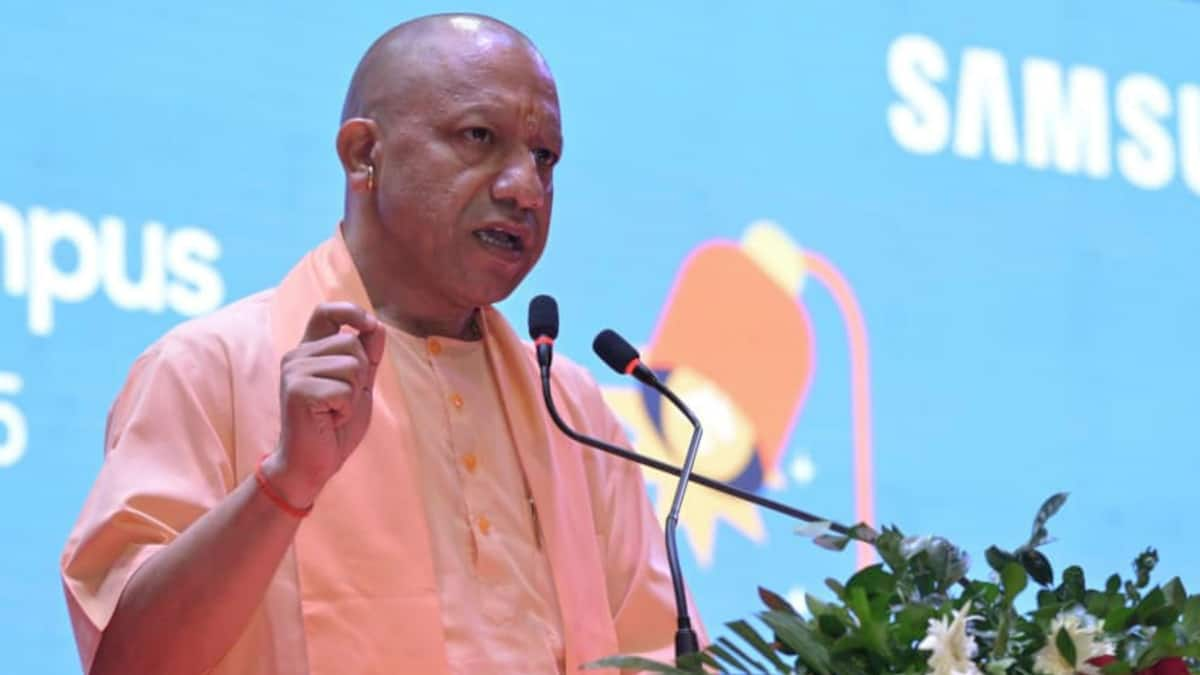
As Holi approaches, the Uttar Pradesh government has rolled out a festive measure aimed at easing financial concerns for lakhs of employees. Chief Minister Yogi Adityanath has directed that salaries for February be released ahead of the celebrations, ensuring timely payments for teachers and government staff across the state. The move has been welcomed by employees, particularly as the festival season often brings additional expenses. Multiple departments have swung into action to implement the directive without delay. February Salaries To Be Released On February 28 Under the new instructions, February salaries will be credited on Saturday, February 28, 2026. Notably, the day has been designated as a working day to facilitate smooth processing of payments. Authorities have been instructed to ensure that no category of worker is left out. According to PTI, "In Lucknow, Uttar Pradesh Chief Minister Yogi Adityanath (@myogiadityanath) has directed all officials to ensure that salaries of regular, outsourcing, contractual, and sanitation workers are paid before Holi, warning that any negligence will not be tolerated; February 28, 2026 (Saturday) has been declared a working day, March 3, 2026 will be a holiday for employees, and Holi holidays will be observed on March 2, 3, and 4." The directive applies across departments, with strict compliance expected from district-level authorities. Education Department Issues Specific Instructions The Office of the Director of School Education and State Project Director has formally communicated the decision to release salaries before March 2. The order was signed by Monica Rani, Director General of School Education, Uttar Pradesh. The communication highlights that Holika Dahan falls on Monday (March 2nd) and Holi will be celebrated on Wednesday (March 4th). To avoid administrative delays due to holidays, officials have been told to complete all formalities in advance. In view of the festivals, officers of all directorates and Finance Department are directed to ensure payment of salaries to all types of officers before Holika Dahan on March 2. Finance Department Clears Early Disbursement The Finance Department clarified that routine scheduling would have made salary release difficult due to Sunday (March 1) being a public holiday and Holika Dahan on March 2. Consequently, the proposal for early payment received approval from Governor Anandiben Patel. All district officials have been instructed to ensure that funds reach employees by February 28 without fail. The decision has generated widespread appreciation among government staff, who see the move as a thoughtful gesture ahead of the festival of colours.

Iran Oil Shock Could Drive 15% Surge In Global Crude Prices

Crude oil prices could surge to as high as USD 95 to USD 110 per barrel if Iran's oil supply and the Strait of Hormuz face disruption amid ongoing tensions, according to a report by Equirus Securities. The report noted that if Iran's nearly 3.3 million barrels per day (mbpd), which accounts for about 3 per cent of global supply, is disrupted, and assuming a 3-5 per cent price response for every 1 per cent supply shock, it could imply a 9-15 per cent rise in prices. On a base price of USD 70 per barrel, this translates into an increase of roughly USD 6-11 per barrel, lifting crude prices toward USD 76-81 per barrel purely due to direct supply loss. However, the report highlighted that markets do not price wars in a linear manner. It stated that if the escalation threatens the Strait of Hormuz, the premium becomes structural rather than proportional. Even the risk of partial disruption could embed a USD 20-40 per barrel geopolitical premium, reopening a pathway toward USD 95-110 and beyond.It stated "partial disruption risk could embed a USD 20 - USD 40/bbl geopolitical premium, reopening a pathway toward USD 95- USD 110+, well beyond mechanical impact of Iran's barrels alone". The report further observed that markets have so far responded in what it described as a textbook fashion amid expectations of possible escalation. Crude prices have firmed by around 10 per cent since the United States began positioning military assets in the Middle East, as traders priced in a headline-driven geopolitical risk premium. The move reflects the asymmetric risk linked to the Strait of Hormuz, where even a temporary disruption could materially impact global oil flows. The report said oil typically overreacts initially, embedding a geopolitical risk premium, and then gradually adjusts as trade flows are rerouted and fundamentals reassert themselves. It added that the real forecasting challenge is not predicting the initial spike but estimating how long the disruption and the embedded premium will persist. The US and Iran are currently locked in a high-stakes standoff over Iran's nuclear program and its potential to build atomic weapons. While recent talks in Geneva showed some progress, the US is maintaining heavy economic sanctions and a massive military presence in the region. Meanwhile, nuclear negotiations between the United States and Iran concluded a third round in Geneva on February 26, without a final agreement, though both sides reported "significant progress." (Disclaimer: This report has been published as part of the auto-generated syndicate wire feed. Apart from the headline, no editing has been done in the copy by ABP Live.)

Silver Prices On The Rise (Feb 27), Check 1 Gram And 1 Kg Rates In Major Cities Across India

Silver Prices Today Feb 27 2026: Silver prices rallied sharply on Friday, gaining over 3 per cent in futures trade amid escalating US-Iran tensions and a marginal pullback in the US dollar, which lifted safe-haven demand. Geopolitical uncertainty intensified after US-Iran nuclear negotiations were extended without tangible progress. The build-up of US troops and fresh sanctions targeting Iran’s oil and weapons exports further heightened tensions, prompting investors to seek refuge in precious metals. The dollar index eased 0.04 per cent to 97.76, making dollar-denominated commodities relatively cheaper for overseas buyers. However, the marginal dip followed a recent rally that had lifted the greenback to four-week highs. An analyst said structural support for MCX silver is placed in the Rs 2,25,000-Rs 2,35,000 range. A sustained hold above this zone could pave the way for an upward move towards Rs 3,00,000-Rs 3,25,000 in the medium term. Despite short-term volatility, the broader outlook for silver remains constructive, supported by geopolitical risks and resilient demand trends. Silver Price Across Major Cities In India On Feb 27 Silver Price In Delhi Today The current silver price in Delhi stands at Rs 285 per gram and Rs 285,000 per kg. Silver Price In Chennai Today The current silver price in Chennai stands at Rs 295 per gram and Rs 295,000 per kg. Silver Price In Bengaluru Today The current silver price in Bengaluru stands at Rs 285 per gram and Rs 285,000 per kg. Silver Price In Mumbai Today The current silver price in Mumbai stands at Rs 285 per gram and Rs 285,000 per kg. Silver Price In Pune Today The current silver price in Pune stands at Rs 285 per gram and Rs 285,000 per kg. Silver Price In Kolkata Today The current silver price in Kolkata stands at Rs 285 per gram and Rs 285,000 per kg. Silver Price Today in Major Indian Cities City Per Gram Per KG Silver Rate in Hyderabad 295 295,000 Silver Rate in Ahmedabad 285 285,000 Silver Rate in Indore 285 285,000 Silver Rate in Lucknow 285 285,000 Silver Rate in Coimbatore 295 295,000 Silver Rate in Bhubaneswar 295 295,000 Silver Rate in Mysore 285 285,000 Silver Rate in Kanpur 285 285,000 Silver Rate in Salem 295 295,000 Silver Rate in Visakhapatnam 295 295,000 Silver Rate in Vijayawada 295 295,000 Silver Rate in Patna 285 285,000 To check Gold price in India today, click here.