Language Settings
Select Website Language
newshunt
newshunt

Filters

Channels
Topics
Other Filters

Shoaib Akhtar calls England player 'Goron ka Hardik Pandya'

Shoaib Akhtar praised Will Jacks after his all-round effort against India national cricket team in the T20 World Cup semifinal, calling him “Goron ka Hardik Pandya.” Jacks took two wickets, including Sanju Samson, and scored 35 runs. Despite his performance, England lost by seven runs as India advanced to the final.

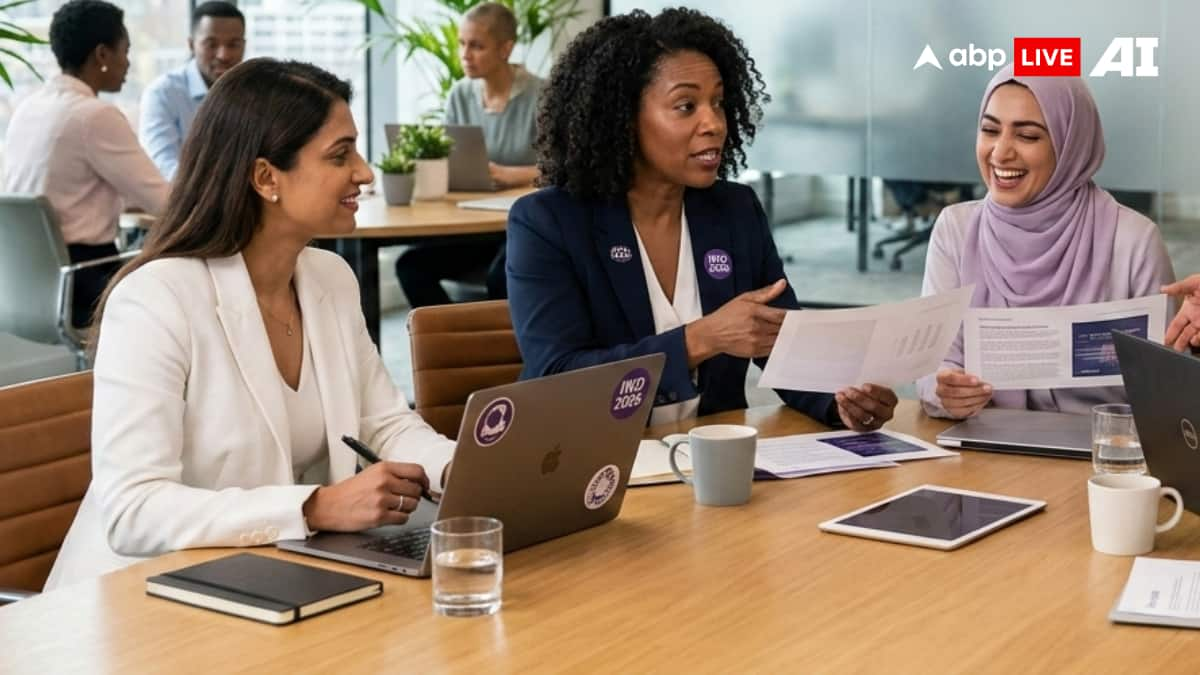
International Women's Day 2026: How Companies Can Turn Women’s Day Promises Into Real Workplace Change

Just like every year, March 08, 2026 will witness many organizations across the world ‘celebrating’ Women’s Day with the same symbolic gestures such as panel discussions, appreciation posts and wellness webinars. While these efforts may signal intent, organizations world over continue to carry structural gaps in safety, health, career progression, and psychological support for female colleagues in the workforce. The real question for employers is no longer how to celebrate Women’s Day but how to embed women’s wellbeing into year-round health strategies and initiatives that can shift the conversation from celebration to commitment. ALSO READ: International Women's Day 2026: History, Significance, Theme And All You Need To Know About March 8 Recognizing The Complexity Of Women’s Workplace Experiences It must be recognized that every woman’s workplace experience can never be uniform. Biological age and life-stage related health transitions, caregiving responsibilities, safety concerns, career interruptions, and social expectations often intersect with professional demands. Organizations that are able to acknowledge this complexity and act accordingly, can move from one-day visibility to year-round support more easily. Expanding The Scope Of Women’s Health In Corporate Wellbeing One of the best starting points in this regard is to ensure that there are enough women employees represented in health strategy formulation. Women’s health issues, in particular, have been poorly represented in corporate health initiatives, with maternity being the main focus. Today, we are able to expand this perspective to include issues of menstrual health, fertility, menopause, metabolic problems, musculoskeletal disorders, and, of course, mental health. Ensuring access to gender-sensitive preventive screening, counseling, ergonomics, and flexible leave policies sends a powerful message that women’s health is not just about the individual; it’s about the organization. Of course, this also means that health benefits are communicated in a way that does not stigmatize, promotes awareness, and facilitates utilization. Flexibility As A Workforce Design Strategy Flexibility is the other important aspect that forms the basis of supportive action. Flexible working arrangements should not be perceived as being for women but rather as being for the organization. Hybrid working, predictable shift patterns, the use of phased return to work for women who have been away from the workplace for caregiving, and the measurement of performance metrics for women all ensure that women are able to have successful working lives through the life cycle. Organizations that implement flexibility, rather than leaving it to the discretion of the manager, have better retention and engagement. Closing The Gap In Career Progression Career progression is perhaps the point at which symbolic intent meets reality. Many organizations have invested heavily in the hiring of women but have not invested enough in their progression. Programs such as transparent promotion criteria, sponsorship, leadership programs, and ‘second innings’ programs for women returning to the workforce ensure that women make it to the top. Women not only need mentors but also leaders who can ensure their visibility and opportunities for growth. Sponsorship of such programs by senior leaders is therefore important.  Building Psychological Safety At Work Psychological safety is another non-negotiable imperative. Female employees frequently navigate micro-bias, self-doubt, and invisible workload burdens. Regular listening mechanisms like pulse surveys, safe reporting channels, focus groups, and leadership dialogues, help surface lived experiences that data alone cannot capture. Training managers to recognize bias, distribute opportunities equitably, and respond to health or caregiving disclosures with empathy transforms workplace culture more than awareness campaigns ever can. Safety, Infrastructure, And Workplace Dignity The importance of safety and infrastructure is fundamental. However, it is often overlooked in the larger narrative of corporations. Safe commute, facilities, transport, rest spaces, and sanitation are important in ensuring maximum attendance. In the context of frontline and retail employees, these are important factors. Supporting Women Across Life Stages Another emerging dimension is life-stage support. Women’s needs evolve throughout their careers - early career confidence building, mid-career caregiving pressures, leadership readiness (and organizational recognition of the same), and late-career menopause support. Organizations that map these transitions can design targeted interventions rather than generic one-size-fits-all programs. This life-course approach also prevents talent leakage at inflection points. Using Data To Drive Gender-Responsive Policies However, it must be clear that data is what needs to guide these efforts. Gender-segmented analysis of absenteeism, health risks, attrition, promotion velocity, pay equity, and engagement scores allows organizations to move beyond possibly biased assumptions. When leadership reviews these metrics with the same rigor as financial indicators, women’s wellbeing becomes a strategic priority rather than a human resources initiative. Ensuring Gender Equity Is A Shared Responsibility One of the most important factors in developing successful Women’s Day strategies is incorporating men. Gender equity cannot be seen as a women’s issue. Educating male leaders and team members on caregiving equity, communication equity, and shared accountability is essential in normalizing changes. By using flexibility, parental leave, and well-being programs across genders, stigma is removed and organizational strength is enhanced. Communicating Progress With Transparency Communication is important - Women’s Day messaging should highlight policies, progress metrics, and future commitments, and not just appreciation. Employees trust organizations that demonstrate continuity between expressed words and actual experience at the workplace. Publishing goals, timelines, and accountability frameworks builds credibility internally and externally. From One-Day Celebration To Year-Round Commitment Ultimately, meaningful Women’s Day initiatives are less about events and more about intent-driven action. They require organizations to redesign policies, change leadership behaviors, develop inclusive health strategies, and implement measurement through a gender-informed lens. The return is not only social impact but business value with stronger retention, broader leadership diversity, reduced health risk, and improved employee trust being the outcomes. Disclaimer: The information provided in the article is shared by experts and is intended for general informational purposes only. It is not a substitute for professional medical advice, diagnosis, or treatment. Always seek the advice of your physician or other qualified healthcare provider with any questions you may have regarding a medical condition.

IND vs NZ Final: What happens if rain washes out Ahmedabad clash?

India national cricket team will face New Zealand national cricket team in the 2026 T20 World Cup final at Narendra Modi Stadium, aiming to defend their title after beating England in the semifinal. If rain disrupts the match, officials will try to finish it the same day or use a reserve day. If no result is possible, both teams share the title. A tie will be decided through repeated Super Overs until a winner emerges.

Ultraviolette X-47 Now Cheaper With Baas But Is It Worth Getting? Pros And Cons

Battery as a service or Baas is now making its way into electric motorcycles as well where the battery cost is removed and separated. Let us look at the prices and here the Ultraviolette X-47 is priced at Rs 1.49 lakh while the battery can be subscribed at Rs 2499 per month. This is for a period of 5 years. After the financing time period is over, the ownership would then be transferred at no extra cost. Thereby the initial purchase cost is reduced by 40 percent and this is in partnership with Ecofy. Price, Range And Performance The Ultraviolette X-47 comes with a IDC claimed range of 323km per charge while having a power of 39bhp plus 100Nm. Performance figures include 0-60 kmph of 2.7 seconds and a top speed of 145 kmph. The battery pack also has a 5 year warranty. Without Baas the price of this motorcycle is Rs 2.49 lakh. Advantages And Disadvantages While there are advantages with the lower asking prices there are also some key disadvantages namely the added complexity plus during time of resale. This adv is now cheaper overall but often one needs to look into the internal numbers as well to see if it's worth your cost or usage before buying. Baas has become common but in cars the usage is still less than buying outright mainly due to the cost or the complexity. 

Dhurandhar 2 trailer is out: Ranveer is an absolute MENACE

The highly anticipated trailer for 'Dhurandhar: The Revenge' has officially dropped, amplifying fan excitement. Directed by Aditya Dhar, the film stars Ranveer Singh as Hamza Ali Mazari, a rising gang leader in Pakistan, and features Arjun Rampal as the antagonist. The espionage thriller, set for a March 19, 2026 release, promises to delve into Hamza's backstory as an Indian spy. Read on to know more in detail.

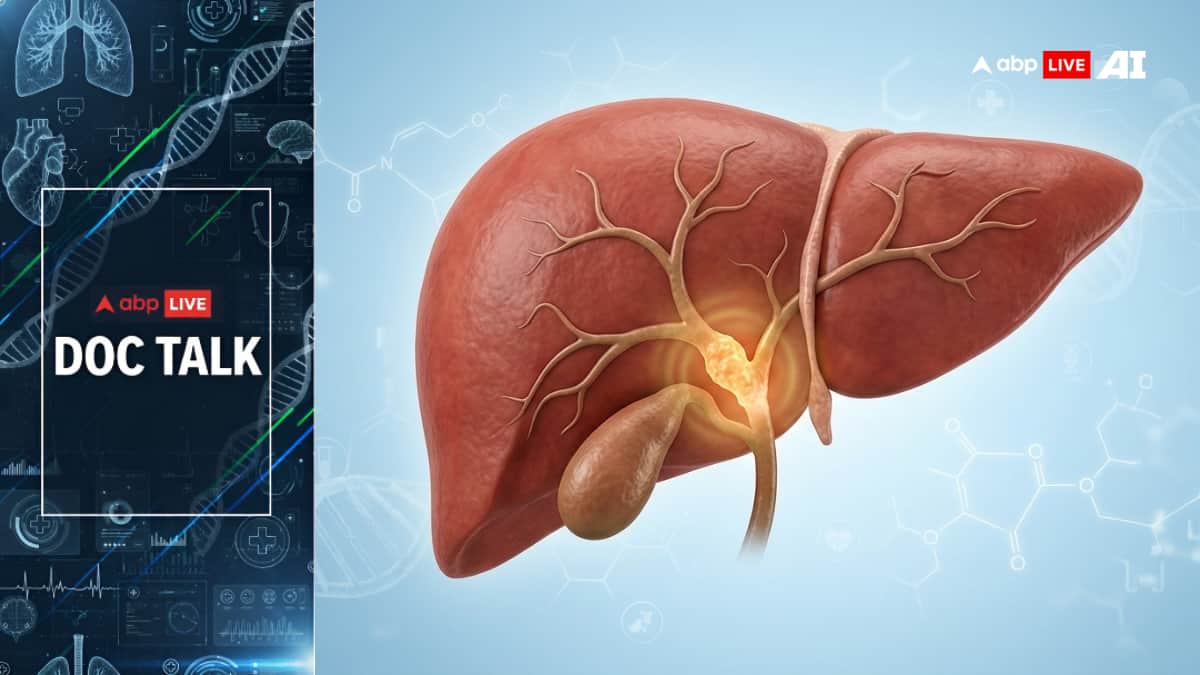
ABP Live Doc Talk: Early Symptoms Of Bile Duct Cancer That Are Often Overlooked

Bile duct cancer is medically known as Cholangiocarcinoma. It refers to cancers that arise in the intrahepatic, perihilar, or distal biliary tree. Although it accounts for only about 3% of gastrointestinal tumors, it behaves aggressively and is often diagnosed late. Globally, it contributes significantly to cancer-related mortality. In India, the incidence is notably higher in North India compared to Southern states. The disease is more commonly diagnosed between the ages of 50 and 70. Early symptoms are usually subtle and are often mistaken for common problems like acidity, gallbladder disease, viral hepatitis, or simple fatigue. ALSO READ: ABP Live Doc Talk: When Should You Visit A Gynecologist? Warning Signs Not To Ignore The Overlooked Cholestasis Pattern:  One of the most important early clues is the 'cholestasis pattern,' which refers to signs of impaired bile flow. Recognizing this pattern early can help in timely diagnosis. Persistent itching without any visible rash, especially if it worsens at night, can be an early symptom. Many individuals assume it is due to allergies or dry skin and delay medical consultation. Dark urine and pale or clay-colored stools are also important warning signs. Dark urine may appear even before visible jaundice, as excess bilirubin is passed through the kidneys. Pale stools occur when bile pigments fail to reach the intestine. These changes are often ignored or attributed to dehydration or dietary factors. Gradual and painless jaundice, where the skin and eyes slowly turn yellow, should never be dismissed. In bile duct cancer, jaundice commonly results from obstruction of bile flow rather than infection alone. Non-Specific Symptoms That Matter In Combination:  Some symptoms may appear general and unrelated but become significant when they persist together. Loss of appetite, feeling full quickly, and unintentional weight loss are often blamed on stress or lifestyle changes. However, when these symptoms continue for weeks along with cholestatic signs, they require urgent evaluation. Dull pain or discomfort in the right upper abdomen, along with bloating or nausea, may be mild in the beginning. Unlike gallstone pain, it may not be severe or colicky. Persistent discomfort with general weakness should not be ignored. Recurrent fever with chills can indicate infection due to blocked bile ducts. When fever occurs along with jaundice, abdominal pain, or worsening itching, it may signal a serious condition requiring immediate medical attention. Why Symptoms Differ By Tumor Location:  The presentation of bile duct cancer depends on its location. Tumors in the extrahepatic or perihilar region tend to block bile flow earlier, leading to symptoms like itching, color changes in urine and stools, and jaundice at an earlier stage. While intrahepatic tumors may remain silent for longer and present later with general symptoms such as fatigue, weight loss, or a vague sense of abdominal heaviness. Who Should Be More Alert? The risk is higher in individuals with long-standing conditions that cause chronic inflammation or structural changes in the bile ducts. These include Primary sclerosing cholangitis, choledochal cysts, long-standing bile duct stones, chronic liver disease, and parasitic infections like Liver fluke infection in endemic areas. In such individuals, any new symptom related to impaired bile flow should be evaluated promptly. Initial evaluation usually begins with liver function tests followed by an ultrasound to check for bile duct dilatation. Further imaging such as MRCP or CT scan and endoscopic procedures may be required to confirm the level of obstruction and obtain a tissue diagnosis. Tumor markers like CA 19-9 may support suspicion but are not definitive on their own. Disclaimer: The information provided in the article is shared by experts and is intended for general informational purposes only. It is not a substitute for professional medical advice, diagnosis, or treatment. Always seek the advice of your physician or other qualified healthcare provider with any questions you may have regarding a medical condition.

International Women's Day 2026: History, Significance, Theme And All You Need To Know About March 8

Every year on March 8, the world comes together to recognise the strength, resilience, and contributions of women across every sphere of life. From shaping families and communities to leading nations and industries, women have played an essential role in building societies throughout history. International Women's Day is not just a celebration of achievements but also a moment to acknowledge the dedication, courage, and determination that women demonstrate every day. Across countries and cultures, the day encourages people to appreciate the progress women have made while reflecting on the challenges that still remain. It serves as an opportunity to honour the efforts of women who continue to inspire change, break barriers, and open doors for future generations. Celebrations, discussions, and awareness campaigns held on this day highlight the importance of respect, equality, and opportunity for women everywhere. International Women's Day 2026 Theme For International Women's Day 2026, the global theme highlighted by the United Nations and several official campaigns is 'Rights. Justice. Action. For ALL Women and Girls.' This theme emphasises the importance of ensuring that women everywhere are able to truly exercise their rights and experience fairness in everyday life. It focuses on turning commitments into real change, highlighting the need for stronger action so that equality and justice are reflected not only in policies but also in daily realities for women and girls around the world. History And Origin Of International Women's Day The roots of International Women's Day trace back more than a century to a time when many women around the world worked under difficult conditions and had limited rights. In the early 1900s, women began raising their voices to demand fair treatment, better working environments, and equal pay. These collective efforts marked the beginning of a movement that sought dignity, recognition, and equal opportunities for women in society. In 1910, leaders and activists from several countries gathered and agreed that a dedicated day should be set aside to recognise women's struggles and achievements. The idea gradually gained momentum across different regions. A few years later, in 1917, women organised peaceful protests demanding better living conditions and greater rights. These demonstrations played an important role in establishing 8 March as a significant date. Over time, the observance evolved into a global event that celebrates women's contributions while continuing to raise awareness about gender equality. Significance Of International Women's Day International Women's Day holds deep global importance as it acknowledges the social, economic, cultural, and political achievements of women. It is a day that celebrates progress while also reminding society that the journey toward gender equality is still ongoing. The occasion draws attention to important concerns such as gender inequality, discrimination in workplaces, violence against women, reproductive rights, and equal access to education and opportunities. Governments, organisations, and communities use the day to spark meaningful conversations, recognise women's contributions, and encourage efforts that support a fairer and more inclusive society. Beyond the celebrations, the day also acts as a call for action. It encourages individuals, institutions, and policymakers to take concrete steps that support equal rights and opportunities for women and girls everywhere.

'I think that’s why I didn’t play those two matches': Axar Patel

Axar Patel produced two stunning catches and a key wicket to help India national cricket team defeat England national cricket team in the T20 World Cup semifinal at Wankhede Stadium. His efforts broke crucial partnerships and lifted India’s fielding display. Axar now looks forward to playing the final against New Zealand national cricket team in Ahmedabad before his family.

Kharmas 2026: Know The Date, Duration, Things To Avioid During This Period, And More

In Hindu tradition, Kharmas is considered an inauspicious period. According to the solar calendar, it occurs during the months when the Sun transits Sagittarius (Dhanu) and Pisces (Meen). Every month, the Sun enters a specific zodiac sign, and the month is named after that sign. At present, the Sun is in Aquarius (Kumbh) and will enter Pisces (Meen) in March, marking the beginning of Kharmas. However, there is some confusion regarding whether Kharmas begins on March 14 or March 15, and which activities should be avoided during this period. ALSO READ: Papmochani Ekadashi 2026: Know Date, Puja Muhurat, Vrat Paran Time Kharmas 2026 Date According to the Hindu Panchang, the Sun will enter Pisces on Sunday, March 15 at 1:08 AM. Some sources refer to this timing as late night on March 14, which leads to confusion about the exact starting date of Kharmas. In reality, both references indicate the same time but are expressed differently. In the Gregorian calendar, a new day begins at midnight, so 1:08 AM falls on March 15. However, in common conversation, it is often referred to as late night on March 14. Therefore, officially Kharmas will begin on March 15, 2026. Duration Of Kharmas Kharmas will begin on March 15 and continue for about a month. The Sun will move from Pisces to Aries on April 14 at 9:38 AM, marking the end of Kharmas. Thus, the period will last from March 15 to the morning of April 14. According to the Hindu calendar, it begins on Ekadashi of the Krishna Paksha in the Chaitra month and ends on Dwadashi of the Krishna Paksha in the Vaishakh month. Activities Strictly Avoided During Kharmas Several auspicious activities are traditionally avoided during this period: Starting a new business, project, or major work is considered unfavorable as it may lead to delays or unwanted results. Griha Pravesh (housewarming ceremonies) should also be avoided. If a new house is ready, it is considered better to enter it after Kharmas ends. Marriage-related ceremonies such as engagements and weddings are generally not performed. Rituals like Mundan (head-shaving ceremony), Janeu (sacred thread ceremony), and naming ceremonies are also avoided. Laying the foundation of a new house or purchasing property and vehicles is usually postponed. Overall, performing any major auspicious activity during Kharmas is traditionally discouraged. Why Auspicious Activities Are Avoided During Kharmas According to religious beliefs, the Sun, considered the king of planets, moves slowly during this period. When the Sun transits certain zodiac signs like Sagittarius and Pisces, its movement is believed to slow down. For auspicious activities, the Sun is expected to be in a stronger or exalted position. Since this is not considered the case during Kharmas, the period is regarded as unsuitable for important or auspicious ceremonies. [Disclaimer: The content of this article is based solely on beliefs, and should be taken as general guidance. Individual experiences may vary. ABPLive.com does not assert the accuracy or validity of any claims or information presented. It is strongly recommended to consult a qualified expert before considering or implementing any information or belief discussed herein.] 

From trump card to major concern? Varun Chakravarthy losing grip at the wrong time

With 13 wickets to his name, Varun Chakravarthy is currently the joint-leading wicket-taker of the 2026 T20 World Cup. In the first four matches, he picked up nine wickets at an economy rate of 5.17. In the last four games, however, he has leaked runs at 11.63 while picking up just four wickets. The mystery spinner is struggling with his lengths and has been taken to the cleaners, which is not a good sign for India ahead of the final against New Zealand.